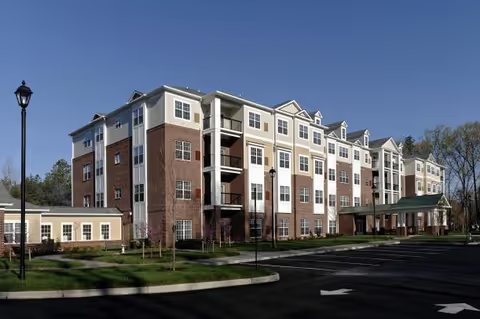
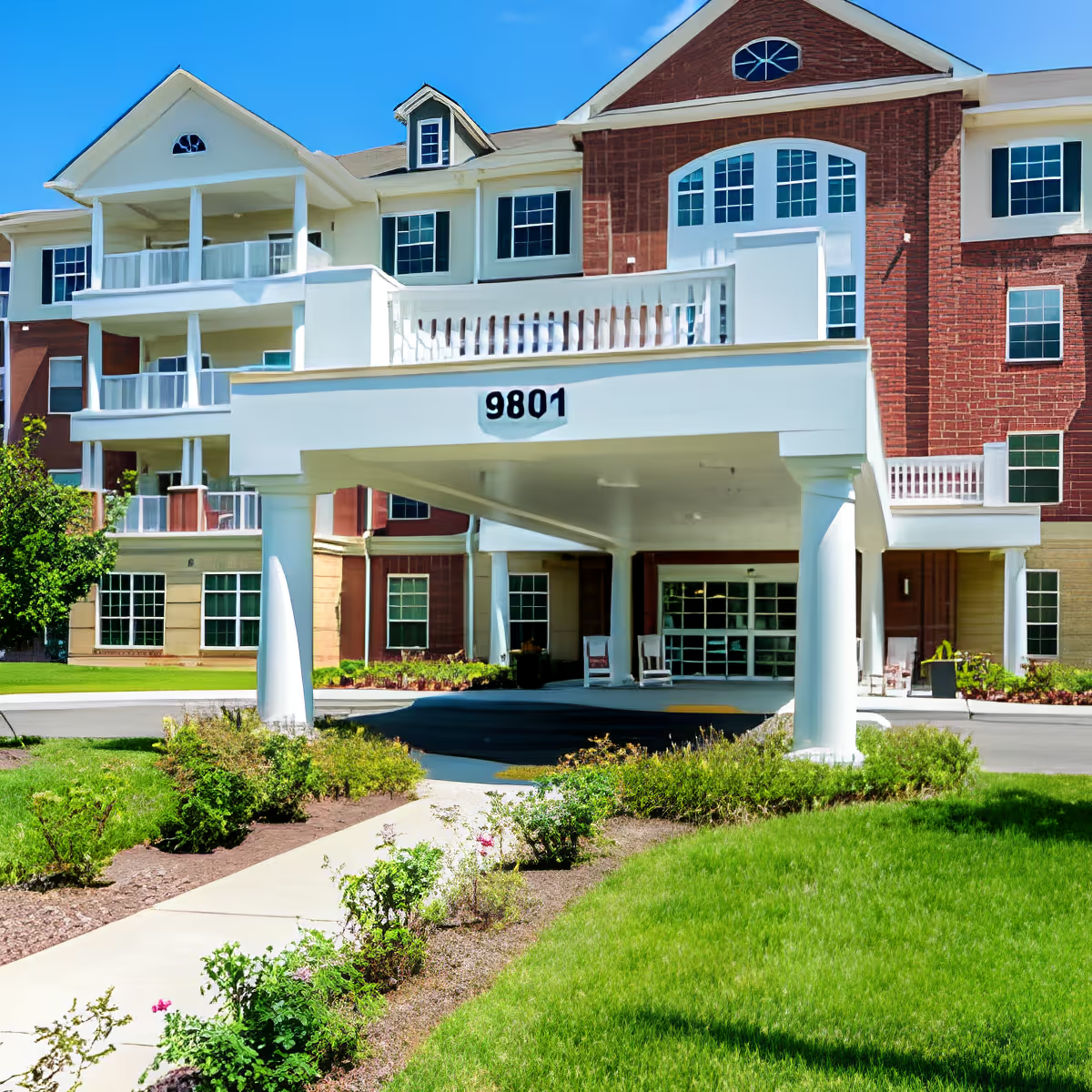
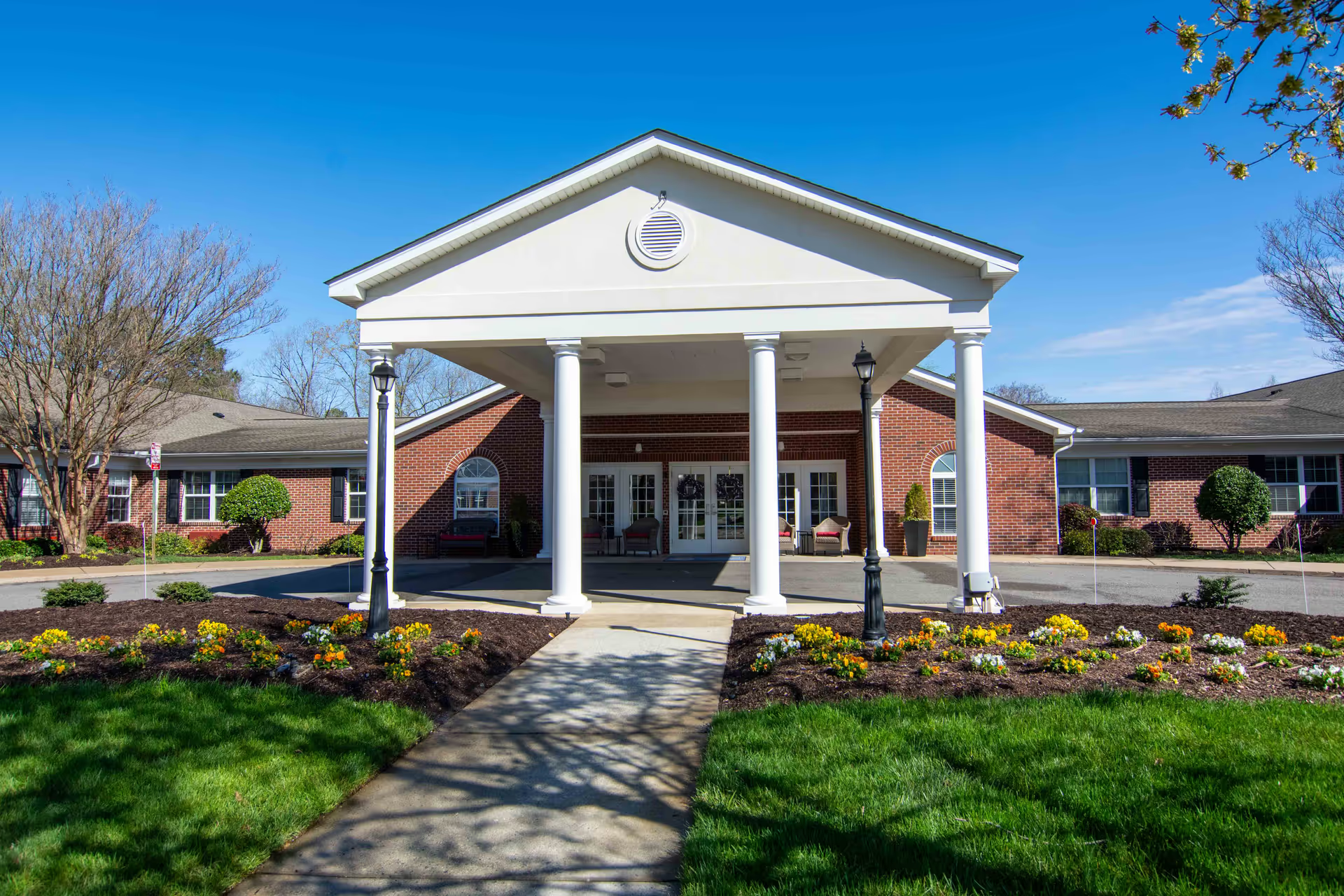
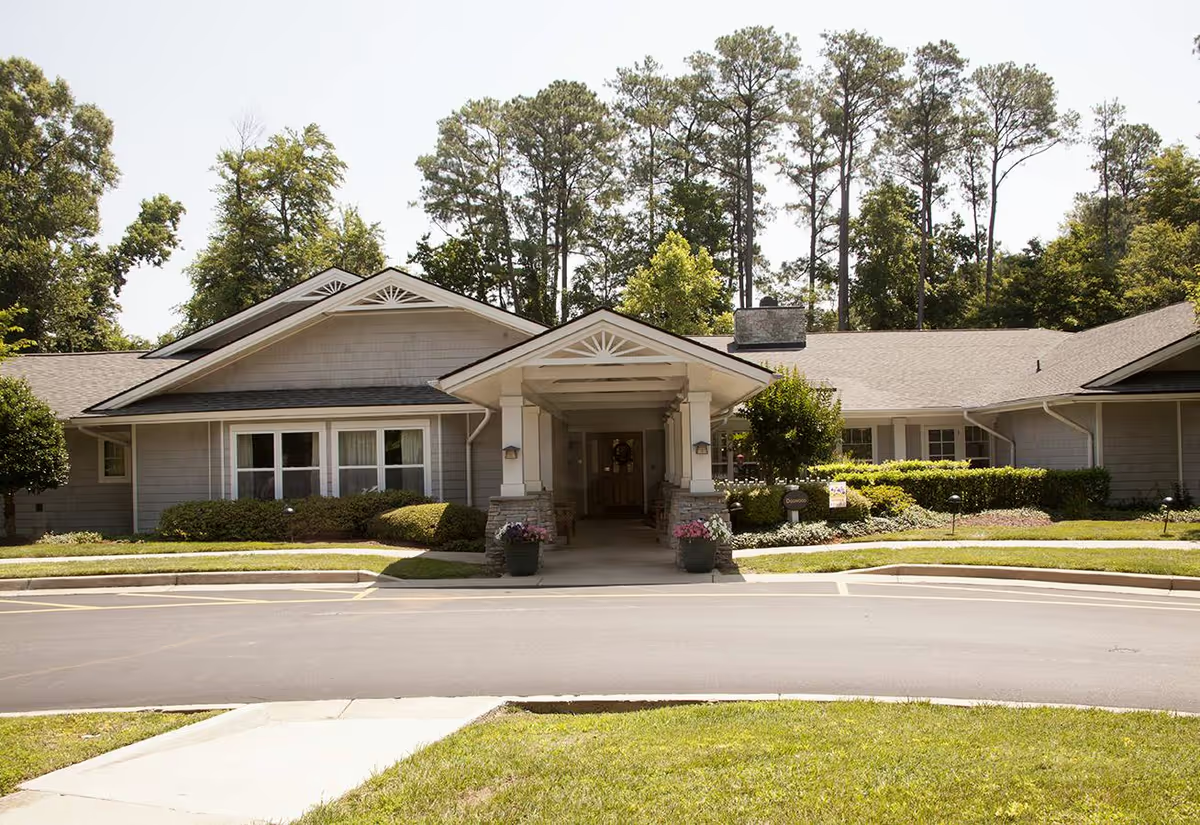
Overall impression: Elizabeth House presents as a small, affordable assisted living option with a home-like atmosphere and a mix of strengths and operational gaps. Many families praised genuinely caring direct-care staff, timely medication management, and a community scale that allows staff to know residents personally. The facility's location, bright entrances, and spacious rooms are commonly mentioned as positive elements, and some reviewers highlighted effective, hands-on leadership and a welcoming admissions experience.
Care and staff: Clinical care impressions are mixed. Numerous comments describe attentive aides and effective medication administration, while other accounts point to staffing shortfalls that lead to delays in assistance and intermittent gaps in on-site nursing coverage. These staffing inconsistencies appear linked to periods of good, resident-focused care as well as periods when aides and supervisors were less available. There are also isolated concerns about staff conduct and responsiveness that families felt affected the resident experience.
Dining and housekeeping: Dining receives varied feedback. The menu is generally described as appealing and consistent, but budget constraints have been tied to uneven food seasoning and reduced perceived quality. Housekeeping and laundry systems are inconsistent: some residents receive weekly room cleaning and laundry services, yet others describe sanitation concerns, odor issues in common areas, overflowing waste receptacles, and incidents of missing linens or clothing. These points suggest variability in daily operational execution rather than a single-service failure.
Activities and social life: The facility offers organized activities, including regular bingo and other events, and an upbeat activities director was noted positively. However, activity offerings are limited relative to larger communities and families reported cancellations and periods of resident boredom. Staffing levels and scheduling seem to constrain the frequency and variety of programming.
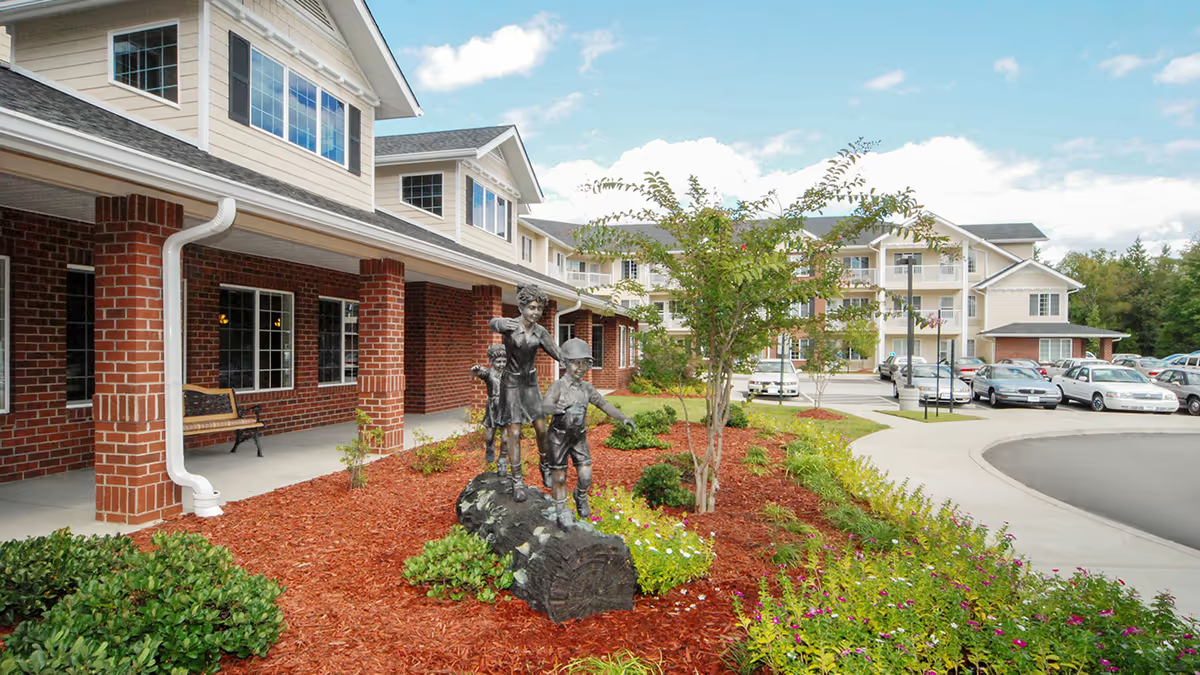
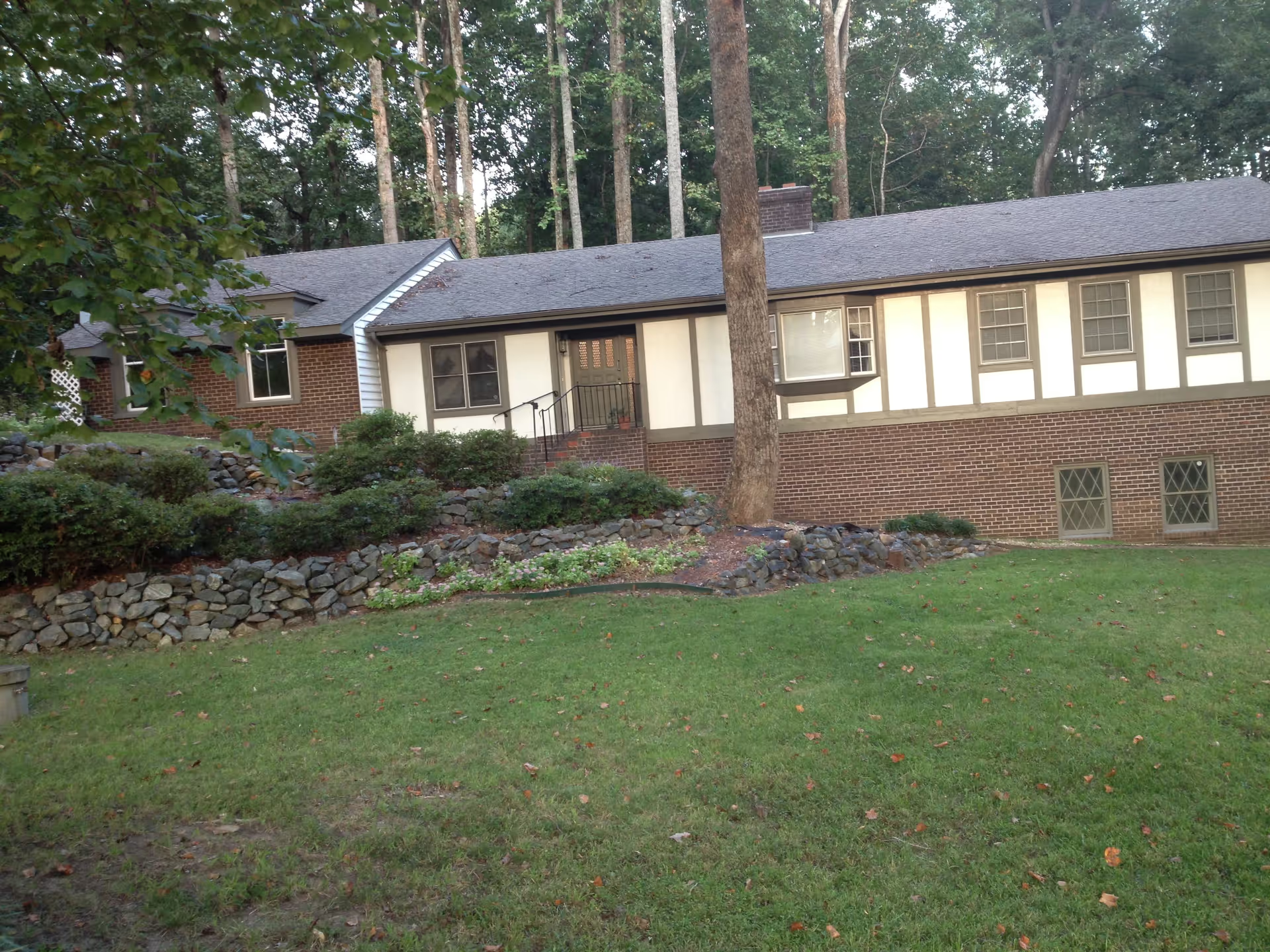
Facilities and maintenance: Physical space is described as bright and spacious in parts, with well-kept grounds, but overall the building shows signs of deferred maintenance. Reviewers cite worn carpets, dated finishes, dim lighting in some areas, and broken-promises about planned renovations. These deferred capital improvements affect perceived value and comfort, especially for long-term residents.
Management and administration: Management impressions are polarized. Several accounts praise open-door leadership, attention to detail, and strong director oversight; others describe poor communication, uncooperative administrative interactions, and a lack of follow-through on upgrade commitments. Financial management is another recurring theme: families noted frequent fee increases and concern about value for residents on fixed incomes, alongside visible cost-saving measures that appear to impact supplies and staffing.
Notable patterns and recommendation: The dominant pattern is variability: the facility can provide compassionate, individualized care and a welcoming environment when staffing and leadership are stable, but service quality fluctuates when budgets, staffing levels, or management attention decline. Prospective families should assess current staffing ratios, nurse coverage, housekeeping and laundry processes, and recent capital improvements during a tour. Asking for specifics about activity schedules, fee history, and concrete timelines for promised renovations may help evaluate whether Elizabeth House’s strengths align with a prospective resident’s priorities.