Overview: Commonwealth Senior Living at Gloucester House is described by many families and visitors as a clean, well-kept community with a strong emphasis on social engagement and a homelike dining program. Positive themes in the feedback include a caring frontline staff, active programming, comfortable private units with practical in-room amenities, and a secure memory-care neighborhood with an attractive central courtyard. Several reviewers also singled out the facility’s sales and leadership contacts as responsive and helpful during move-in and transition periods.
Care and staffing: Care quality impressions vary. Numerous accounts praise compassionate, attentive aides and nurses and cite attentive caregiving that provides peace of mind for families. At the same time, an operational pattern emerges around inconsistent staffing levels and uneven coverage during evenings, weekends, and night shifts. That variability correlates with delays in responding to call lights and assistance requests, intermittent gaps in personal-care schedules (for example, bathing frequency and toileting assistance), and occasional lapses in handoffs between shifts. Reviewers also identified concerns about staff training and morale, which appear to affect consistency of care at times.
Clinical practice and safety: While many families experienced competent nursing oversight, there are recurring concerns about clinical-incident processes: delayed communication about changes in medical orders, inconsistent medication administration documentation, and gaps in follow-up after incidents. There are also indications of weaknesses in fall-prevention and transfer-safety protocols. These are operational issues that prospective residents and families should discuss with leadership when assessing clinical suitability and risk mitigation.
Dining and activities: Dining is frequently cited as a strength. Reviewers describe varied menus, accommodating dietary needs, homemade-style meals, appealing desserts, and fresh fruit. The activities program is robust, with scheduled social events (Bingo, crafts, games), weekly outings, worship services, pet visits, and on-site salon services that contribute to socialization and resident engagement. During heightened infection-control periods some activities and visitation were limited; families noted that social opportunities fluctuated with public-health guidance.
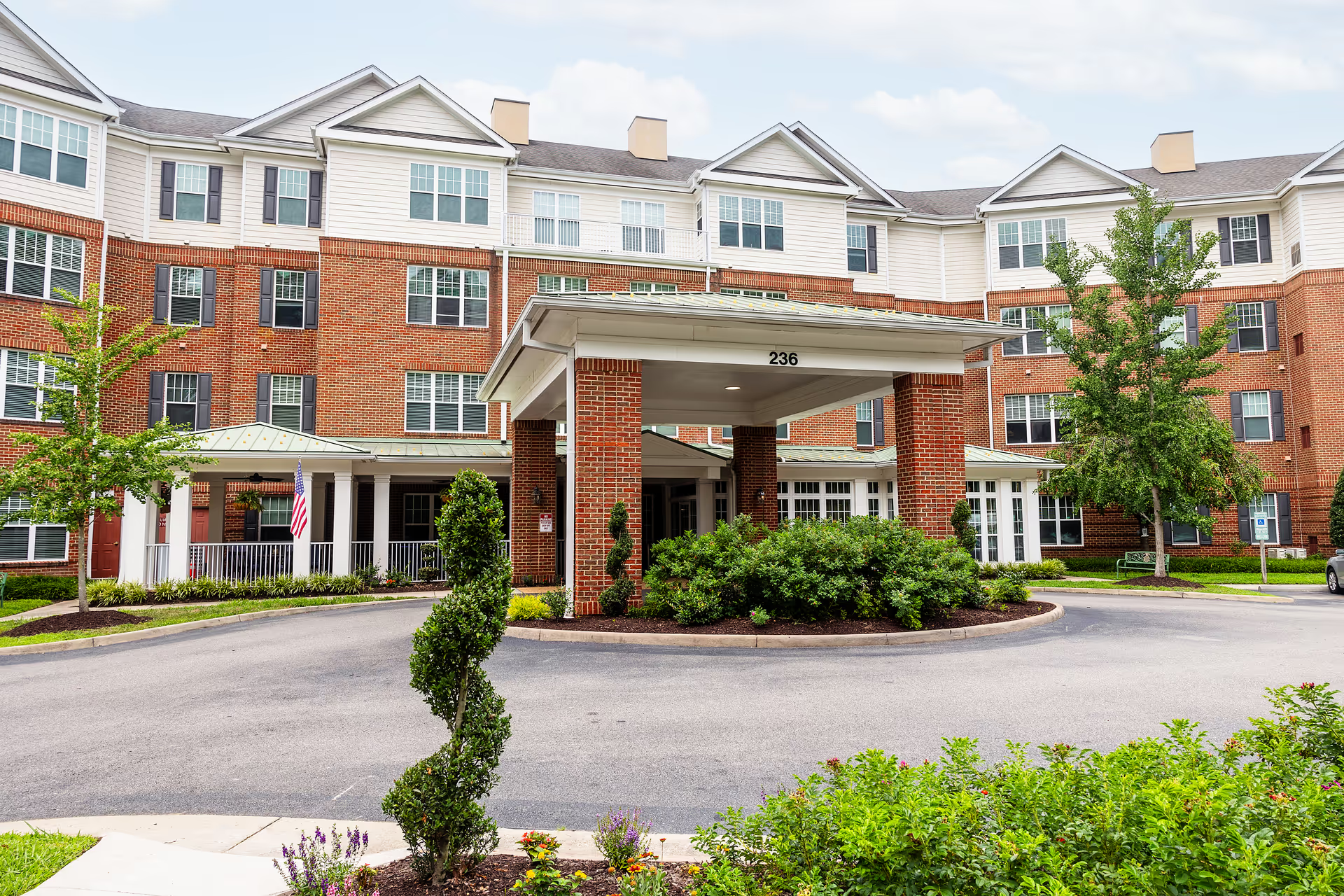
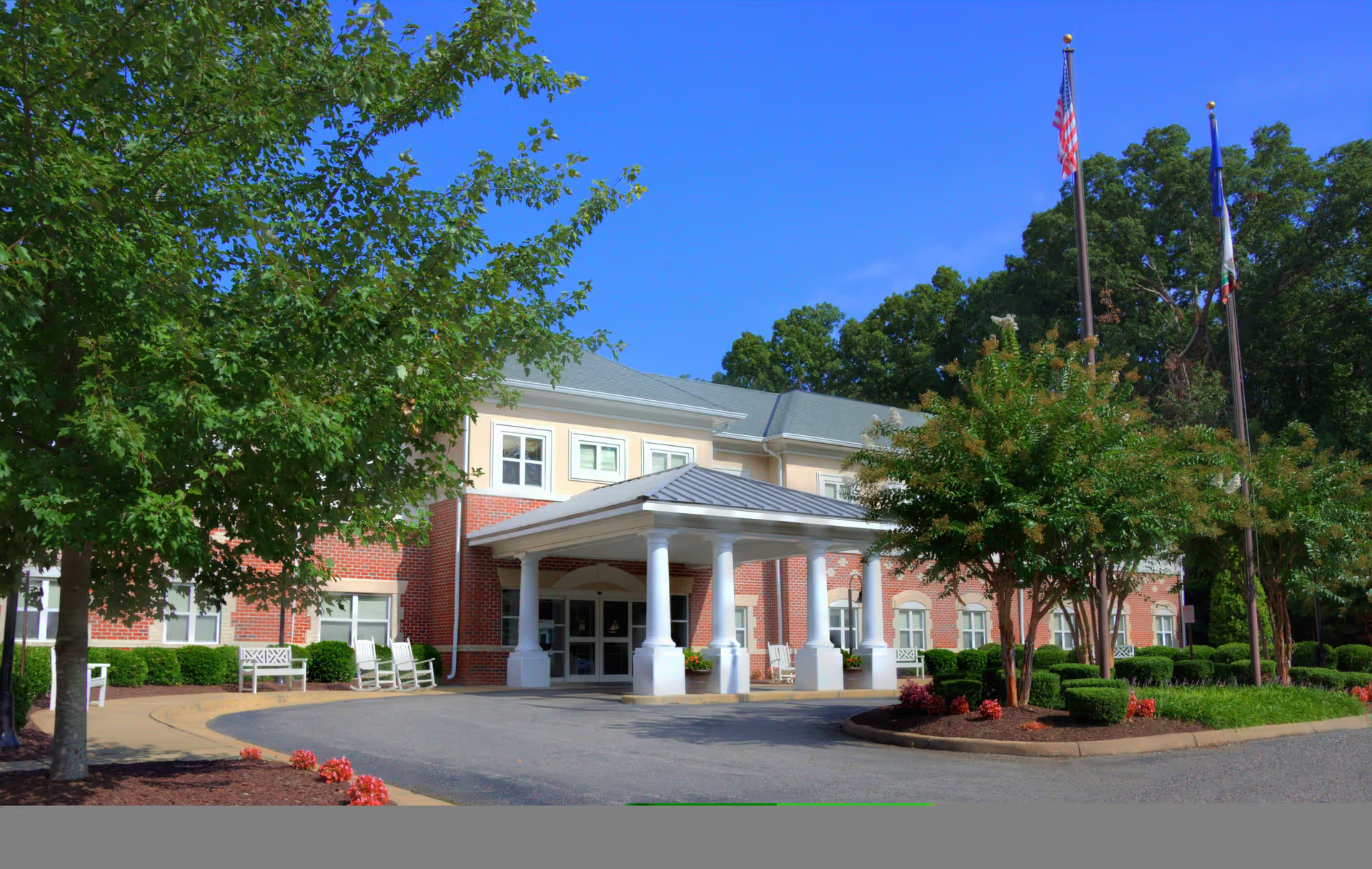
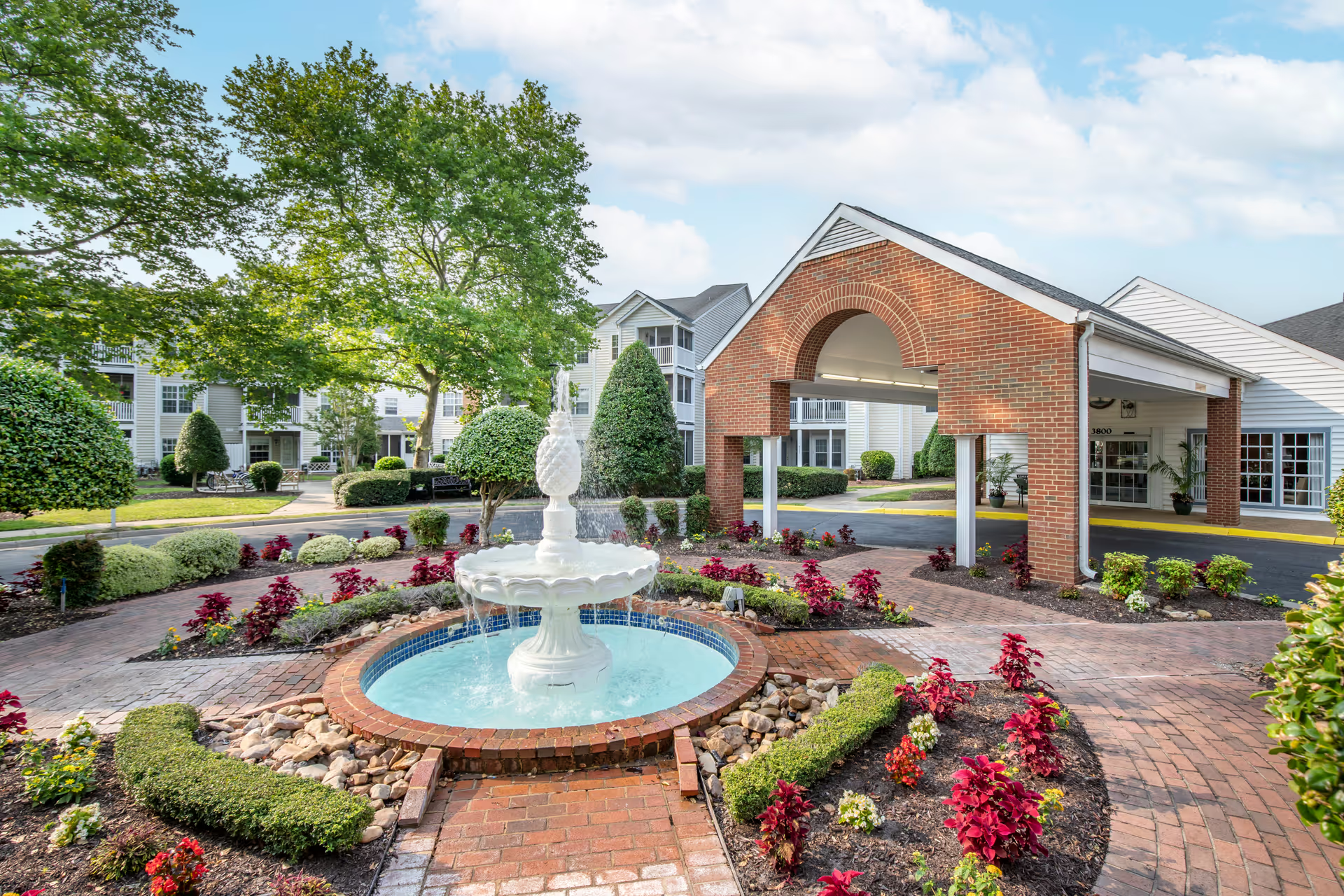
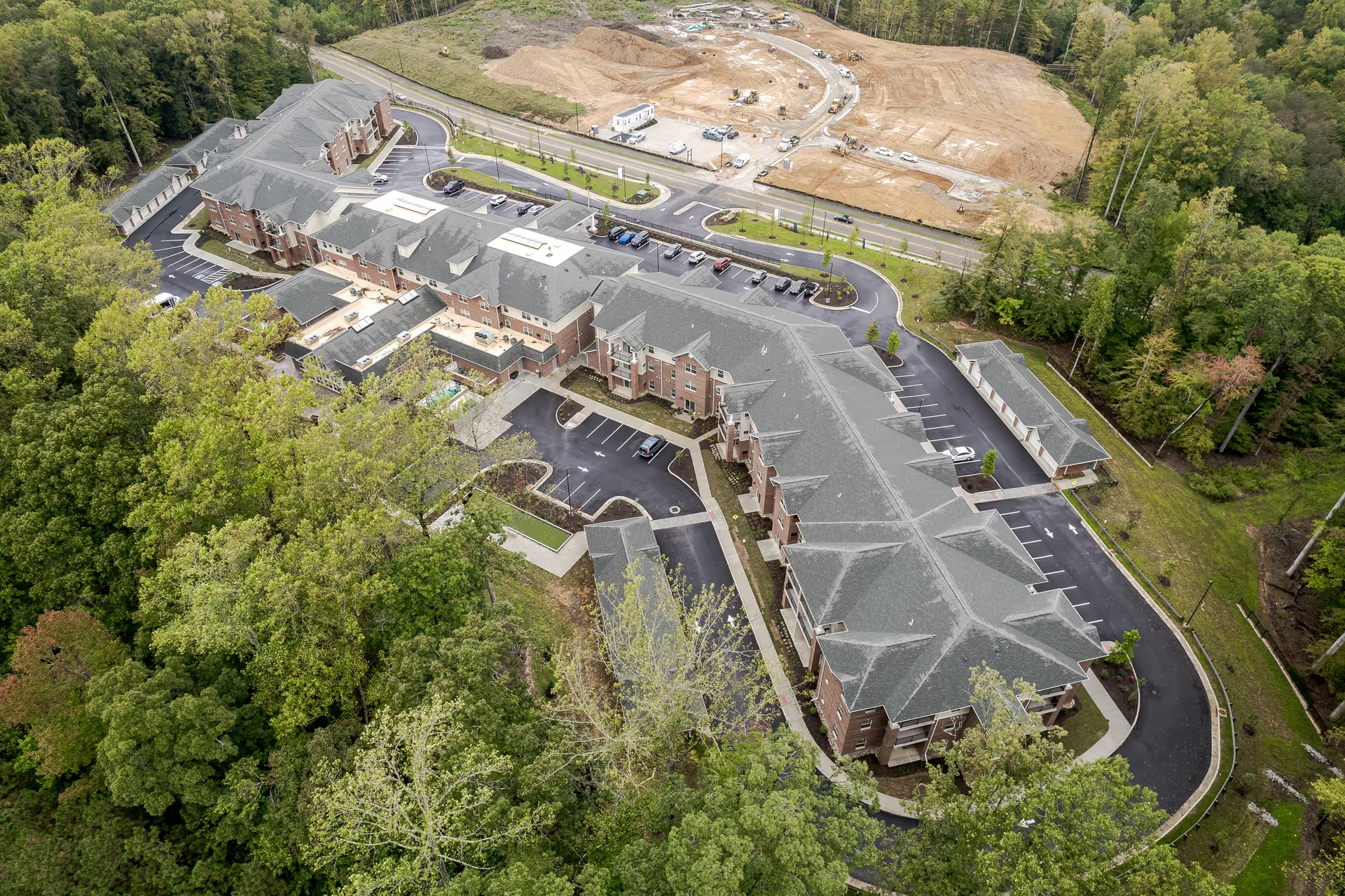
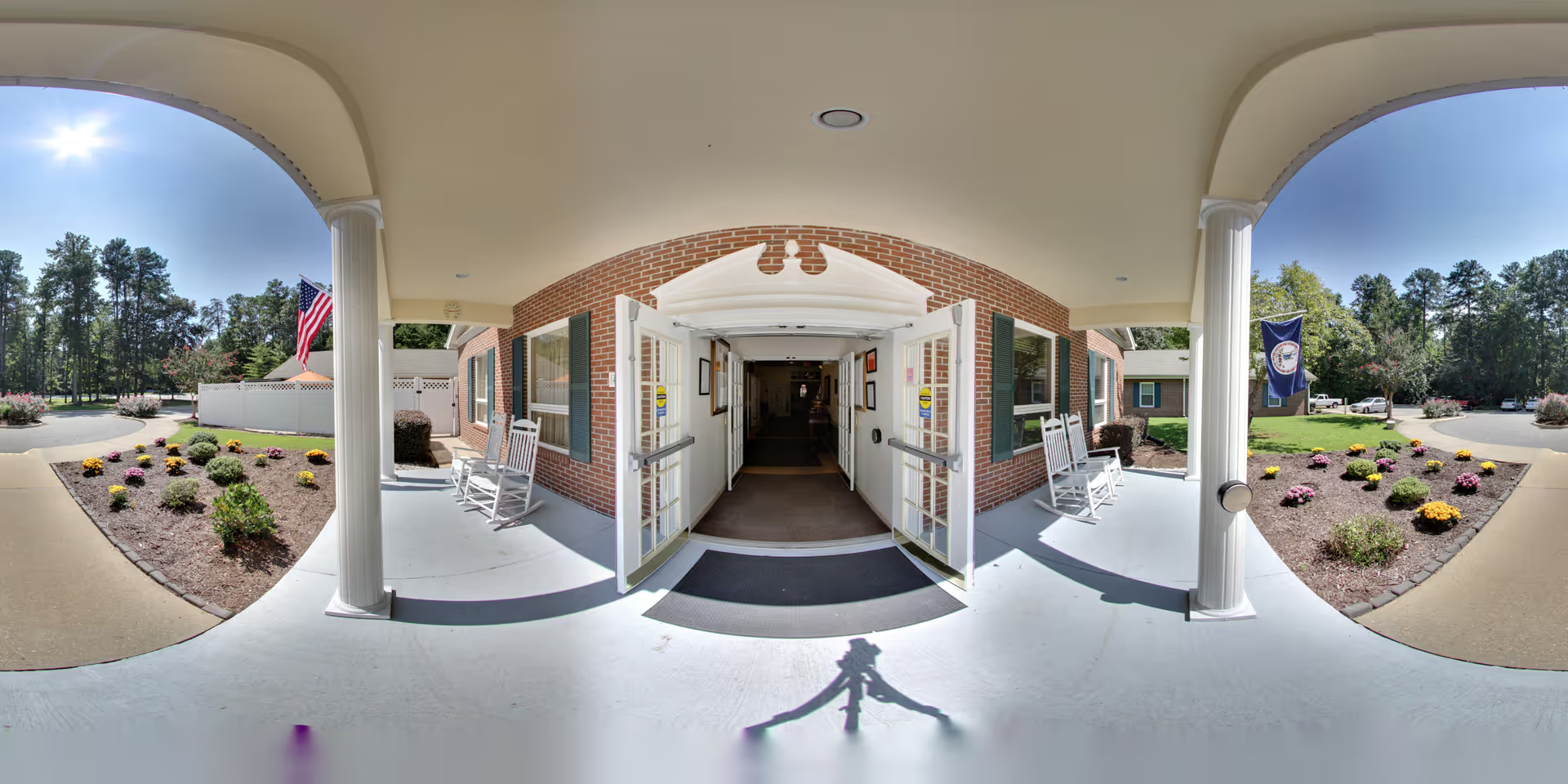
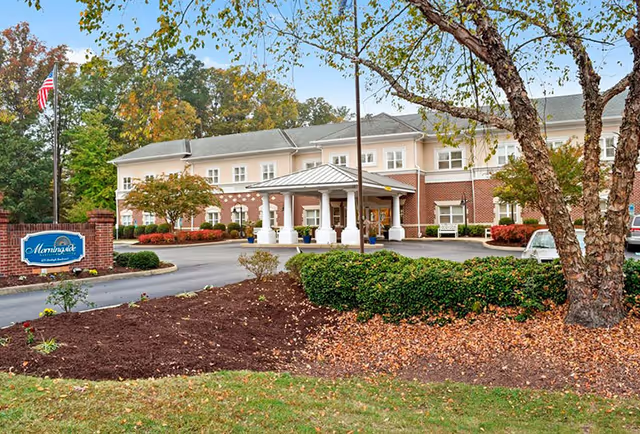
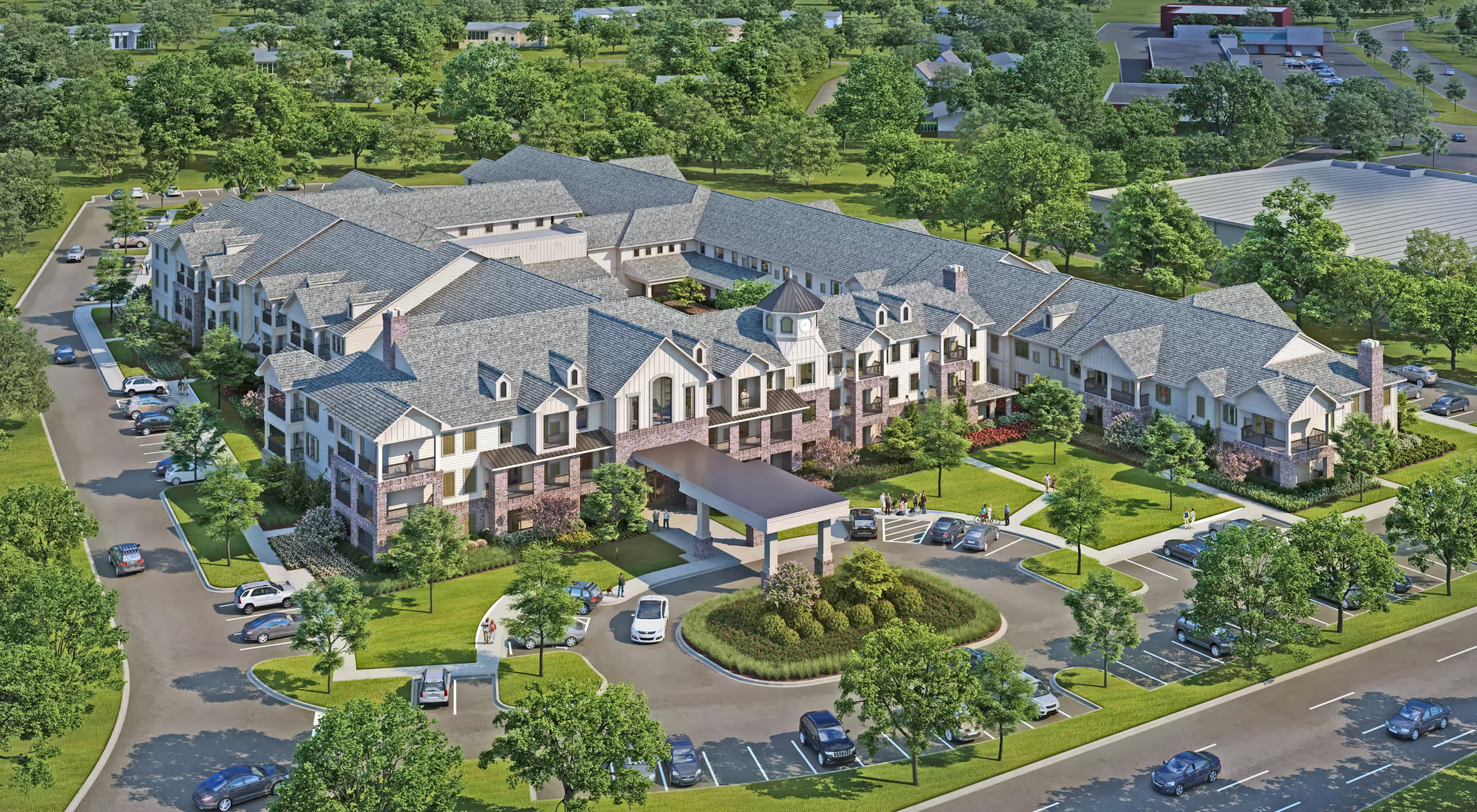
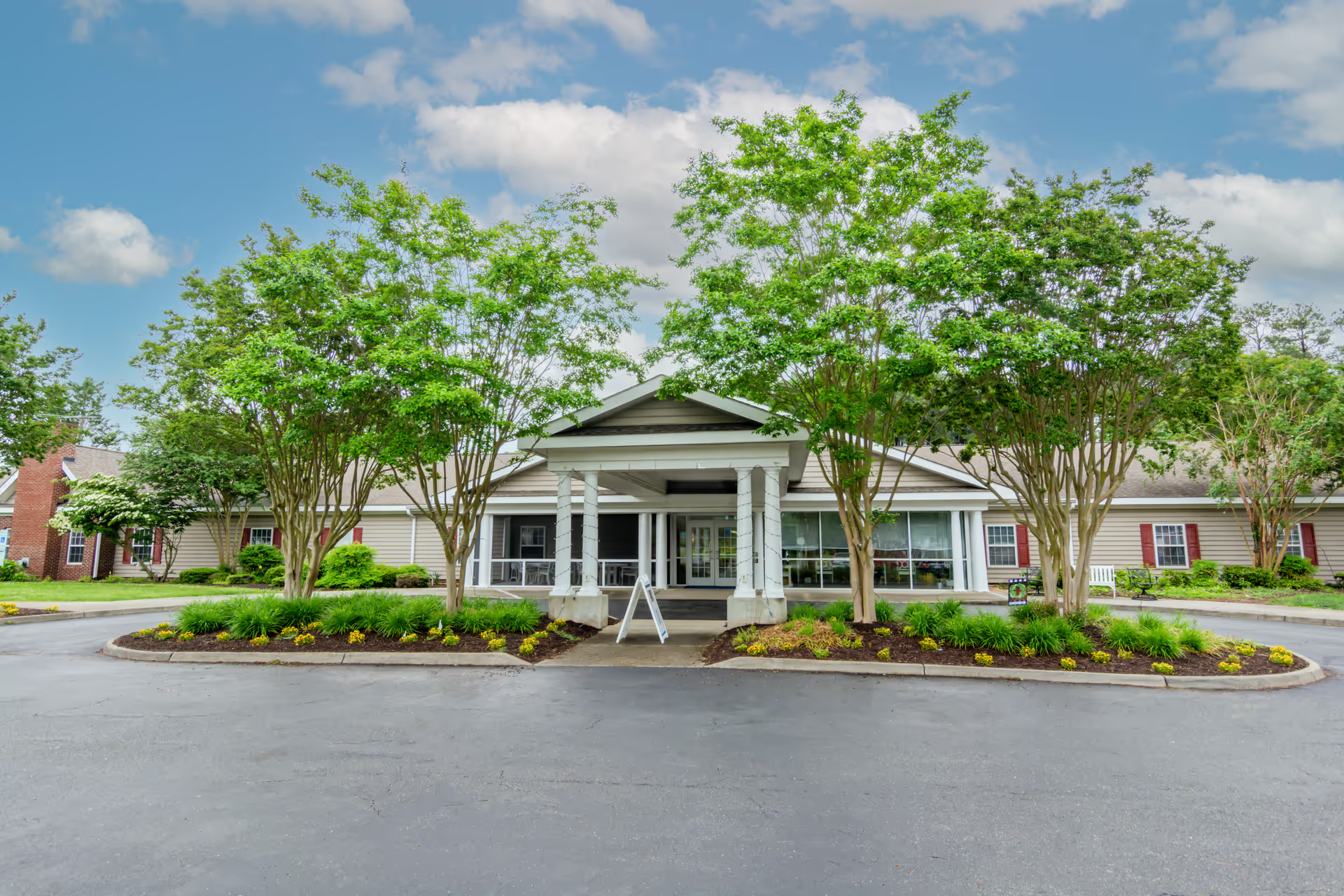
Facilities and environment: The physical plant receives positive marks for cleanliness, attractive landscaping, and spacious private rooms with walk-in closets and small kitchenettes in many units. Housekeeping and linen service are commonly noted as reliable. At the same time, reviewers mentioned limited common-area capacity relative to the resident population and occasional sanitation or odor concerns in specific areas; these suggest uneven maintenance attention in some zones. Shared rooms were described as less amenable to personalizing compared with private units.
Management and communication: Administrative responsiveness is a mixed but notable pattern. Several families report proactive, helpful sales and administrative staff who facilitate transitions and keep families informed. Conversely, others describe communication gaps — missed messages, delayed voicemail/email responses, and instances where information did not follow across shifts. There are also concerns about property-security and medication-control processes tied to personal-property incidents and medication handling; such issues have prompted complaints in isolated cases.
Notable patterns and considerations for prospective families: Overall, Gloucester House offers many of the qualities families seek: a caring culture among many staff members, an active activities calendar, solid dining, and a pleasant physical environment. Operational tradeoffs to evaluate in person include current staffing levels and coverage patterns (especially nights/weekends), clinical incident-management procedures, medication administration controls, and how shared-room arrangements affect personalization and privacy. Prospective residents should request specifics about staffing ratios, fall-prevention protocols, communication pathways for families, and examples of how sanitation concerns are tracked and resolved. Visiting at different times of day and speaking directly with nursing leadership about incident follow-up will help clarify whether the facility’s strengths align with a given resident’s needs.