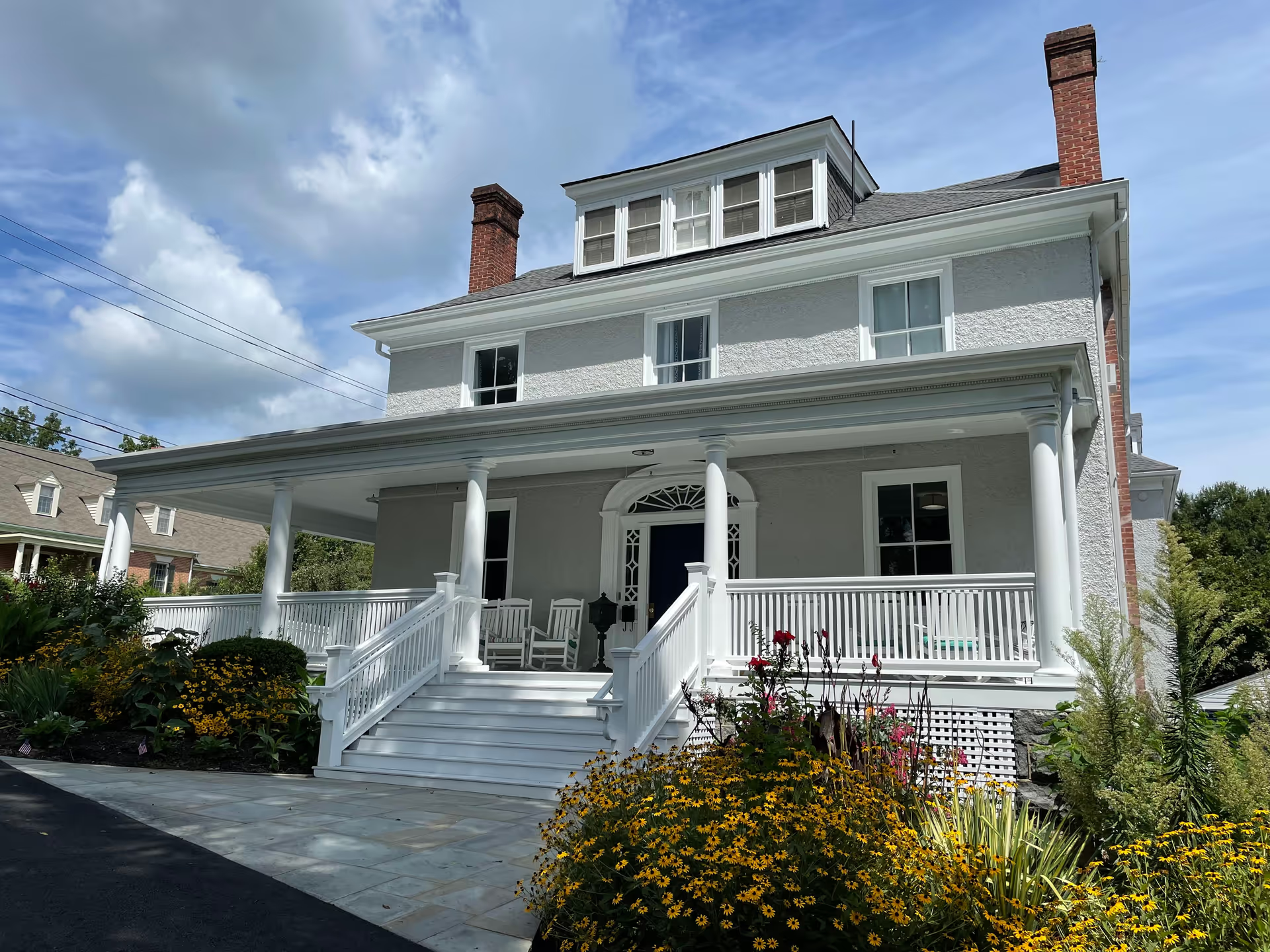
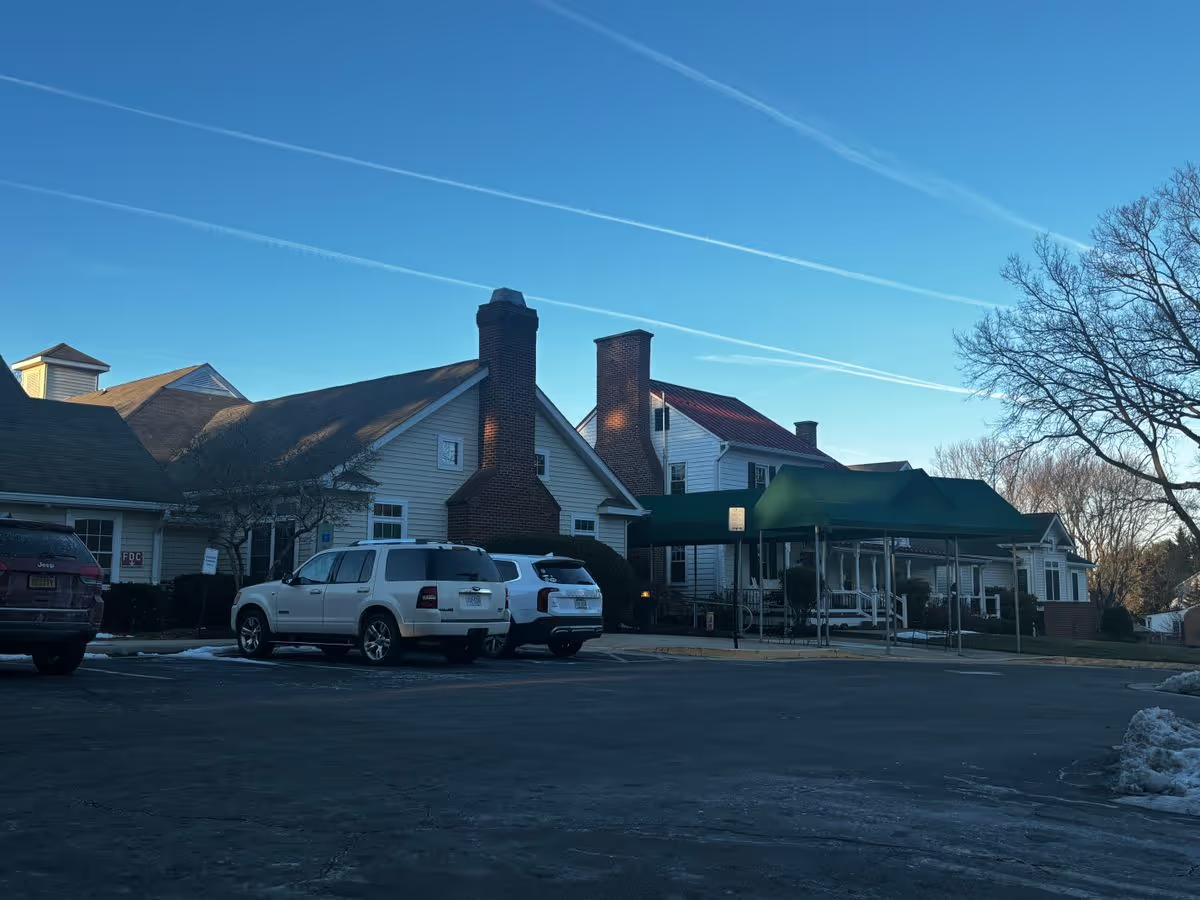
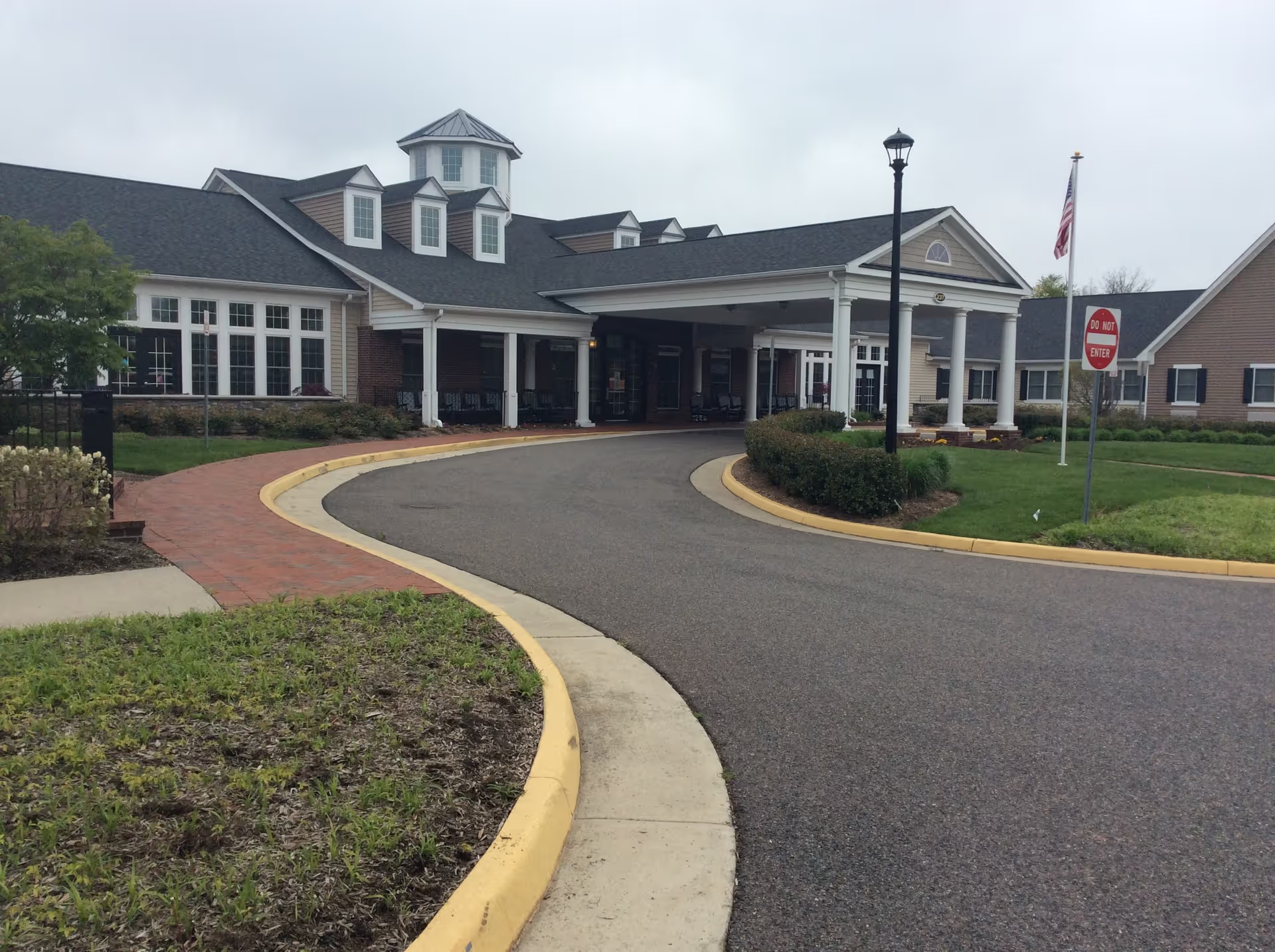
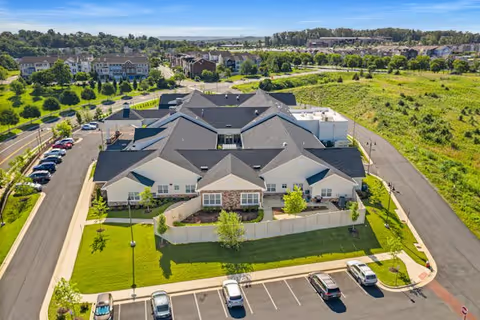
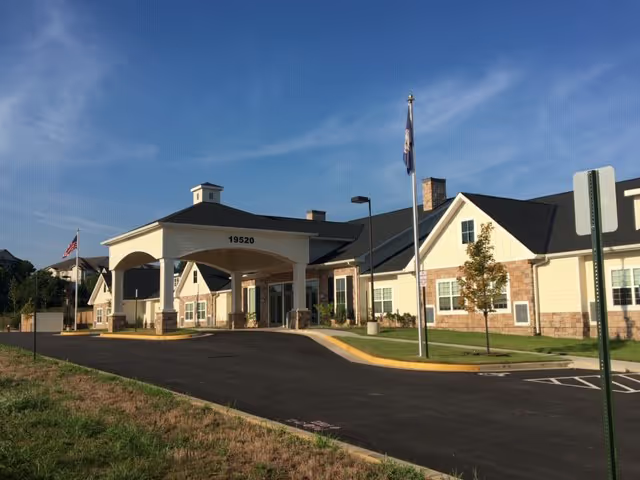
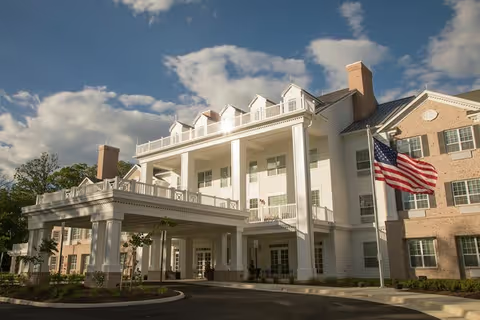
Morningside House of Leesburg presents as a small, intimate assisted-living community with many strengths in social programming, hospitality, and resident experience. Reviewers frequently describe a warm, home-like atmosphere supported by long-tenured, engaged staff and visible leadership. The facility offers multiple apartment layouts including private rooms, restaurant-style dining, a variety of common spaces (library, game room, piano/music area, outdoor seating), and an active schedule of events, outings, and clubs that contribute to high resident engagement and positive social outcomes.
Staff and day-to-day care are a prominent positive theme. Many families and residents highlight friendly, compassionate caregivers, an attentive concierge/front-desk team, and staff members who go beyond basic duties to support residents’ social and emotional needs. Leadership presence — including an executive director with clinical training noted by reviewers — and staff continuity are often cited as contributors to a stable culture and accessible communication. The dining experience and well-maintained public areas are also frequently praised for contributing to a sense of dignity and comfort.
At the same time, the reviews reveal operational limitations that prospective residents and families should evaluate. There is a clear pattern indicating variability in direct-care responsiveness and staff competency: some reviewers describe timely, compassionate care while others cite delayed responses to requests and slower attention during weekends or holidays. Several comments point to gaps in clinical assessment and escalation practices, including concerns about how acute changes are recognized and communicated to families. Relatedly, the community does not appear to provide comprehensive on-site skilled nursing services, which makes it better suited for residents with lower to moderate care needs rather than complex medical or high-dependency cases.
Memory-care and higher-acuity care warrant particular scrutiny. Multiple reviewers raised concerns about memory-care security and attentiveness to residents with dementia, and a few described serious clinical incidents that suggest the need to verify the facility’s protocols for incident escalation, wound care, and emergency response. Management responsiveness is generally framed positively, but there are also reports of administrative communication lapses and occasional perceived prioritization of renovations over direct-care improvements. Background-check and staff-screening practices were explicitly flagged by some reviewers as an area to confirm during a tour.
Practical facility considerations include generally high marks for cleanliness and an updated aesthetic in common areas, contrasted with commentary that some apartment units are relatively small and have limited natural light. Dining is often praised for presentation and atmosphere, though opinions about meal quality and variety vary. A minor operational note concerns occasional bird presence in entryway areas, which some reviewers flagged as a pest-control item to address.
Recommendation for prospective families: schedule an in-person visit focused on clinical and operational details — ask about staffing ratios by shift, weekend and holiday coverage, on-site nursing availability, memory-care supervision and security measures, emergency escalation protocols, transfer safety procedures, and the facility’s staff screening/testing policies. Also observe meal service and activity engagement on a typical day. These checks will help determine whether the community’s strong social environment and hospitality align with a prospective resident’s clinical and safety needs.