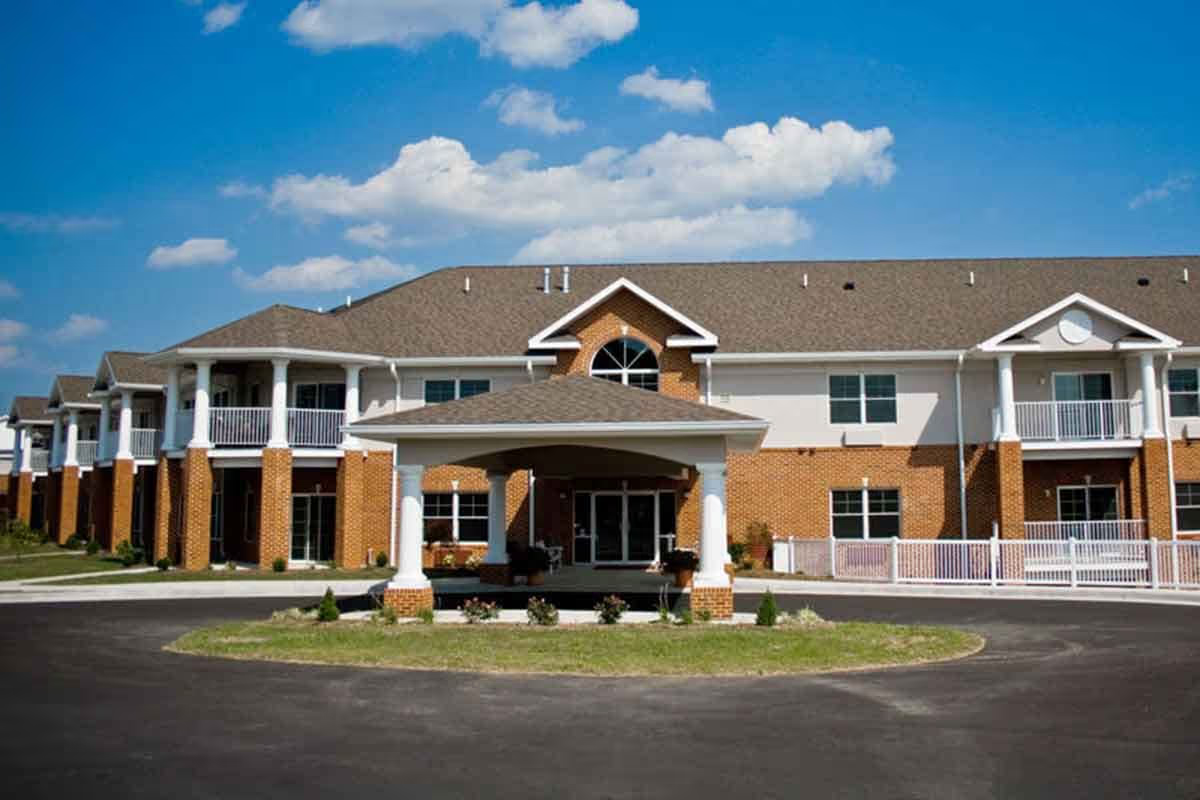
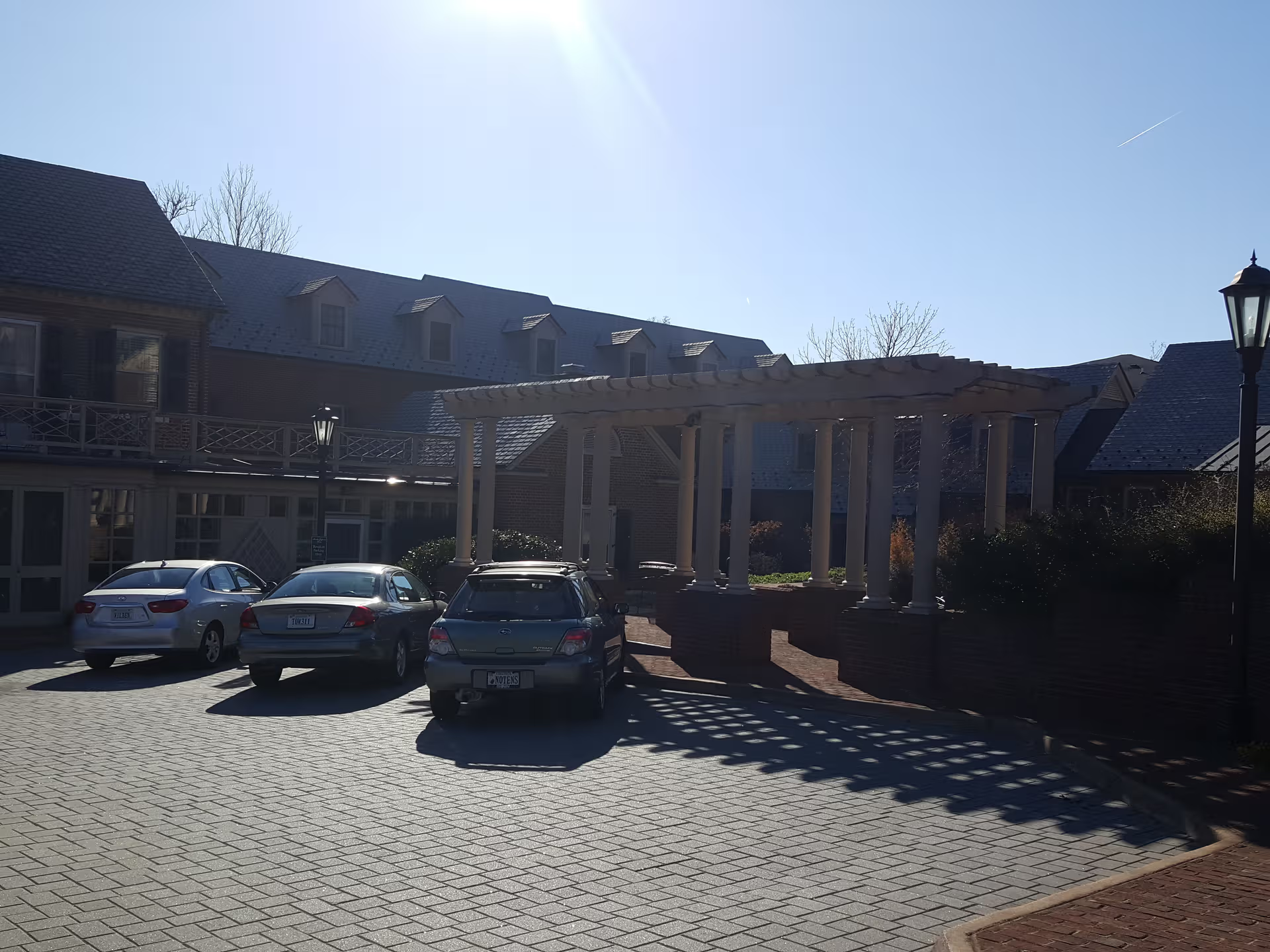
Town Creek presents a mixed picture. Several reviewers praise the interpersonal side of care: staff are described as compassionate, helpful, and genuinely concerned for residents, and there are accounts of competent clinical care. The facility environment itself receives positive notes for being attractive and well maintained. Dining is a clear strength in the feedback: meals are described as appealing and well prepared.
Alongside positive comments, the reviews identify operational and quality-of-care concerns. The primary themes are variability in care quality and problems with staff conduct and responsiveness. These are characterized by uneven resident-treatment experiences rather than a single operational dimension; families and observers describe instances where expectations for timely, respectful care were not met. There are also specific critiques about how residents with mental-health needs are managed, suggesting the facility's clinical protocols or staff training for behavioral or psychiatric presentations may be inadequate.
Communication and administrative processes are another recurrent issue. Reviewers describe transfers and other significant actions occurring without appropriate notification to power-of-attorney or responsible family members, indicating weaknesses in transfer-notification procedures and family communication. Relatedly, concerns about incident documentation and compliance suggest gaps in how the facility records, investigates, and reports significant events; these operational gaps increase the potential for regulatory or legal scrutiny if not addressed.
Information about activity programming is limited in the available comments; reviewers did not consistently describe social or recreational offerings, so prospective families should request current activity schedules during a tour. Overall, Town Creek shows notable strengths in staff interpersonal qualities, dining, and the physical environment, but the pattern of inconsistent care, communication breakdowns, and mental-health care protocol gaps warrants careful due diligence. Prospective residents and families should ask for documentation of staffing practices, mental-health training, incident-reporting procedures, and examples of how transfer and family-notification policies are implemented in practice.