Paramount Senior Living at Manassas shows a consistent pattern of strengths around quality of life and engagement, coupled with operational variability that families should evaluate during a tour.
Care and staffing: Many family accounts praise CNA-level caregivers and on-shift nurses for being compassionate, familiar with residents by name, and providing one-on-one attention—this is particularly notable in the smaller memory-care unit where staff-to-resident ratios are high. There are also references to 24-hour caregiver availability and on-site therapy services (PT/OT), which support rehabilitation and ongoing care needs. However, a recurring operational concern is inconsistent staffing levels and turnover. Reviewers describe slow response times to call buttons, occasional weekend staffing gaps, and variable responsiveness from administrative and weekend teams. There are also documented gaps in clinical coordination—examples include difficulty accessing the primary physician, medication-administration lapses, and inconsistent adherence to clinician instructions—which suggest families should verify clinical protocols and physician access before committing.
Dining and nutrition: The community receives mixed but generally positive feedback on dining. Many residents and visitors describe above-average portions, an engaged chef, frequent special meals and events, and a variety of dining options. At the same time, reviewers note inconsistencies in day-to-day meal quality (including instances of overly salty dishes) and limitations on substitutions. Some families mentioned differences between sample-meal impressions and routine service. Prospective residents should ask about menu cycles, accommodation for special diets, and the process for substitutions.
Activities and social life: Activity programming is a clear strength. Reviewers consistently describe a busy calendar with crafts, bingo, live music, holiday parties, intergenerational performances, field trips, and in-house entertainers. The activity director is frequently described as energetic and effective; the facility’s social spaces, foyer, and courtyard facilitate engagement. This community is positioned for residents who want frequent programming and social opportunities, and the smaller size of the memory-care unit supports more individualized programming there.
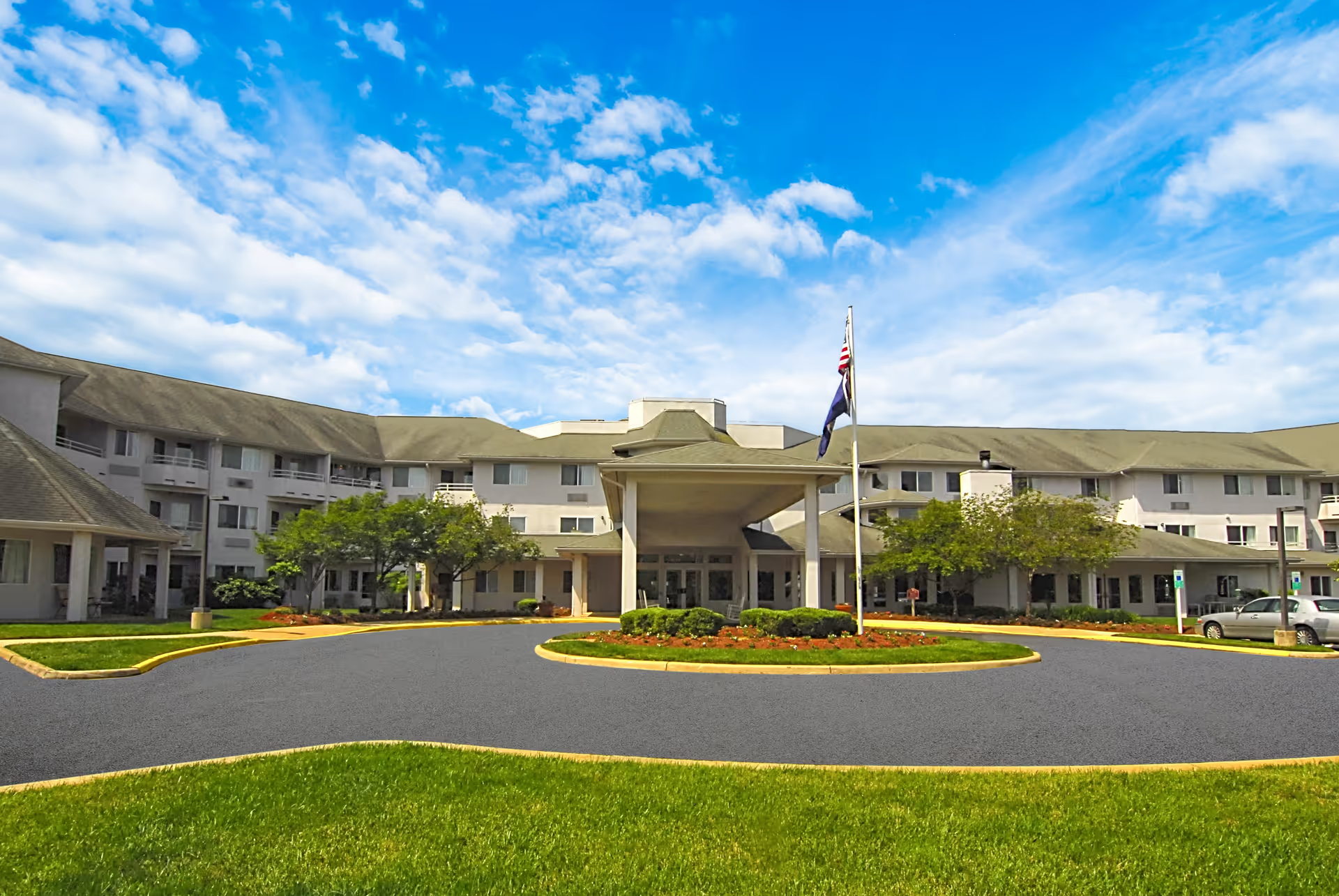
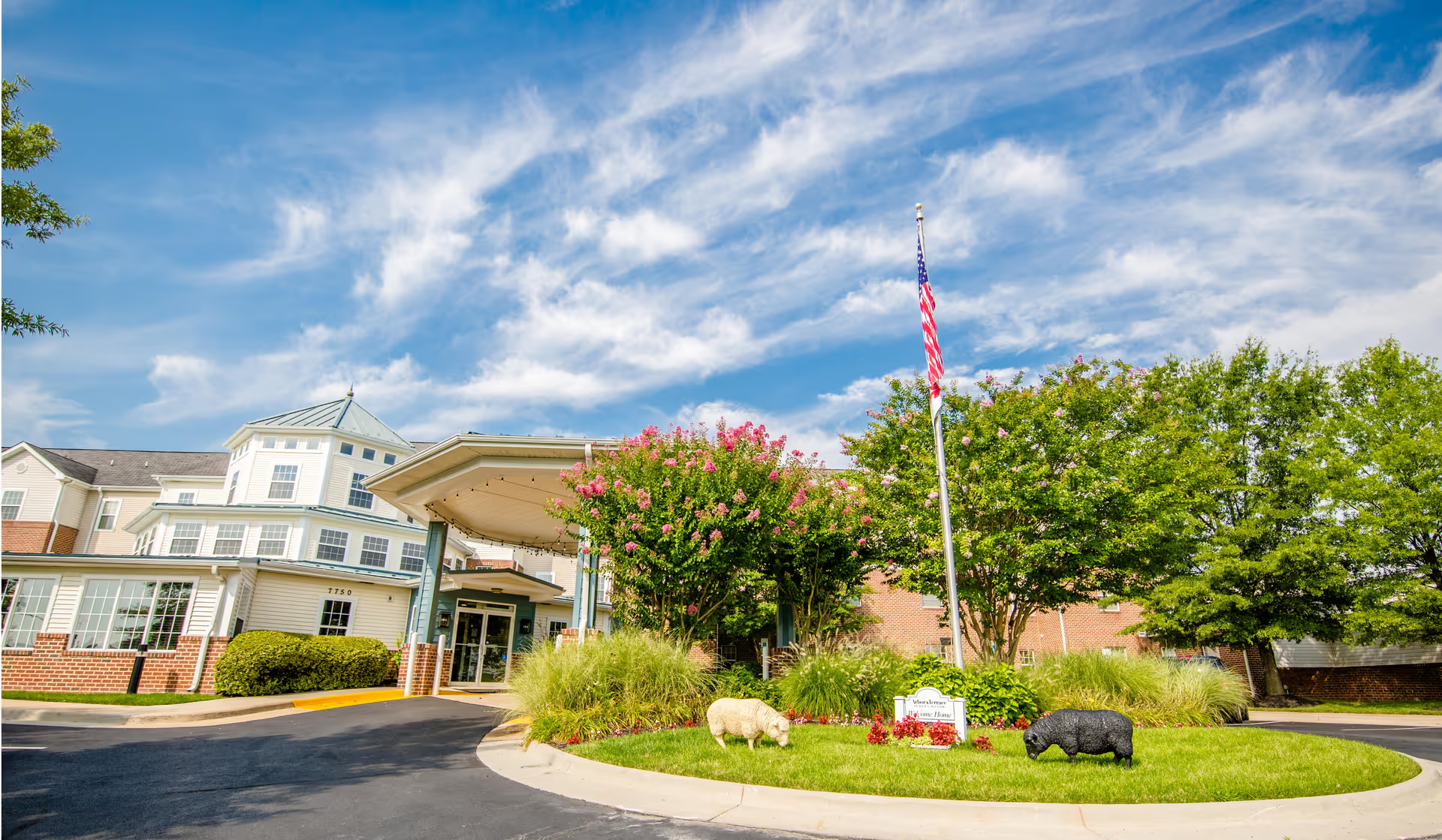
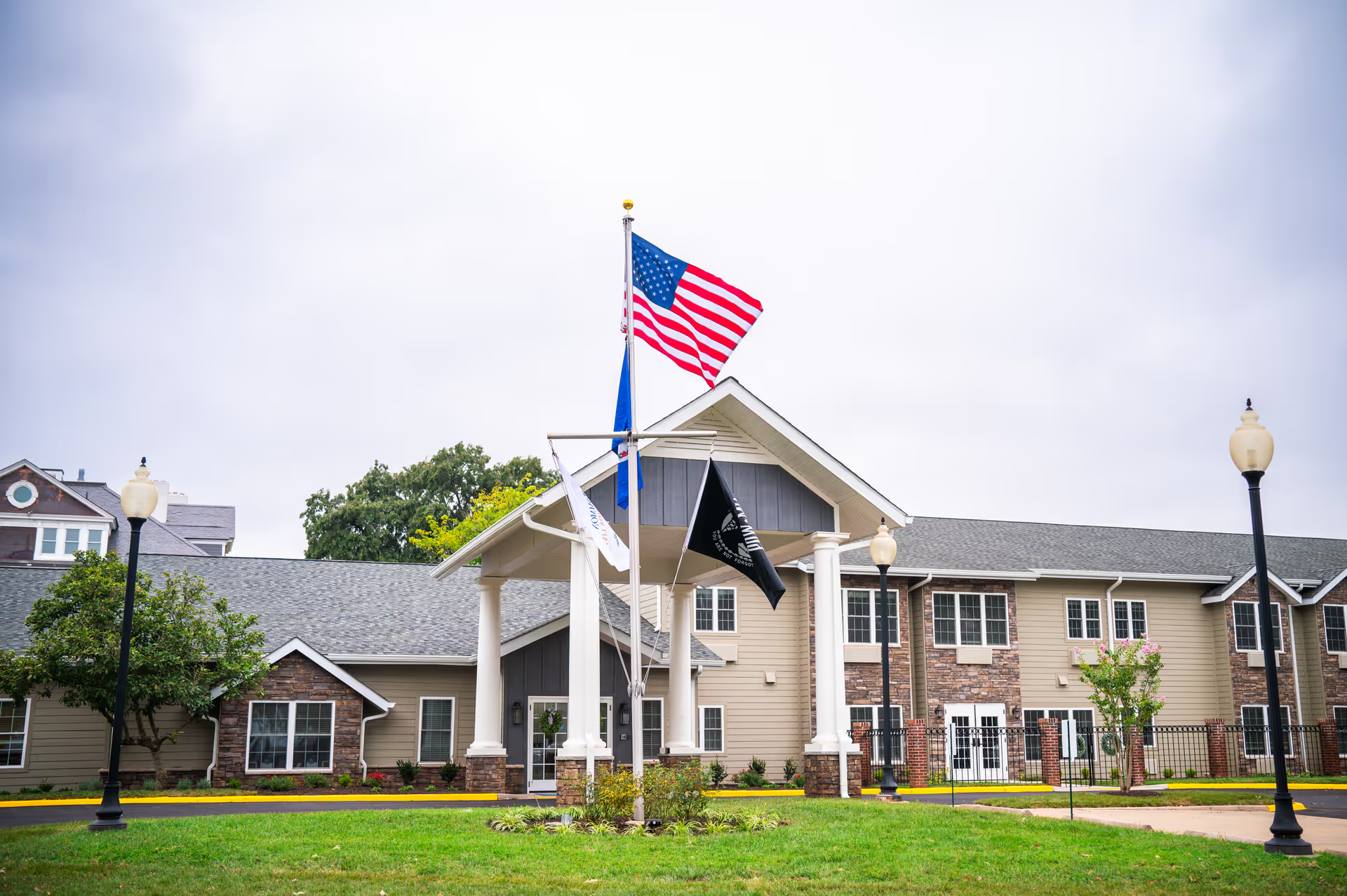
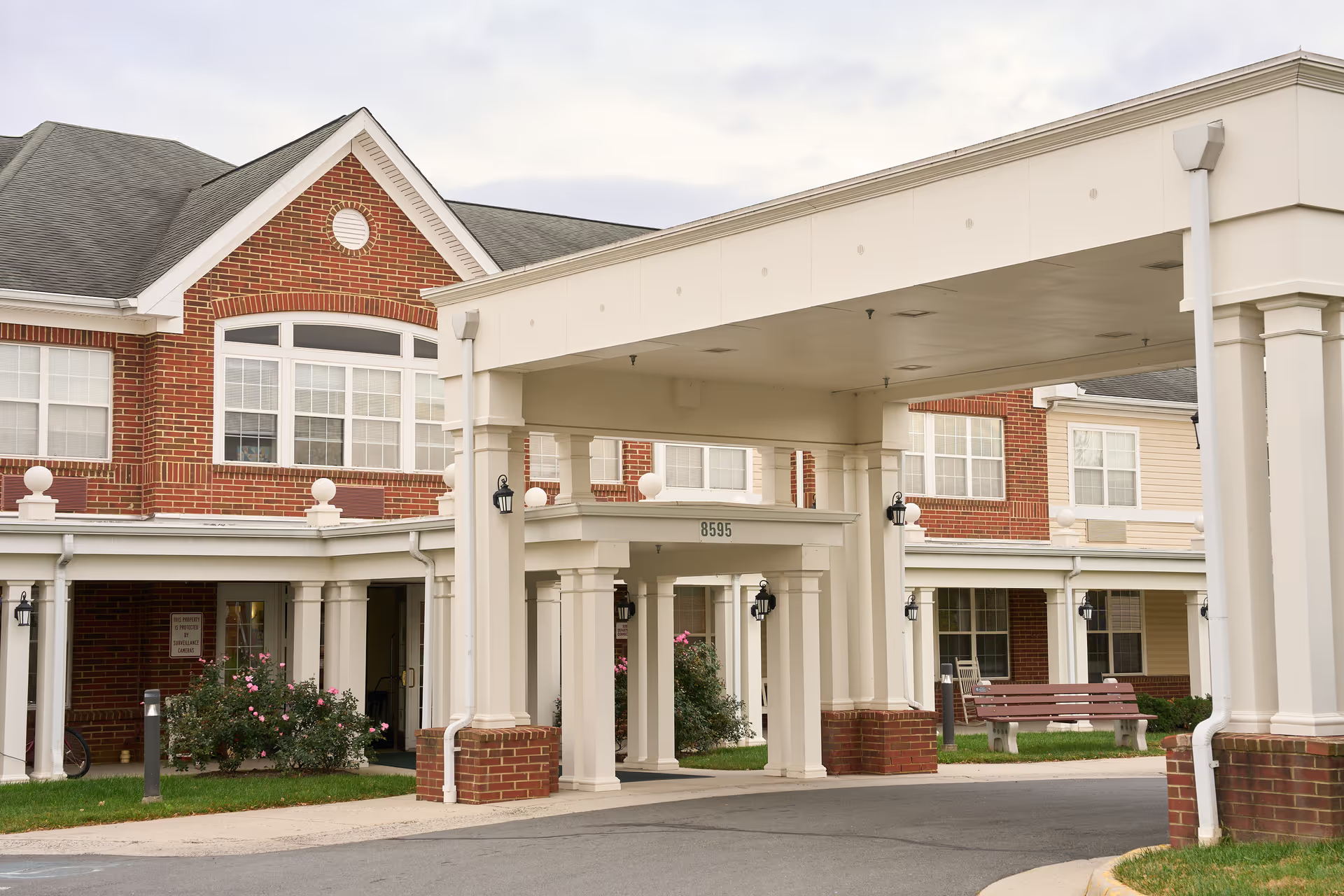
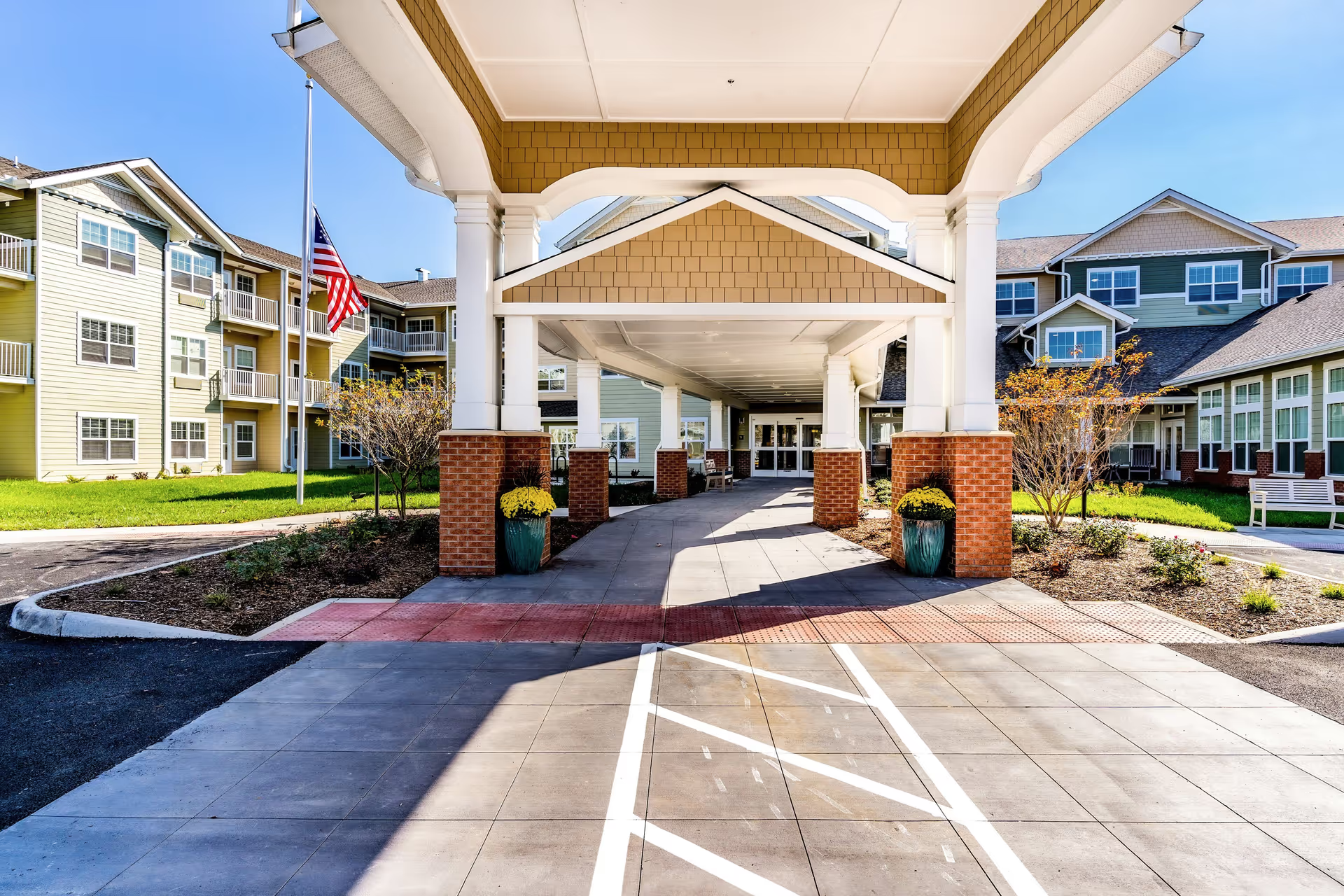
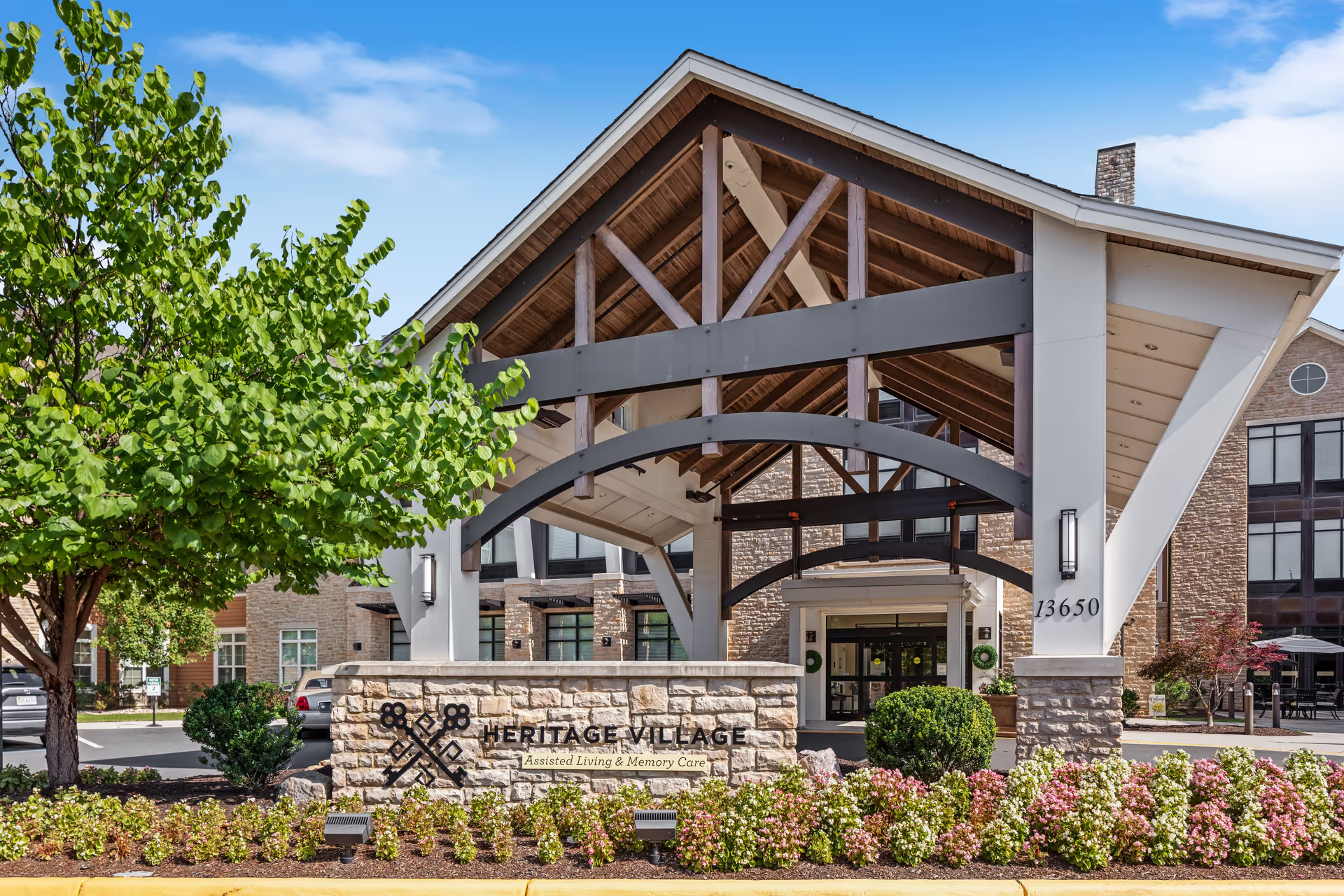
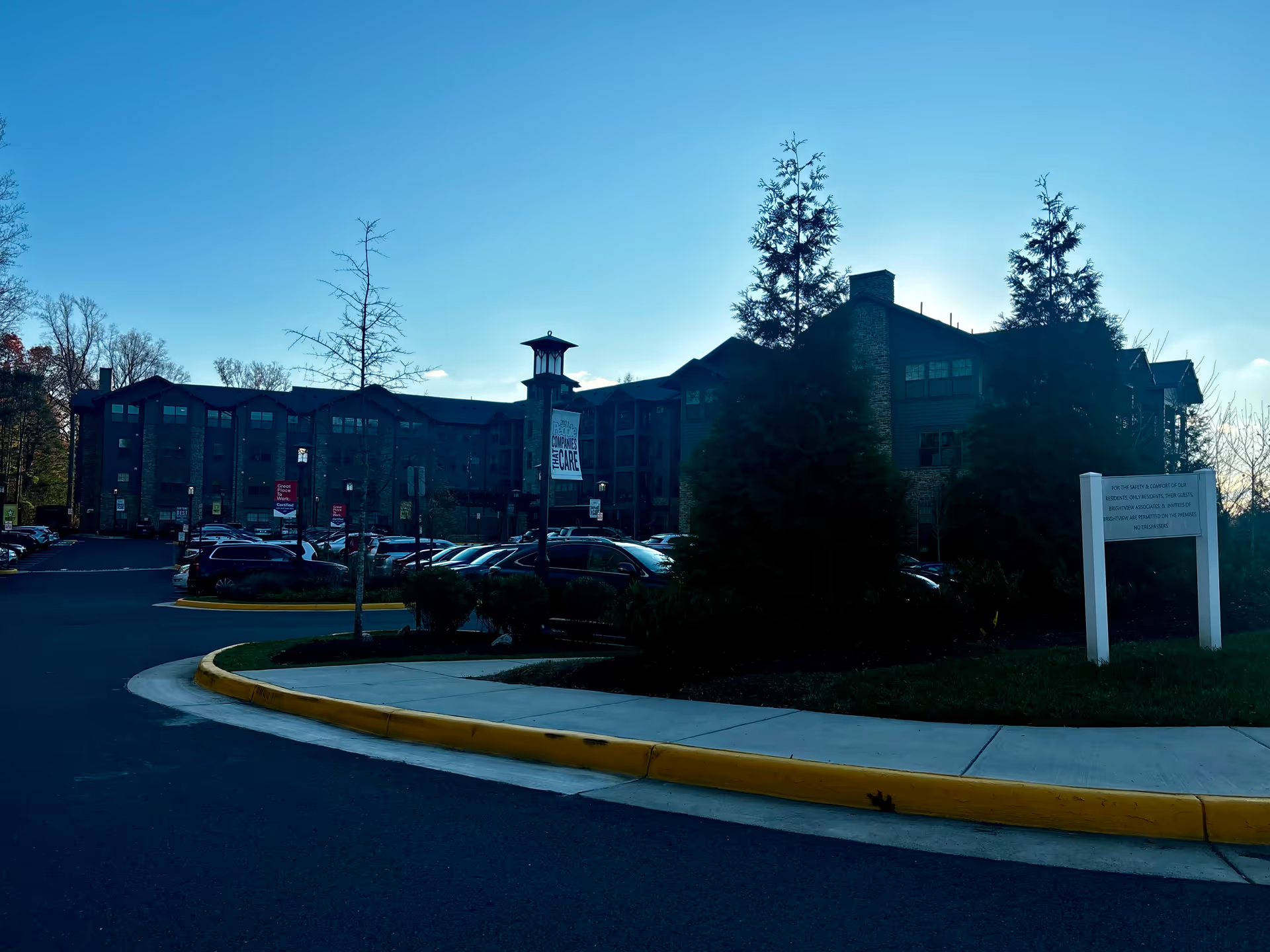
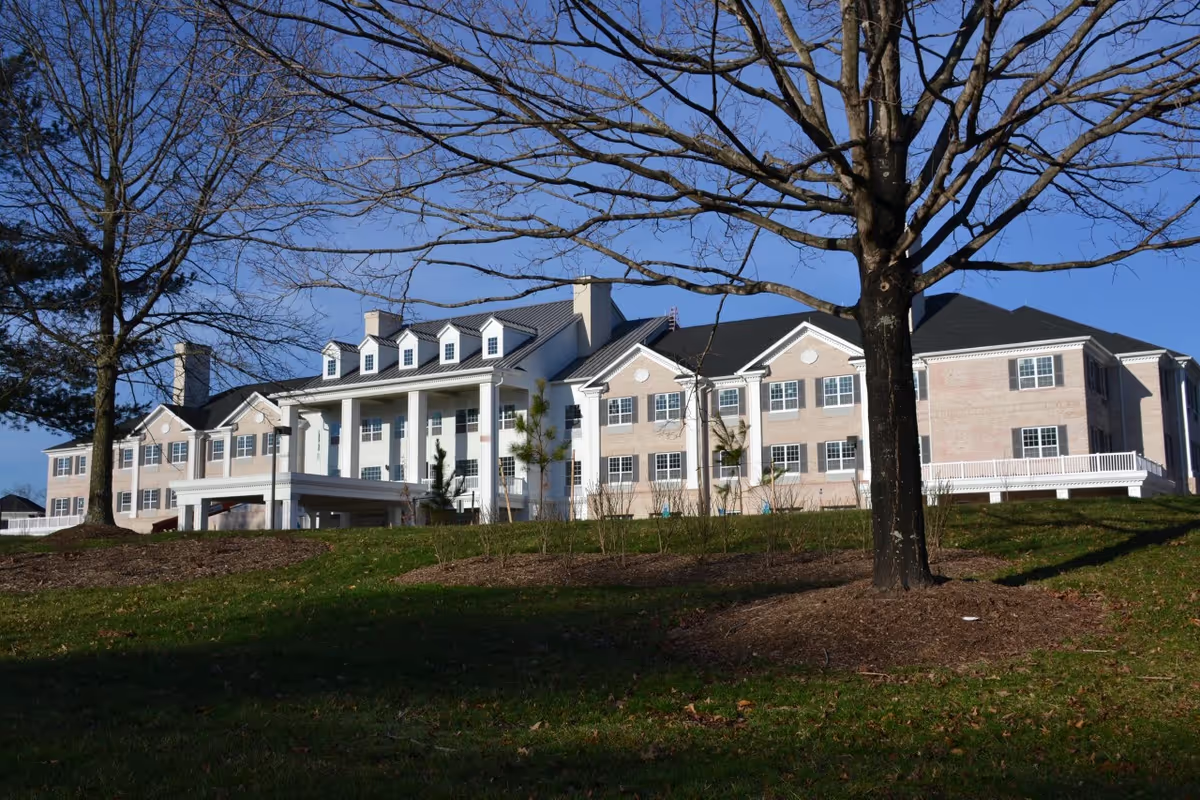
Facilities and accessibility: Physical plant impressions vary by building area. Many praise the bright, modern appearance, large common areas, well-kept landscaping, courtyard for visits, and walking paths. Room options include studios and one-bedroom apartments, some furnished, and some with kitchenettes; move-in assistance and furnished-room options are commonly available. Counterbalancing these positives are notes about older sections that need renovation, small bedroom footprints in some units, restroom lighting or finish issues, and limited elevator capacity—an operational constraint for residents who require frequent mobility assistance. Families should assess the particular building wing and unit for condition and accessibility during a visit.
Management, admissions, and billing: Leadership and admissions experiences are mixed. Several families commended engaged executive leadership and prompt admissions coordination, while others described admissions marketing that overpromised services and slower-than-expected follow-through once enrolled. Billing, deposit, and refund processes were flagged as an area needing clarity; some families reported lump-sum charges and difficulty with refunds. Maintenance and renovation work is underway in parts of the campus, but a maintenance backlog was also noted. There are isolated allegations of inappropriate staff behavior and individual incidents that raise concern about conduct and grievance follow-up; these appear episodic but merit direct inquiry with management about incident reporting and staff supervision.
Notable patterns and guidance: Overall, Paramount Senior Living at Manassas is often described as a warm, activity-rich community with strong CNA-level caregiving and attractive communal spaces. Where the community shows variability is in operational consistency—staffing stability, response times, meal-service steadiness, clinical coordination, and administrative transparency. Prospective residents and families should (1) verify current staffing ratios and weekend coverage, (2) observe call-button response procedures and ask for typical response times, (3) sample routine meals beyond an introductory visit and inquire about dietary accommodations, (4) confirm medication and physician-communication protocols, (5) review billing, deposit, and refund terms in writing, and (6) inspect the specific unit for condition and accessibility. Those prioritizing an active lifestyle, frequent programming, and attentive CNA care will likely find the community appealing; those requiring tightly coordinated clinical oversight or guaranteed elevator/accessibility capacity should perform targeted due diligence.