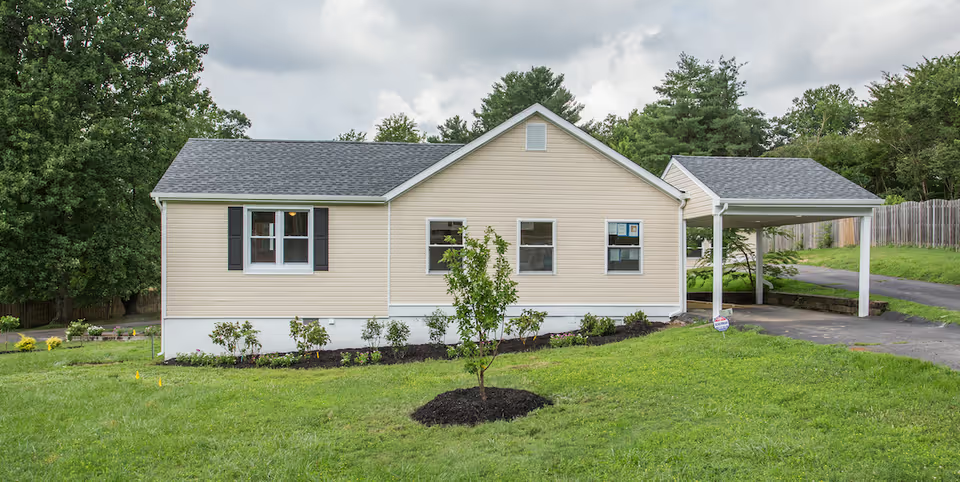
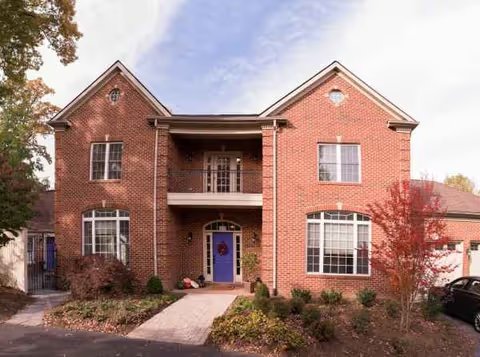
Overall impression Avalon House on Cawdor Court is portrayed primarily as a small, residential-style memory-care home with a strong emphasis on personalized, compassionate caregiving. Many families highlight a homelike atmosphere, a low resident-to-staff ratio, long-tenured caregivers, and staff who are knowledgeable about dementia and end-of-life support. Multiple accounts praise the facility's approachable management, flexible visiting, and a sense of safety and value for the price.
Care and staff The facility receives consistent praise for the demeanor and commitment of caregivers: staff are described as attentive, loving, and able to build meaningful relationships with residents and families. Several families noted individualized attention, daily assistance with dressing and hygiene, and clear comfort measures during end-of-life periods. At the same time, a pattern of staffing pressure emerges in the feedback: caregivers are sometimes described as overworked, which correlates with reports of variable responsiveness and occasional lapses in routine personal-care tasks. Prospective families should inquire about current staffing levels, shift coverage, and caregiver time-off practices to understand day-to-day consistency.
Dining and activities Dining is characterized as home-style with on-site meal preparation and pleasant kitchen aromas; many residents and families found value in the meals. However, satisfaction with food quality and menu variety is mixed—some residents enjoyed the offerings while others found them less appealing. Activity programming appears modest and social in orientation (bingo and shared meals, resident photos and interactions), which suits residents seeking an intimate setting but may feel limited for those needing more structured or varied engagement. Ask about individualized activity plans and how preferences are accommodated.
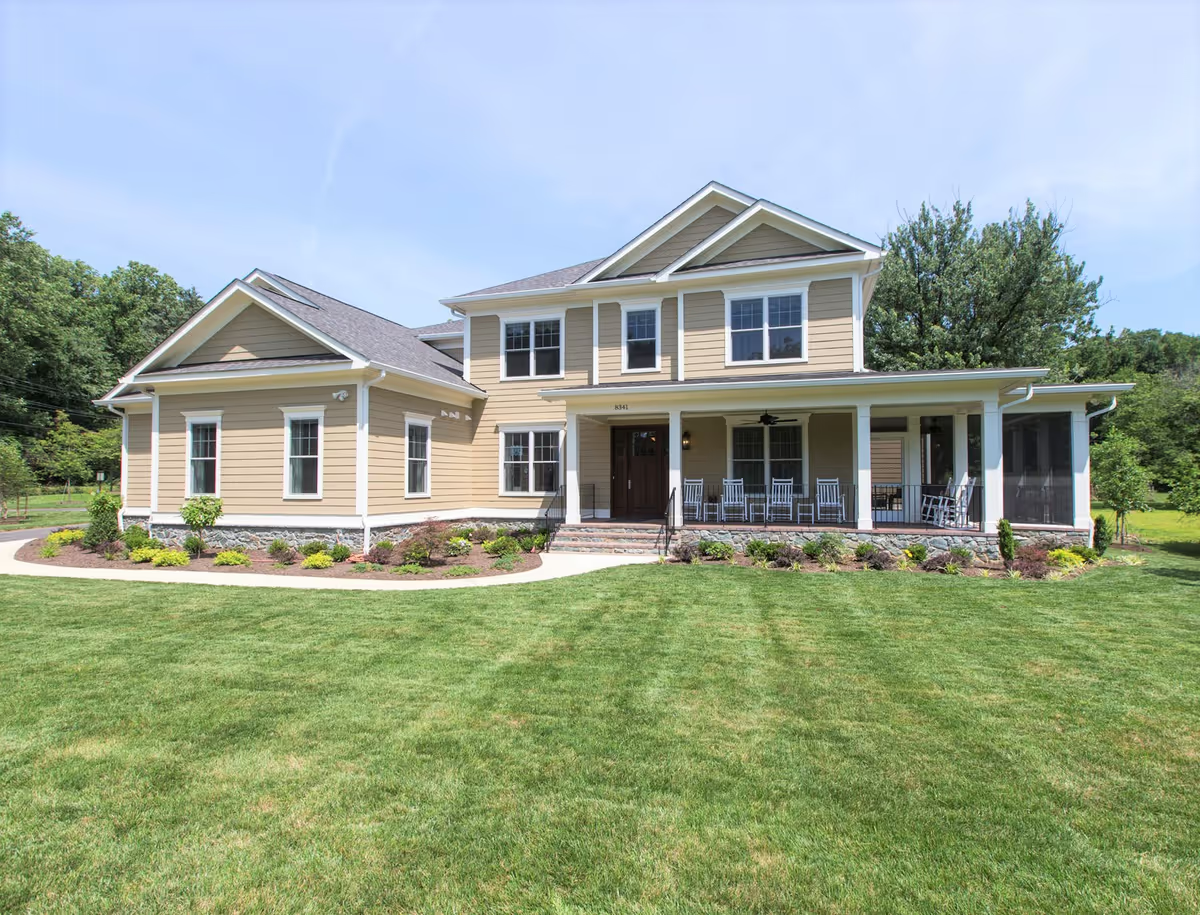
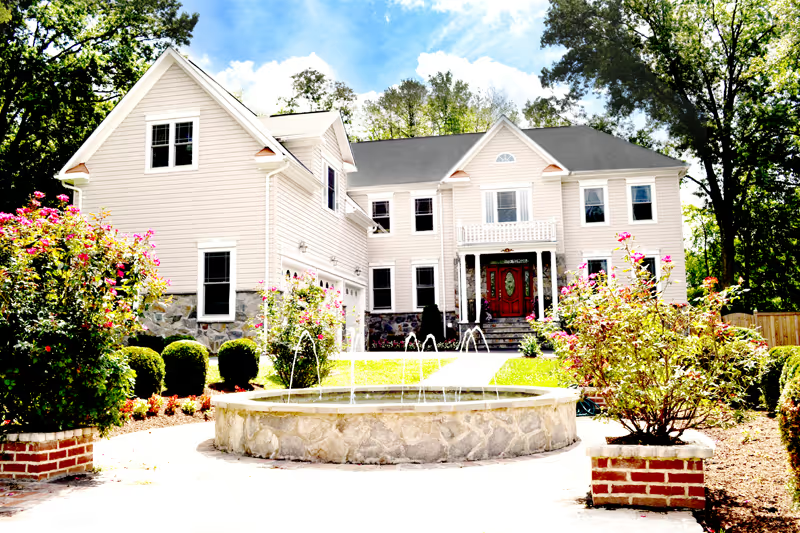
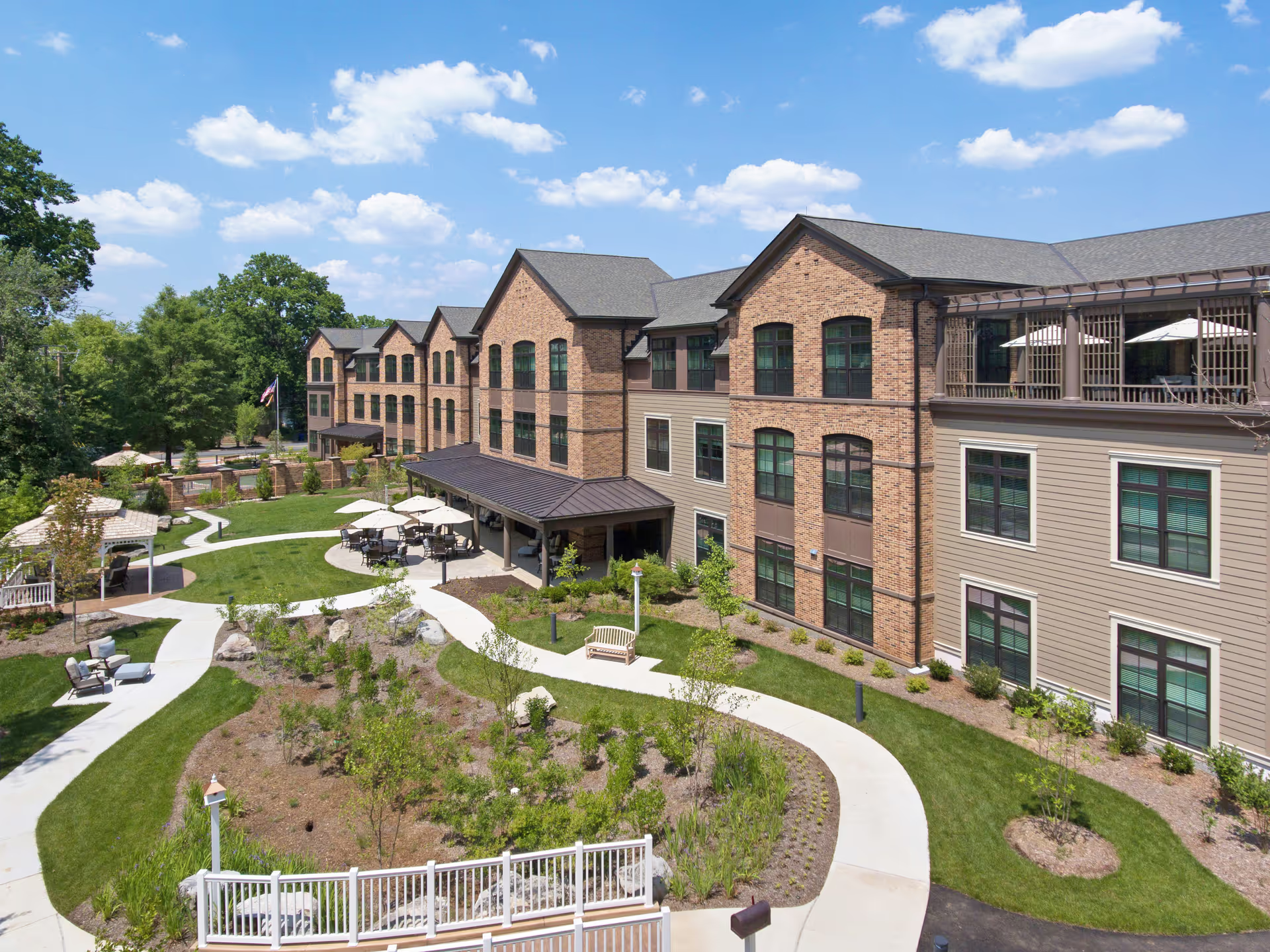
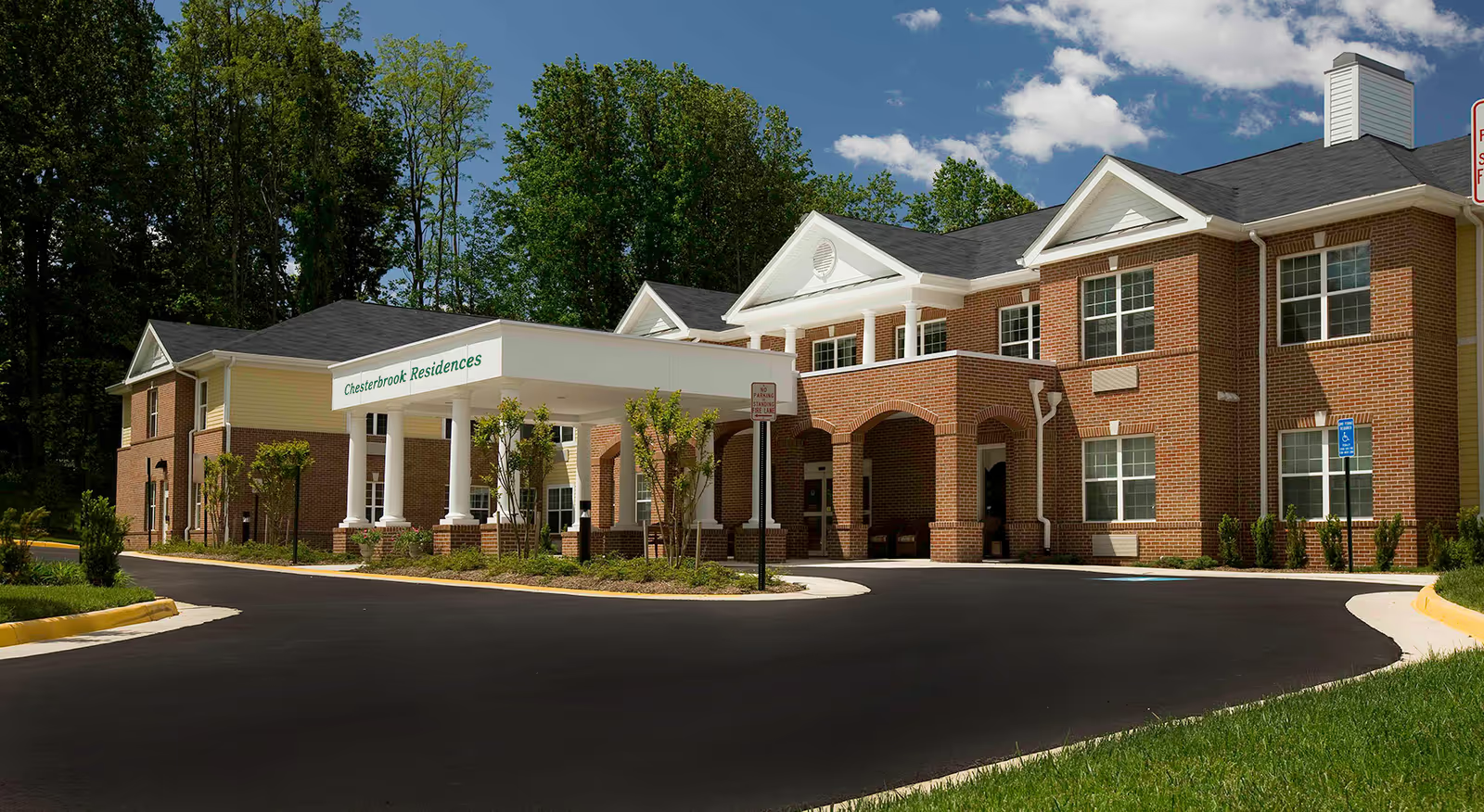
Facilities and cleanliness A majority of accounts describe a clean, well-maintained home in an attractive neighborhood with a private-room feel. Contrastingly, isolated but serious sanitation and maintenance concerns were raised in a small number of accounts; these describe uneven cleanliness and responsiveness across shifts. This suggests variability in operational execution rather than uniform conditions. Prospective visitors should tour the home at different times of day and ask about sanitation protocols, shift handoffs, and oversight procedures.
Clinical coordination and communication Most families reported clear, reassuring interactions with staff and owners, including good communication and responsiveness to routine needs. Nevertheless, other accounts indicate gaps in clinical-care coordination, end-of-life follow-through, and family communication about changes in condition. These are operational weaknesses that can affect outcomes when medical issues arise. It is advisable to review care-plan communication practices, emergency protocols, and how outside clinical services (e.g., hospice or visiting clinicians) are coordinated.
Recommendation and next steps for families Avalon House may be a good fit for families seeking a small, home-like environment with personalized dementia expertise, strong caregiver–resident relationships, and flexible family access. Families who prioritize consistent clinical oversight, robust activity programming, and highly consistent sanitation practices should address those topics directly during a visit. Recommended questions include: current staffing ratios and relief coverage, daily personal-care routines, examples of activity schedules, meal accommodation processes, sanitation and infection-control protocols, and how clinical incidents are escalated and communicated to families.