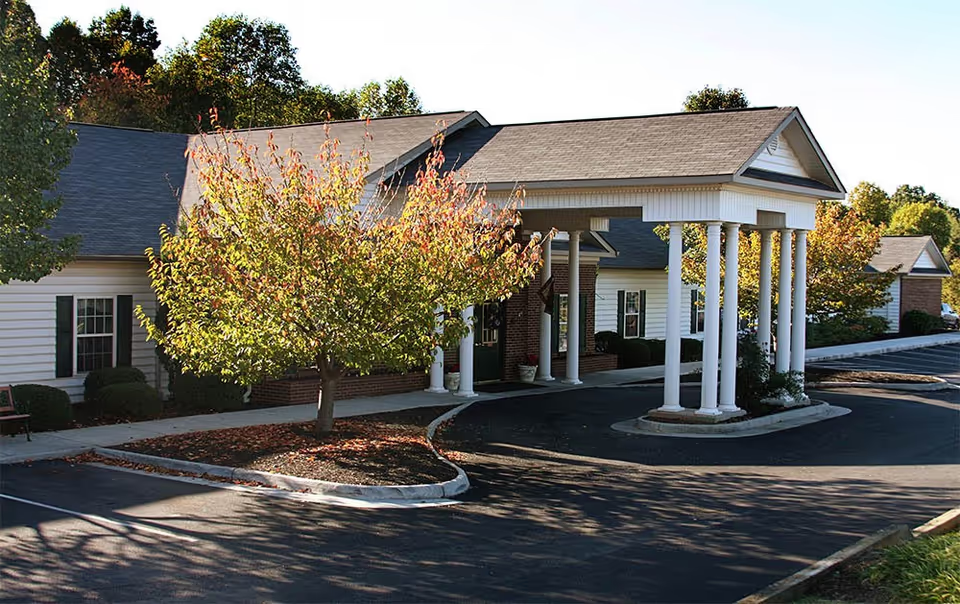
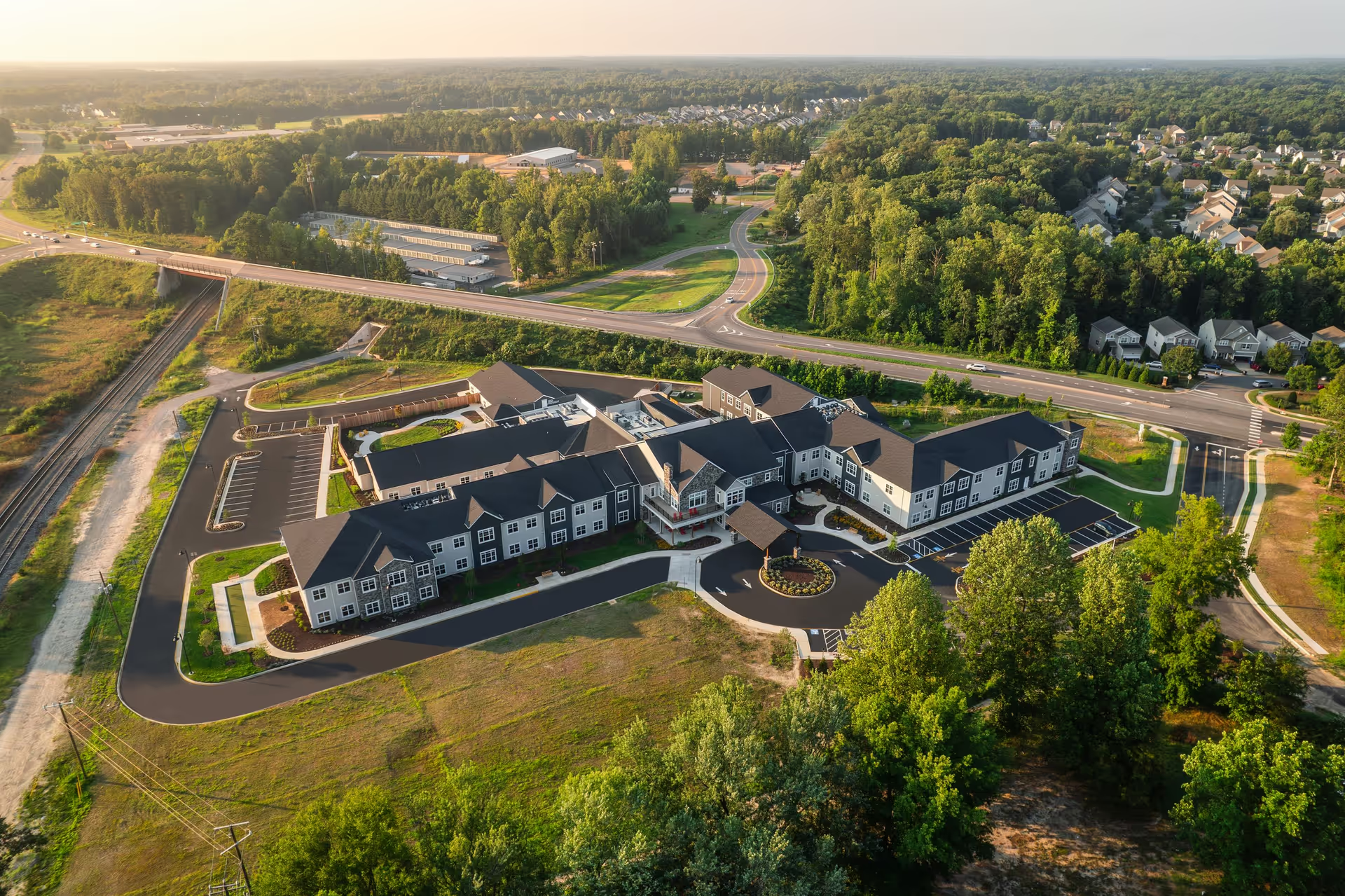
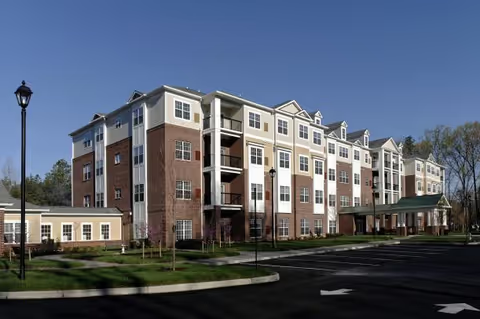
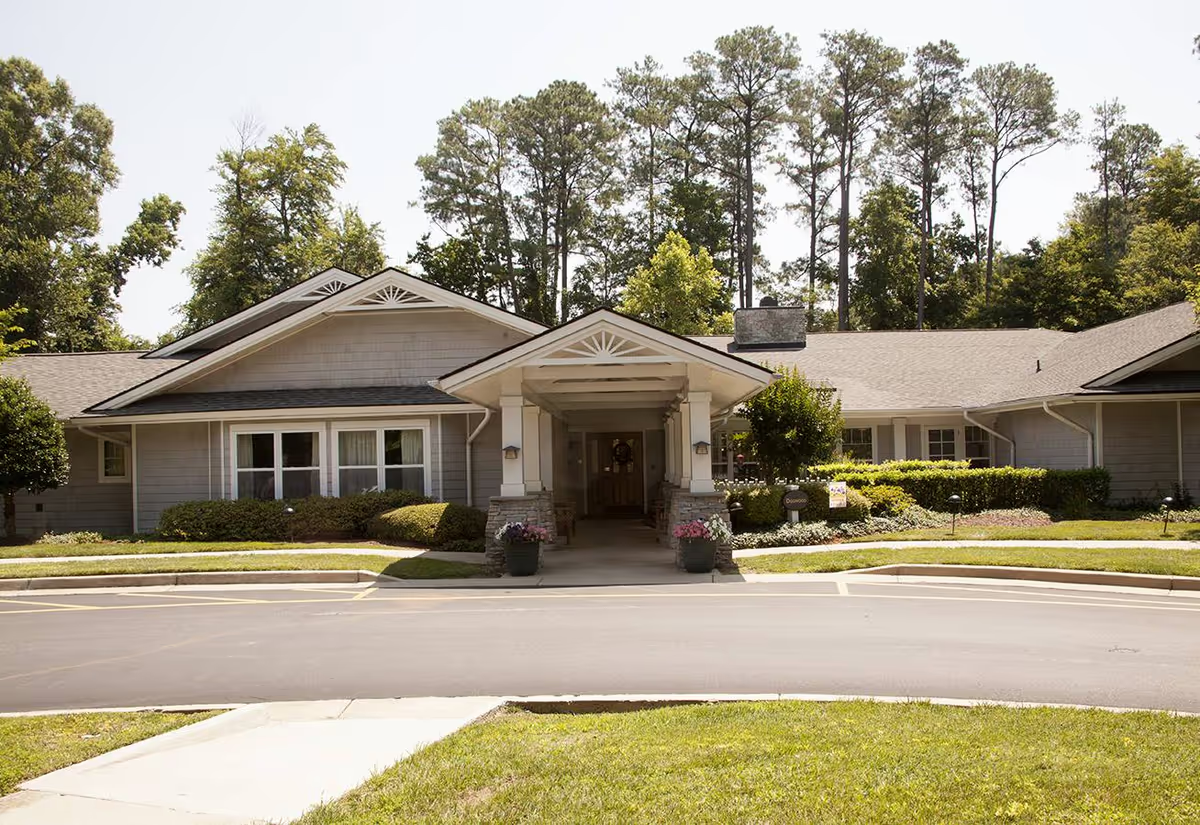
Autumn Care of Mechanicsville presents a mixed profile. The facility consistently receives high marks for its rehabilitation services: inpatient therapy staff (PT/OT) are frequently described as knowledgeable, hardworking, and effective at individualized recovery goals. Families and patients commonly praise the therapy teams for improving mobility and preparing residents to return home. The facility's physical environment — clean interiors, large rooms, attractive grounds, and an odor-free common area in many accounts — is also a recurring strength.
Clinical care quality appears uneven. Several reviewers commended nursing and CNA staff for compassionate, attentive care; however, an equal number described inconsistent nursing performance and operational gaps. Specific clinical concerns include delayed response to low oxygen saturations, inconsistent administration of breathing treatments and inhalers, and medication-management lapses. These items suggest variability in clinical oversight and protocol adherence across shifts and units. For higher-acuity residents (oxygen-dependent, cardiac, renal, or complex diabetic needs), families described a need to verify clinical staffing and escalation procedures before admission.
Operational and safety patterns merit attention. Chronic understaffing and workload pressure were frequently associated with slow call-bell responses, delayed assistance with toileting and bathing, and limited visibility of aides on some shifts. Incontinence-care and sanitation inconsistencies were described in multiple accounts, as were unsecured medication storage and isolated concerns about staff conduct or professionalism (personal-device use, distracted staff, and occasional poor tone). Several reviews also described uneven discharge planning and communication lapses — e.g., unclear timelines, discharge confusion, and discarded personal items — highlighting gaps in care coordination and family engagement at transition points.
Dining and daily life show polarity. Some families appreciated the food selection, flexible dining options, snacks, and the ability to request alternatives; others cited repetitive menus, cold or late meals, and issues with tray service. Activities programming is generally cited as a positive feature: social events, music, holiday activities, and structured programming were noted as contributing to resident engagement. Weekend staffing and therapy frequency appear more limited, which may affect continuity of therapy and activity access for residents admitted over weekends.
Management and culture items are mixed. Reviewers highlighted several helpful and professional administrative staff members and social-service personnel who assisted with aftercare and placement. At the same time, some families described a decline in consistency after organizational changes, and a number of comments point to a need for clearer admission orientation, stronger managerial oversight, and more consistent enforcement of policies (infection-control, medication security, visitation flexibility).
Practical considerations for prospective families: Autumn Care of Mechanicsville appears well suited for time-limited inpatient rehabilitation and for residents who will benefit from an active therapy program and an attractive, clean environment. For long-stay or higher-acuity residents, families should ask specific questions about nurse-to-resident ratios, call-bell response metrics, medication and oxygen protocols, incontinence and bathing schedules, weekend therapy availability, and steps management takes to secure medications and address sanitation issues. Visiting during different shifts and speaking directly with therapy, nursing leadership, and social services can help clarify whether the facility’s operational practices align with a prospective resident’s clinical and personal needs.