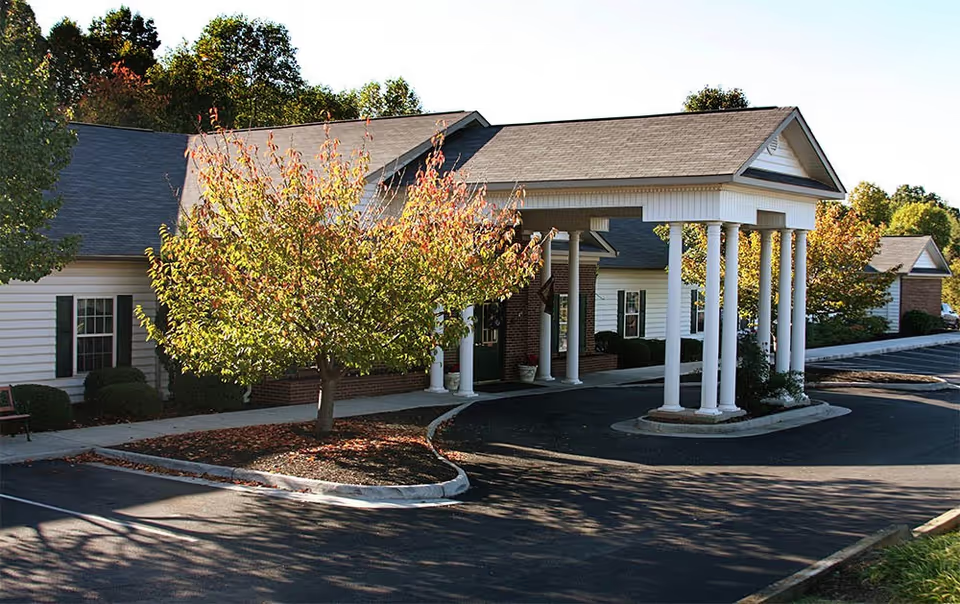
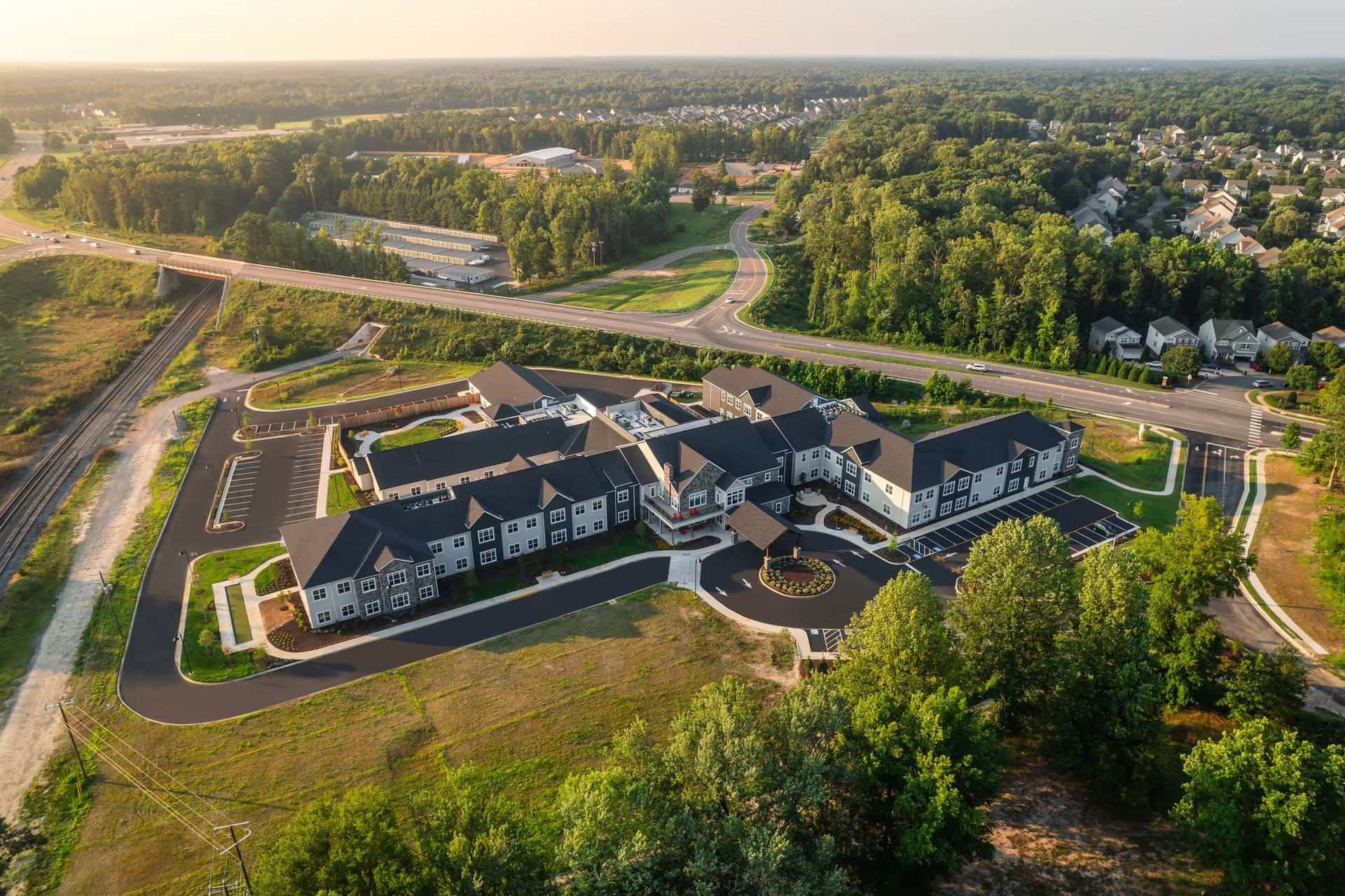
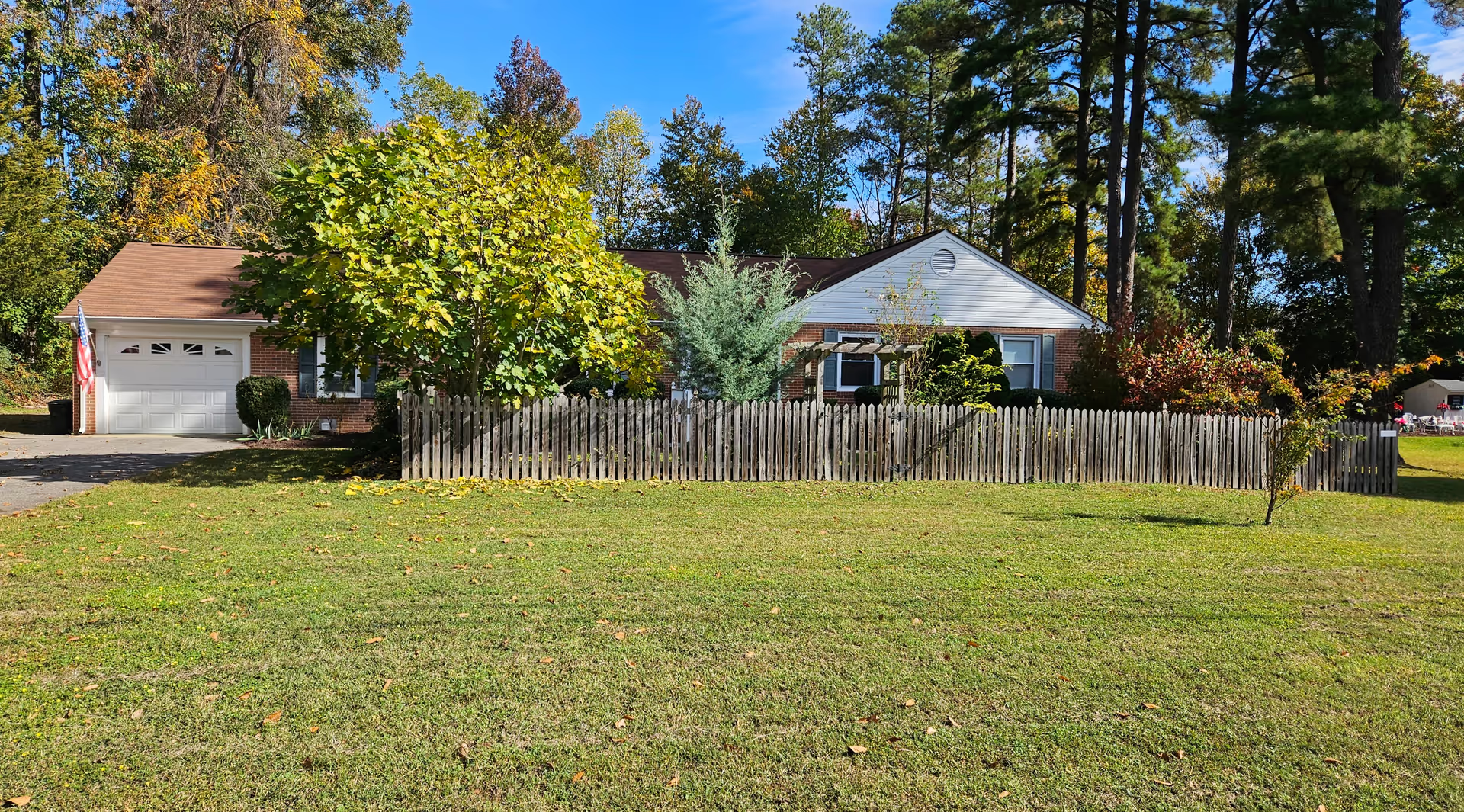
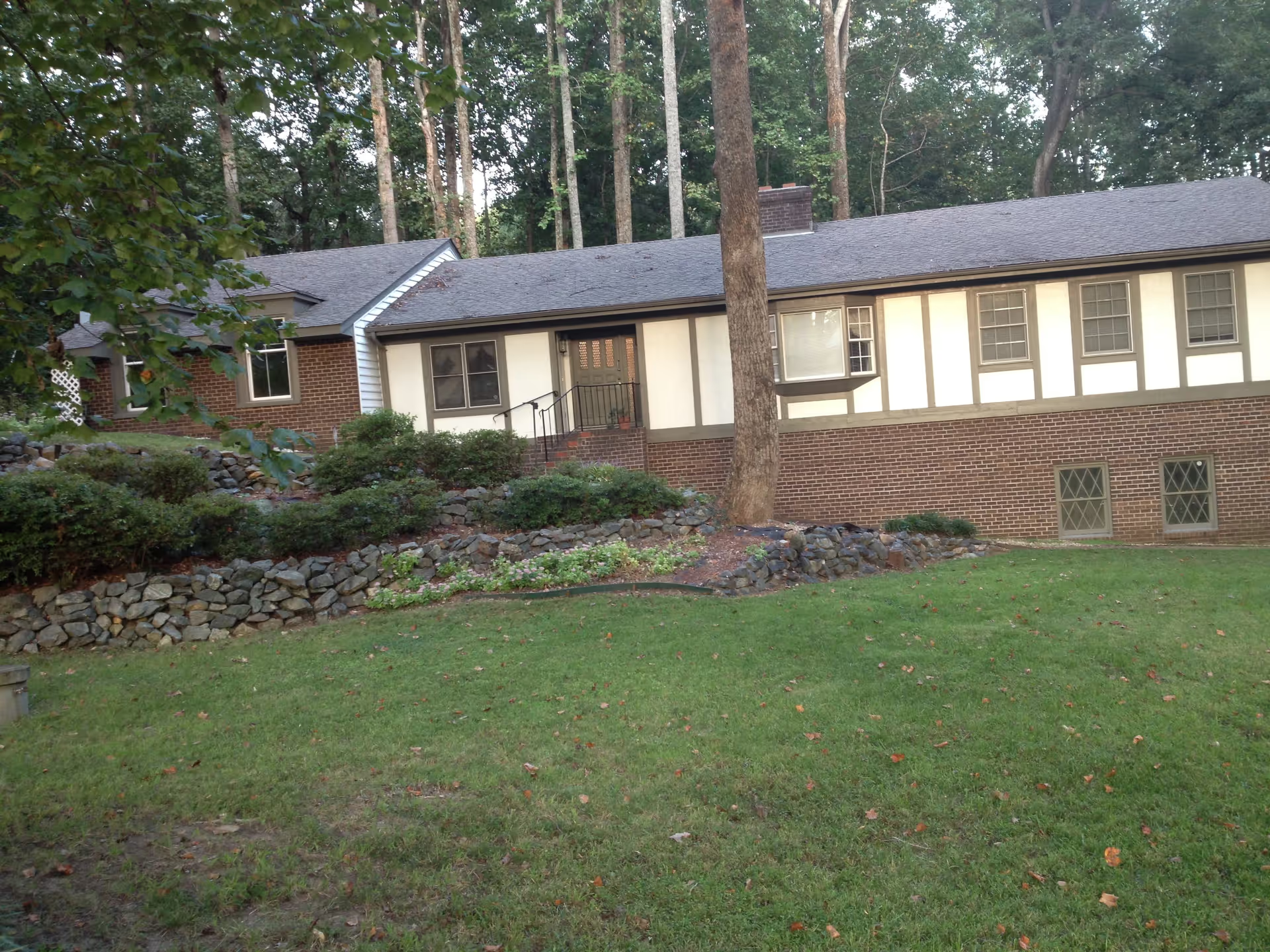
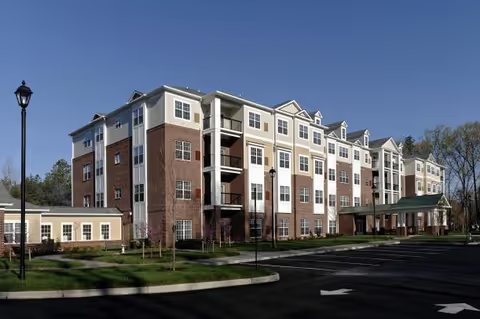
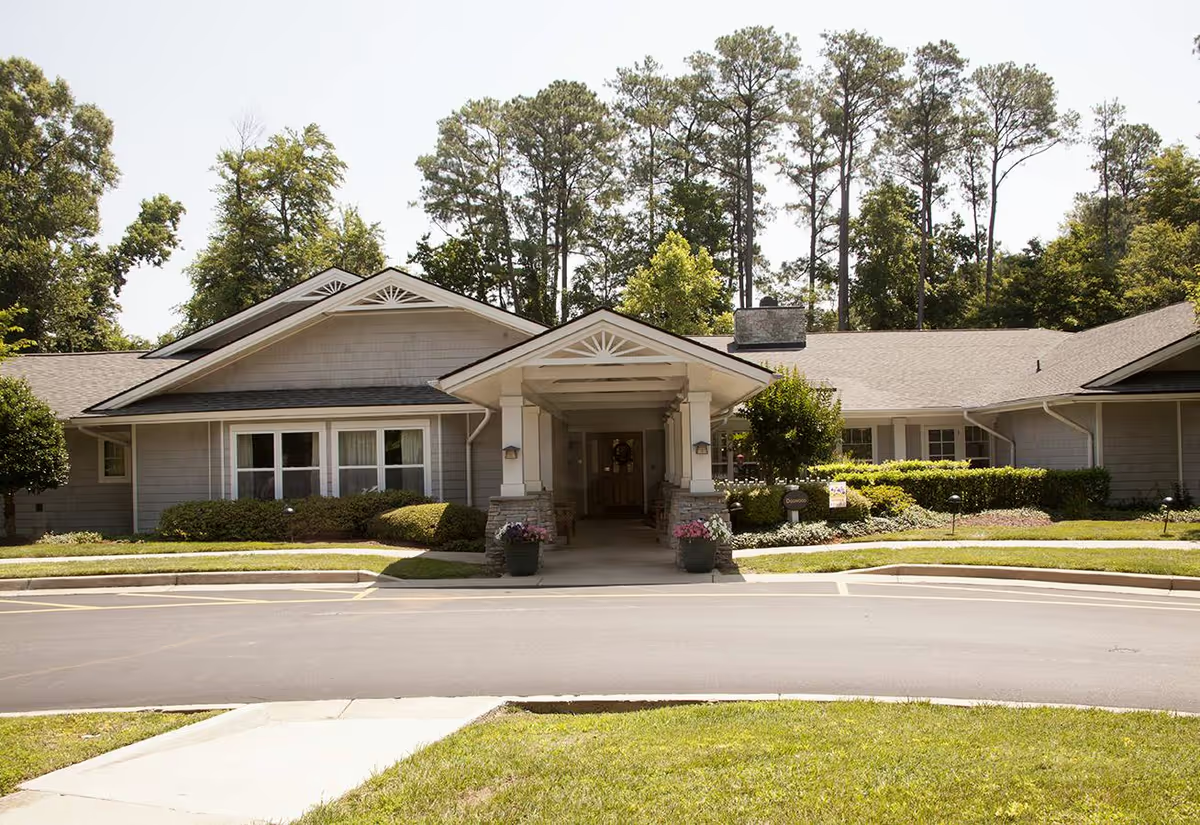
Covenant Woods is consistently described as a high-amenity continuing-care community with a large, attractive campus and strong lifestyle offerings. Reviewers frequently praise the grounds, outdoor trails and pond, renovated interiors, and variety of housing choices such as cottages and apartments. Dining is a prominent strength: multiple on-site restaurants, a farm-to-table program with gardens, and many comments characterizing the food as restaurant-quality and consistently delicious. The activities calendar — from art studios to exercise classes and social events — and the social environment are commonly cited as positives that contribute to resident engagement and satisfaction.
At the same time, there is a clear pattern of clinical and operational concerns centered largely on assisted living and memory-care levels. Several families described inconsistencies in clinical care, including deviations from medical plans, medication-management issues, and instances of delayed responses to resident needs. These operational gaps have been associated with safety events such as falls and with families seeking supplemental private nursing support. Some reviewers explicitly noted insufficient nurse coverage on certain shifts and broader staffing shortages and turnover that appear to affect continuity of care.
Staff and culture descriptions are mixed. Many reviews highlight compassionate, personable caregivers and professional, helpful staff in sales, dining, and maintenance. Positive accounts emphasize genuine resident relationships and responsive service during emergencies. However, other accounts raise concerns about staff conduct, inconsistent professionalism, and uneven responsiveness from administration. There is also a recurring theme about perceived differences between marketing or sales assurances (including life-care expectations) and the actual level of clinical support provided in higher-acuity units.
Dining, activities, and facilities are the community’s strongest, most consistent positives: varied dining venues, fresh produce from on-site gardens, well-attended programs, and attractive common areas. Operationally, the most significant risks for prospective residents and families relate to clinical-care consistency, staffing levels in healthcare units, medication and care-plan adherence, and communication from administration during incidents. A small number of reviewers referenced serious clinical incidents that prompted external attention; those comments elevate the importance of reviewing clinical processes and oversight during any decision-making process.
For prospective residents and families, the reviews suggest a two-part evaluation approach: independently assess the lifestyle, food, activities, and campus amenities (areas where the community often excels), and separately evaluate the healthcare unit you expect to use. Observe staffing levels, nurse-to-resident ratios, medication-administration procedures, and how the team communicates with families about clinical concerns. Those steps will help balance the community’s substantial lifestyle strengths against its operational variability in higher-acuity care.