Sancerre Atlee Station presents a clear dichotomy across visitor and family impressions: the physical environment and many frontline caregivers receive strong praise, while operational leadership, communication, and some aspects of clinical consistency generate concern.
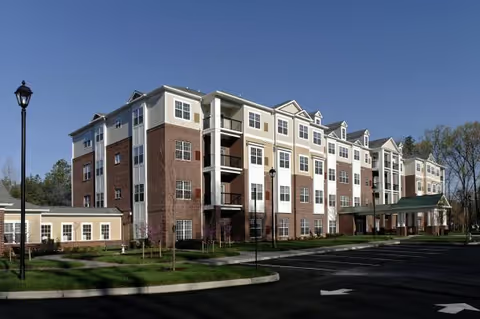
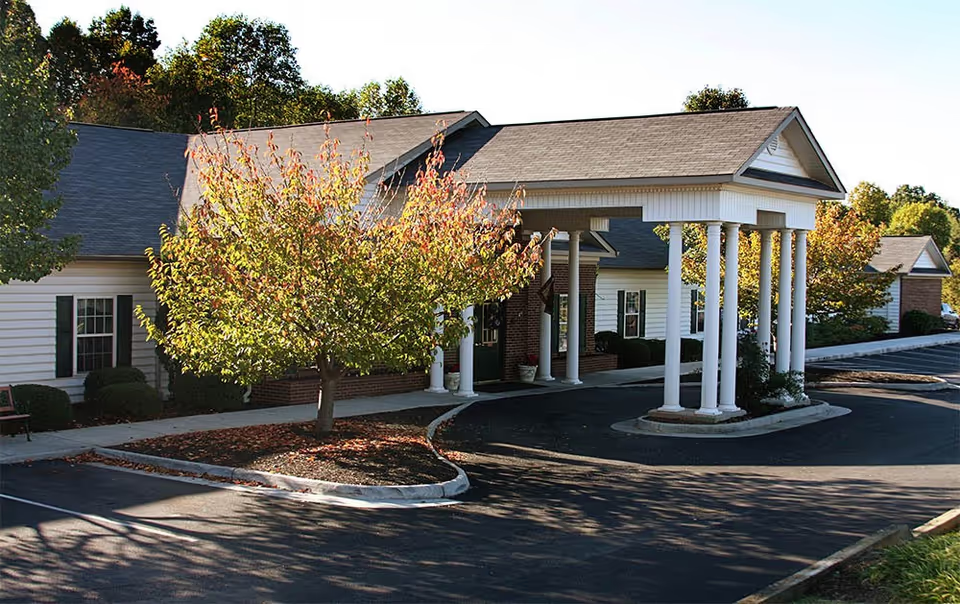
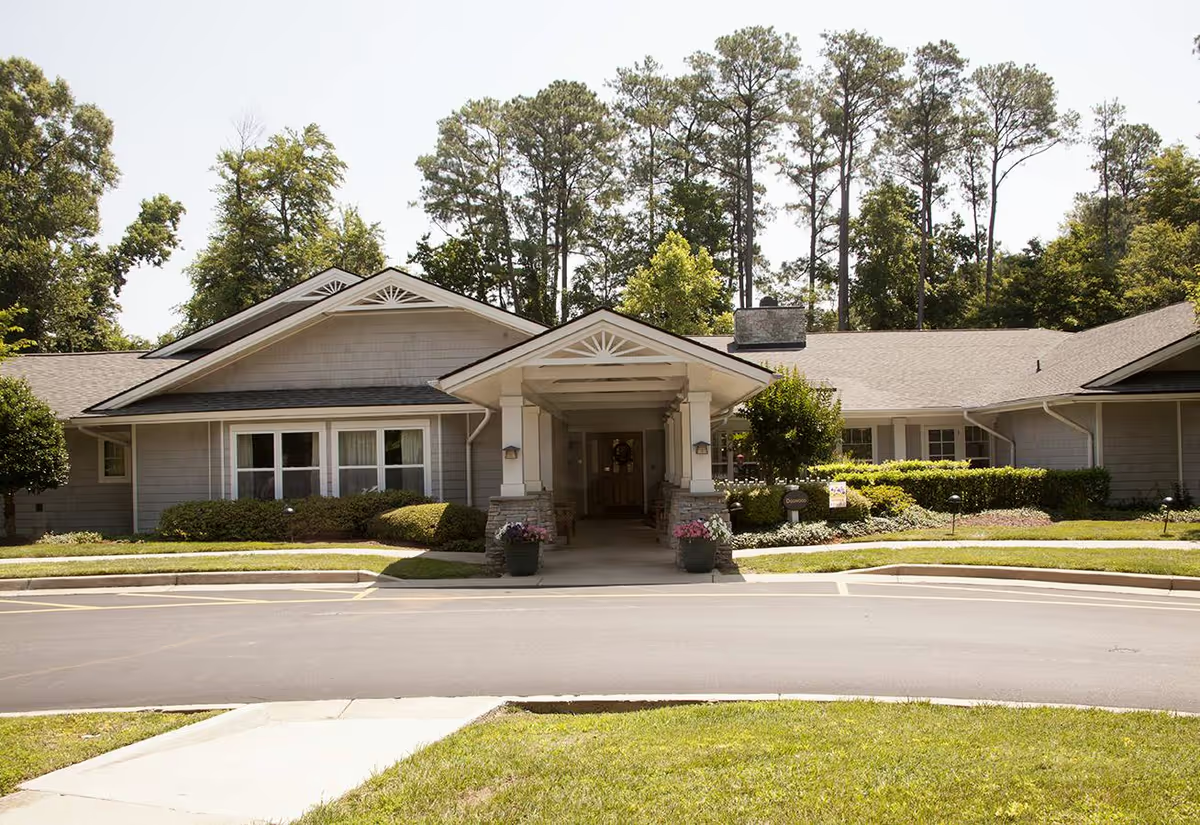
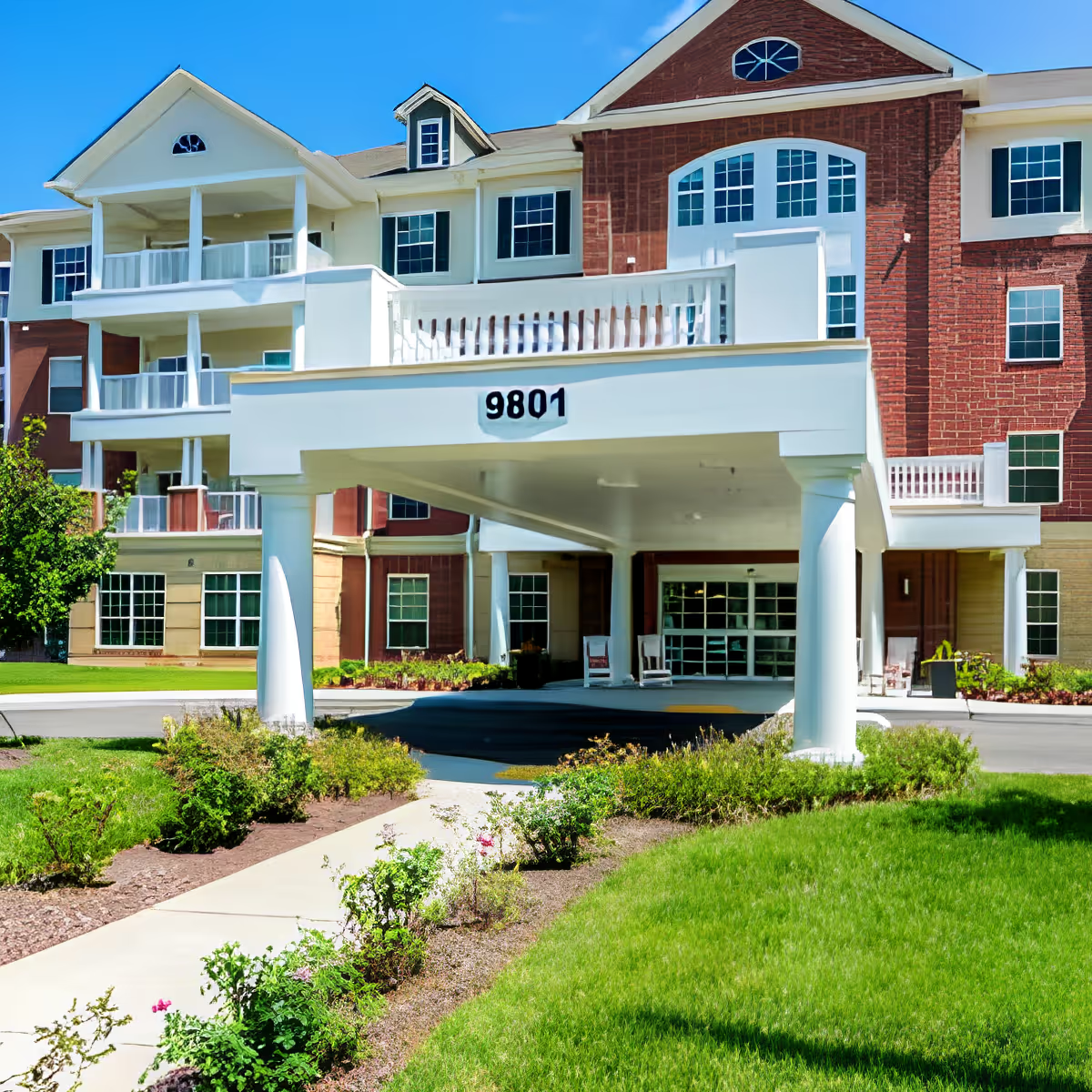
Facilities and lifestyle: The community is frequently described as attractive, bright, and well maintained, with a luxury-hotel feel. Outdoor seating areas, landscaped grounds, and thoughtfully designed common spaces contribute to a home-like atmosphere. Apartments are noted as spacious and practical for independent living, with kitchenettes and in-unit laundry in many units. Move-in experiences are often characterized as smooth, and the location and ease of access to local conveniences are seen as positives.
Staff and care: Frontline staff — including nursing, lifestyle, dining, and housekeeping teams — are commonly described as warm, compassionate, and resident-focused. Families and volunteers highlight personalized attention, engaging one-on-one interactions, and examples of staff going above and beyond. At the same time, multiple accounts point to operational staffing shortfalls and turnover. These workforce issues are linked to longer wait times, uneven service delivery, and variability in clinical follow-through. There are also isolated but serious concerns about staff conduct and the need for stronger training and oversight; in at least one instance reviewers expressed allegations of discriminatory conduct and questionable handling of incidents, which suggest the facility should clarify its staff accountability and training processes.
Clinical quality and safety: Some families praise responsive nursing and effective care coordination, while others describe gaps in medication administration, inconsistent clinical follow-up after falls or incidents, and unclear documentation of daily care (for example, whether meals were eaten or medications taken). Memory-care suitability is a recurring area of concern for prospective families seeking specialized dementia support; reviewers advise verifying dementia-care protocols, staffing ratios, and safety measures before placement. Several accounts also note weaknesses in incident escalation and regulatory interactions, indicating a need for clearer processes around safety events and family notification.
Dining and housekeeping: The culinary team earns considerable positive attention for flavorful, varied menus and chef-driven offerings in many reviews. Conversely, some families report inconsistent meal quality, long dining wait times, and specific dining-service lapses. Housekeeping and maintenance are generally viewed positively, though sanitation and pest-control concerns were raised in isolated reports that merit review by management.
Management, communication, and value: Operationally, the most consistent criticisms center on management responsiveness, transparency, and communication systems. Families cite difficulty reaching executive leadership, promised resident-family communication tools that were delayed or not delivered, and limited routine updates about clinical status and activities. Billing and invoice access problems — including unclear charges and delayed invoices — have also been highlighted, contributing to a perception of high cost without clear value. Prospective residents should review contracts carefully and request explicit billing and communication protocols.
Notable patterns and recommendations: In summation, Sancerre Atlee Station combines a strong physical product and many dedicated frontline staff with operational weaknesses that affect family confidence and continuity of care. Prospective residents and families will likely appreciate the environment and many staff interactions, but should conduct targeted due diligence: ask for current staffing ratios, memory-care programming details, documented clinical protocols for medications and incident response, a copy of recent inspection or investigation outcomes if applicable, and a clear written explanation of billing practices and family communication plans. These steps can help determine whether the facility’s strengths align with a prospective resident’s clinical needs and family expectations.