The reviews present a mixed but broadly informative picture of Coles Retirement Home. Many comments emphasize strong direct-care strengths: staff are described as caring, attentive, and hardworking, with a focus on prioritizing resident needs and a willingness to improve operations. Several reviewers characterized the facility environment positively, and multiple people expressed overall satisfaction with the care and day‑to‑day experience.
Care quality and staff: Direct-care interactions are a clear strength in the available feedback. Reviewers used terms such as attentive, personable, and responsive to describe caregivers, and indicated that resident needs are prioritized. At the same time, the pattern of feedback suggests variability in experience depending on the staff member or shift. While some families report consistently positive engagement, others encountered less professional telephone or reception interactions; this points to inconsistency in front-line communication rather than a uniform care failure.
Dining and activities: Review comments do not provide substantive detail about dining quality, menus, or the activity program. There is no specific praise or criticism in these areas in the provided summaries. Prospective residents and family members should request current menus, sample meals if available, and an activity calendar to evaluate these important quality-of-life domains during a tour.
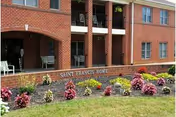
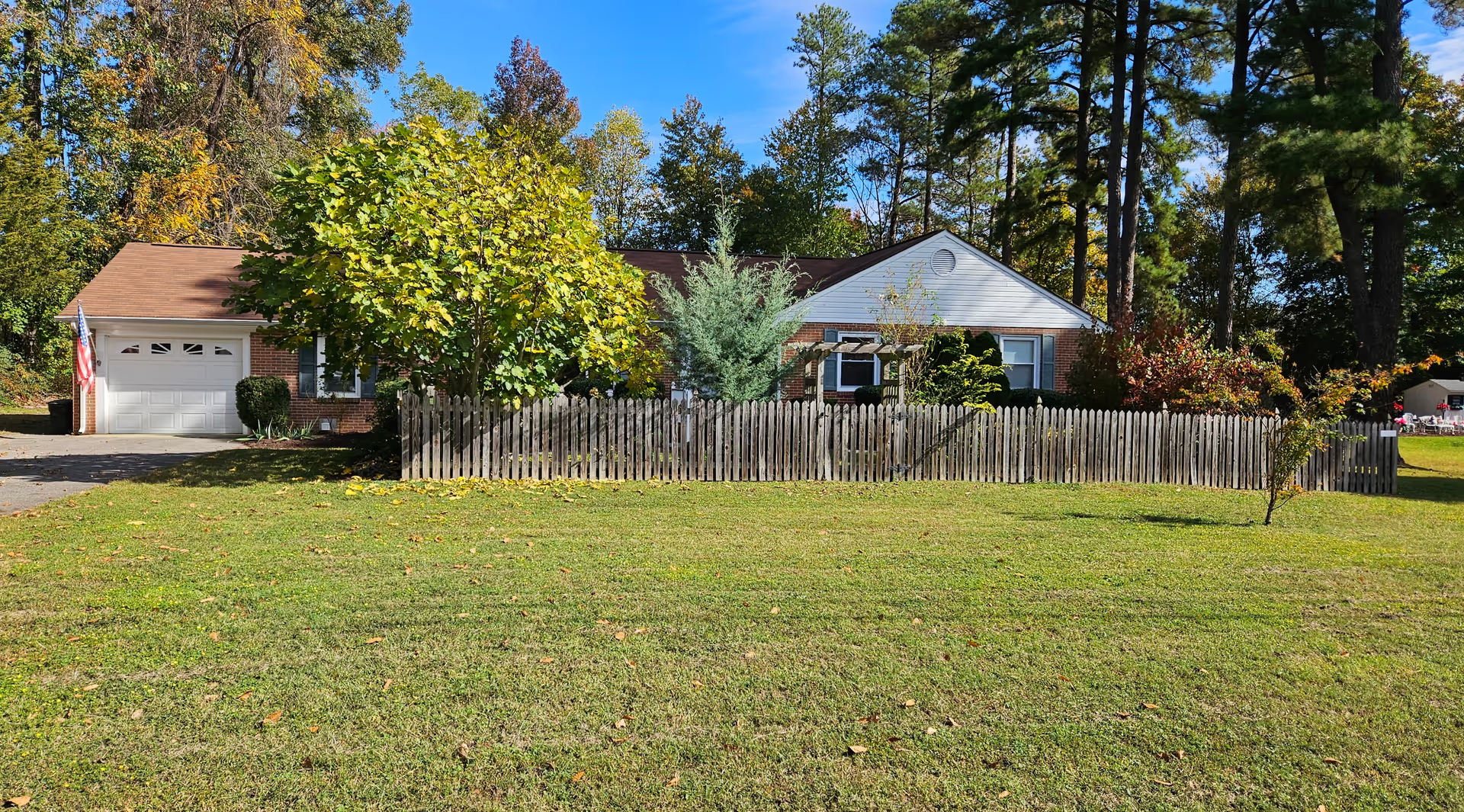
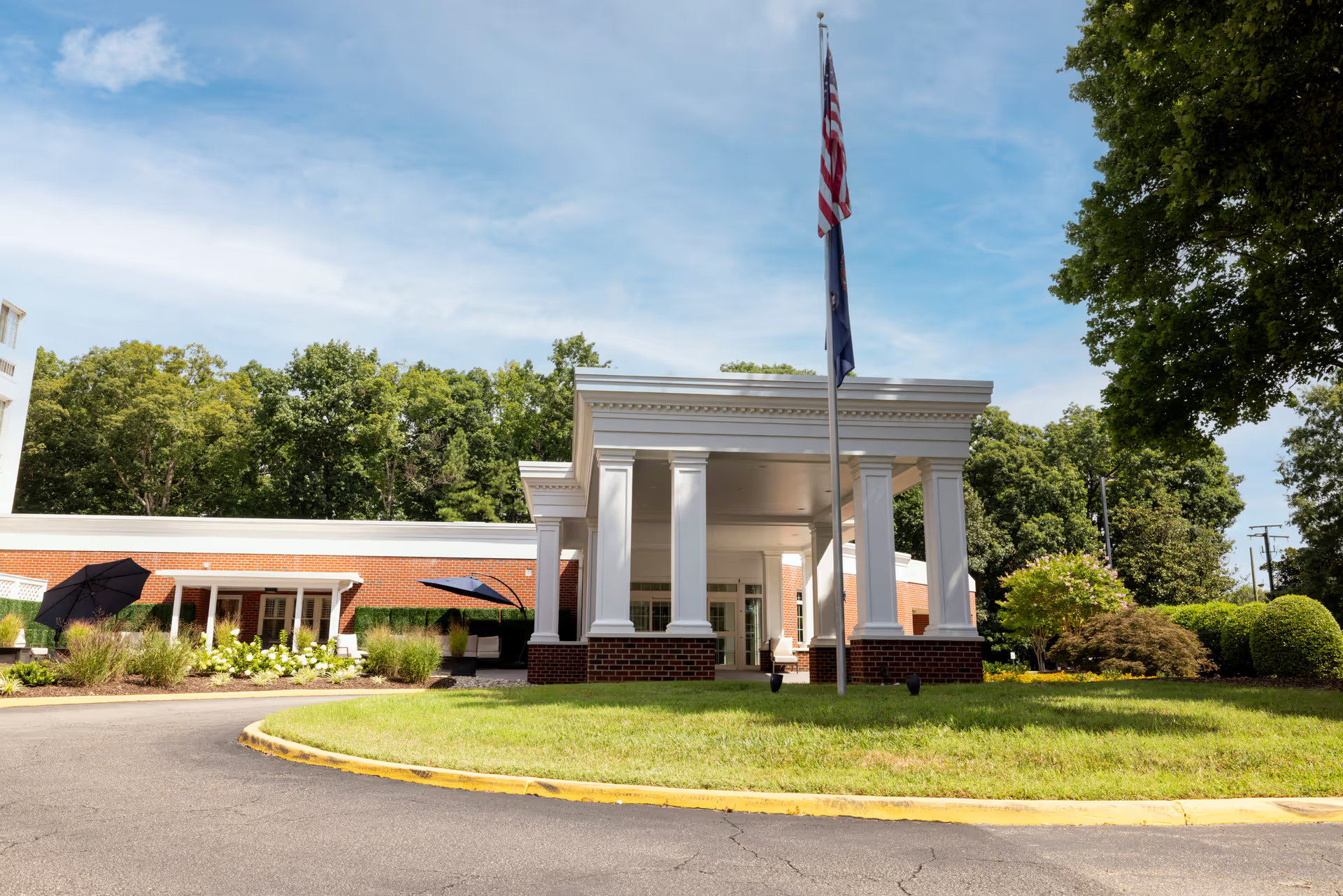
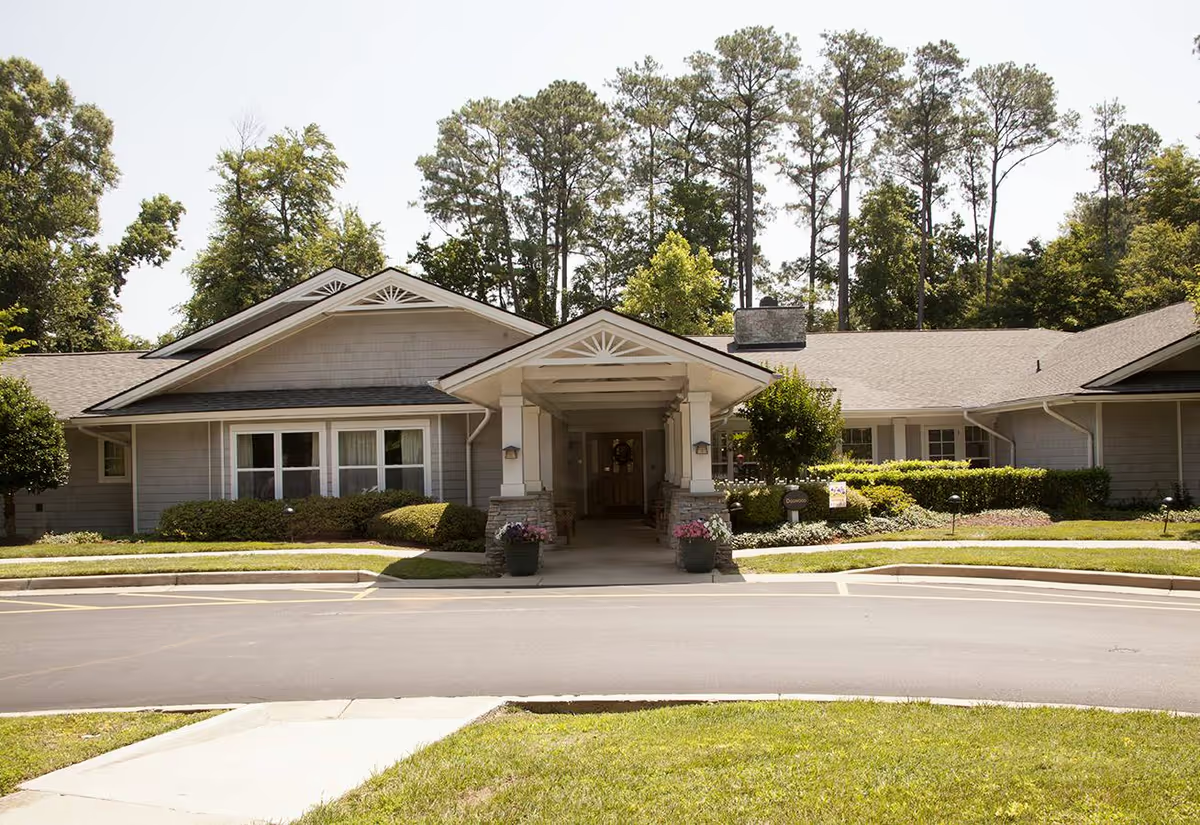
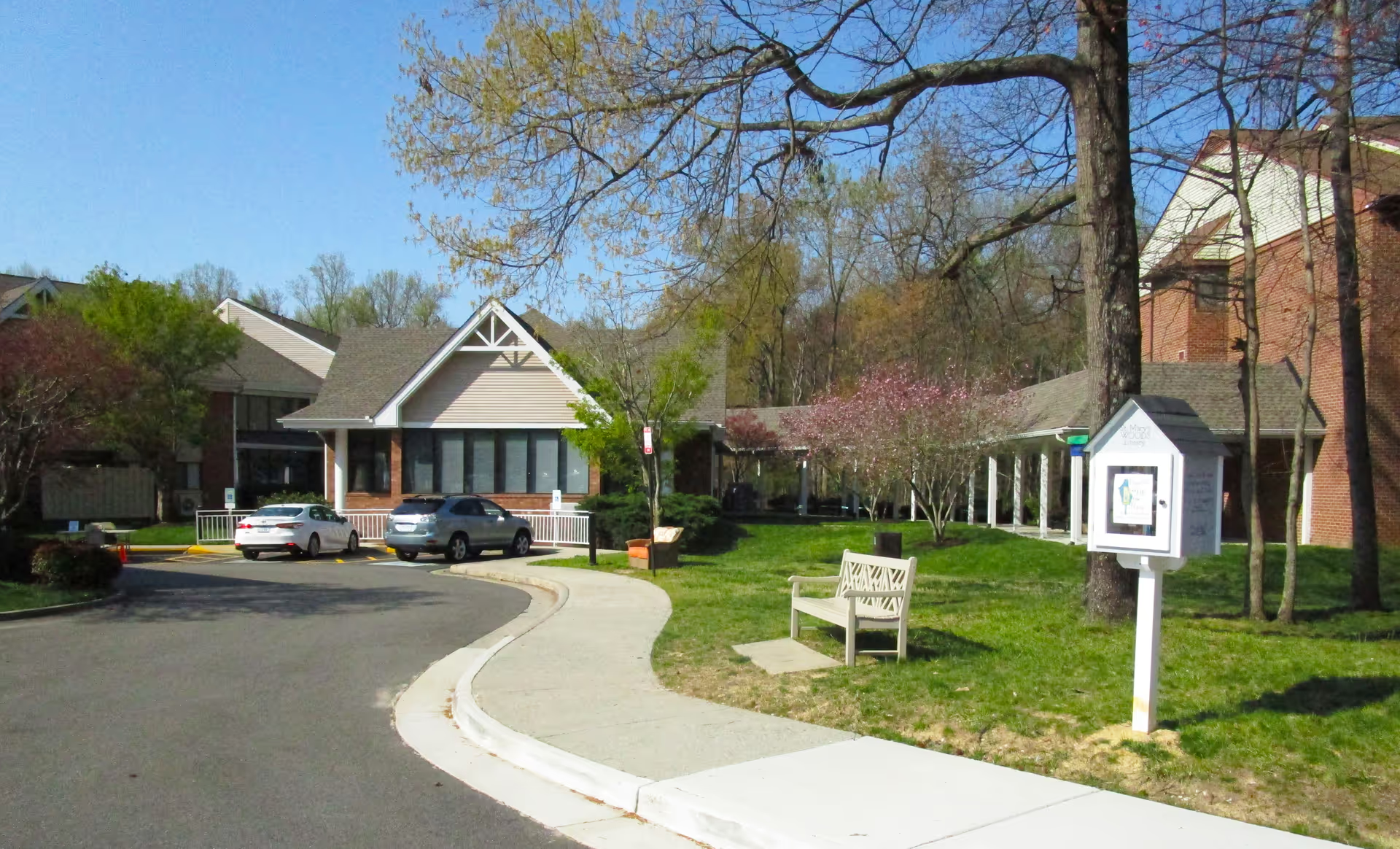
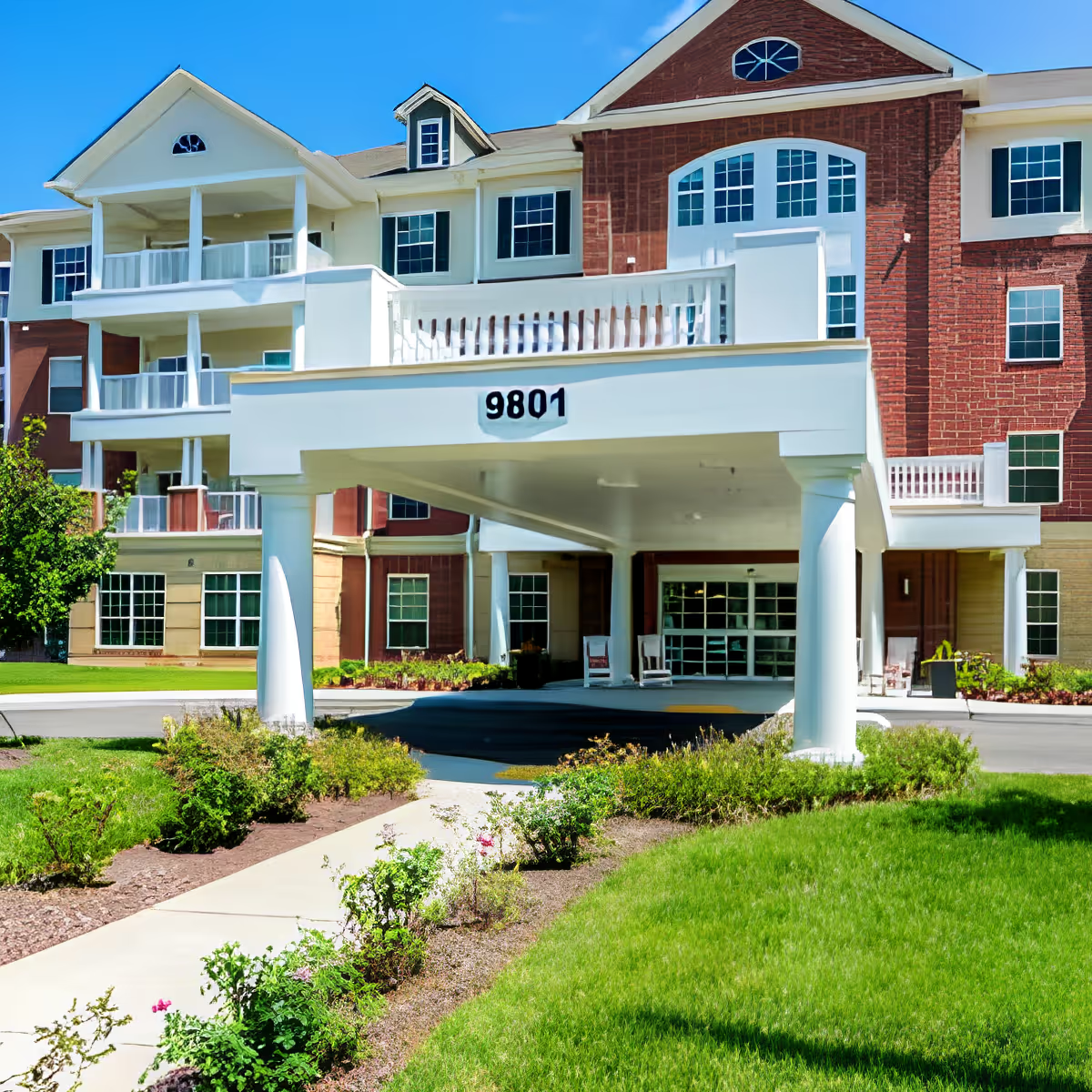
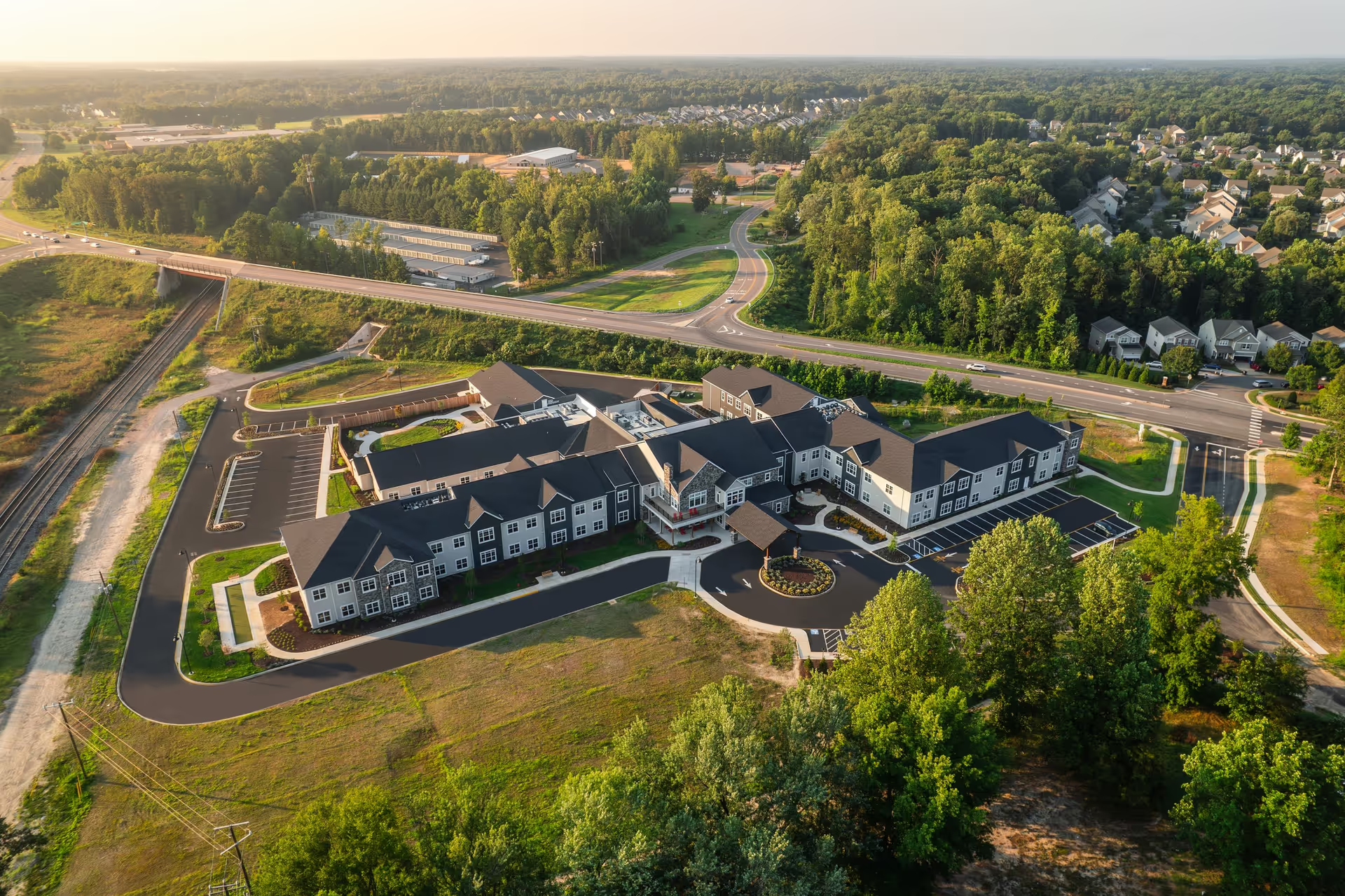
Facilities: The facility itself is described positively in the summaries. Terms such as "fantastic facility" and "pleasant to deal with" imply an environment that many find acceptable or attractive. The reviews do not provide detailed information about maintenance, accessibility features, or room configurations, so an in-person inspection is recommended to verify physical accommodations and cleanliness practices.
Management and administration: Management appears to have strengths in cultivating staff who are committed to improvement, but the reviews reveal operational gaps on the administrative side. Two recurring issues are inconsistent customer-service professionalism—including telephone handling—and limited front-desk coverage at times (for example during meal breaks). These operational weaknesses can affect early impressions and family communications even when clinical care is strong.
Notable patterns and recommendation: The dominant pattern is a facility with solid direct-care staff and a positive environment, tempered by intermittent problems with reception and communication. For prospective residents and families, recommended next steps include asking about staffing levels by shift, front-desk coverage and call-answering protocols, staff training on customer service and communication, procedures for escalating family concerns, and obtaining concrete information on dining and activities. Observing a weekday and mealtime visit, meeting care staff across shifts, and testing telephone responsiveness before a decision will help clarify whether the positive care trends are consistent and whether the administrative inconsistencies have been addressed.