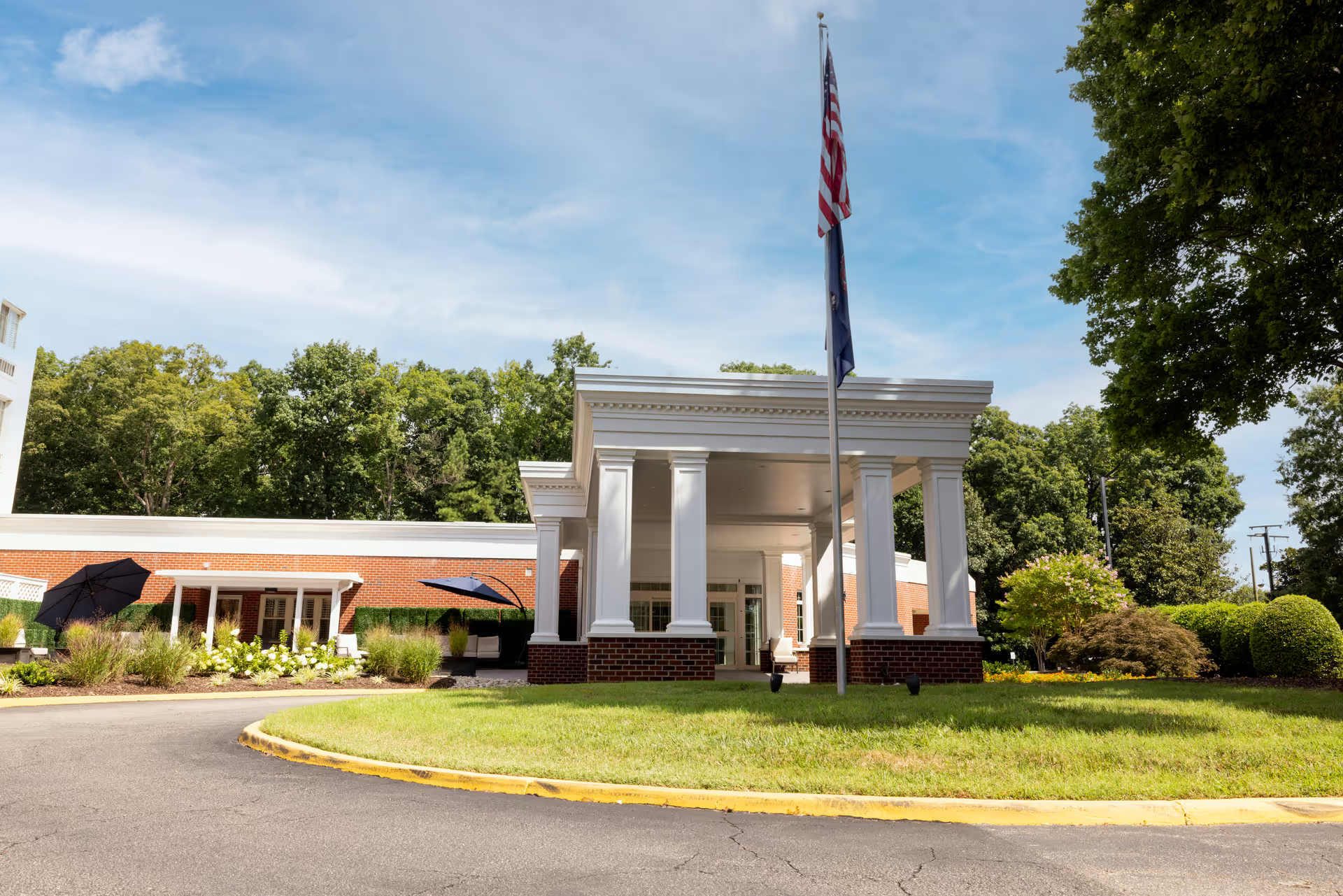
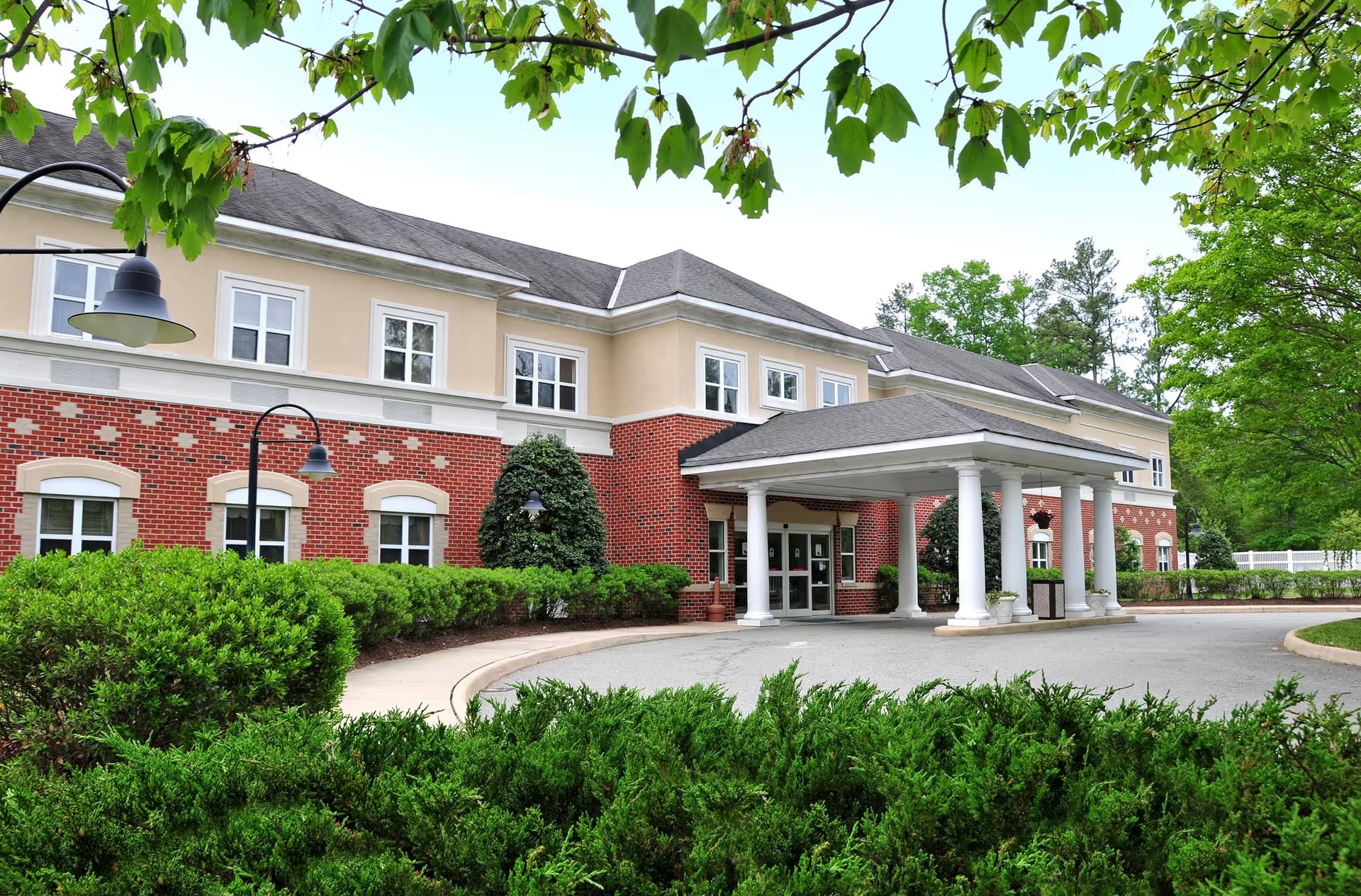
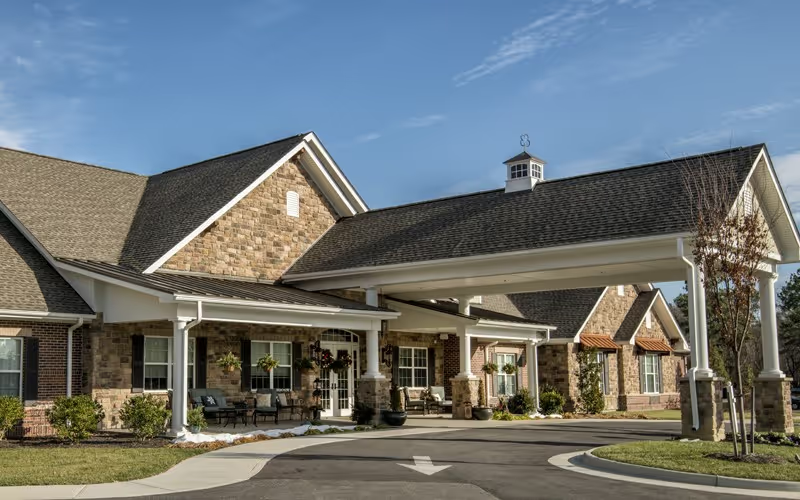
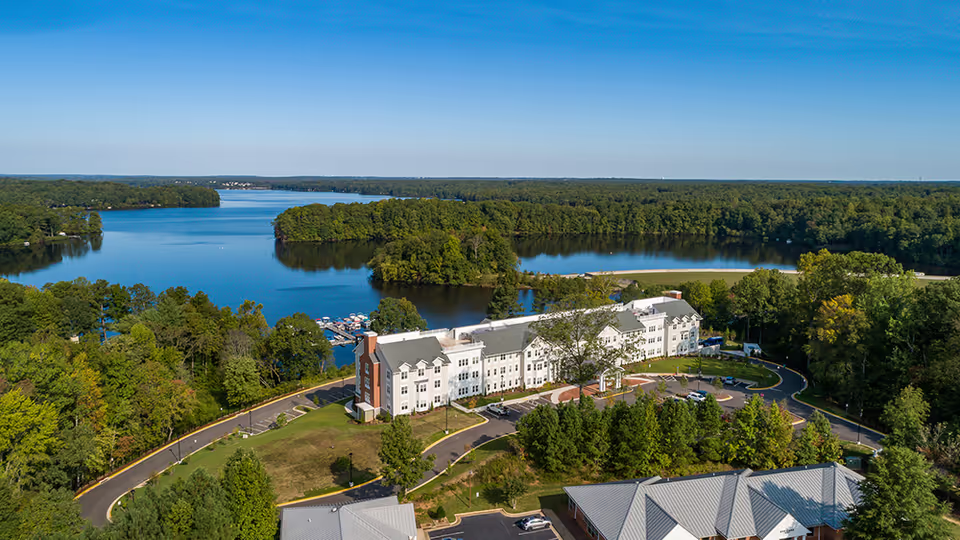
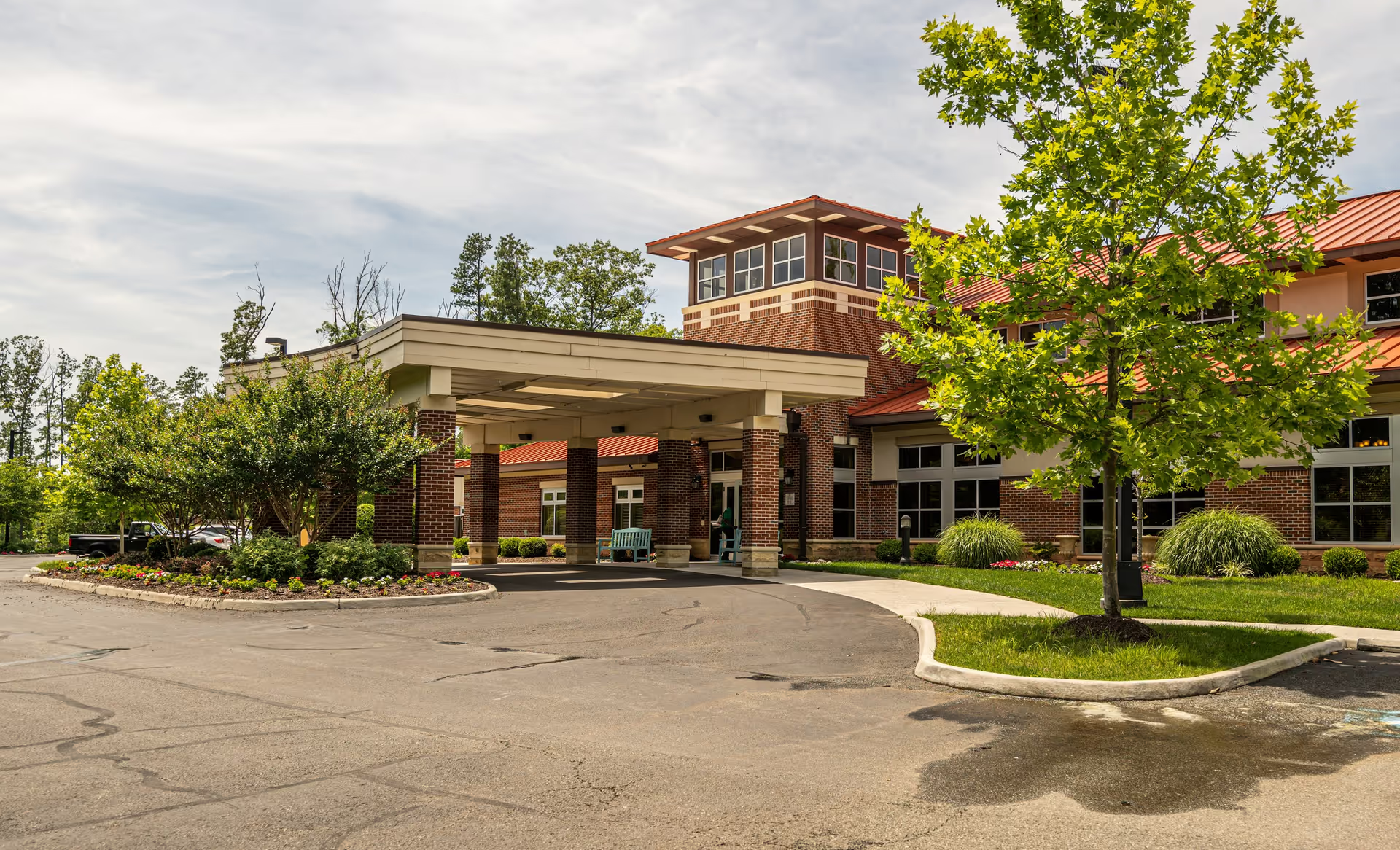
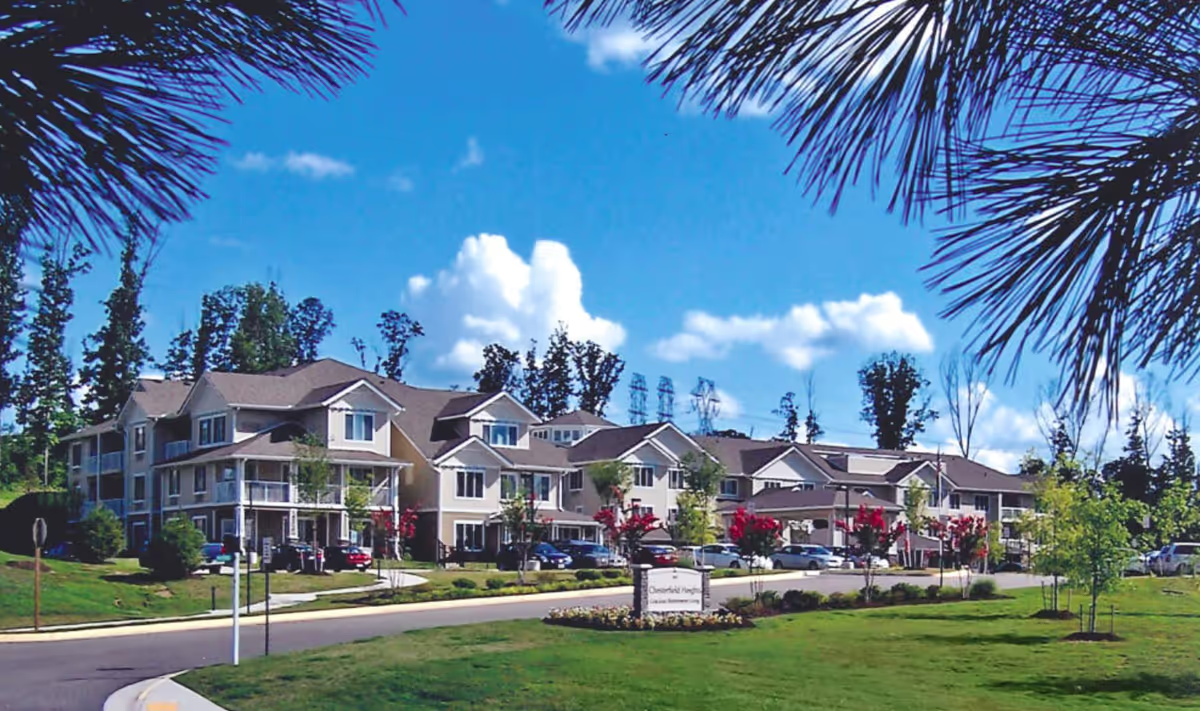
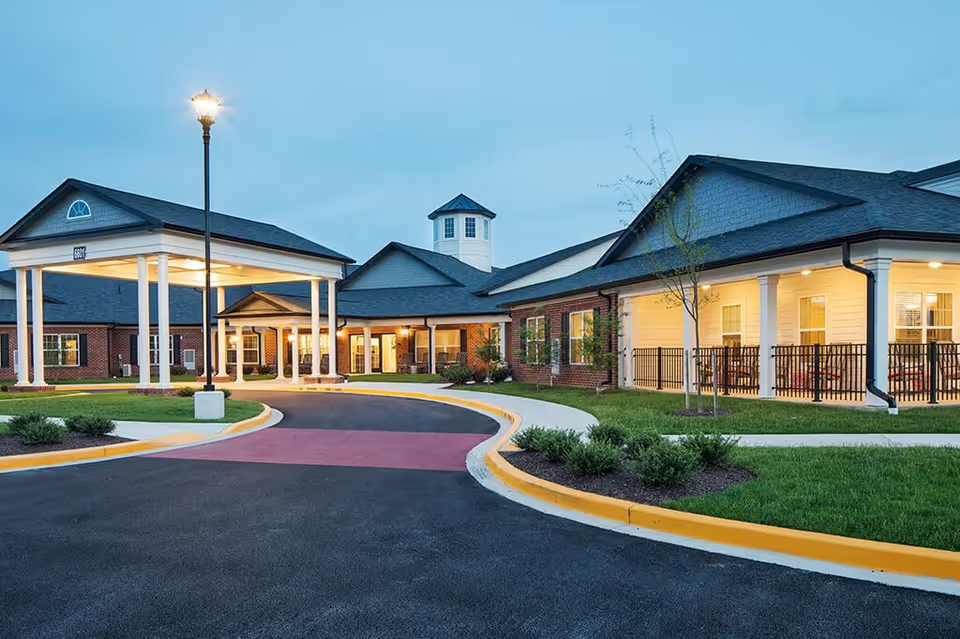
Overall impression: Commonwealth Senior Living at Chesterfield presents as a well-appointed, recently renovated community with a strong emphasis on social programming and an engaged leadership team. Many families highlight compassionate caregivers, knowledgeable clinical staff (including visiting physicians), hospice-capable services, and a clean, bright environment. The community offers a variety of room types, secure memory-care, outdoor spaces, and an active calendar of outings and on-site activities, which many families find beneficial for resident engagement and caregiver relief.
Care quality and clinical operations: The facility receives consistent praise for the compassion and clinical skill of many caregivers and technicians, as well as for responsiveness in acute situations when leadership is involved. At the same time, reviewers describe operational inconsistencies that affect clinical reliability: gaps in medication-management procedures, occasional delays in personal care tasks, and variability in how housekeeping and laundry are handled. These issues suggest uneven adherence to clinical and support protocols rather than an absence of clinical capability. Families considering placement should confirm medication-administration safeguards, incontinence-care plans, and laundry workflows during the tour and admission process.
Staff and management: Leadership and certain managers are frequently commended for advocacy, clear communication, and problem resolution. Front-line staff are often described as friendly and attentive, but multiple accounts point to variation in staff conduct, accountability, and availability—including perceptions of understaffing, cell-phone use, or unresponsiveness at times. While many families report positive, hands-on directors and good follow-through on concerns, others experienced inconsistent communication or administrative errors (for example, billing issues) that required escalation. Prospective residents and families should assess current staffing levels, turnover, and escalation pathways when evaluating fit.
Dining and activities: Dining is a notable strength for many reviewers—fresh food, a farm/herb program, seafood offerings, and well-prepared meals are regularly cited. However, some families observed that menus or meal presentations did not always match the expectations set on tours, indicating variability in dining consistency. Activity programming is robust, with frequent outings, bingo, card games, a planned theater and spa, salon services, and a lively events calendar; this is a clear draw for socially oriented residents. A recurring limitation is that some activities and accommodations are not tailored for visually impaired residents, and a few social events were described as not especially engaging for certain individuals.
Facilities and safety: Physical aspects of the community generally receive positive notes—modern renovations, spacious dining and common areas, secure memory-care, lockable resident rooms, cameras in common spaces, and pleasant outdoor courtyards. Accessibility is mixed: some units have handicap-accessible bathrooms and thoughtful design, but families noted gaps in visual-access accommodations and a need for stronger handicap-awareness from staff. Construction and parking logistics have created temporary access challenges in some accounts.
Patterns and recommendation: The dominant pattern is one of strong leadership and many caring, competent staff within a well-maintained, activity-rich environment, tempered by operational inconsistencies in clinical processes, housekeeping/laundry, accessibility implementation, and communication. For prospective families, this community is likely a good fit when priority is on social programming, fresh dining, and compassionate onsite clinicians—but it is advisable to confirm specific operational safeguards (medication handling, laundry procedures, incontinence and bathing schedules), observe staff–resident interactions in person, and review billing/discharge procedures before committing. Visiting during a meal service and an activity, and asking for written protocols on meds, laundry, and accessibility accommodations, will help determine whether this facility aligns with a particular resident’s needs.