Ginter Hall South presents as a small, family-owned assisted living community that many families describe as affordable and staffed by caring individuals. Strengths most consistently cited include warm, attentive caregiving, capable nursing and therapy services, freshly renovated first-floor rooms and dining areas, and a robust activities calendar. The facility’s location near shopping and medical services, combined with on-site rehabilitation and a secure memory-care unit, contributes to its appeal for budget-conscious families seeking a community-oriented option.
Care quality and staff performance show a mixed pattern. Numerous families praised specific nurses and direct-care staff for being compassionate and hands-on; therapy and clinical services were also noted positively. At the same time, reviewers reported variability in performance between shifts and individual caregivers, and staffing shortages were frequently linked to delays in routine care tasks and communication lapses. Operationally, families highlighted weak inter-shift handoffs and the absence of a clear single point of contact, which exacerbated responsiveness and follow-up issues.
Dining and activities are overall strengths, with many residents described as enjoying meals and a full calendar of activities (arts, music, movement classes, games and faith-based groups). However, there are recurring comments about inconsistent meal-service continuity and temperature control, as well as small service shortcomings (e.g., irregular coffee/tea availability). Activity engagement appears adequate for assisted living residents, but some accounts indicate the memory-care population receives less targeted or consistent programming.
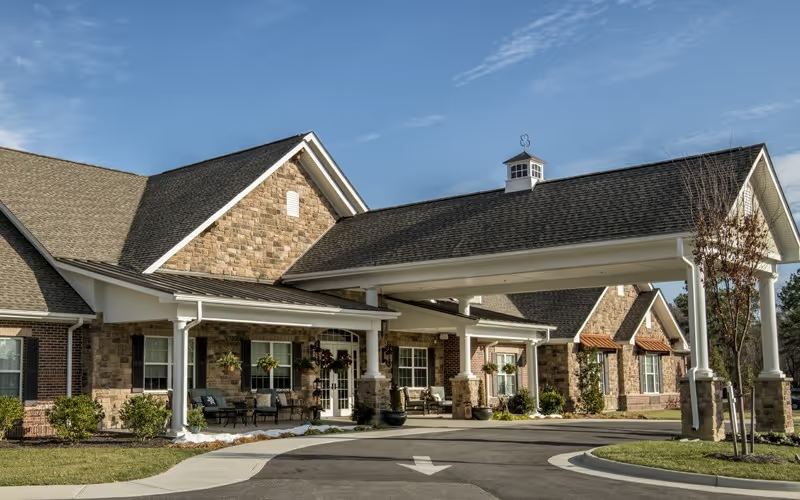
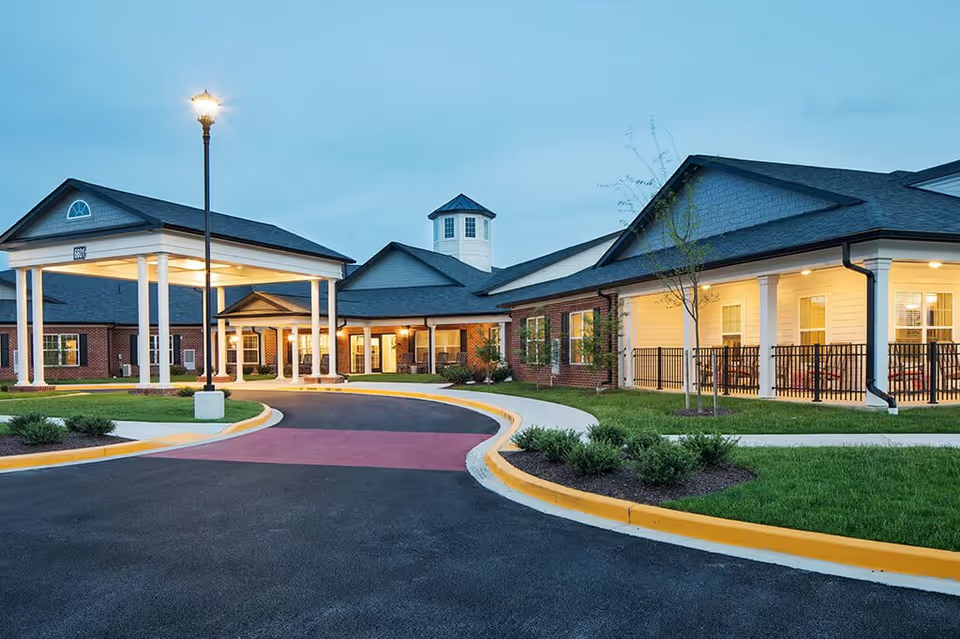
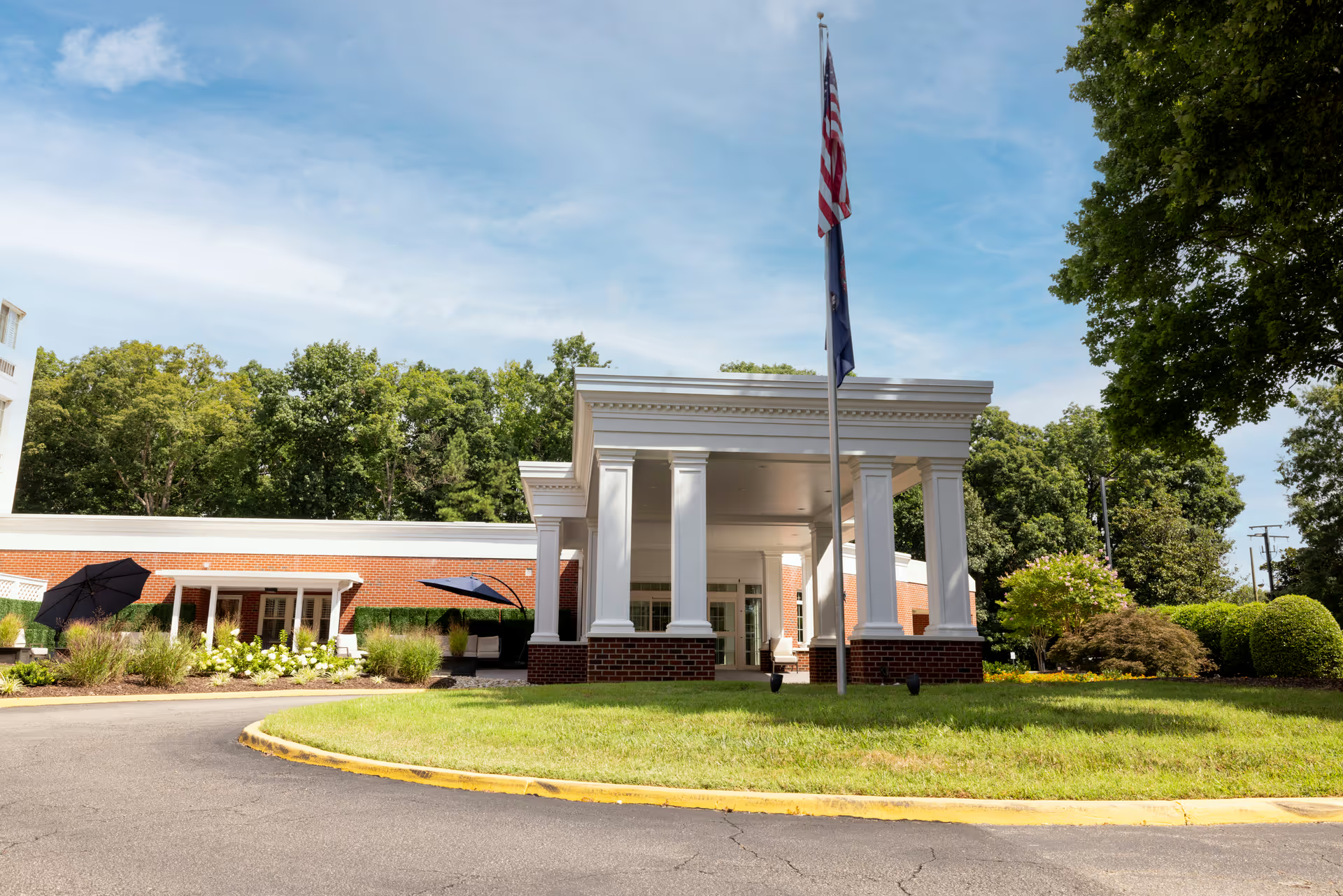
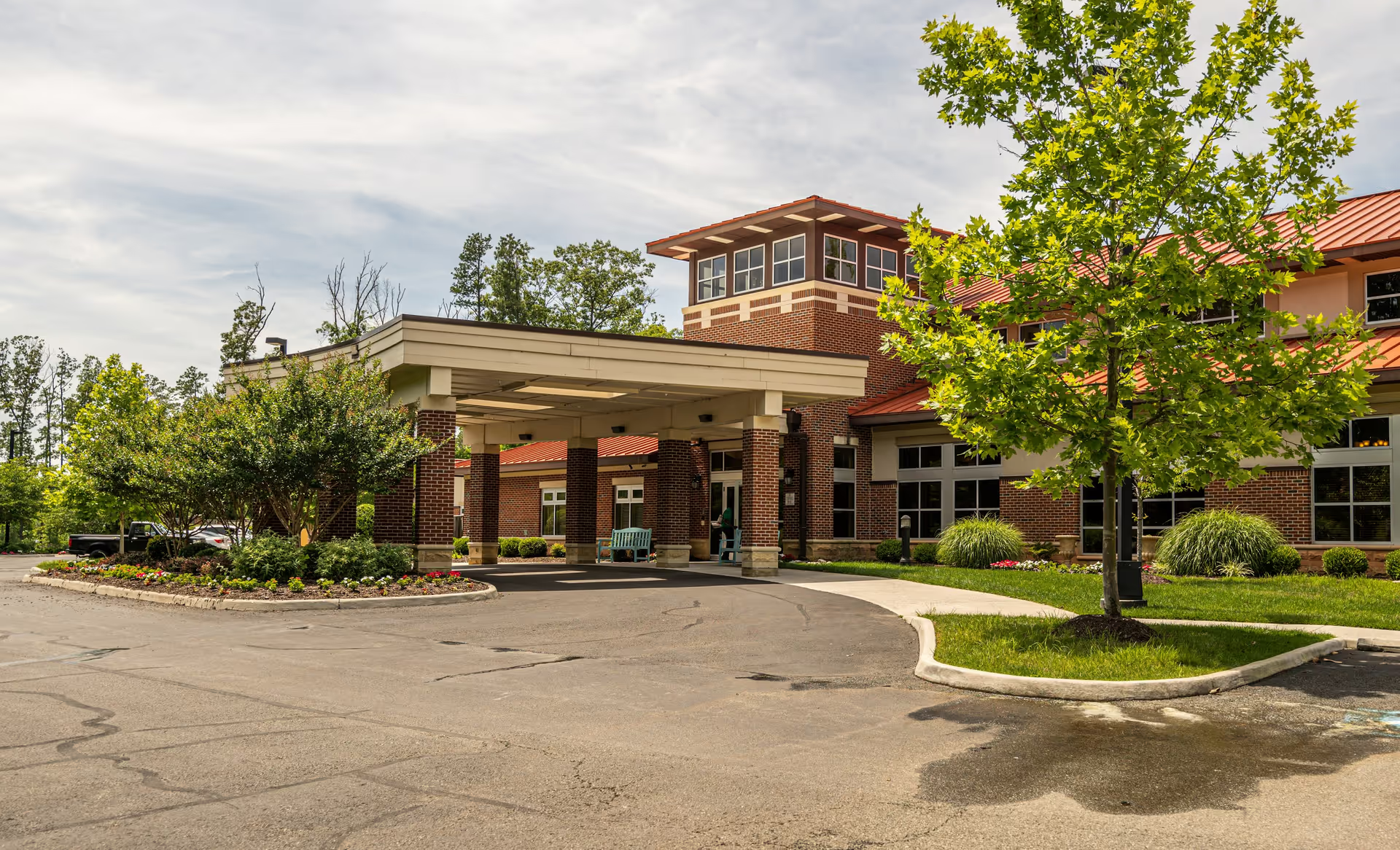
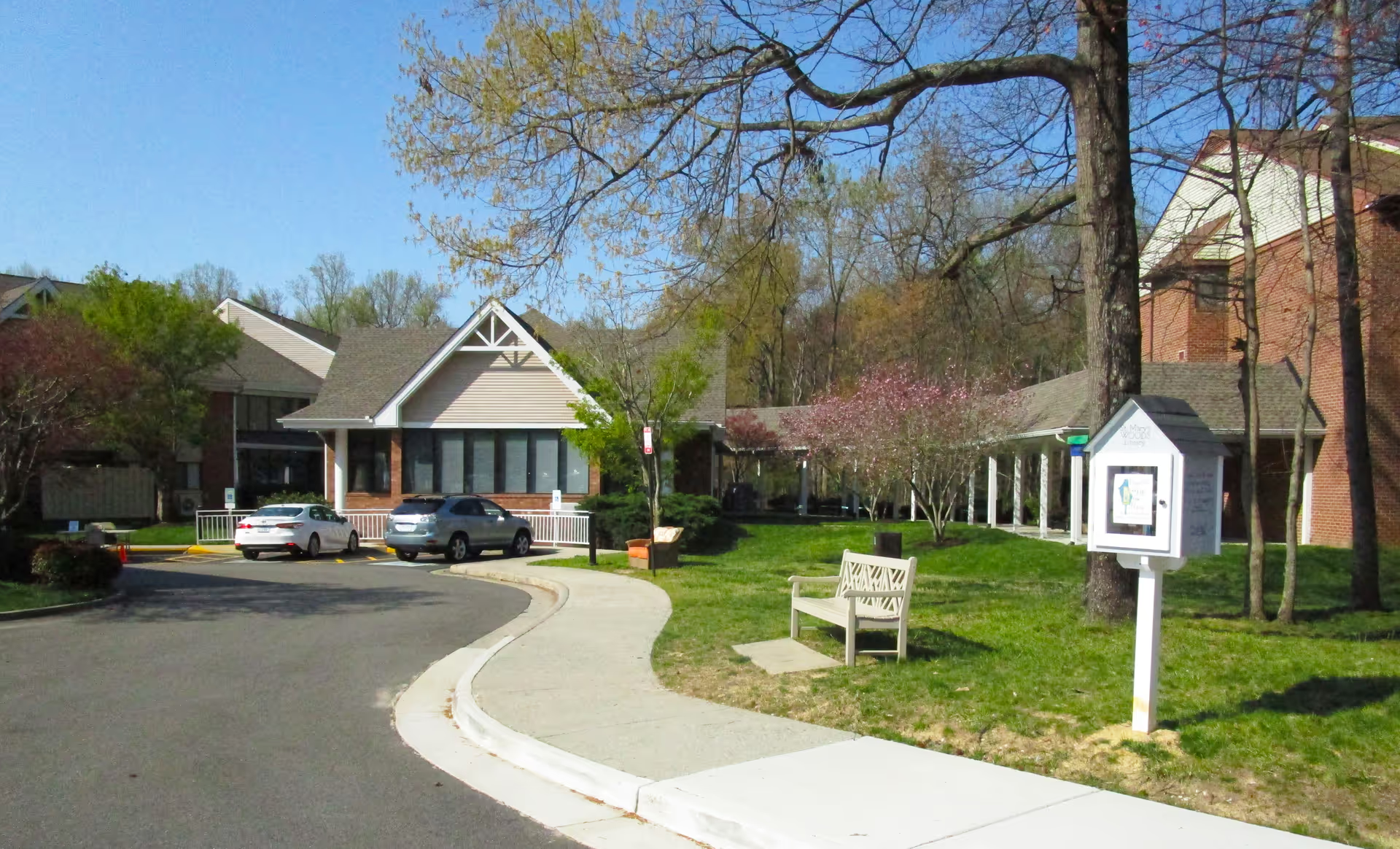
The physical plant is a blend of updated and aging areas. Renovated rooms, sunny and spacious accommodations, and clean bathrooms were praised, particularly on the first floor. Conversely, reviewers identified ongoing renovation work, visible wear in older sections, occasional odor concerns in common areas, missing ceiling tiles, and institutional design elements in some units. Accessibility limitations were noted: the community vehicle may not accommodate wheelchairs, and some bathing arrangements require transport to a designated shower room rather than in-room assistance.
Management and administrative practices drew both positive and critical comments. Admissions and office staff are often described as helpful and organized, and families reported instances of proactive leadership and smooth placement processes. Conversely, several reviewers cited confusing pricing or unexpected charges, appointment no-shows, and inconsistent incident notification practices. COVID-era visitation restrictions and mask policies were also a source of frustration for some families.
Overall pattern and guidance: the prevailing pattern is one of strong personal caregiving and good value, paired with operational inconsistencies tied to staffing, facility maintenance, and communications. Prospective residents and families should weigh the community’s affordable pricing, personable staff, and renovated living options against the likelihood of variable staffing levels, some unfinished renovation work, and gaps in communication and specialized memory-care engagement. Recommended due diligence before placement includes an in-person tour of both renovated and older units, direct questions about staffing ratios and handoff procedures, clarification of billing and service charges, verification of memory-care programming, and confirmation of transportation and bathing/accessibility arrangements.