Reviewers describe a facility with clear clinical and operational strengths alongside recurring operational weaknesses. The strongest and most consistent positives relate to hands-on clinical care: many families praised compassionate, attentive nurses and dedicated CNAs, and the rehabilitation program (PT/OT) receives frequent commendation for enabling functional gains. The facility is also noted for effective social-work support, individualized dining assistance, an engaging activities program (music, singing, crafts, bingo), and a recognized wound-care program that has formal commendation. Several reviews likewise highlight responsive dietary and housekeeping teams and a generally warm, family-like atmosphere that includes spiritual support for some residents.
At the same time, a pattern of staffing and operational challenges appears across comments. Chronic staffing shortages, frequent turnover, and substantial reliance on agency or temporary staff were cited as contributors to inconsistent clinical coverage. Those operational gaps are reflected in delayed responses to call buttons, inconsistent medication administration or supply availability, and reports of inadequate after-hours clinical presence. Reviewers also described uneven communication with families — particularly around clinical changes, discharge notices, or end-of-life events — which has heightened family distress in some cases.
Dining and daily-care processes show mixed performance. While some families praised the kitchen and observed weight gain or good meal service, others described inconsistent meal quality, temperature issues, limited menu variety, and limited adherence to dietary instructions. Personal-care delivery also varied: several accounts referenced irregular bathing schedules, shortages of linens or towels at times, and variability in grooming and hygiene assistance. Cleanliness assessments are mixed as well; many reviewers noted well-maintained common areas and attentive housekeeping, but others raised sanitation and odor concerns in particular units and cited the need for deeper cleaning or improved pest-control measures in isolated instances.
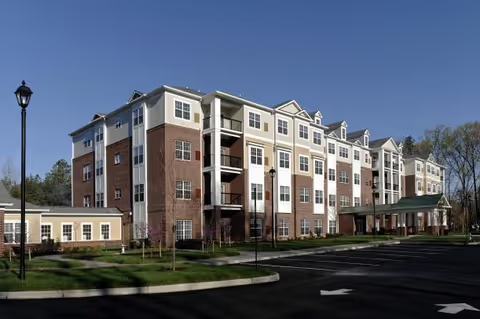
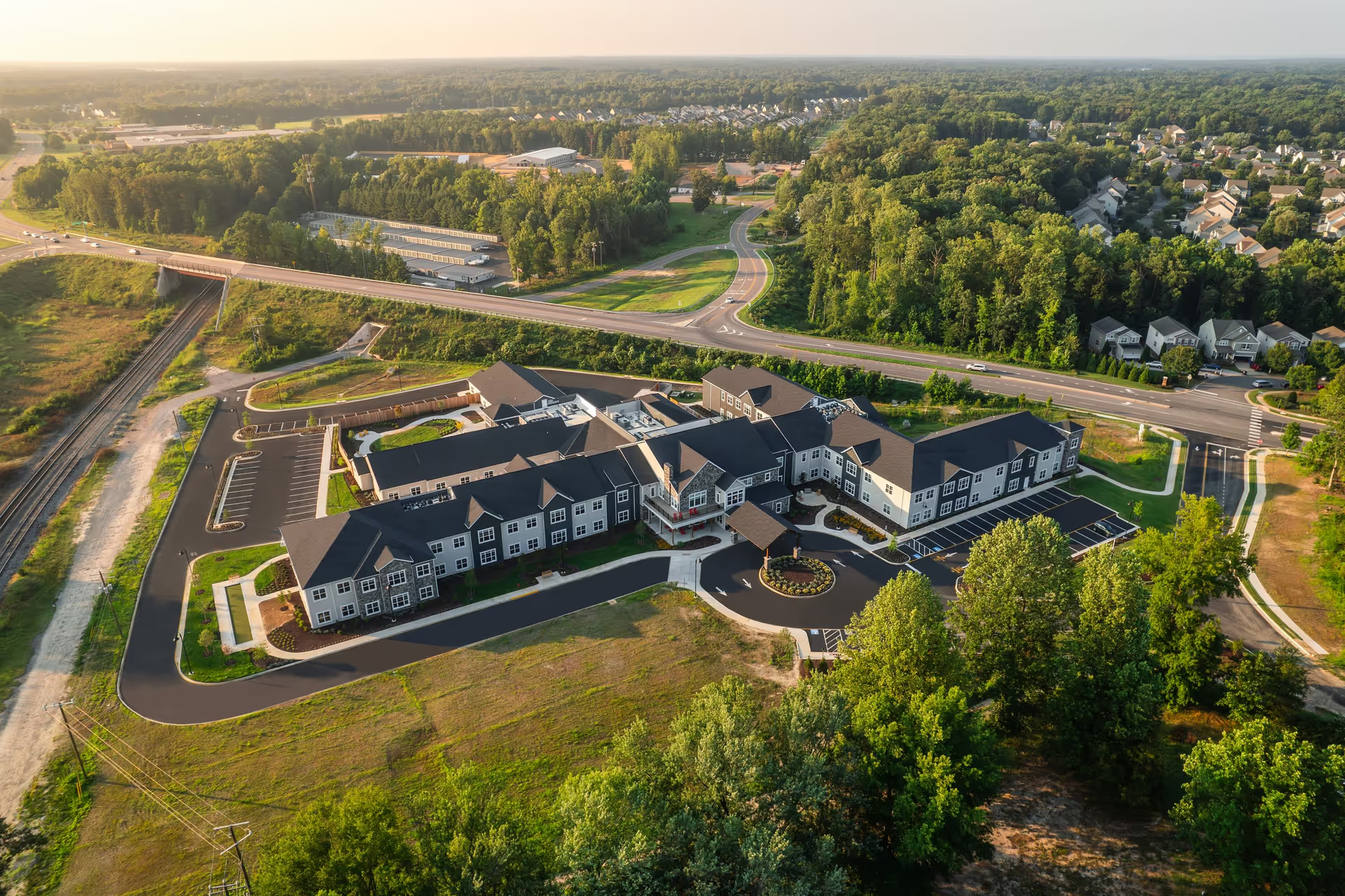
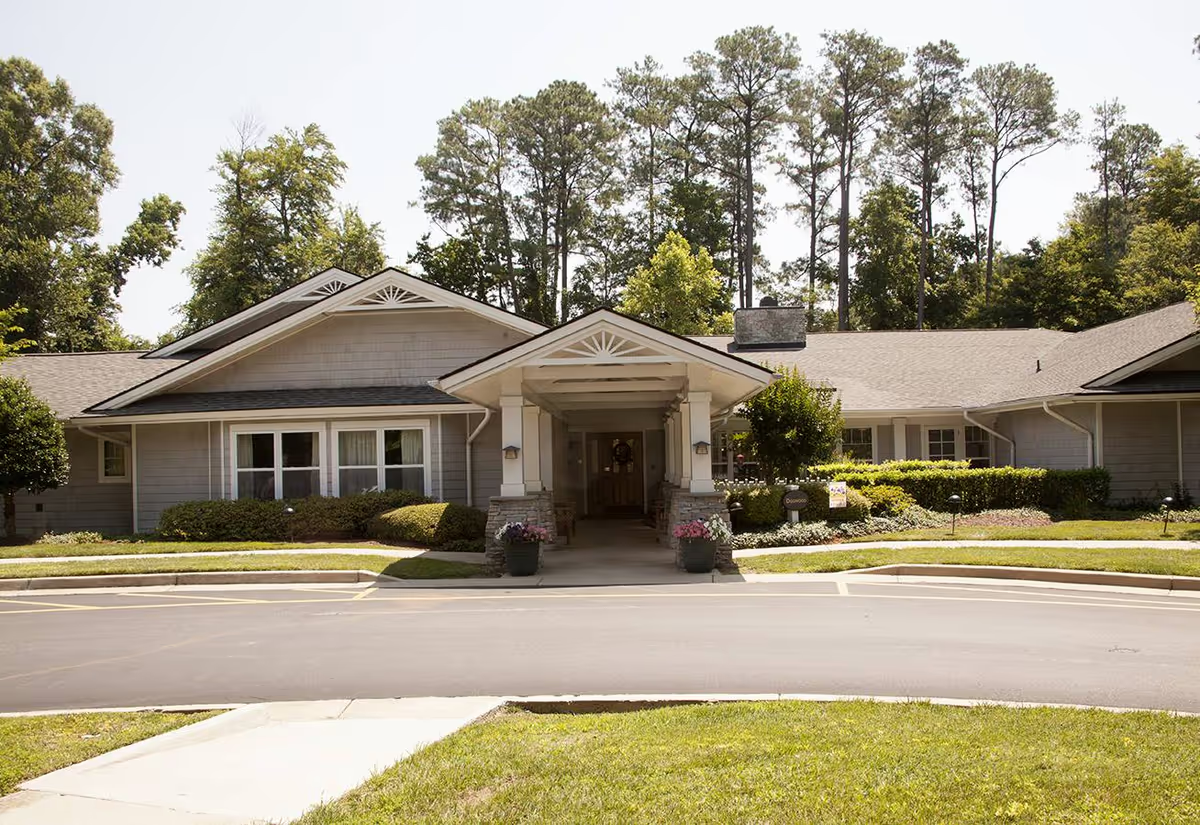
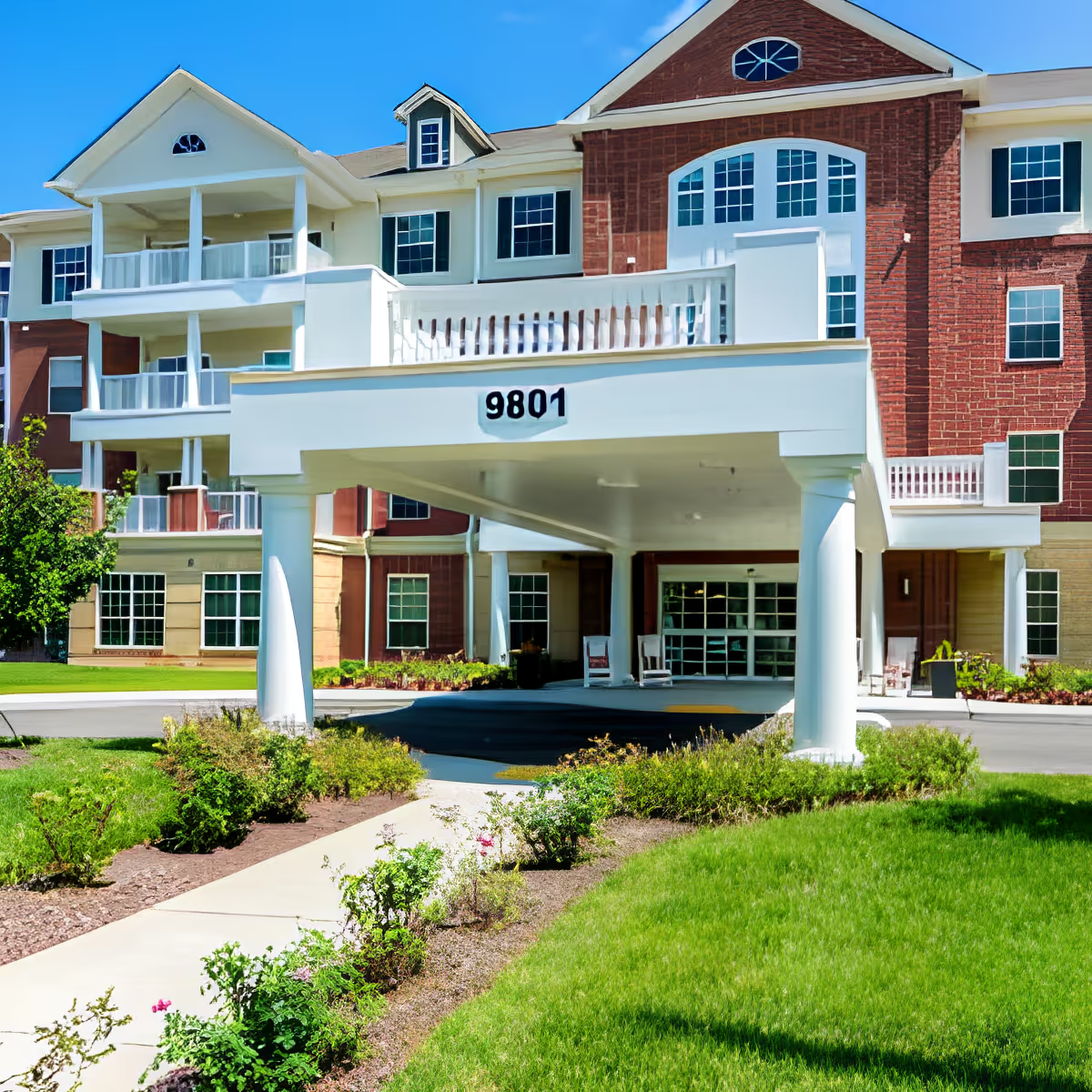
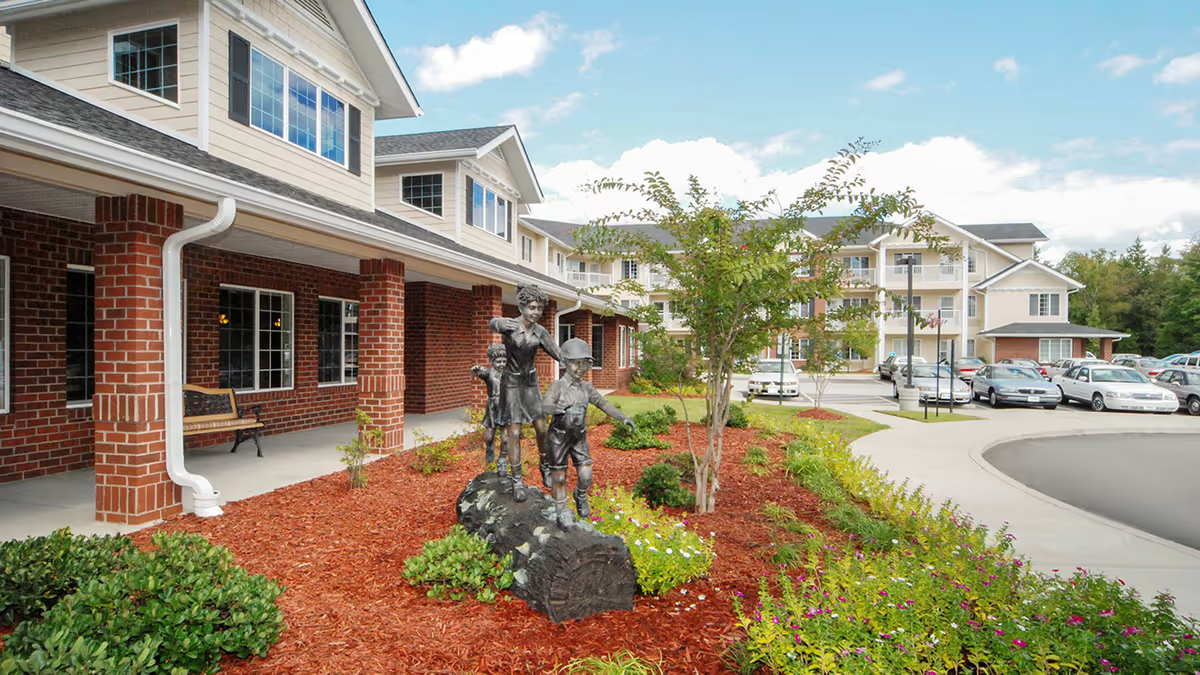
Facility condition and management practices were described as uneven. Positive comments cite attractive, renovated spaces and proactive unit leadership in some areas, while negative remarks highlight aging infrastructure, maintenance issues (leaks, carpet wear), and inconsistent front-desk or after-hours staffing. Staff conduct and tone were variable: numerous families commended specific staff members and managers for compassionate, problem-solving behavior, but other accounts described unprofessional interactions and unsatisfactory responsiveness from administration. A small number of serious clinical and communication concerns were mentioned, including adverse outcomes and family complaints about end-of-life communication; these items contributed to distrust for some families and suggest the need for strengthened incident-response protocols.
Overall pattern: prospective families can expect strong rehabilitative care, capable nursing and supportive therapy/social-work resources in many cases, and active engagement programming. However, the facility appears to struggle with consistent staffing, after-hours coverage, family communication, and unit-to-unit consistency in cleanliness and meal delivery. Those operational weaknesses are the principal areas for improvement to bring the entire community to the level cited in its strongest reviews.