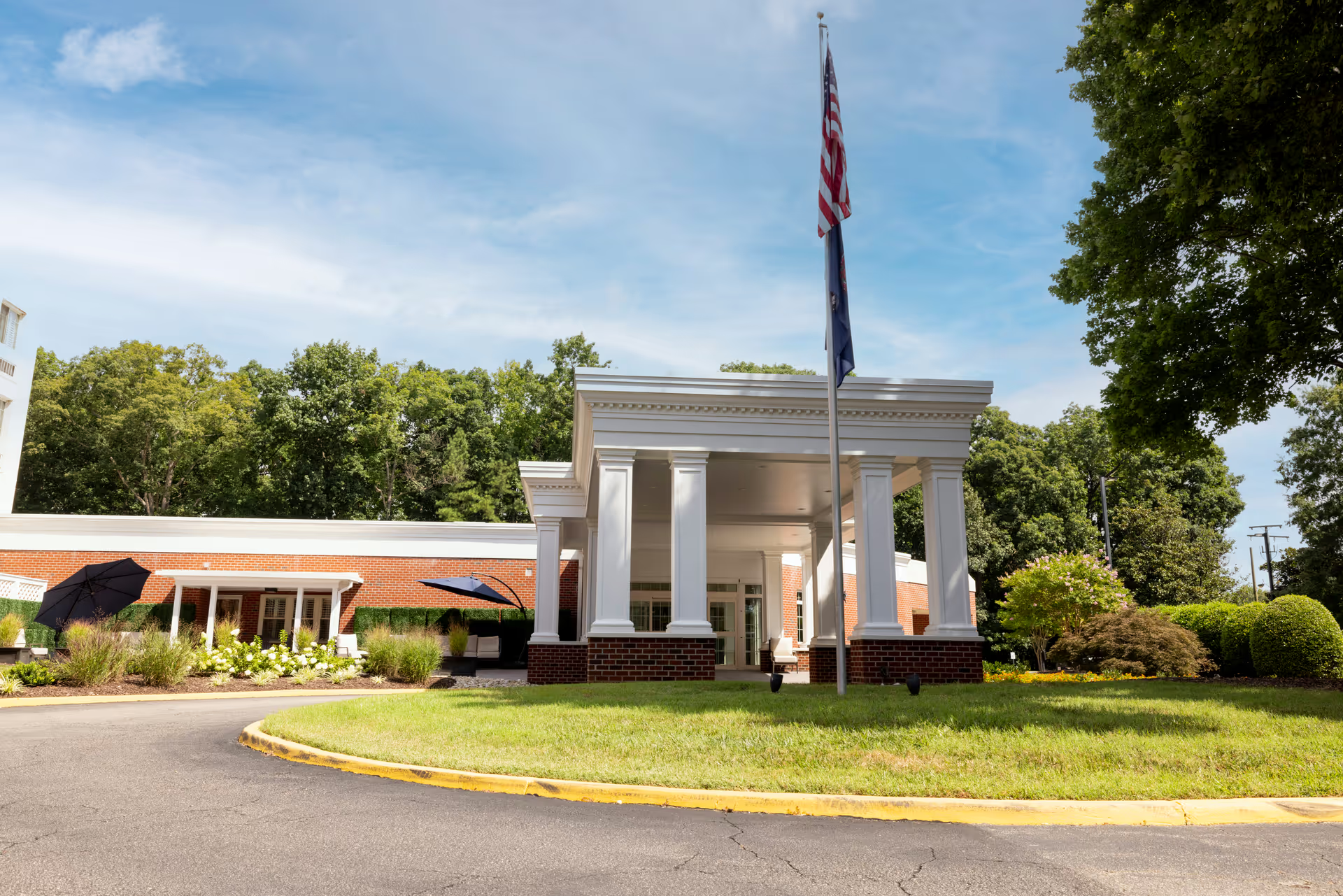
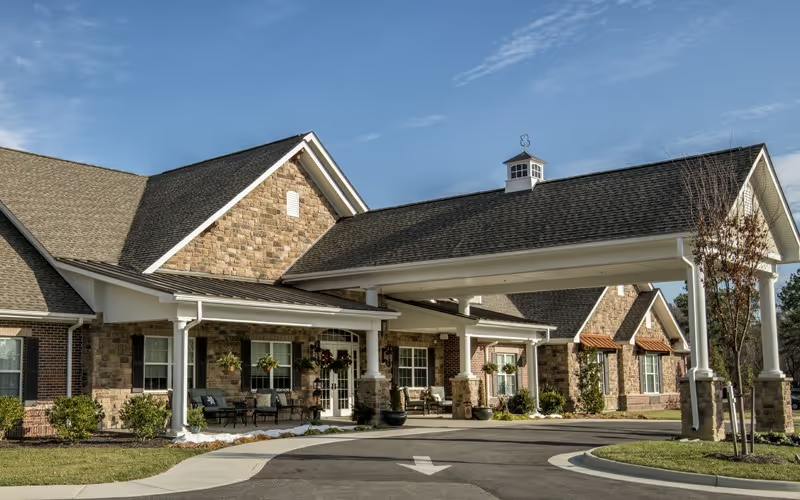
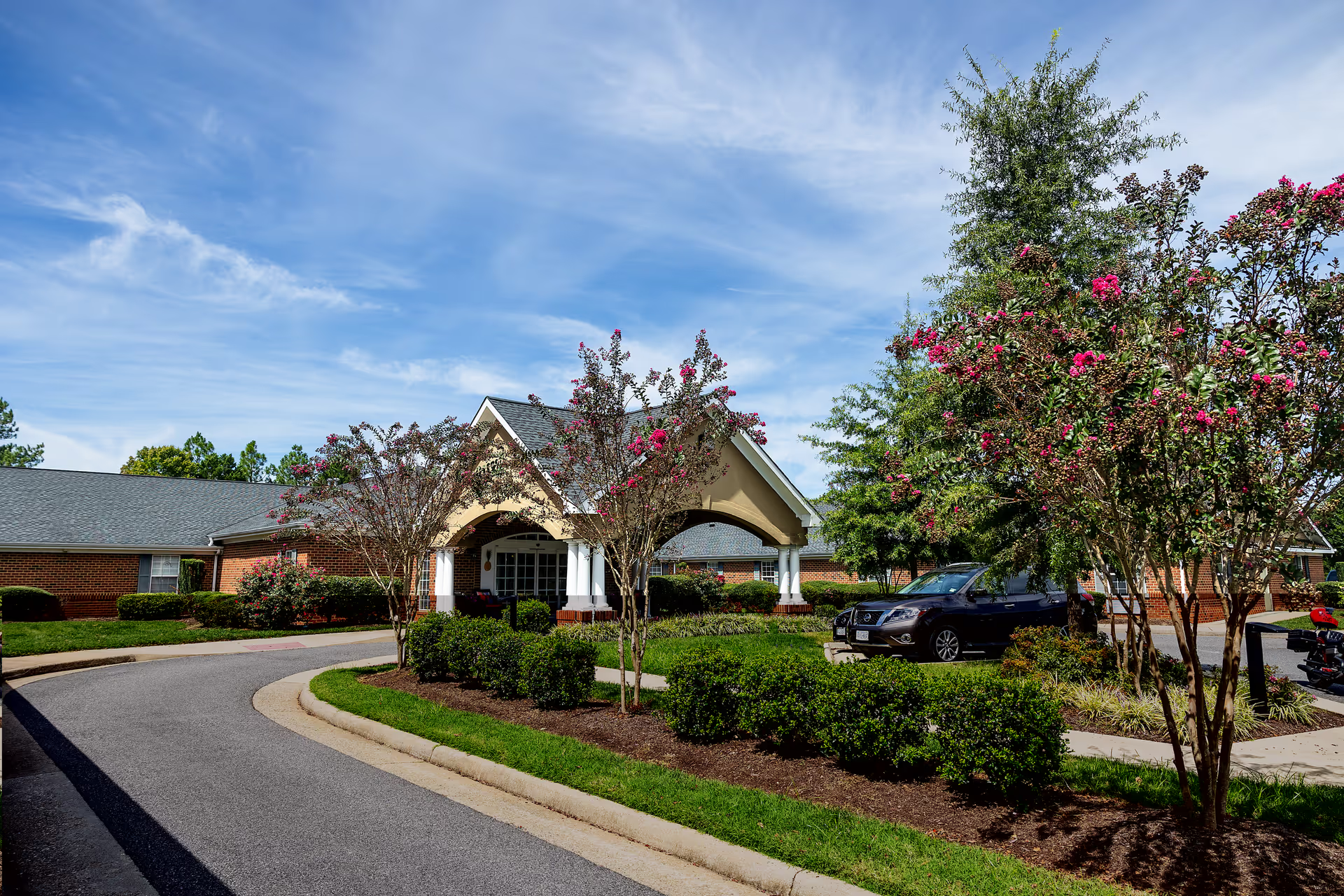
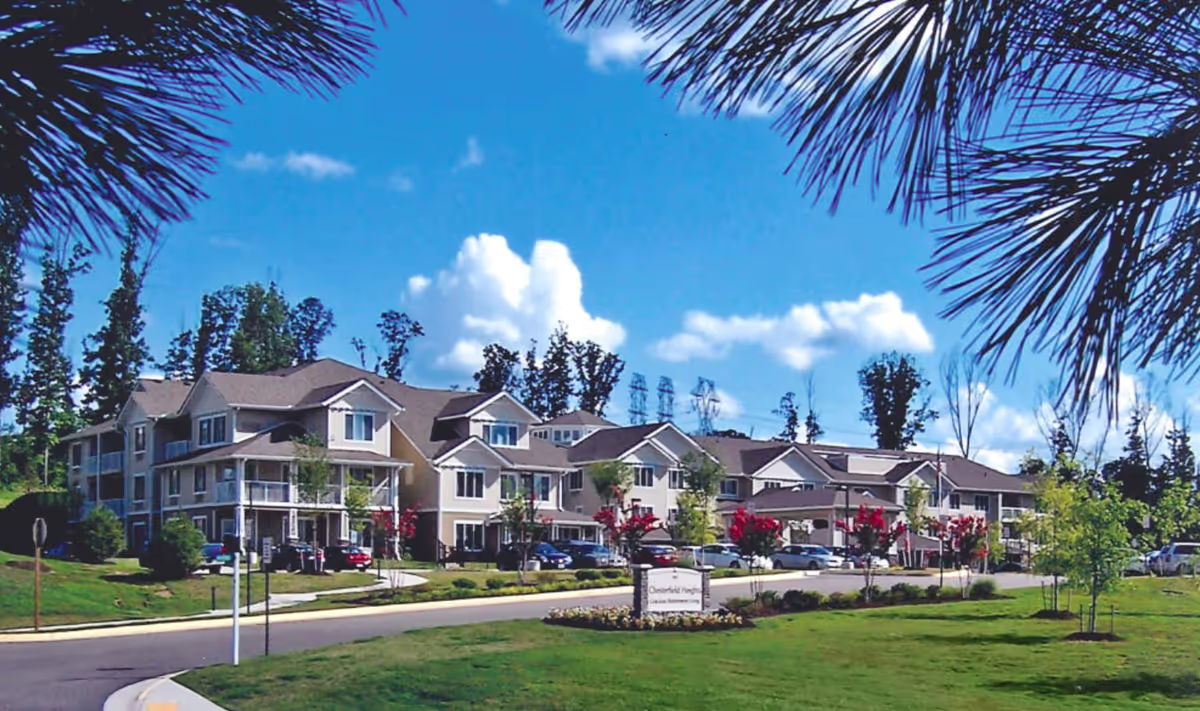
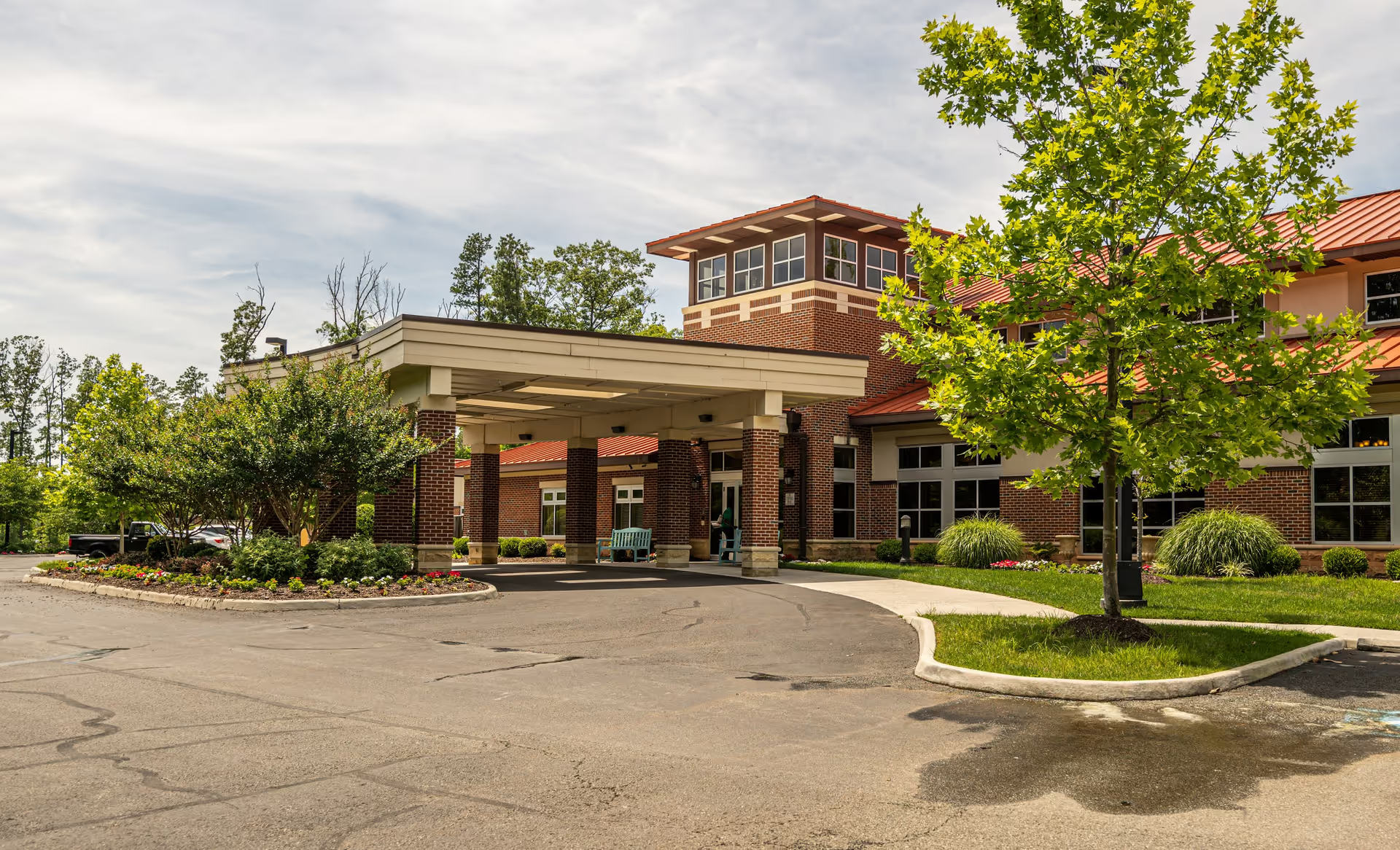
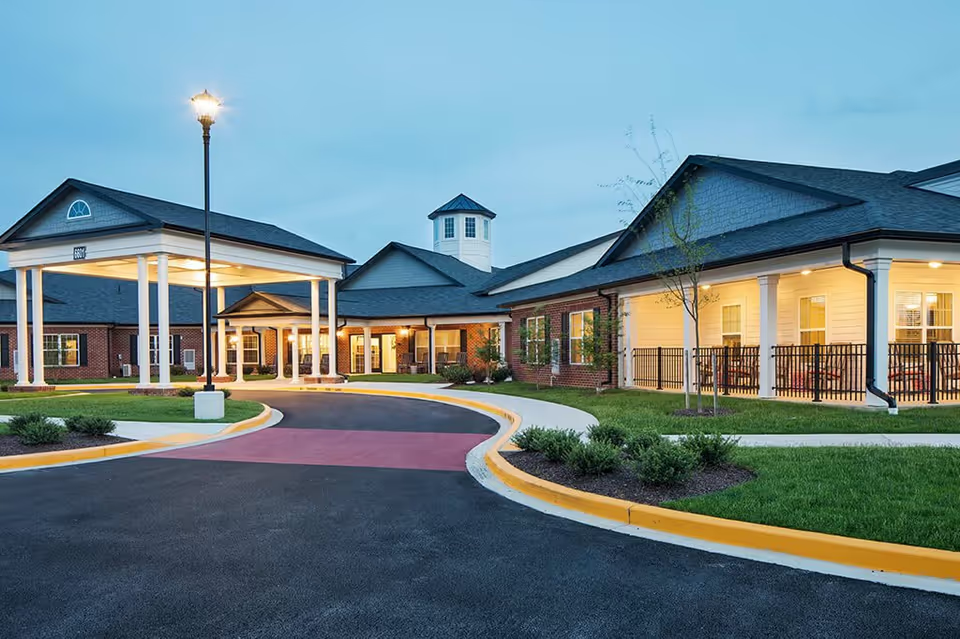
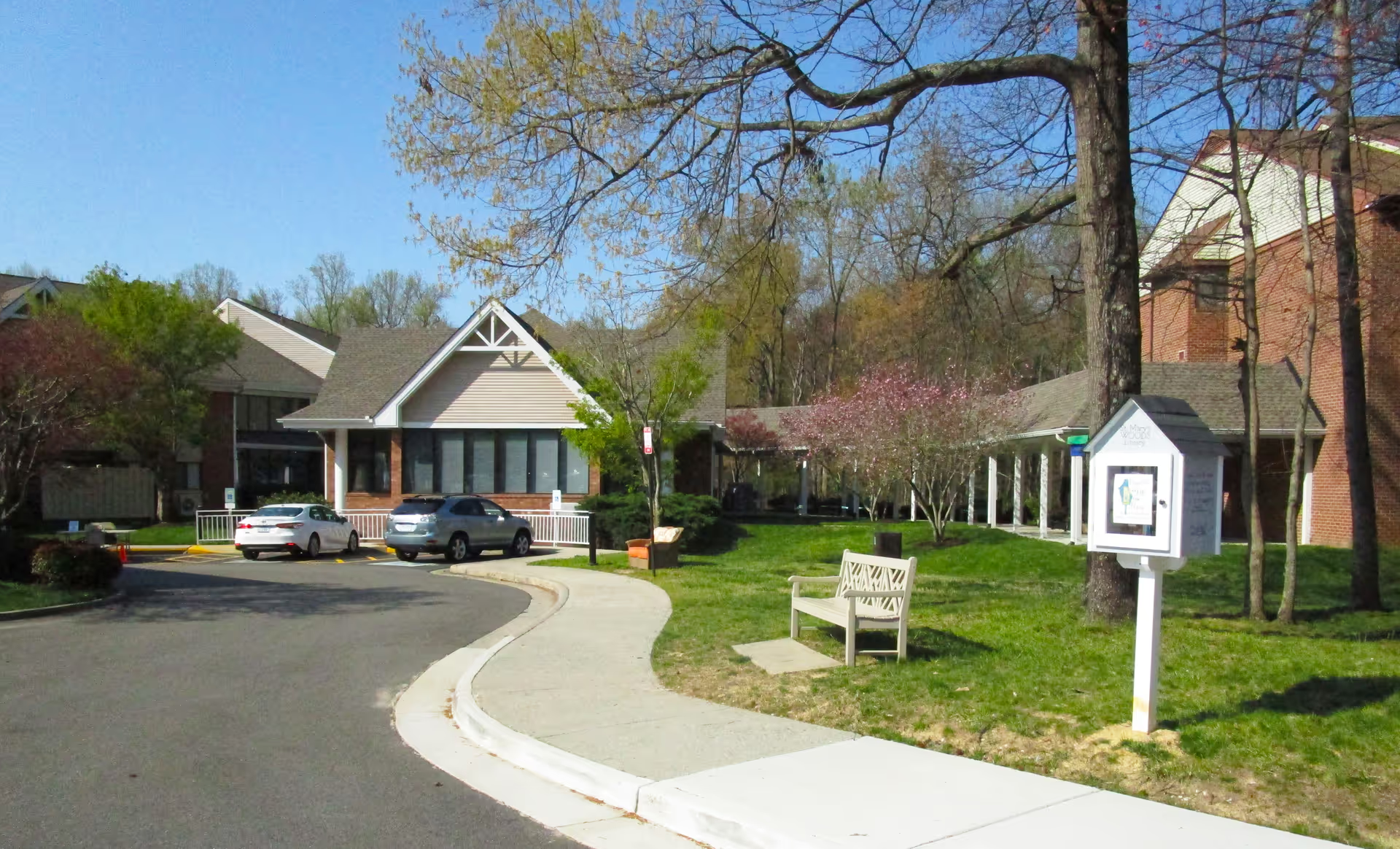
Overall impression: The facility presents as a small, single-level community with many desirable physical features — private rooms with en suite bathrooms, large windows that provide natural light, ample closet space, and several inviting common areas such as a lobby with a fireplace, lounge seating, an activity room, a library nook, and outdoor courtyard and porch seating. Families and visitors commonly describe the environment as comfortable and easy to navigate, and management has communicated plans for renovations to update some dated areas.
Care and staff: Frontline caregiving staff receive consistently positive descriptions for being attentive, warm, and genuinely interested in residents. Resident programs and activities are highlighted as strengths, with an active schedule supported by staff who engage positively with residents. These patterns suggest reliable day-to-day personal care and social programming at the direct-care level.
Facilities and layout: Physically, the property offers many comfortable gathering spaces and accessible apartments, which support independent mobility and social interaction. At the same time, reviewers describe some inefficient or unusual room configurations and specific common areas that feel underutilized; the memory-care unit is described as small and spatially constrained. These factors indicate a mix of well-maintained residential features alongside layout limitations that could affect certain care populations and circulation within the building.
Dining and activities: While direct commentary on meal quality is limited, the dining area appears centrally located near the main lobby and fireplace, contributing to a communal atmosphere. Activity programming is a noted positive, with an on-site activity room and organized resident programs that families found meaningful for engagement and socialization.
Management and operations: A notable pattern is a disconnect between the positive impressions of frontline staff and concerns about executive-level practices. Observations include inconsistent leadership visibility, an admissions process described as high-pressure, and examples of post-admission changes to agreements or services. Tour scheduling and coordination have also been described as unreliable at times. Together, these items suggest strengths in day-to-day resident care paired with operational and communication weaknesses at the administrative level.
What to watch and verify: Prospective residents and families should confirm memory-care capacity and unit dimensions if that level of service is needed, ask for written details about post-admission policies and any potential contract changes, meet or speak with administrative leadership as well as frontline staff during a visit, and inspect the specific apartment layout being offered. If appearance and finish levels matter, request a timeline and scope for the planned renovations so expectations align with the actual unit and common-area conditions.
In sum, the community demonstrates clear strengths in personal care, social programming, and an accessible, home-like physical environment, while operational areas—particularly executive engagement, admissions practices, and some constrained memory-care and layout issues—warrant careful inquiry before committing.