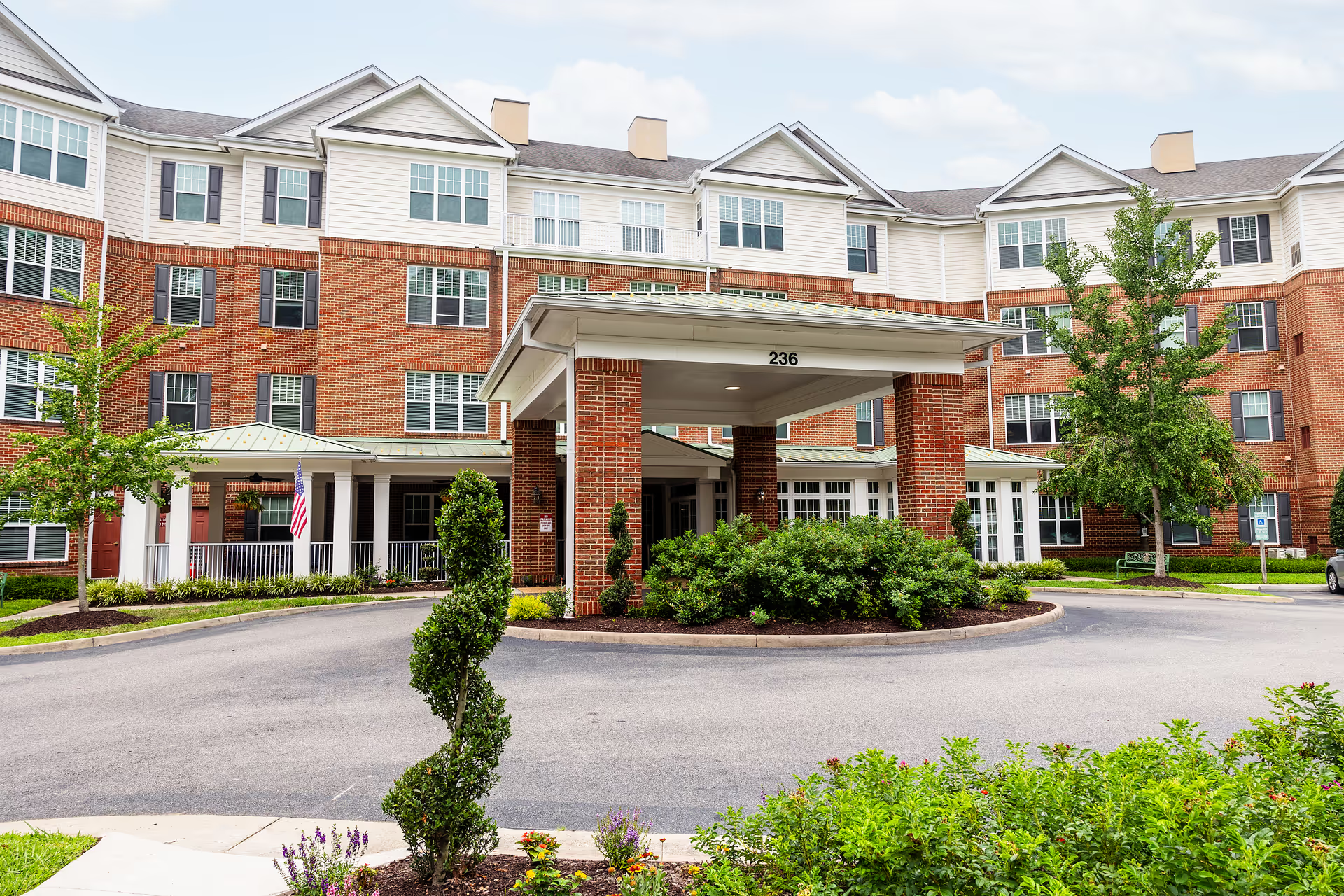
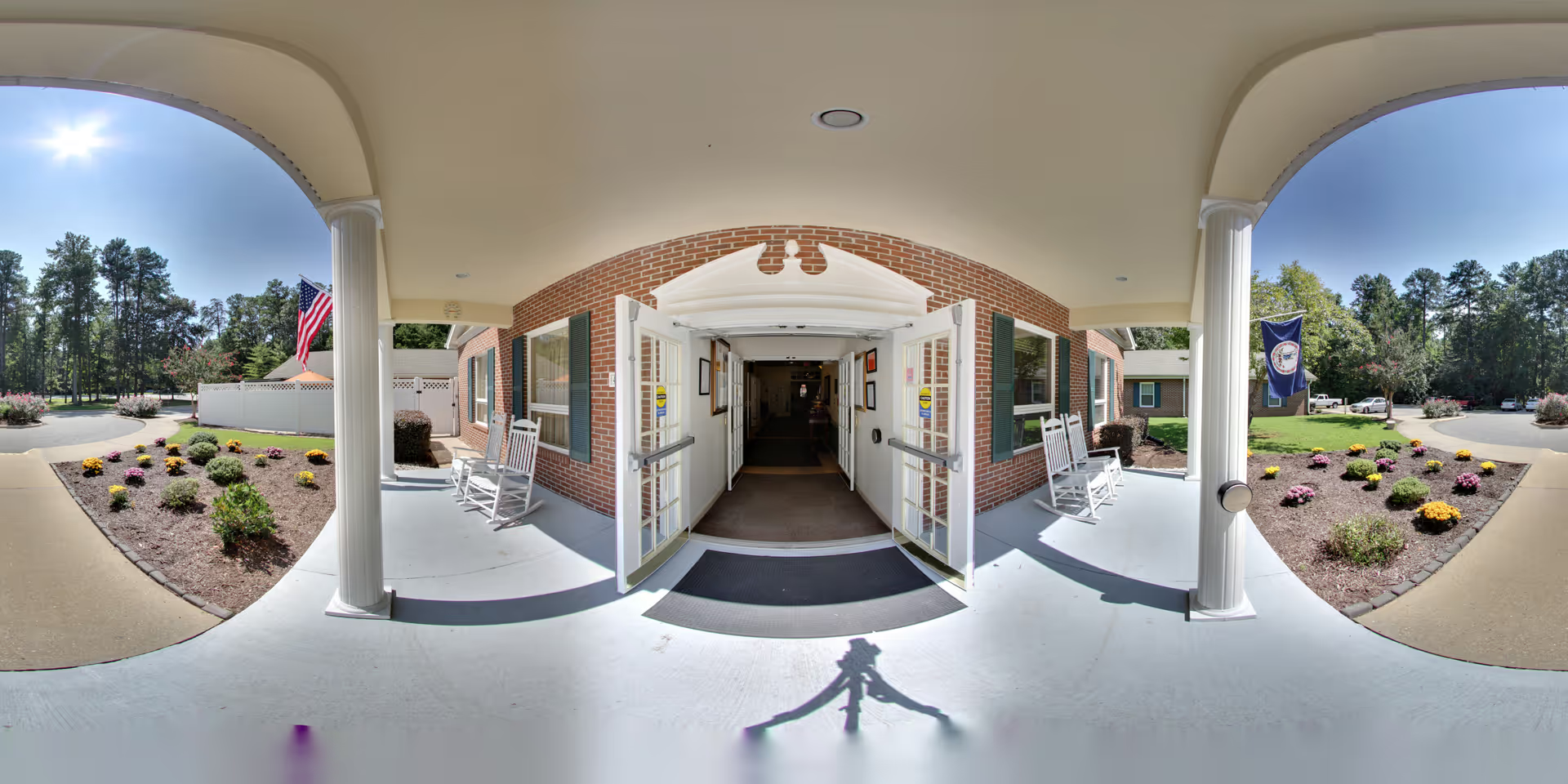
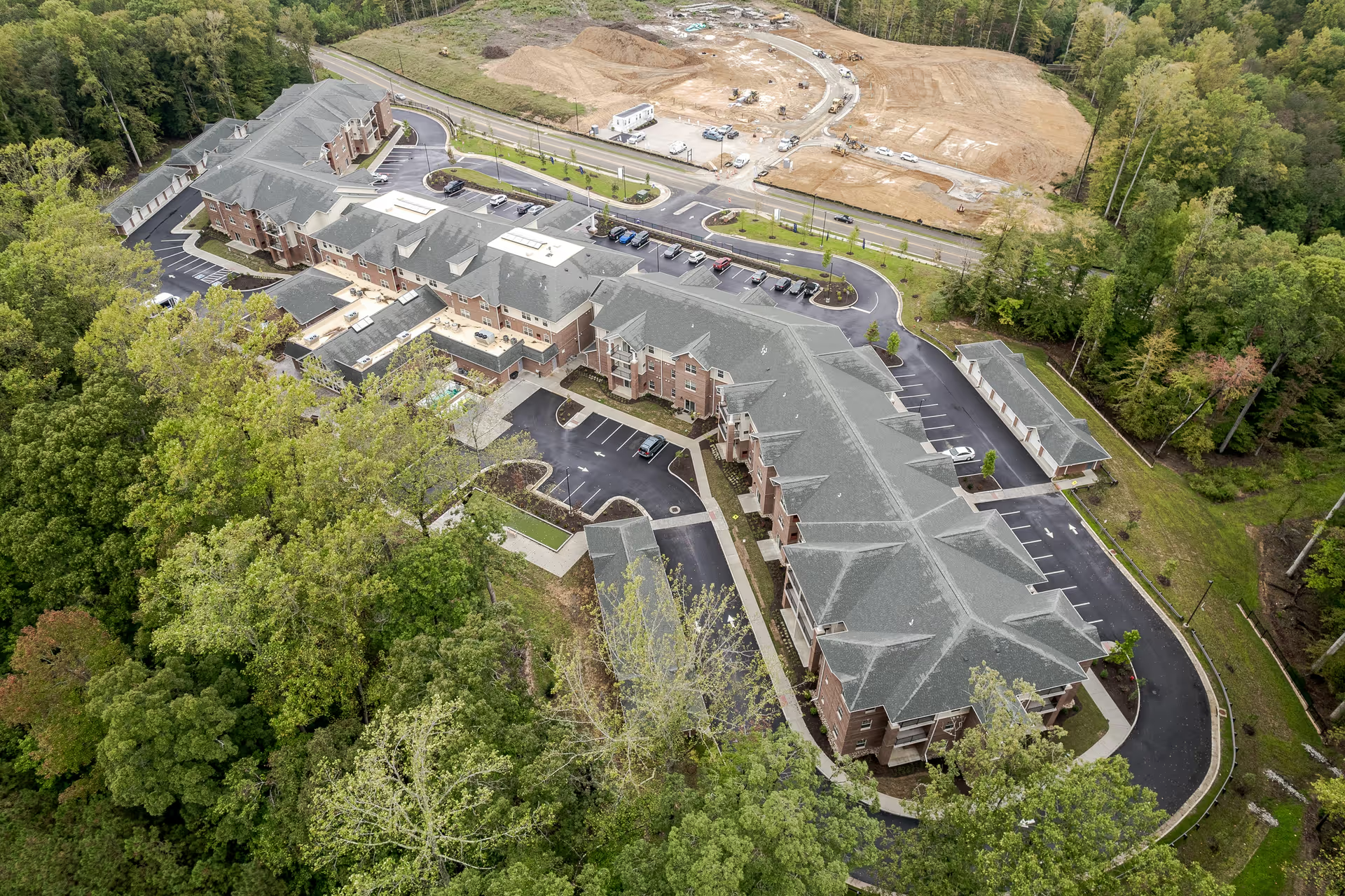
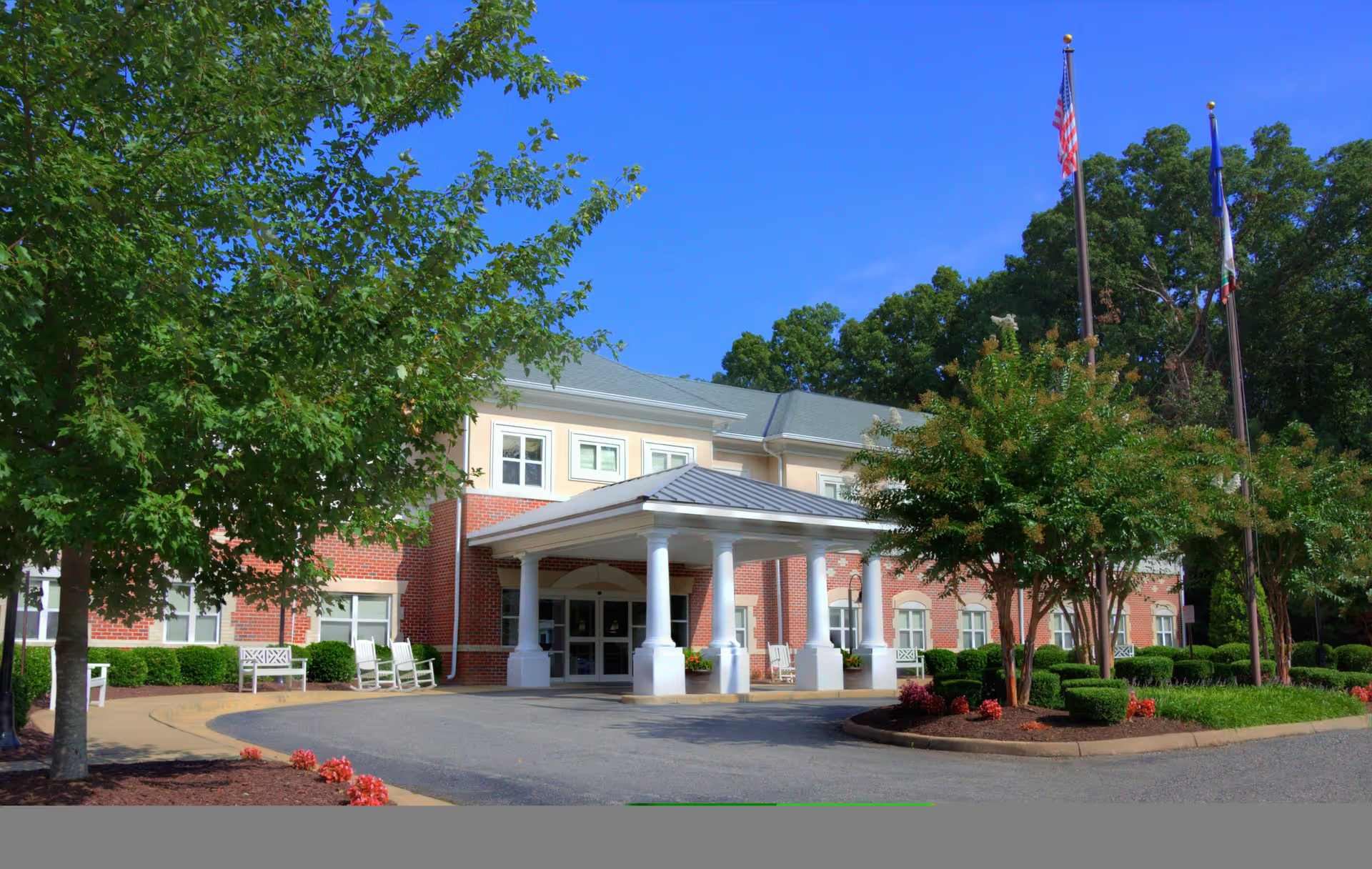
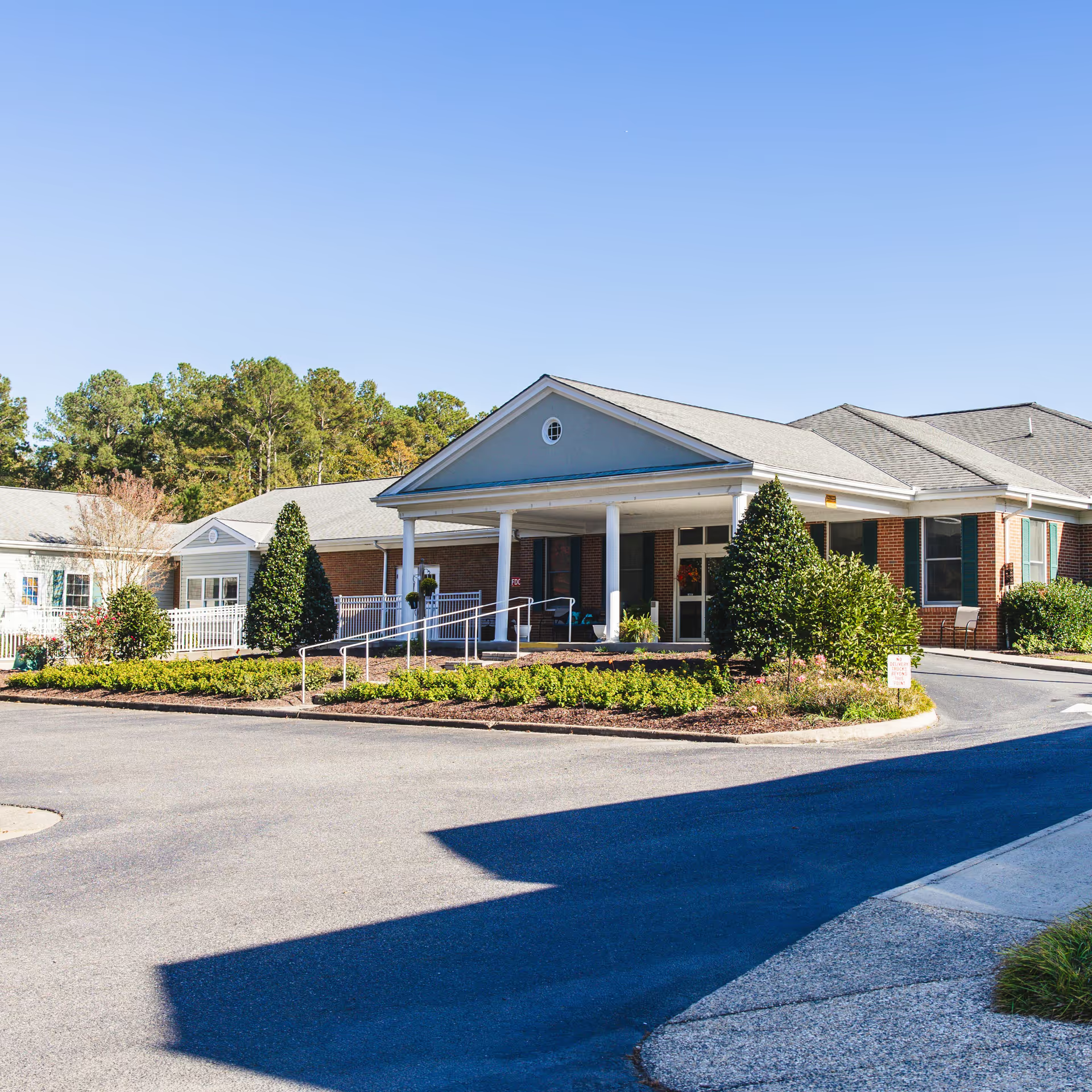
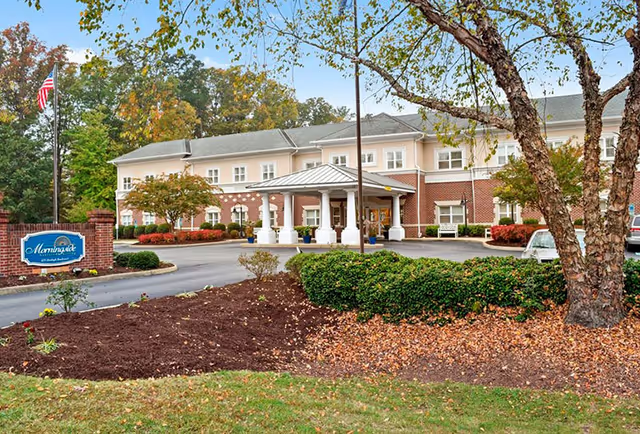
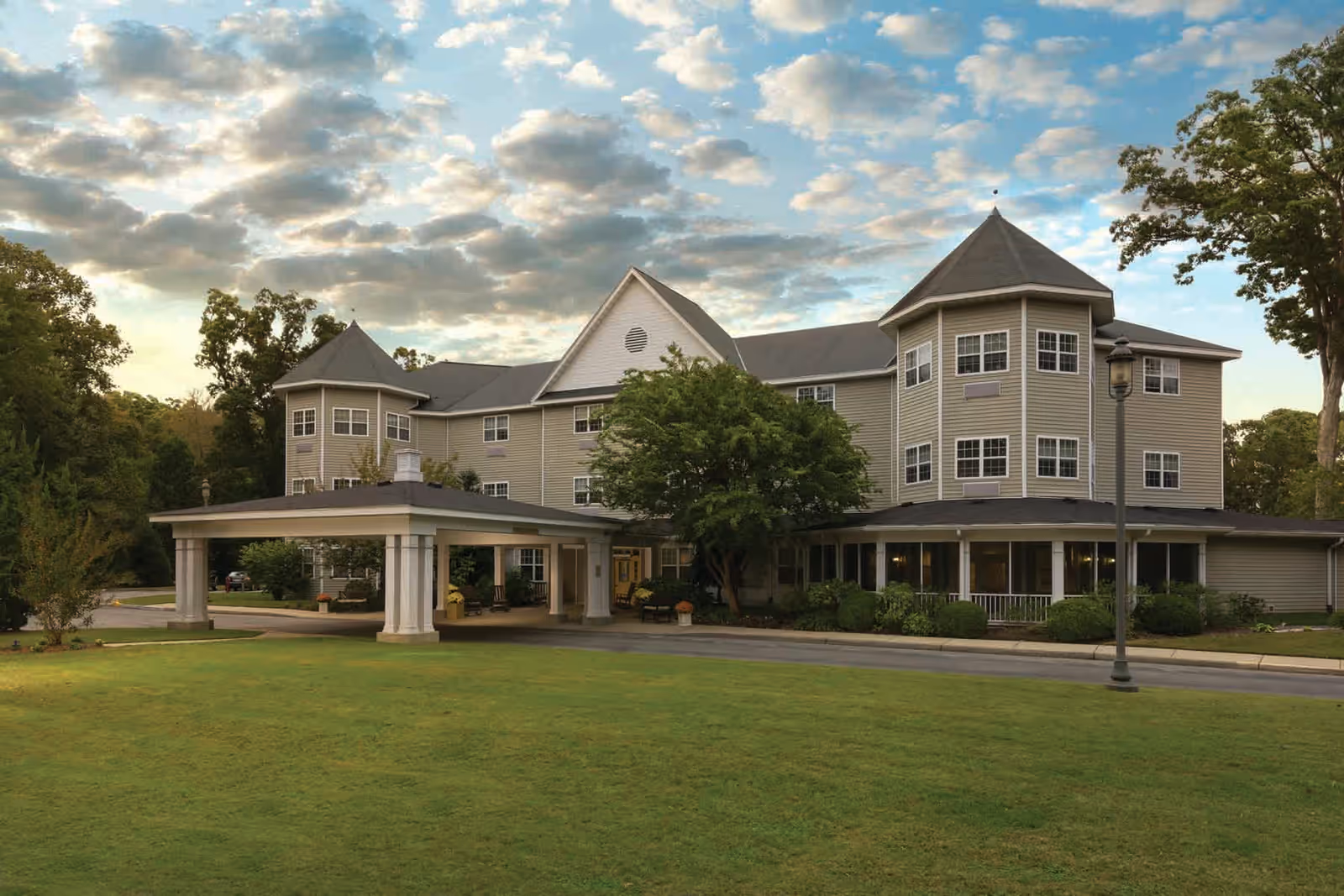
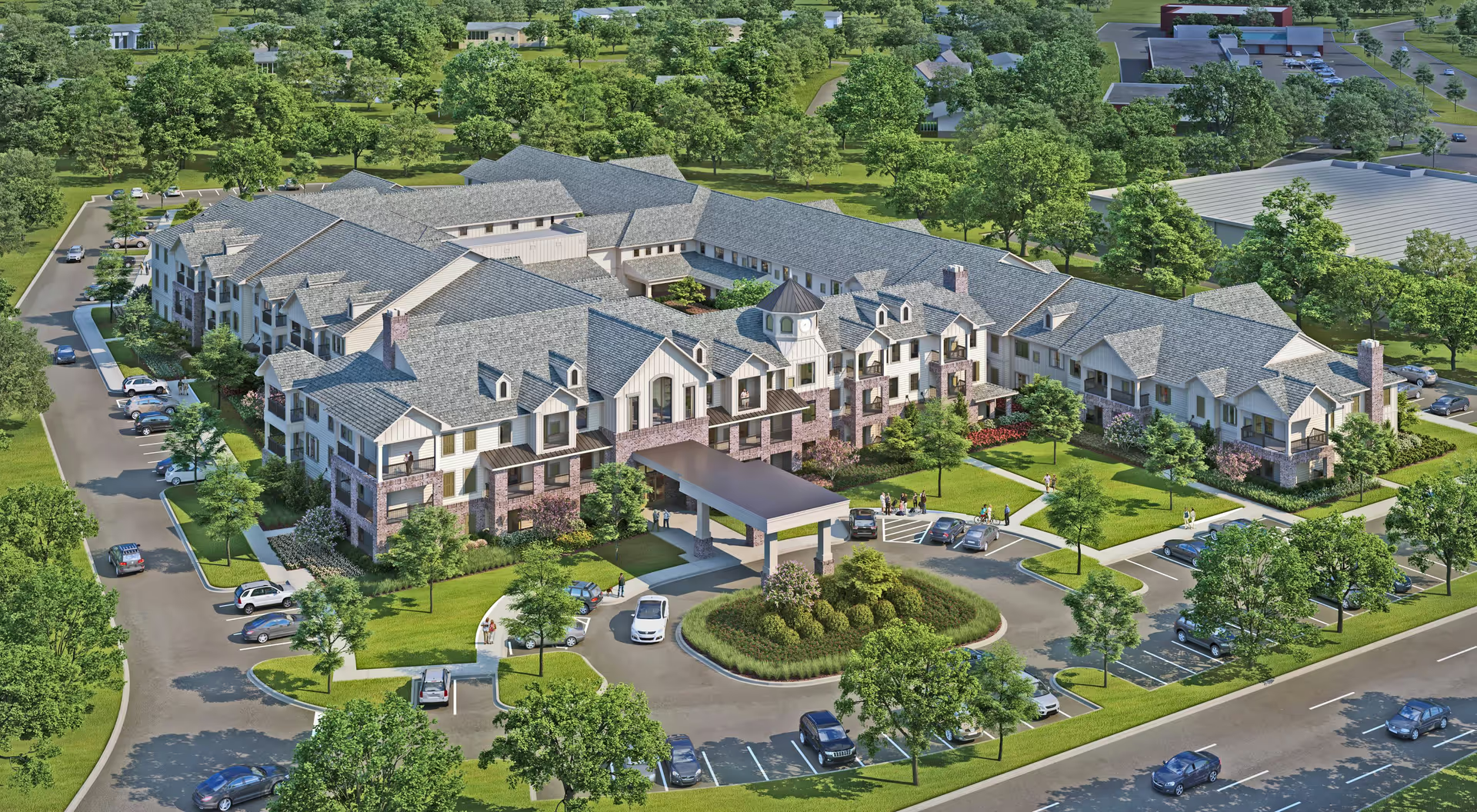
Brookdale Chambrel Williamsburg appears to be a well-resourced, campus-style senior living community that many families and residents find attractive for its grounds, amenities and social programming. Strengths that recur across feedback include a broadly warm and engaging staff culture, chef-driven dining in many units, a wide menu of daily activities (concerts, trips, exercise and pool classes, clubs and themed events), and a full range of housing options from independent cottages and villas to assisted- and memory-care units. The campus is frequently described as resort-like or hotel-like, with well-kept landscaping, walking trails, swimming pools, screened porches and comfortable common spaces that support socialization and outdoor living.
Care quality and staffing present a mixed picture. Many reviewers praise direct caregivers, nurses and activity personnel for compassion and attentiveness; several families highlighted staff who went above and beyond during move-in and transitions. At the same time, there are persistent operational concerns: staff turnover and inconsistent shift coverage were cited, and some families described variability in bathing/grooming schedules and continuity of personal-care delivery. Memory-care experiences are uneven — while some note a home-like memory unit with appropriate activities, others identify gaps in staffing levels, training and activity consistency that affect residents who require higher supervision or structured engagement.
Dining, activities and on-site services are frequently mentioned as major assets. A number of reviewers compliment the chef, menu variety and special meals; the community offers abundant programming, exercise classes, transportation, therapy services and social events that support active living. That said, dining quality and meal-service execution appear variable across time and care levels — complaints include temperature and availability inconsistencies and differing perceptions of menu quality. Maintenance, housekeeping and groundskeeping receive positive notes for responsiveness and cleanliness in common areas, though isolated sanitation and pest-control concerns were raised for some units, suggesting uneven facility maintenance attention in parts of the campus.
Management and administrative practices draw mixed evaluations. Positive comments highlight helpful admissions staff, smooth move-in assistance, and an engaged activity/resident council. Conversely, common operational criticisms concern communication gaps between families and leadership, inconsistent responsiveness from directors, unclear pre-admission requirements, and difficulties around billing and transfers. Several reviews cite substantial annual rate increases, additional a la carte service charges, and instances of unexpected fees or delayed refunds; these items point to the need for clearer, more transparent financial communication. The community’s large scale (many buildings and hundreds of residents) is experienced positively by those seeking variety and programming, but families who prefer more individualized attention note that size can limit one-on-one staff time.
Notable patterns: the overall impression is polarized — many residents and families describe a high-quality, active, well-staffed community with strong amenities, while a subset of experiences highlights operational inconsistency in clinical care, family communication, pricing transparency and unit-level maintenance. Prospective residents and families should weigh the facility’s strong programming, setting and services against the variability in care continuity and administrative transparency. When evaluating Chambrel Williamsburg, it would be prudent to ask specific, operational questions about staffing ratios, memory-care staffing and activities, bathing/grooming schedules, pest-control protocols, transfer policies and written fee schedules to align expectations with the parts of the community that are most important to the prospective resident.