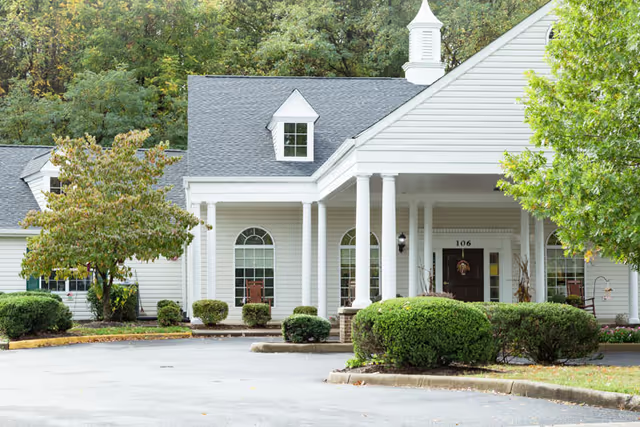
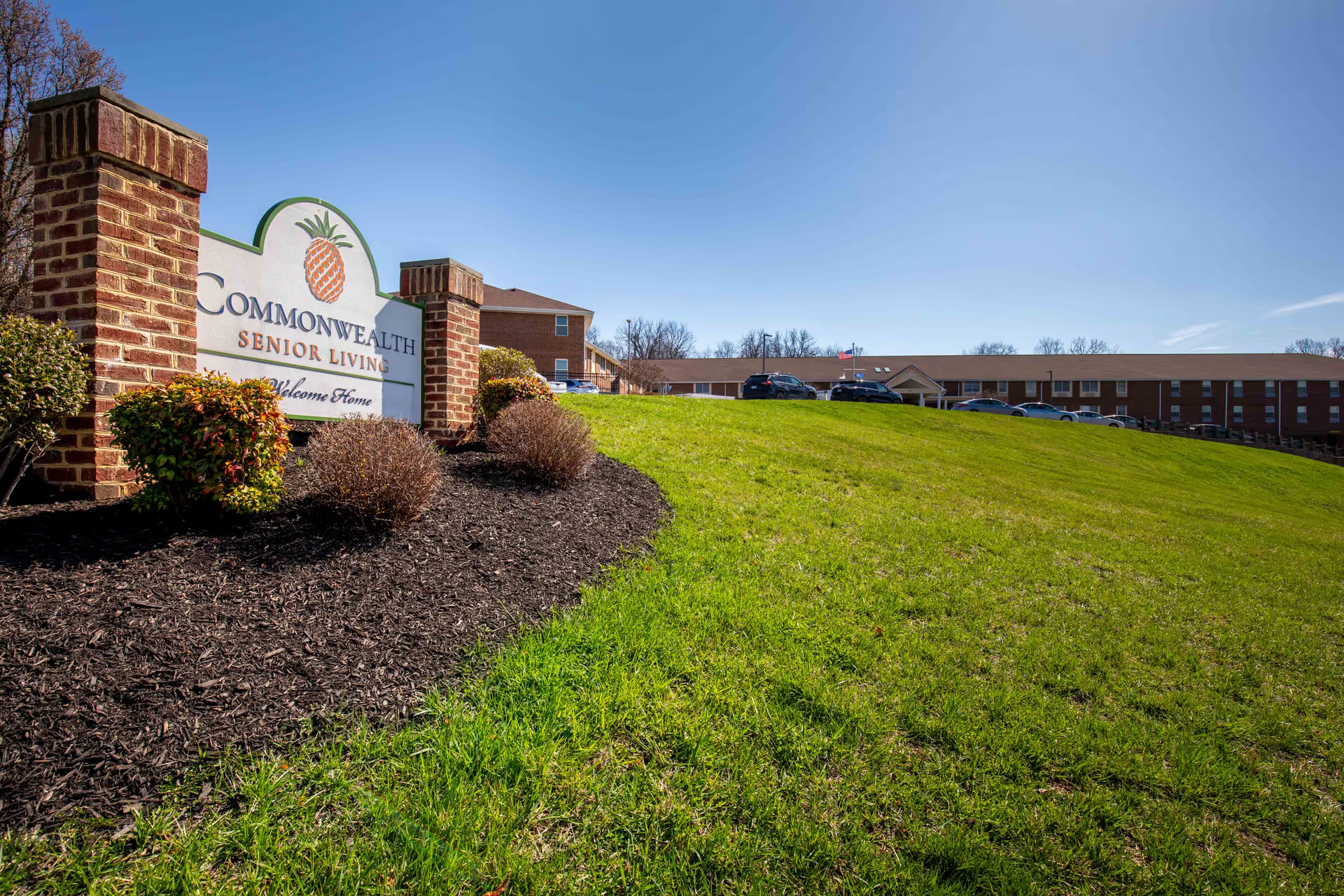
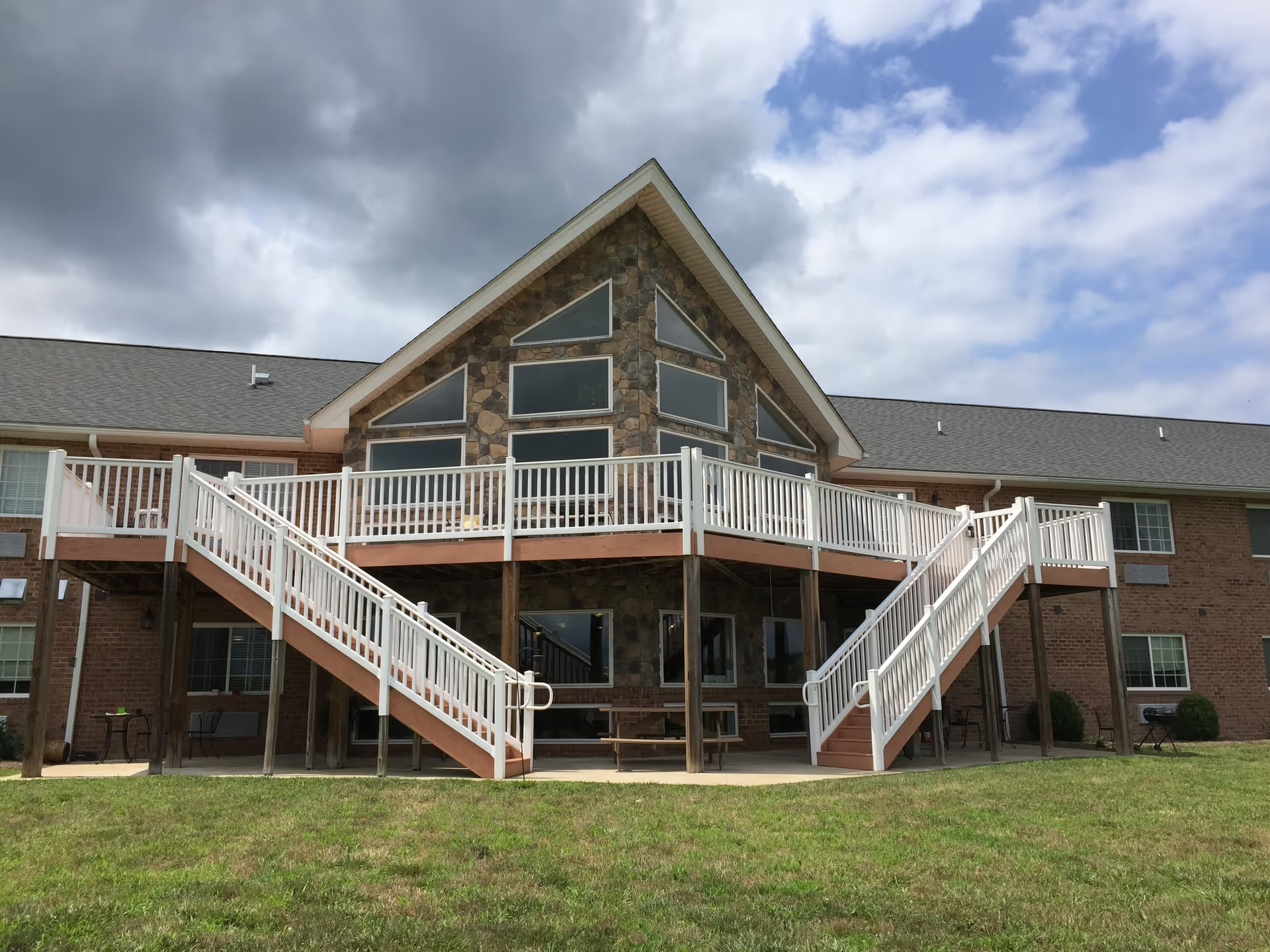
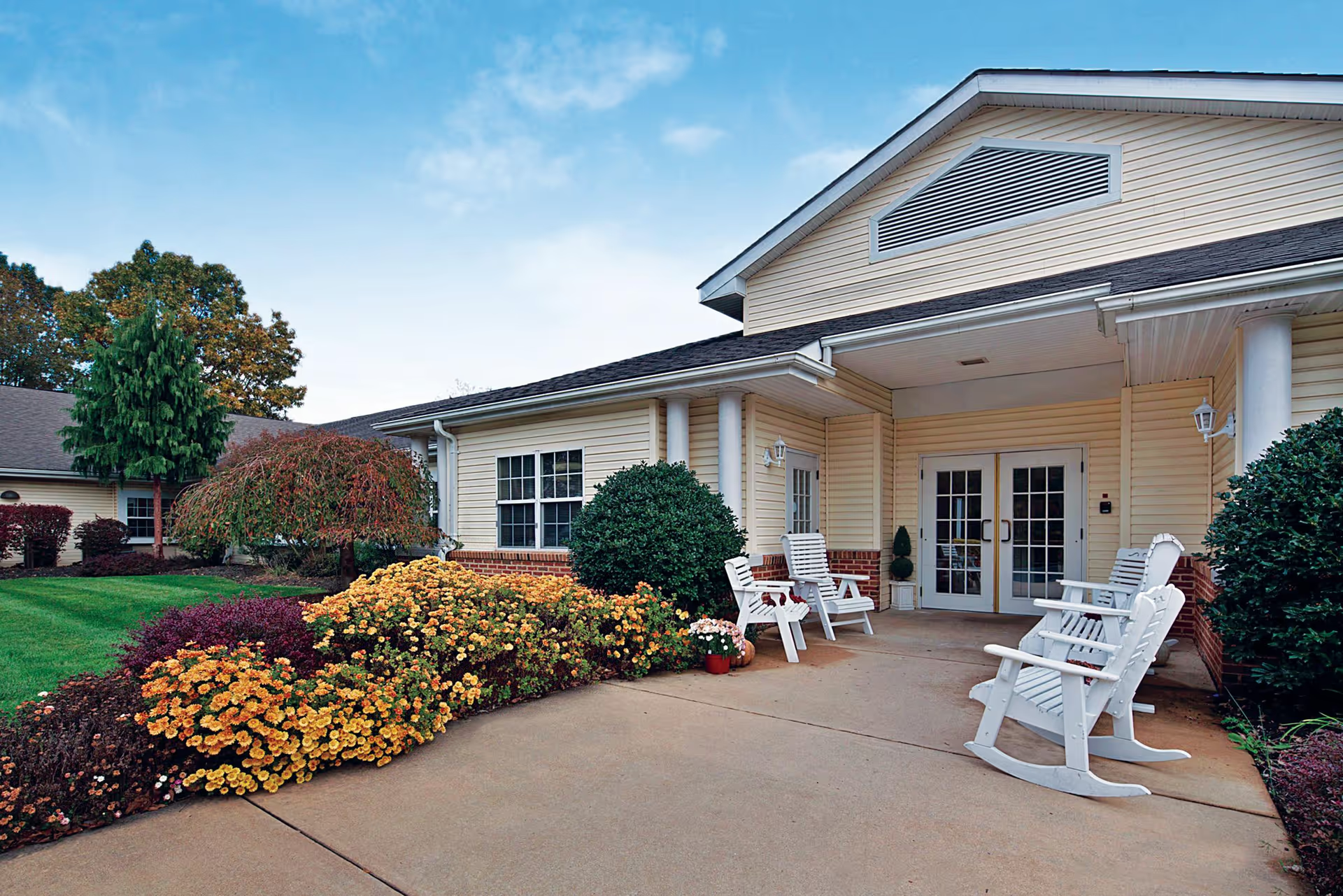
The reviews present a distinctly mixed picture of Hilltop. Many families describe an environment where caregivers are compassionate, personal, and attentive; the facility offers a clear memory-care wing, active programming, on-site therapies and amenities, and generally well-maintained public areas and outdoor spaces. For these families, Hilltop provides meaningful engagement, home-style meals, routine care-plan updates, and a family-like culture supported by visible leadership.
At the same time, a recurring cluster of operational concerns appears across the feedback. Staffing levels and turnover are the most consistent negative theme: understaffing and frequent personnel changes are linked to delayed responses, intermittent front-desk coverage, and uneven presence of clinical staff. Related to staffing, there are documented weaknesses in medication administration and documentation, including examples of missed or delayed doses and consequent clinical impacts. These clinical-control gaps are echoed by mentions of regulatory inspection issues around tracking medications and care records.
Dining and housekeeping elicit polarized responses. Several families praise homemade meals, ample portions, and multiple dining spaces, while other families describe declines in food quality and inconsistent dining-area upkeep following management changes. Cleanliness is likewise mixed: many reviewers call the facility spotless and well-maintained, but others raise sanitation concerns, odor concerns in certain areas, and lapses in room-level housekeeping.
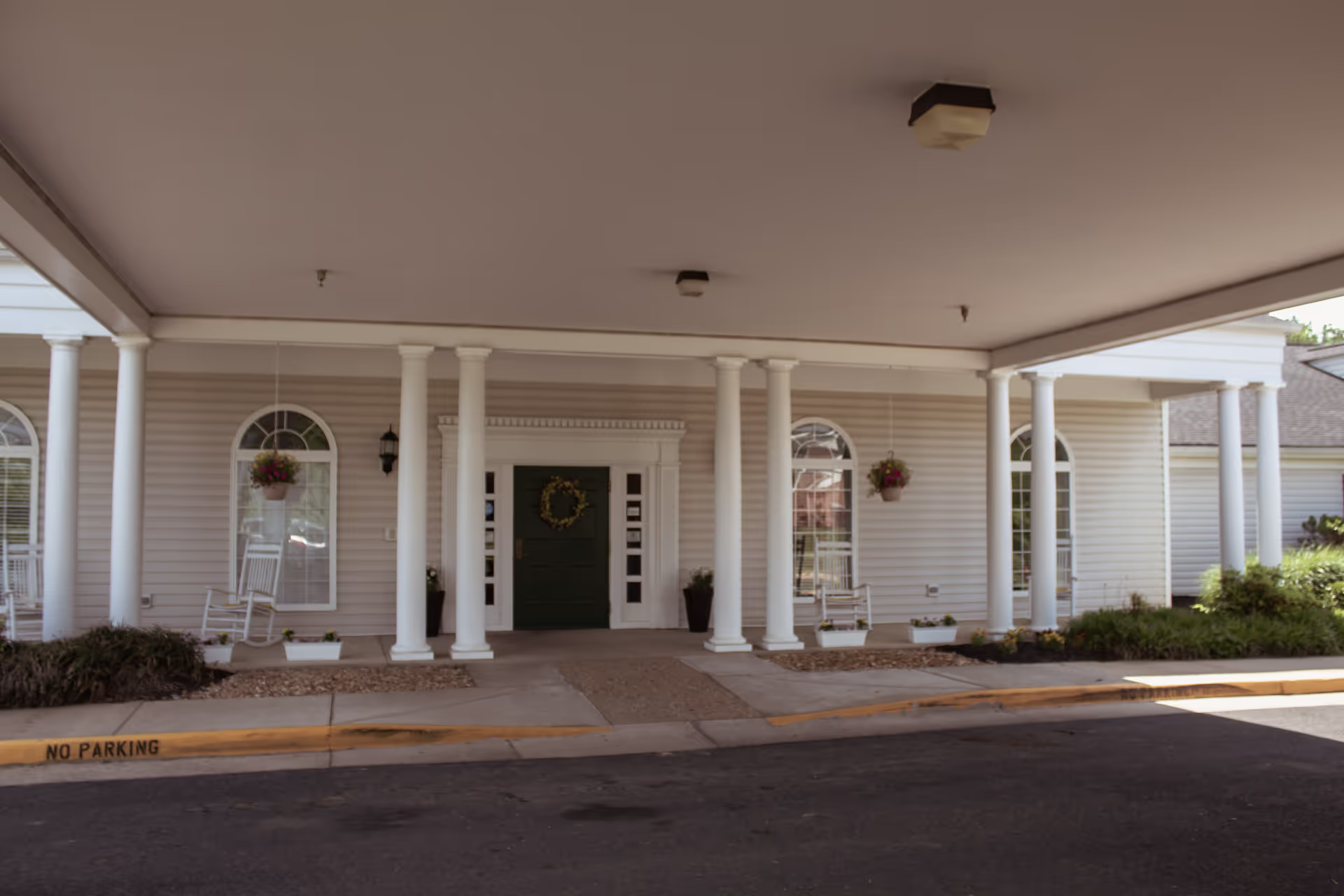
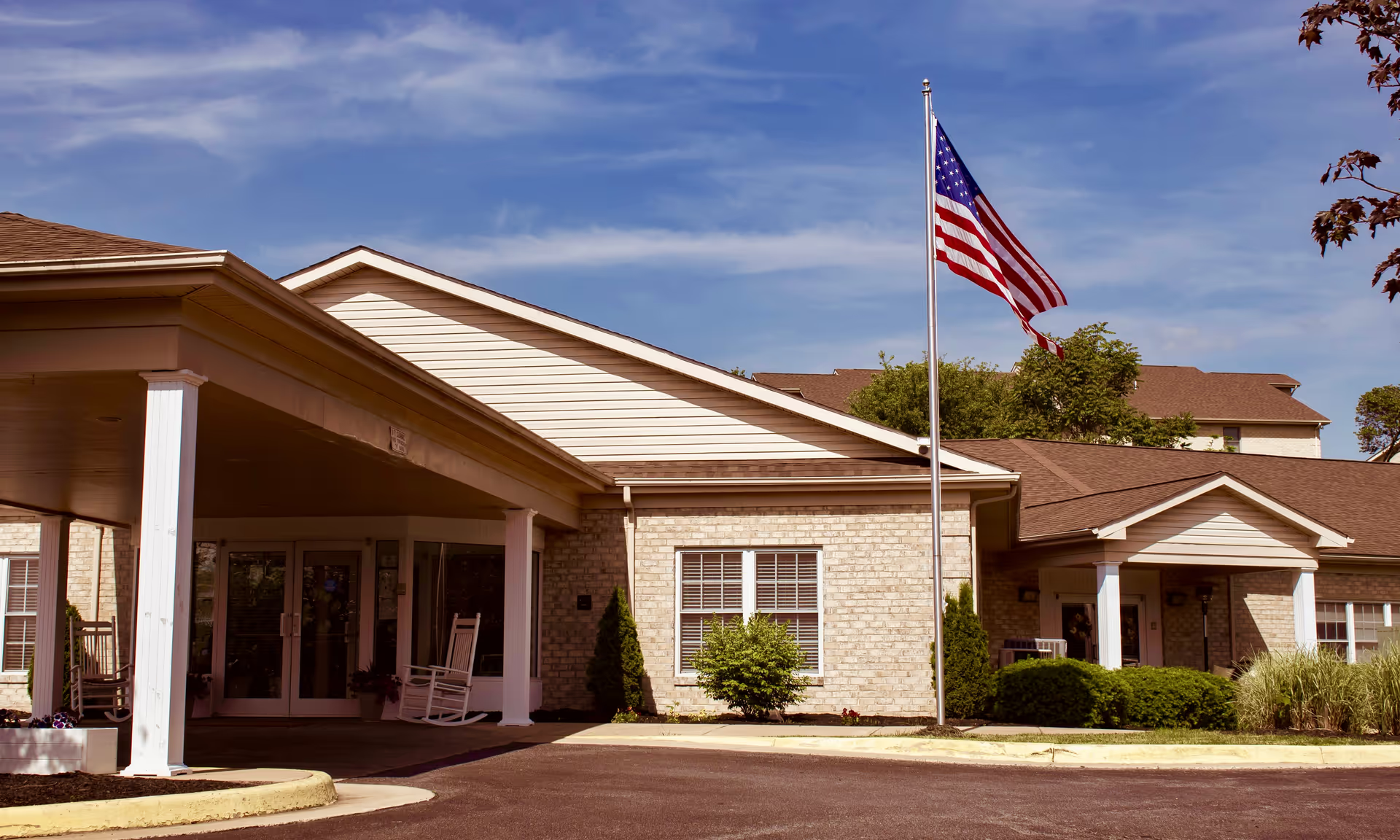
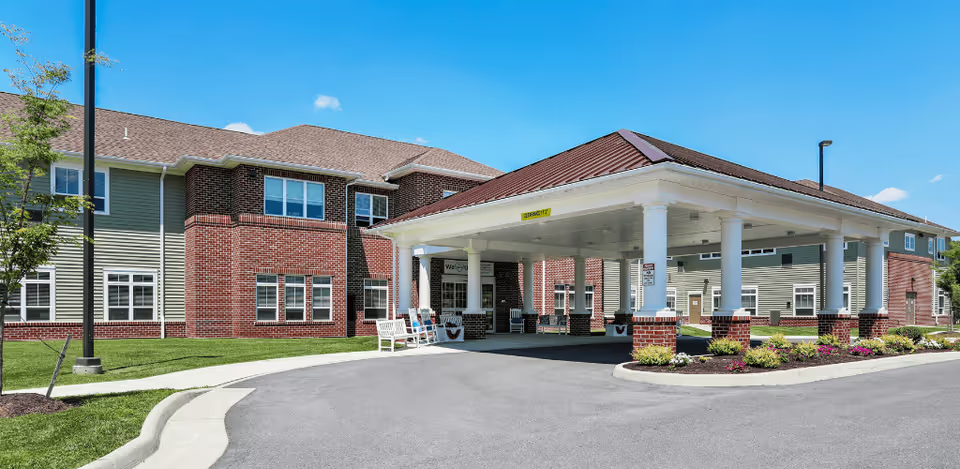
Activities, physical spaces, and memory-care programming are generally strong points. Reviewers frequently cite singalongs, physical activities, movie nights, outings, and dementia-appropriate engagement in the locked memory unit. Facility features noted positively include private rooms in memory care, enclosed outdoor areas, a salon, therapy services, and a welcoming admissions tour. However, some units are described as small or dormitory-style and certain residents experienced privacy or security issues such as missing personal items or room intrusions that warrant attention.
Management and communication show wide variability. Some families describe seamless communication, transparent leadership, and responsive administrators who provide timely updates and photos. Others report abrupt changes after an ownership transition, increased costs, reduced staffing, billing and phone-system problems, and occasional dismissive communication from admissions or front-desk staff. There are also serious individual claims—including allegations of theft and medication mishandling—that prospective families should investigate directly with management and regulators.
Taken together, the pattern suggests that resident experience at Hilltop is highly dependent on current staffing levels, recent management changes, and unit-level practices. Prospective residents and families should prioritize an in-person visit during peak staffing hours, review recent inspection findings and medication-tracking procedures, ask for details about staff turnover and weekend/after-hours nursing coverage, observe meal service and housekeeping, and clarify transportation and specialist-access protocols. Confirm who manages dementia-care training and request examples of care-plan communications to understand how the facility supports clinical continuity and resident privacy.