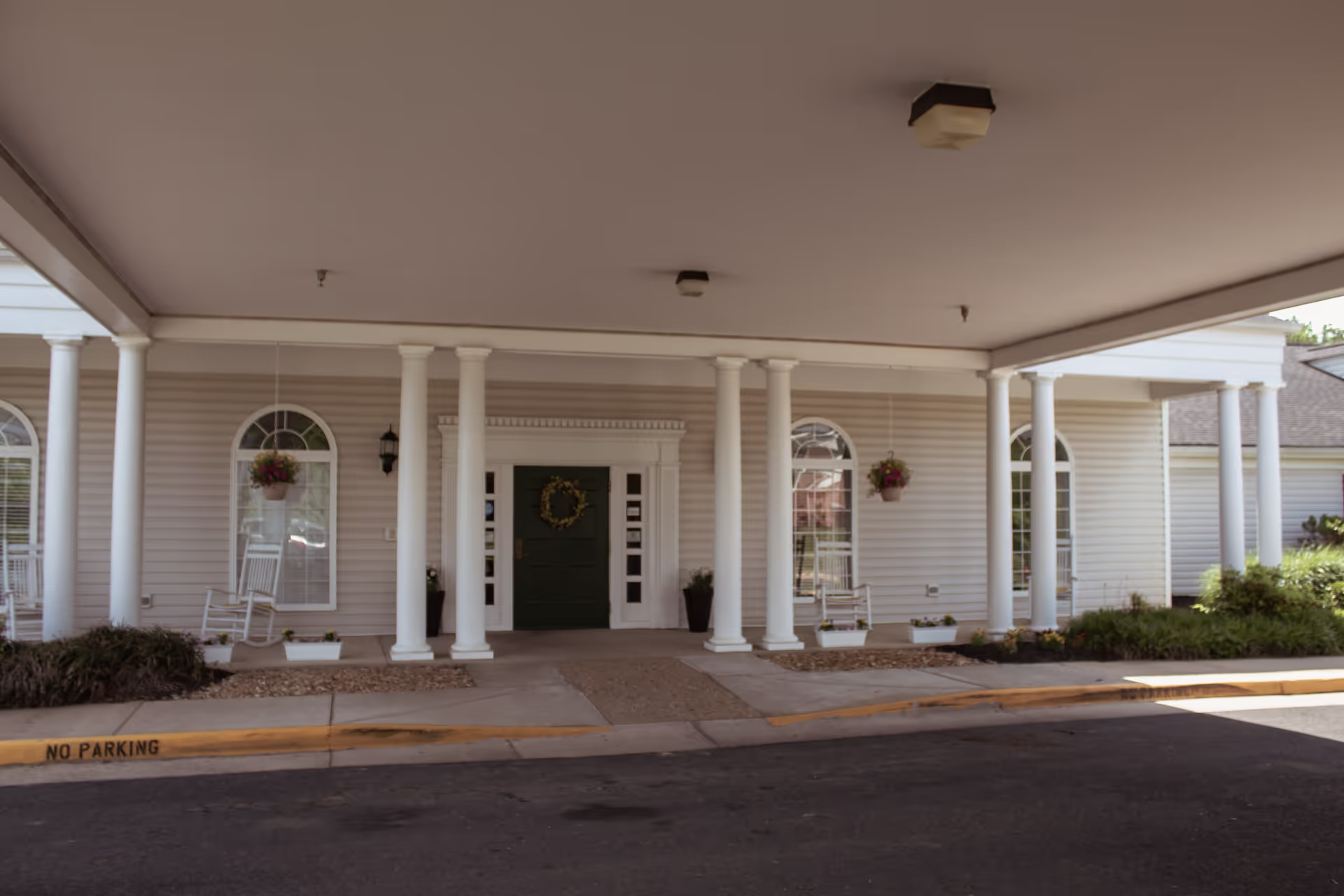
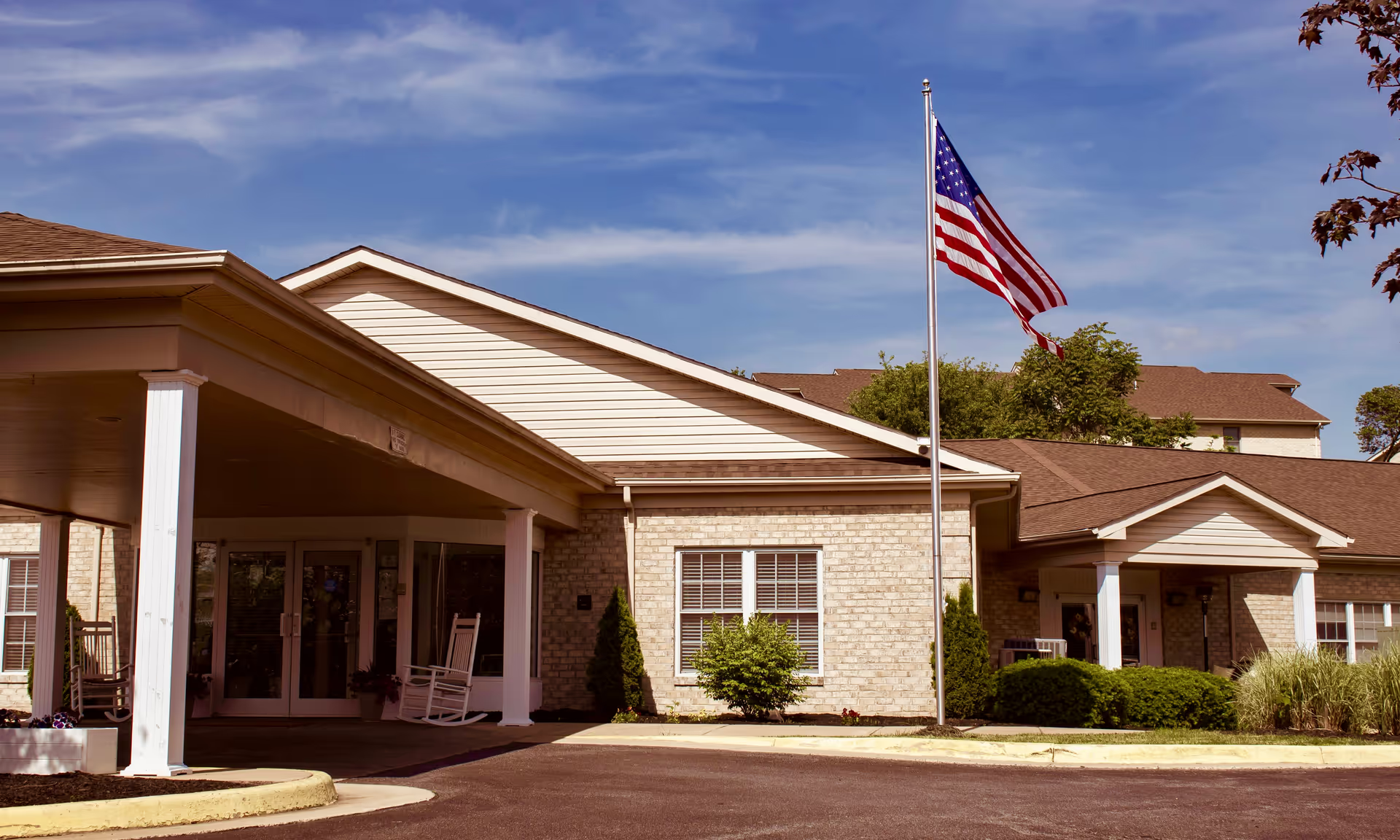
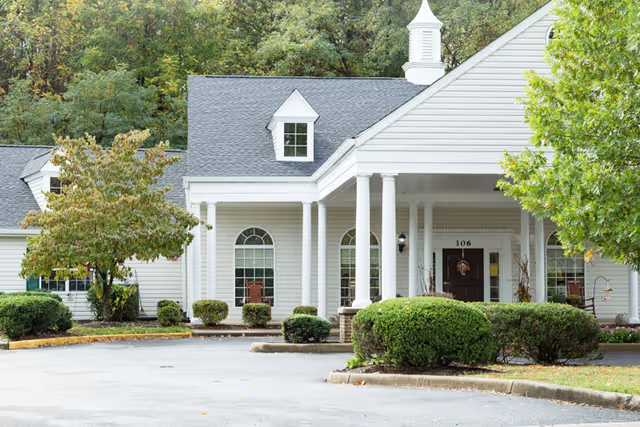
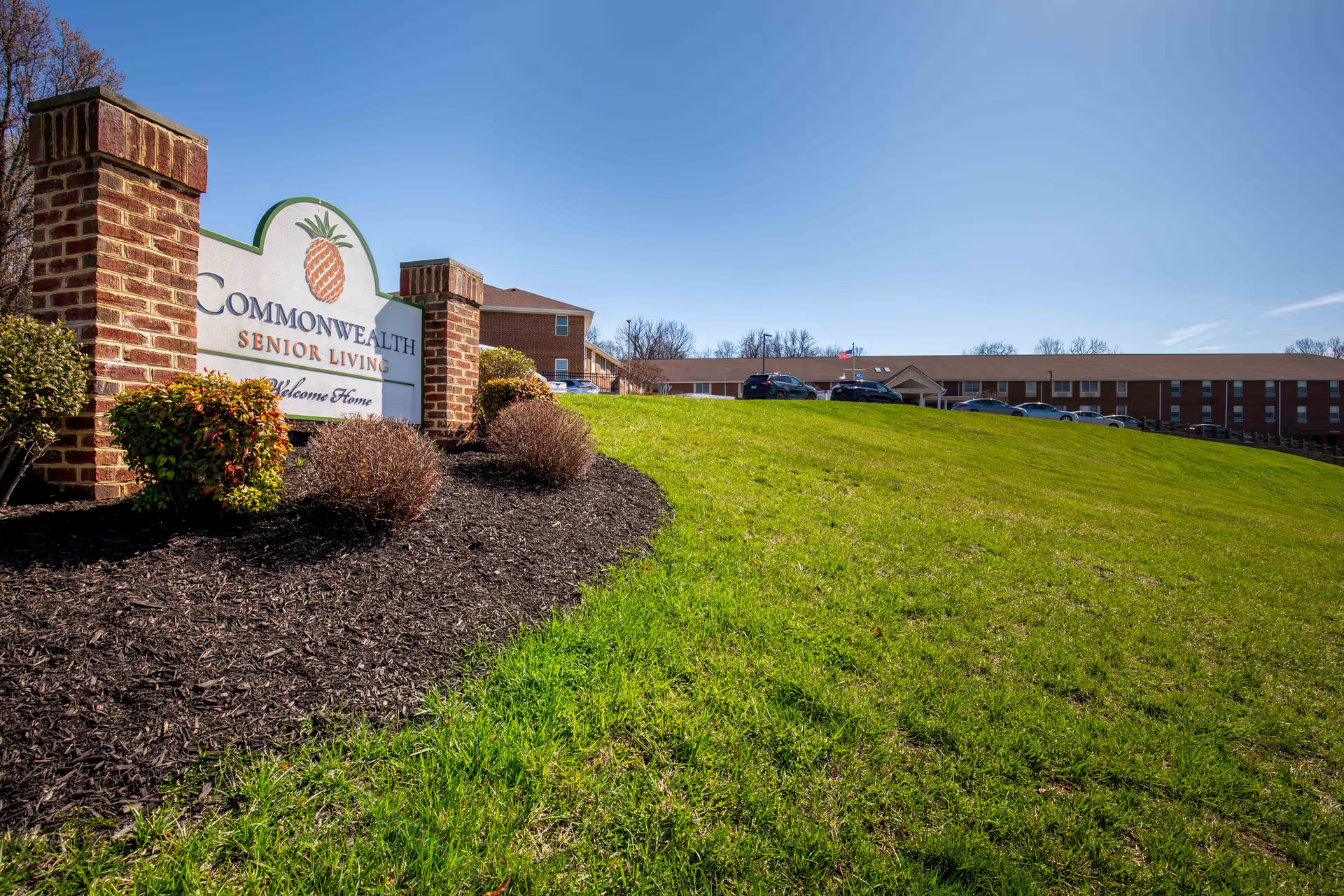
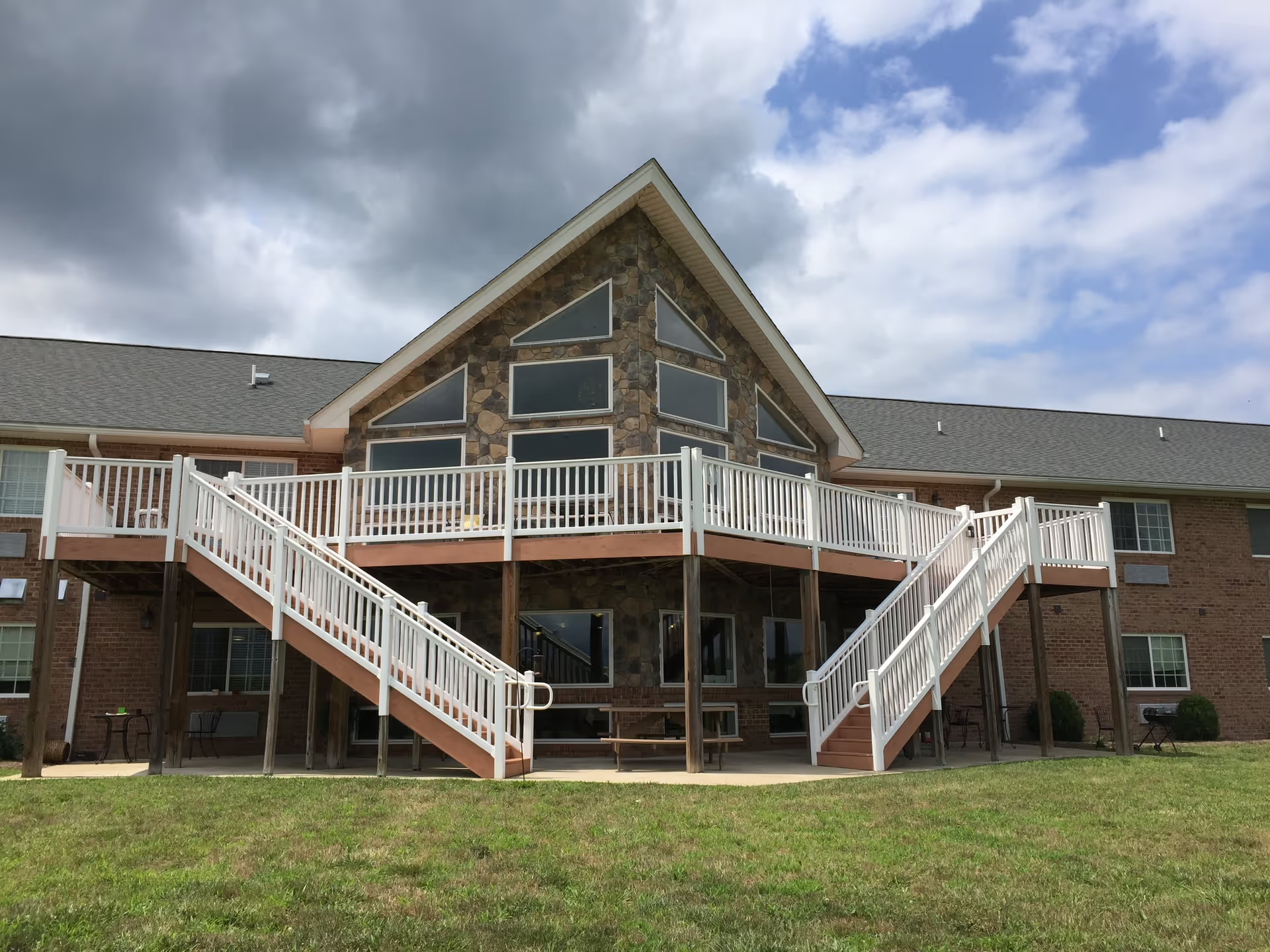
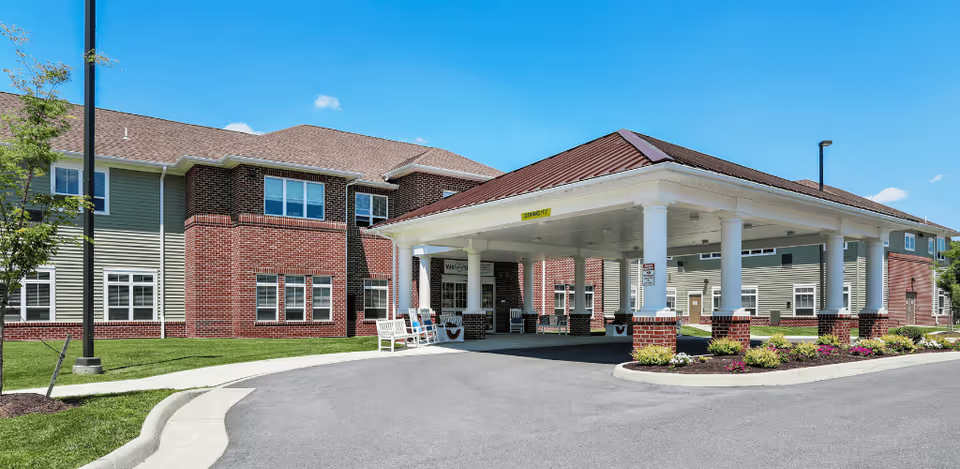
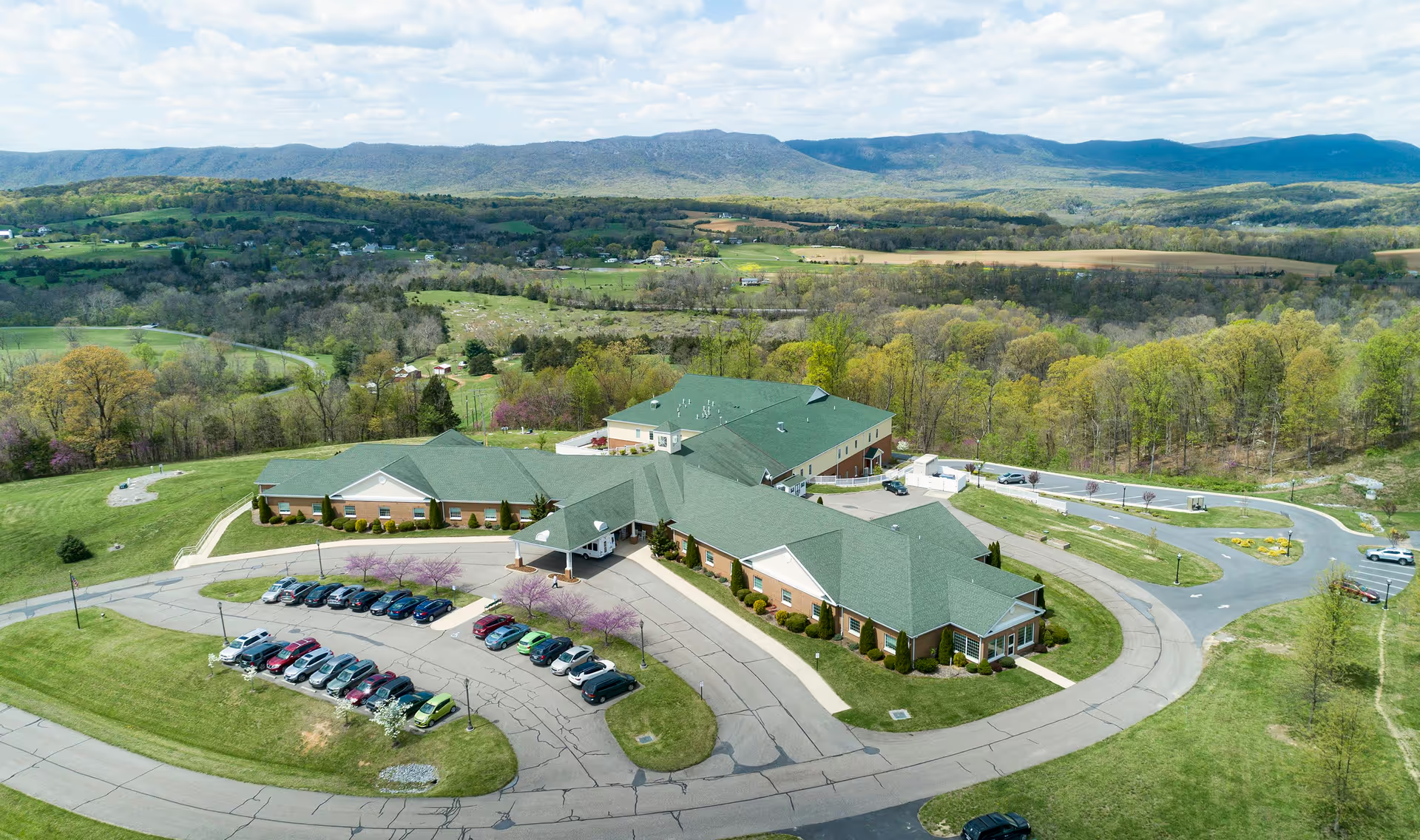
The Willows at Meadow Branch presents as a well-appointed, attractive senior living community with many features that families and residents consistently praise. Physical facilities and common areas are frequently described as clean, tasteful, and well maintained; the dining room and grounds receive particular positive attention. On-site amenities such as a salon/barbershop, therapy gym, outdoor walking areas, and a secure memory-care wing contribute to a residential, homelike environment. Admissions and move-in processes are often characterized as efficient and welcoming.
Care quality descriptions are mixed. Numerous families note compassionate, individualized caregiving, long-tenured aides who know residents by name, and effective therapy services (PT/OT) that have supported rehabilitation and mobility goals. Conversely, multiple accounts indicate instability in clinical staffing — specifically high nursing turnover and periods with limited licensed nurse presence — producing concerns about medication management, hydration monitoring, and overall clinical oversight. These operational gaps appear to be the primary source of clinical-quality variability cited across reviews.
Staff culture is similarly mixed in the feedback. Many reviewers commend warm, attentive frontline caregivers, a helpful reception team, and housekeeping staff who maintain a spotless atmosphere. However, there are recurring concerns about staffing shortages, overworked caregivers, occasional unprofessional conduct or inappropriate conversations in public areas, and after-hours responsiveness. When staffing is adequate, families frequently highlight personalized attention and proactive communication; when staffing is strained, families report slower responses and communication lapses.
Dining and activities are strengths for many residents but inconsistent for others. Several reviewers praise an elegant dining room, varied menus, accommodations for individual diets, and staff who learn resident preferences. At the same time, others describe variable meal quality, overly salty or reheated options, and instances where dietary restrictions were not consistently followed. Programming includes music, church services, classes, and social events; yet off-site outings and group activity attendance have been limited for some time, and families note fewer outings or activities suited to more independent residents.
Management and administrative patterns show both positive and problematic elements. Positive comments reference an open-door administrator, efficient admissions staff, and visible owner engagement. Critical feedback centers on perceived emphasis on appearance and marketing, upfront holding and deposit fees, occasional aggressive sales tactics, and inconsistent transparency on billing and supply charges. Infection-control practices and vaccination logistics were another area of concern for some families, who described policies that felt inflexible or required external arrangements to meet public-health requirements.
Taken together, the dominant pattern in the reviews is a facility with strong physical assets, many dedicated frontline caregivers, and meaningful therapy and activity offerings, offset by operational challenges tied to nursing staffing and clinical oversight, variable dining consistency, and intermittent communication and billing transparency issues. Prospective residents and families should weigh the facility's strong amenity and hospitality profile against these operational patterns, ask targeted questions about current licensed nursing coverage, medication-safety protocols, activity schedules, billing practices, and infection-control procedures, and consider arranging multiple visits (including during peak care times) to assess staffing and responsiveness in practice.