Pleasant Comfort AFH is described consistently as a small, homelike residential setting with a family-oriented culture. Reviewers emphasize personalized, tender caregiving and an overall atmosphere in which residents are treated like family. The facility’s smaller scale appears to support close caregiver–resident relationships and frequent, attentive interaction.
Care quality is commonly described as attentive and proactive. Families highlighted prompt medical attention when changes were noted and compassionate support during end-of-life transitions. Staff are characterized as kind and caring; reviewers expressed confidence that residents were in “good hands.” The owner is described as communicative and considerate, which appears to support ongoing family engagement.
Dining and daily living are recurring strengths. Meals are prepared from scratch and reviewers specifically praised the inclusion of home-grown vegetables. Housekeeping practices, including daily laundry and a spotless interior, were noted repeatedly. These operational features contribute to an impression of good sanitation and orderly household routines.
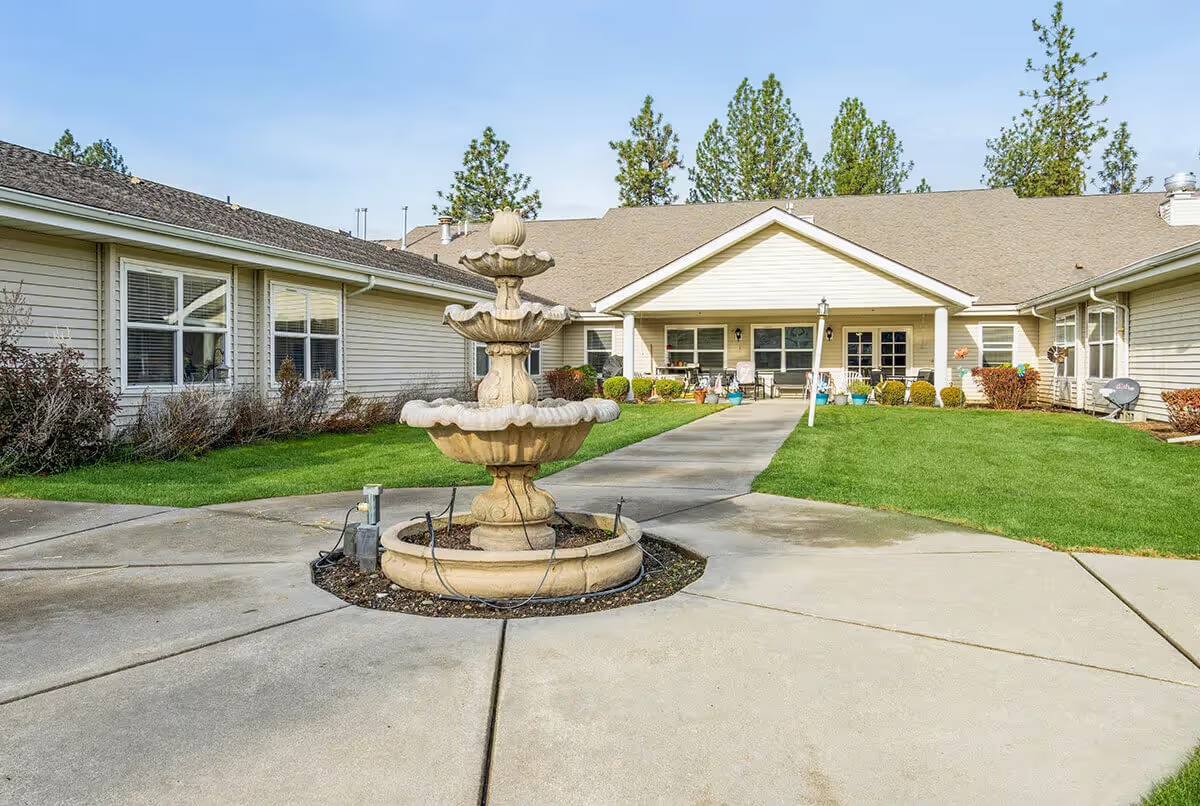
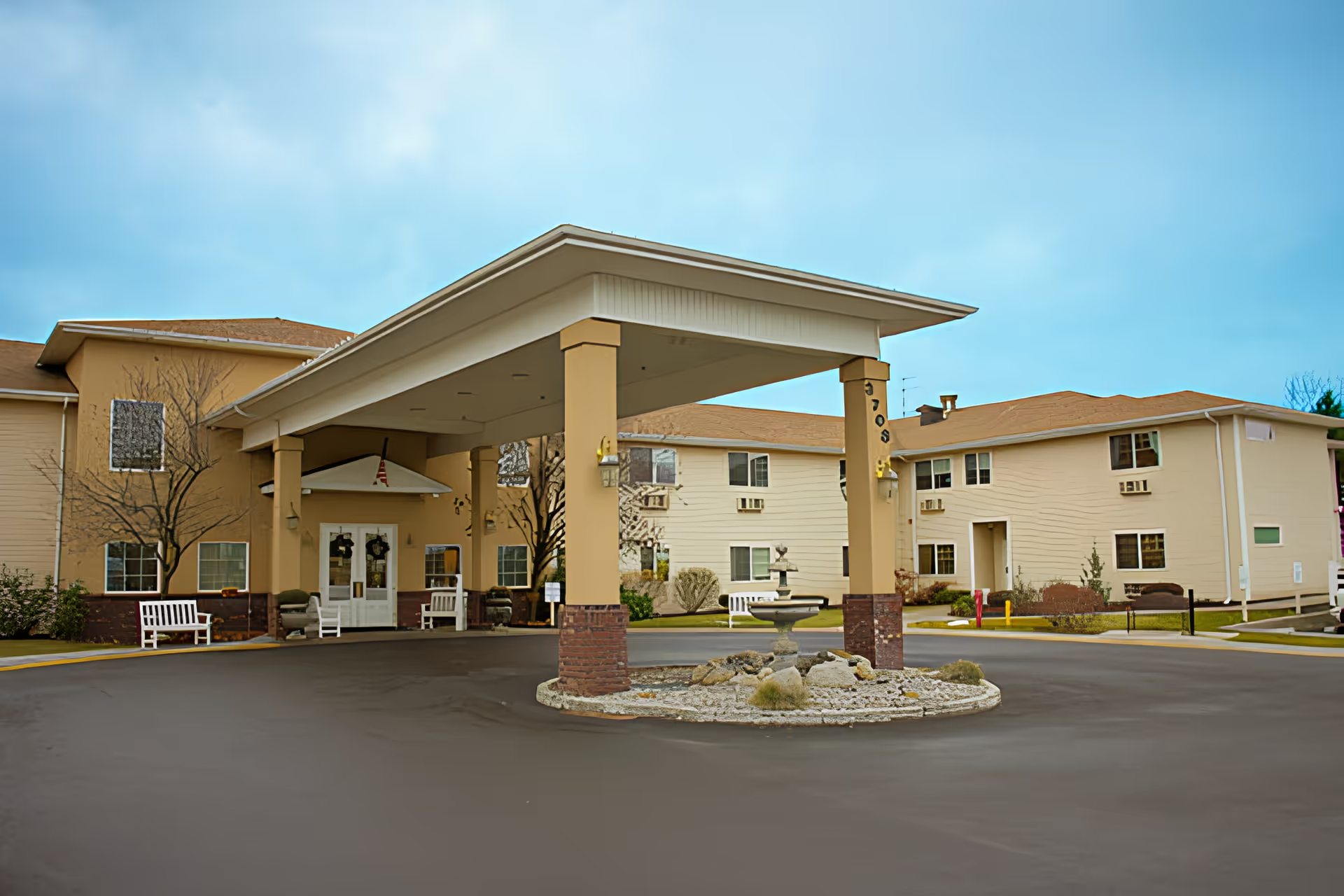
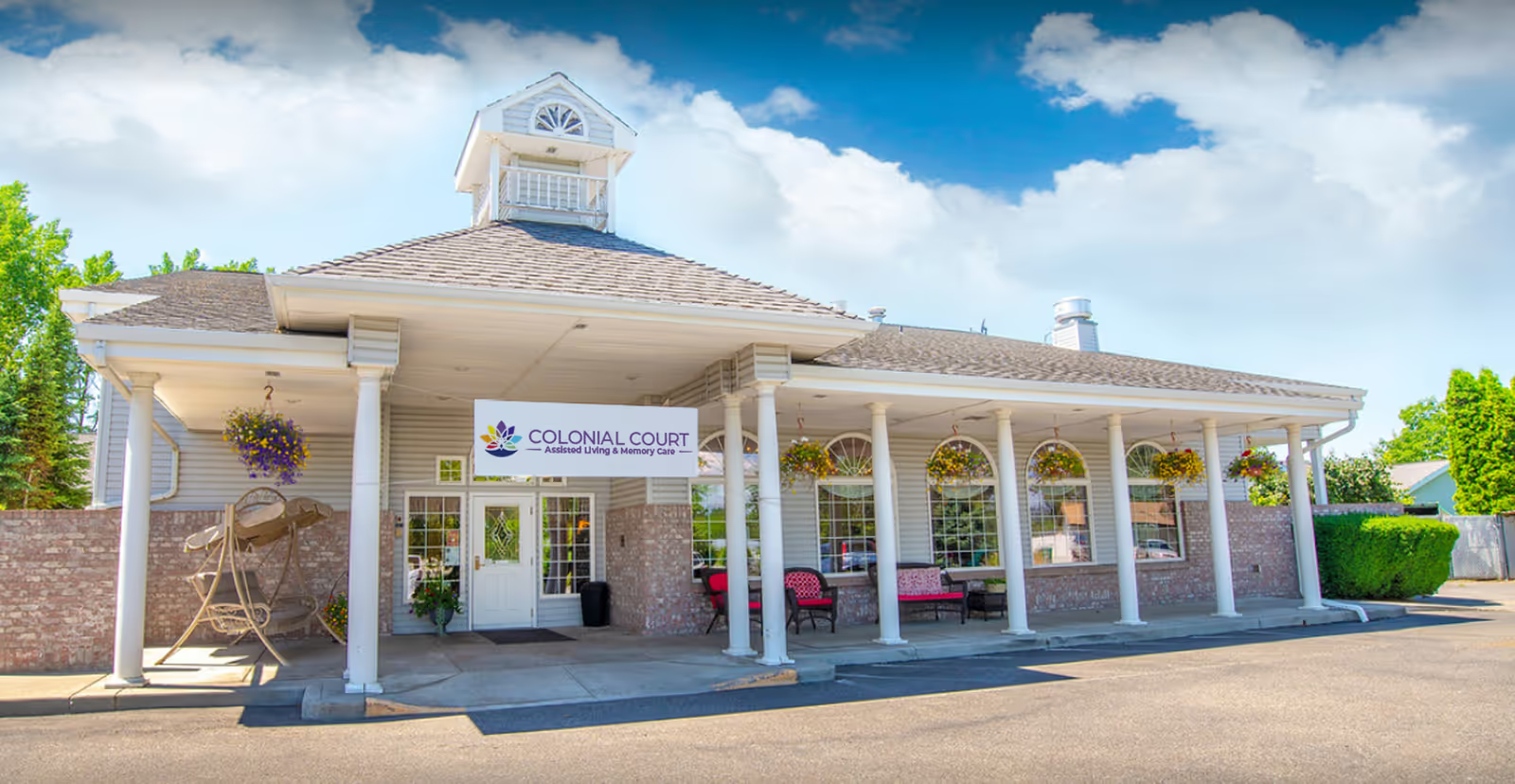
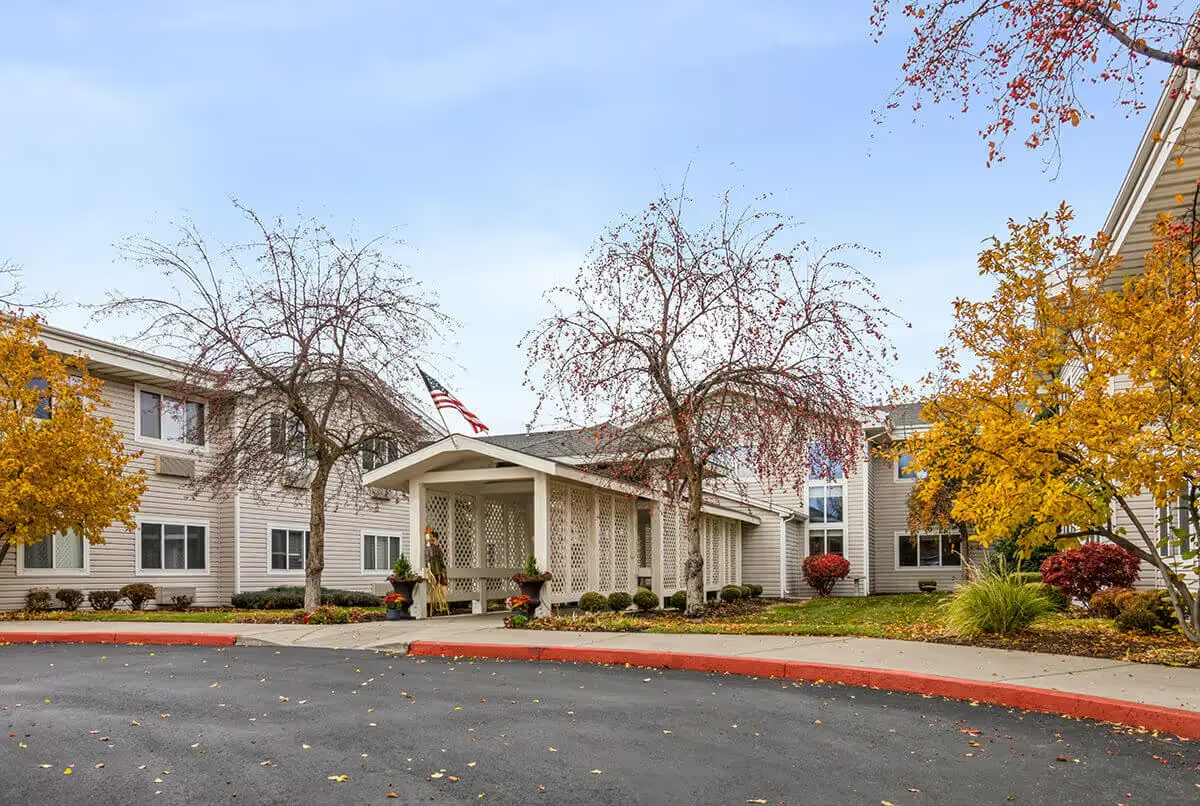
The property and communal spaces are presented as inviting: reviewers mentioned a garden, flowers, a covered patio and a gazebo that enhance the homelike feel. Activity offerings exist, and some families reported that menu variety and options were enjoyable. That said, activity participation appears uneven; a few reviewers observed that some residents were not actively engaged in programming, suggesting variability in how activities are delivered or how well they match individual resident interests and abilities.
Notable patterns to weigh: a language and communication barrier with some staff members was mentioned, with families sometimes relying on translation apps. This can complicate family–staff communication and requires proactive strategies (interpretation resources or clearer communication protocols). Another operational theme was the admission/financial conversation: at least one reviewer felt pricing was presented without an individualized discussion of needs, indicating an opportunity to strengthen the intake and needs-assessment process.
Overall, reviewers give strong recommendations based on personalized care, clean and well-maintained surroundings, homemade meals, and compassionate clinical attention. Prospective residents and families should balance those strengths with the facility’s small-home model considerations — specifically the need to confirm how the home addresses language accessibility and how activity programming and pricing will be individualized to the prospective resident’s needs.