Overall impression: Reviewers describe Parkersburg Care Center as a facility with many strengths in everyday care and rehabilitation, with numerous comments highlighting compassionate staff, attentive nursing, and a strong therapy program. Many families report that residents receive thoughtful, individualized attention and that the environment can feel home-like and family oriented. Activities programming is frequently mentioned as a positive feature, with creative, engaging events that support socialization and resident well-being.
Care quality and clinical concerns: Clinical and rehabilitative services are commonly noted as robust, with regular therapy and nursing staff who explain health and dementia-related issues to families. At the same time, there are isolated but notable concerns related to how the facility handles acute clinical events and transitions of care. These concerns point to gaps in care continuity during emergencies or procedures and occasional questions about clinical decision processes. Families considering placement should ask about protocols for acute events, transfers, and pain management.
Staff and management: Staff are repeatedly described as compassionate, responsive, and willing to go above and beyond, and teamwork among clinical and support staff is a recurring positive. The activities director and admissions staff receive particular praise for engagement and helpfulness. Management perceptions are mixed: some comments describe an administrator who prioritizes residents and resolves issues effectively, while other comments describe variable administrative performance. This suggests leadership consistency may fluctuate over time or by shift.
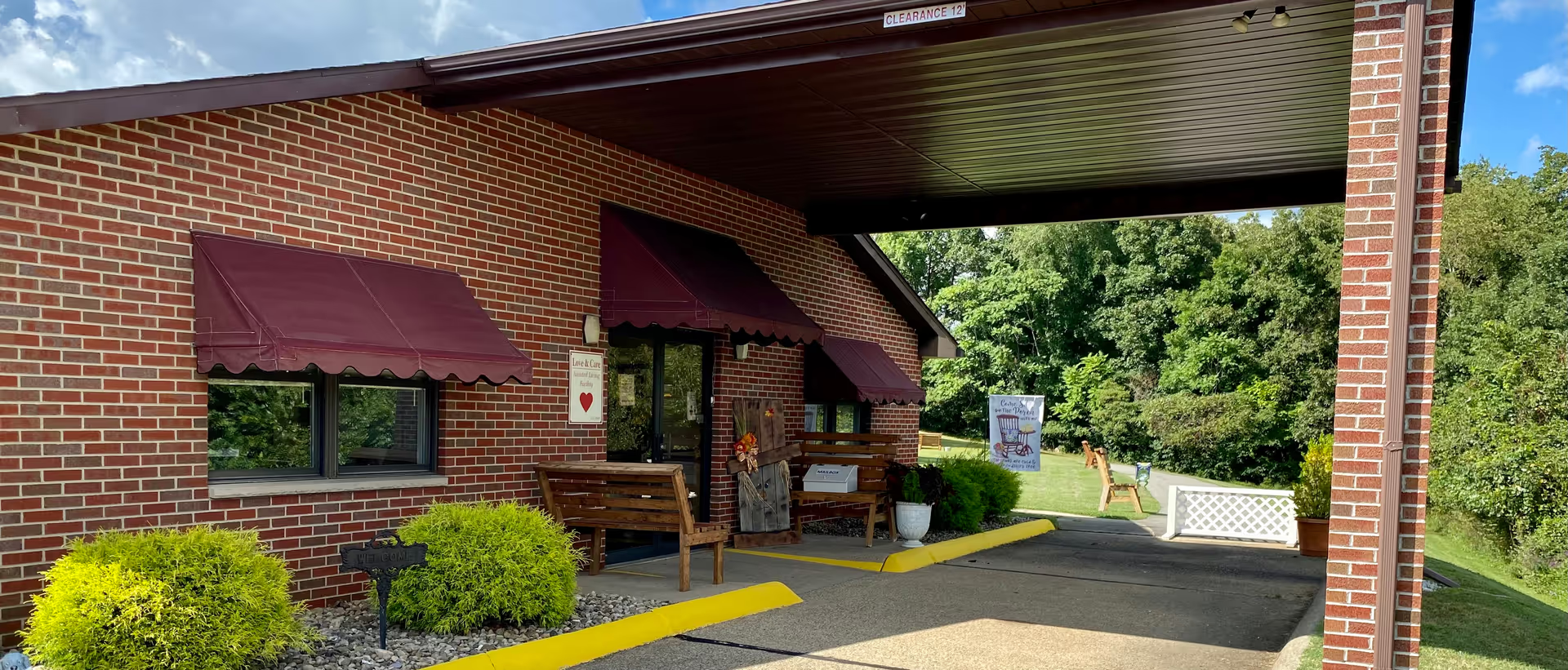
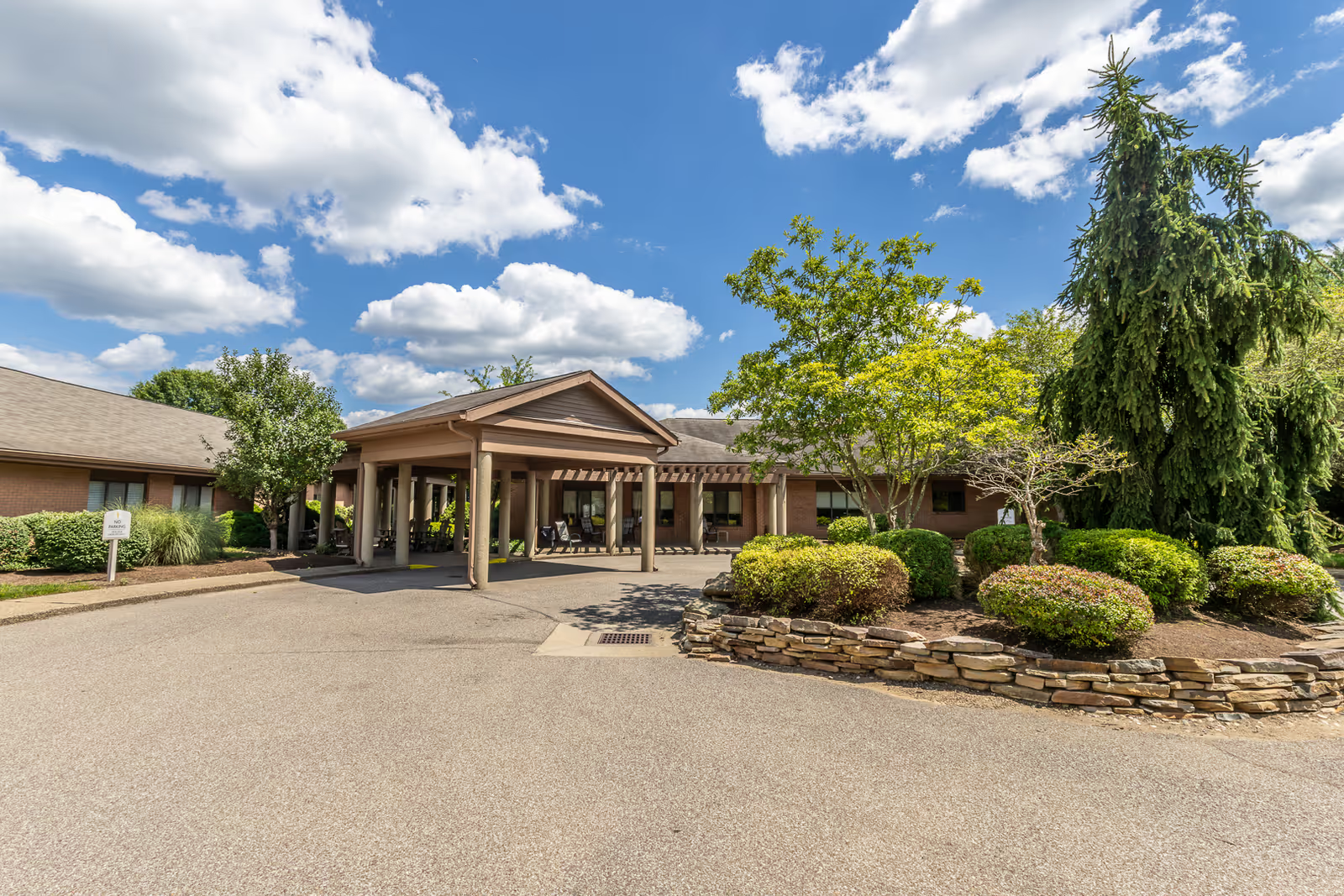
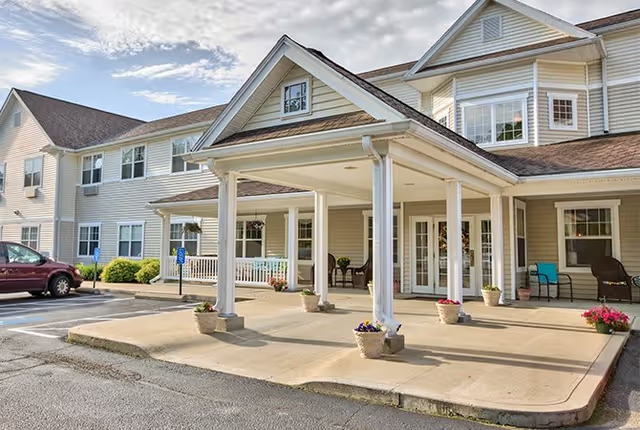
Dining and facilities: Reports about dining are mixed—some families praise the food, while others describe substandard meals and inconsistent dining service. The facility’s interior and cleanliness are generally framed positively, with several notes about a pleasant, well-maintained environment. Prospective families may want to sample menus, inquire about meal planning and substitutions, and observe mealtime routines.
Activities and culture: The facility’s activity program is repeatedly highlighted as a strength, with engaging, resident-centered offerings that contribute to a family-like atmosphere. Reviewers mention creative events and staff who make an effort to involve residents socially and emotionally.
Notable patterns and guidance for families: The overall pattern is of a caring facility with solid rehabilitative capabilities and an active, supportive staff. Areas to investigate during a tour include current staffing levels and shift coverage, dining menus and service consistency, the facility’s approach to handling acute clinical incidents and transfers, and how leadership communicates with families during incidents. Meeting the administrator and activity staff, reviewing emergency/transfer protocols, and asking about recent staffing and quality measures will help families determine whether the facility’s strengths align with their priorities.