The reviews present a mixed picture of Cedar Ridge Center, with clear strengths in therapy, some clinical caregivers, and leadership alongside recurring operational challenges that affect consistency of care. Many families and residents praised the direct-care staff — particularly certain CNAs, nurses, and therapists — for compassionate, attentive interactions and effective rehabilitation services. Social workers and some therapy personnel were described as knowledgeable and helpful, and an engaging activities program was credited with improving resident mood. Multiple reviewers specifically praised the on-site administrator (named by several families) for proactive, visible leadership and responsiveness.
At the same time, a frequent theme is inconsistent staffing and high turnover among nursing aides and nurses. Reviewers linked staffing instability to delays in responding to call lights, missed or delayed assistance with bathing and personal-care routines, and variable medication administration and clinical follow-up. These operational inconsistencies appear to be the primary driver behind many families’ concerns about safety and reliability of day-to-day care. There are also reports that supply limitations and comfort-related equipment (mattresses, room climate) sometimes fall short of expectations.
Dining and dietary support are described unevenly: cooks and dietary staff are often called accommodating, but meal quality and consistency were inconsistent across stays, and dietary needs were not always met to families’ satisfaction. Laundry and personal-property handling were raised as problematic in multiple accounts, and there are allegations of missing items and delays in returning clothing. Communication shortcomings — long phone hold times, unreturned calls, and limited proactive updates to families — were frequently cited and contributed to frustration.
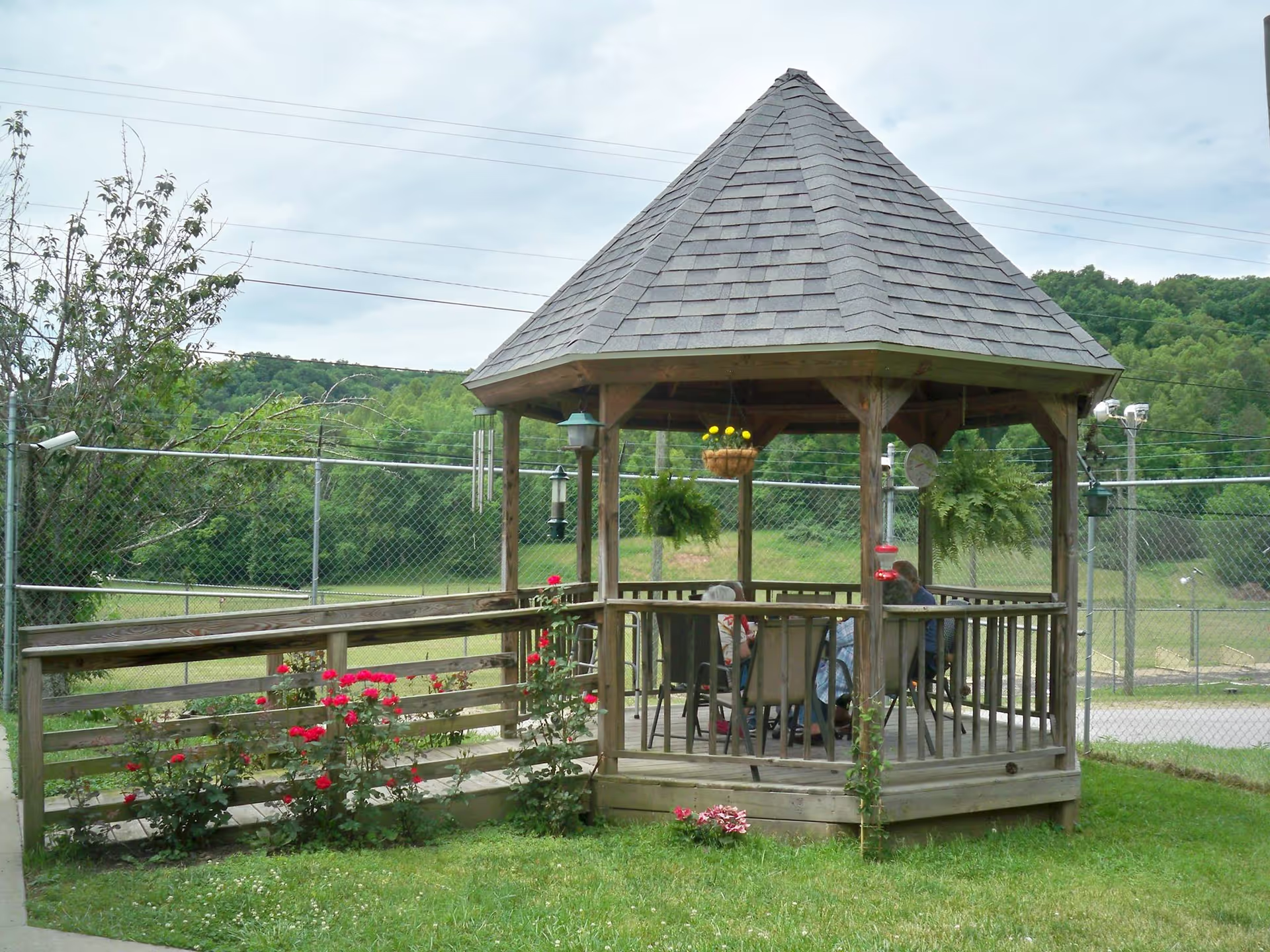
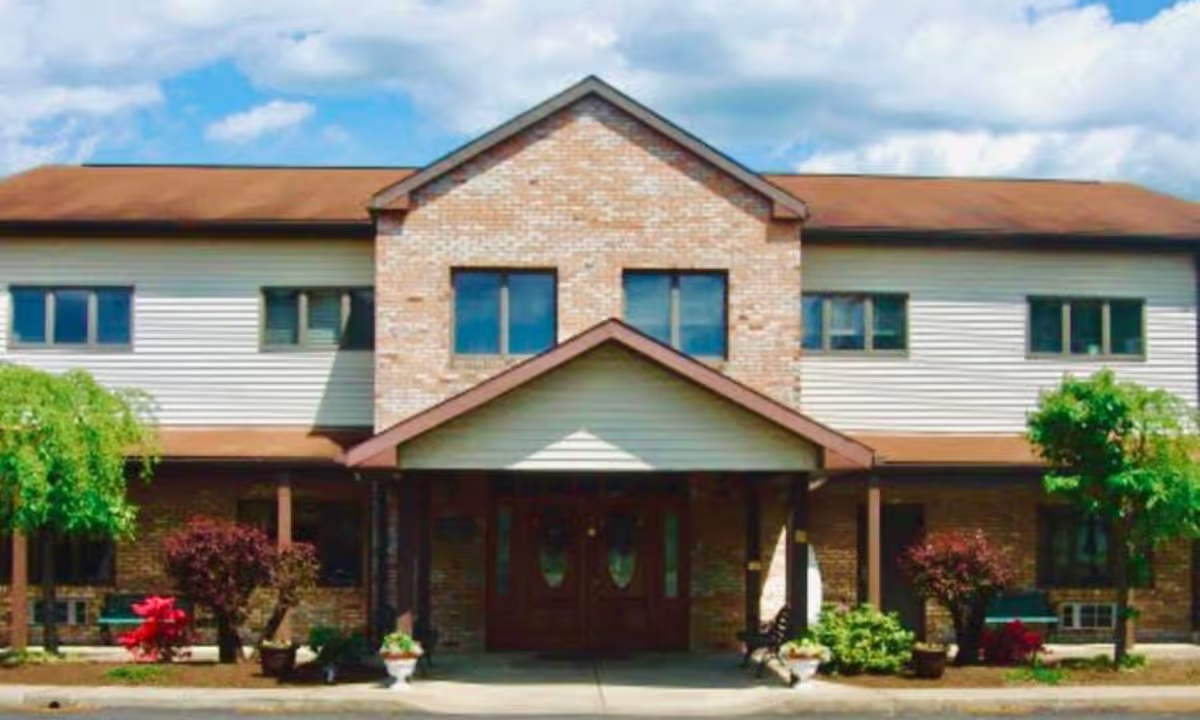
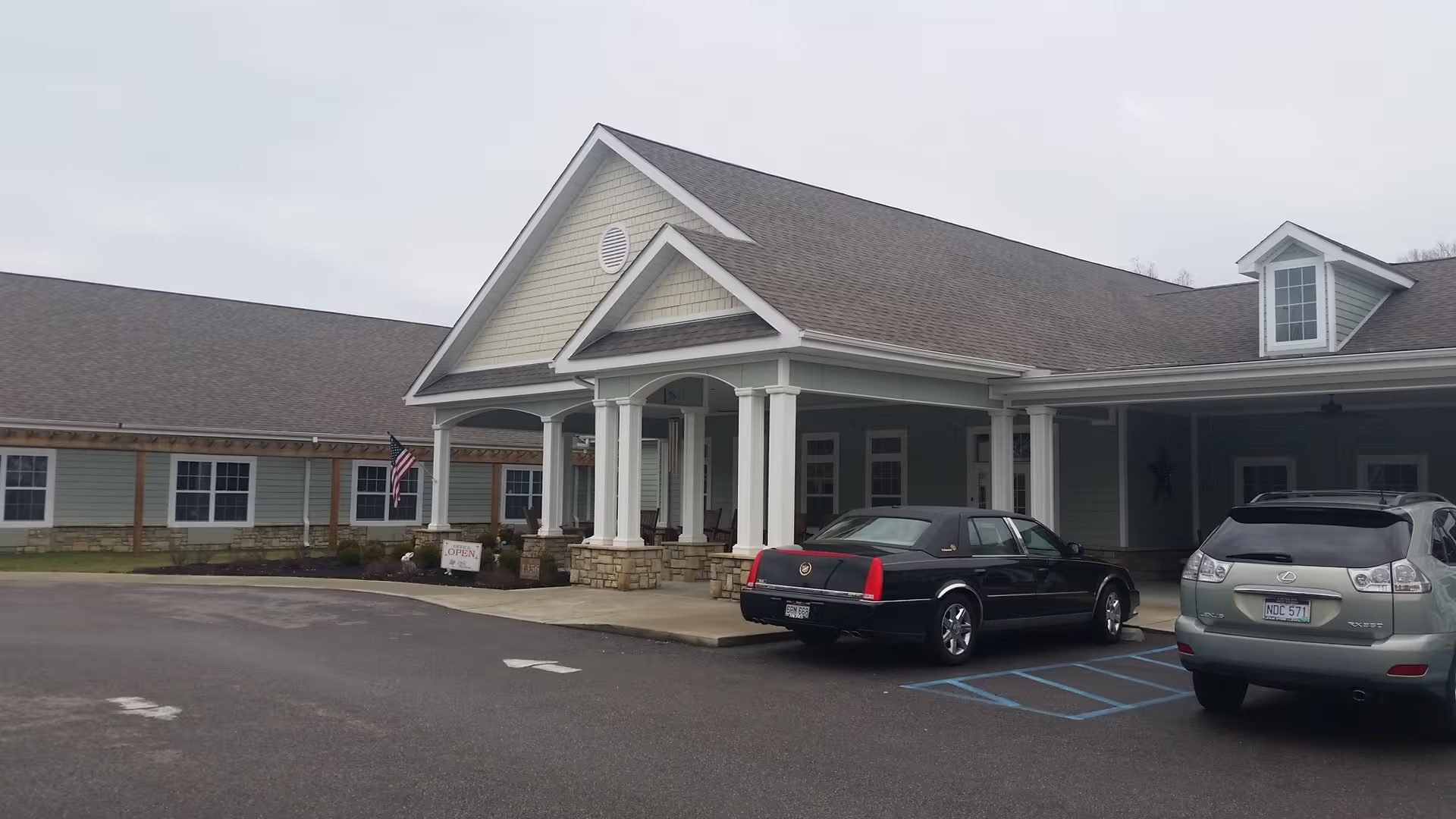
Facility condition feedback is mixed. Common areas and décor receive positive comments for being clean and home-like, and some reviewers noted effective safety technology in use. Conversely, several reviews identified cleanliness or odor concerns in specific rooms or areas, small room sizes with compact bathrooms, and occasional maintenance issues (plumbing, paint). Safety supervision and clinical oversight were flagged in several reviews: concerns included falls and injury events, perceived lapses in supervision, questions about discharge planning and post-discharge follow-up (including concerns following a resident's death mentioned by a reviewer), and at least one mention of policy noncompliance around visitors/animals. These items point to opportunities to strengthen clinical governance and incident-response processes.
In summary, Cedar Ridge Center appears to offer notable strengths — particularly in therapy services, some highly regarded caregiving staff, and visible administrative leadership — alongside systemic operational weaknesses that reduce consistency of care. Prospective residents and families should weigh the facility’s therapy and activity strengths and the presence of engaged staff and leadership against recurrent concerns about staffing stability, responsiveness, medication and bathing consistency, property-management practices, and communication. Visiting in person, speaking with the administrator about staffing ratios, medication oversight, laundry procedures, and recent quality-review outcomes, and checking current state inspection records would help families assess whether the facility’s strengths align with their expectations and needs.