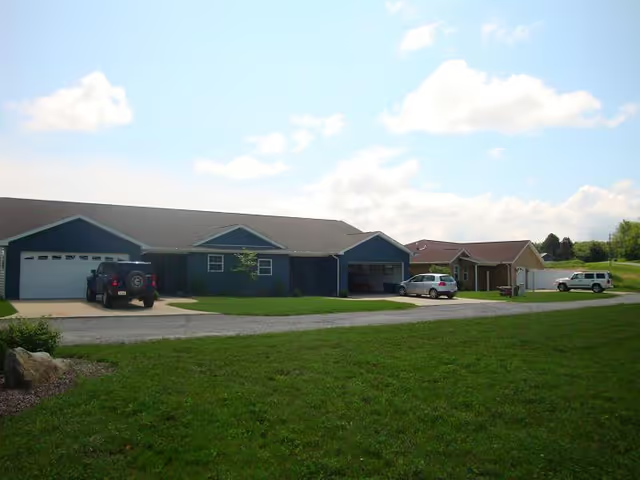
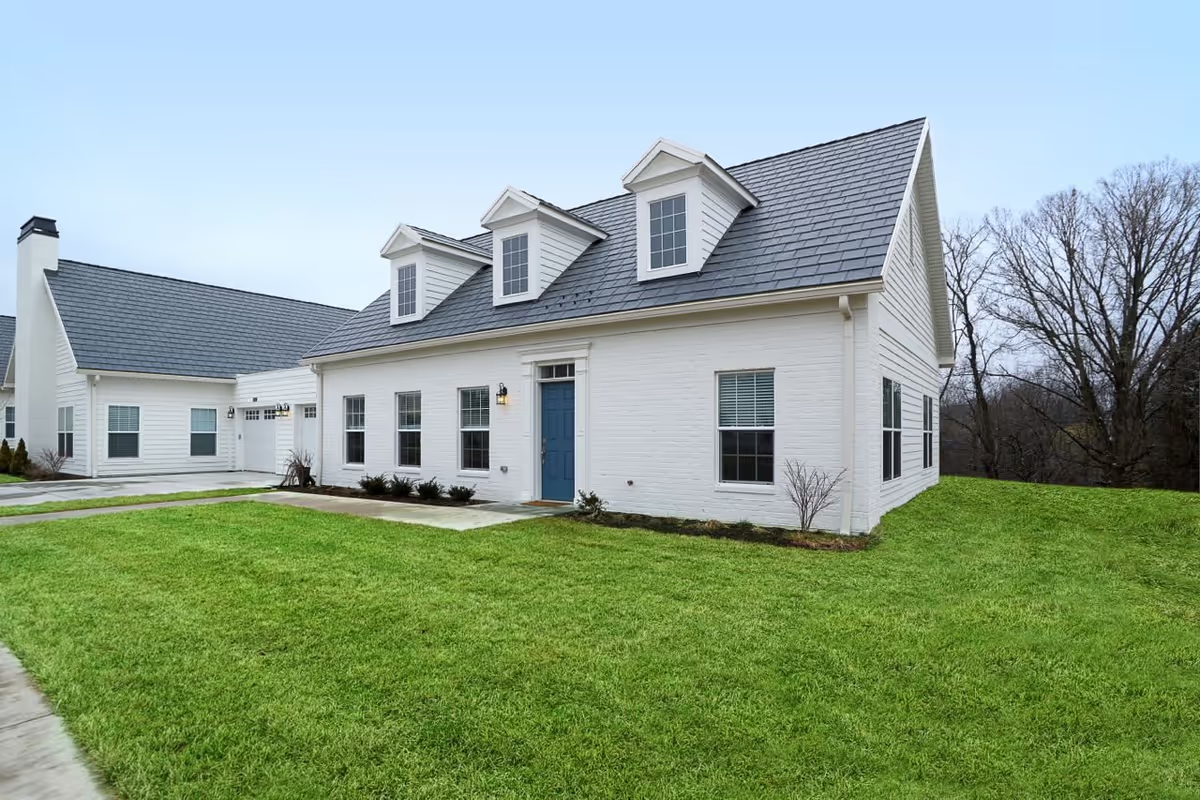
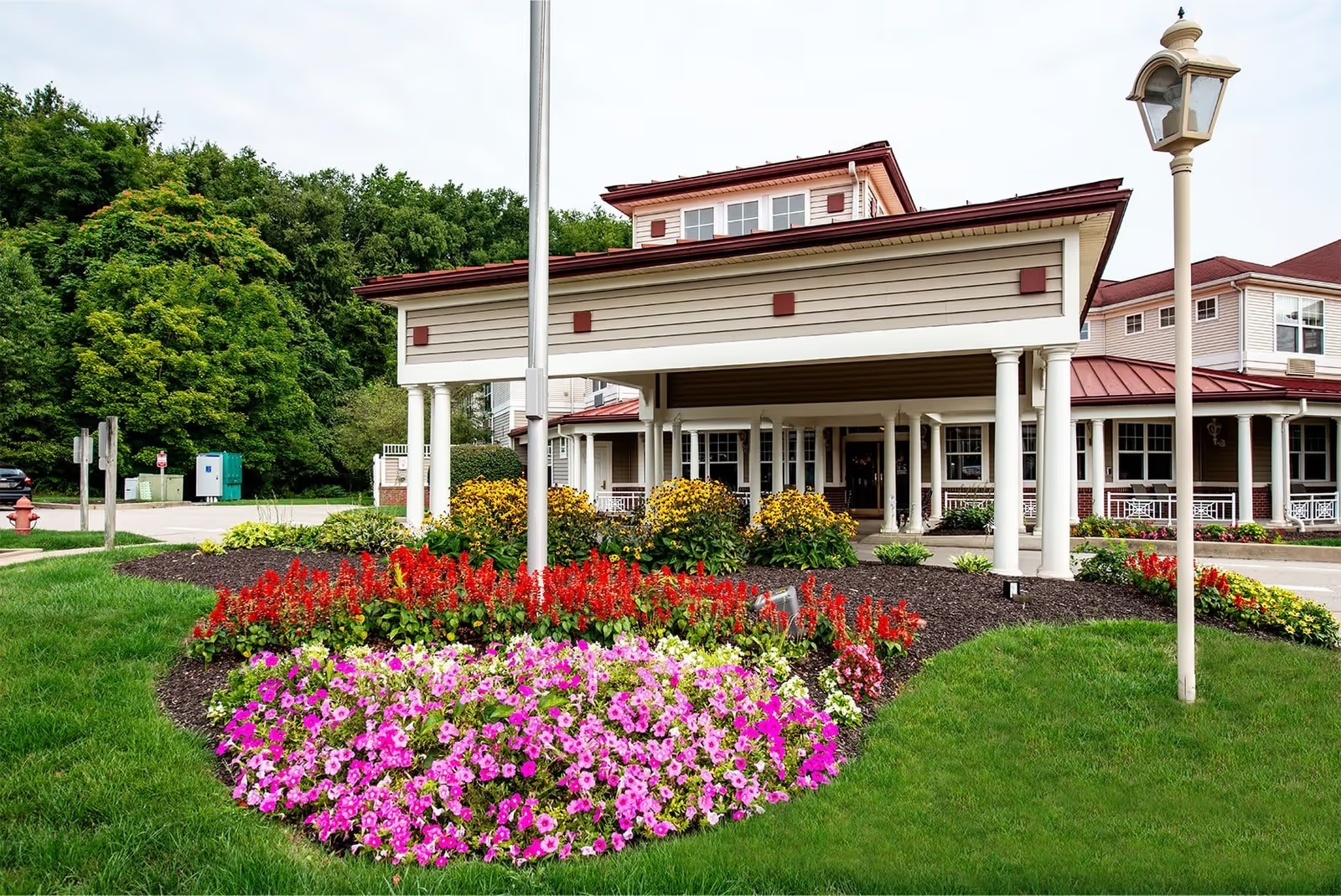
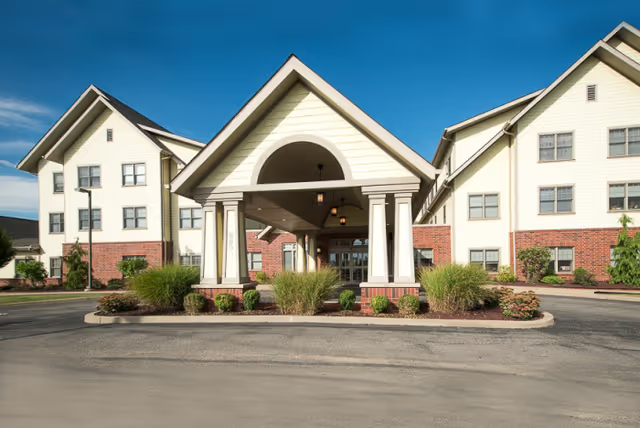
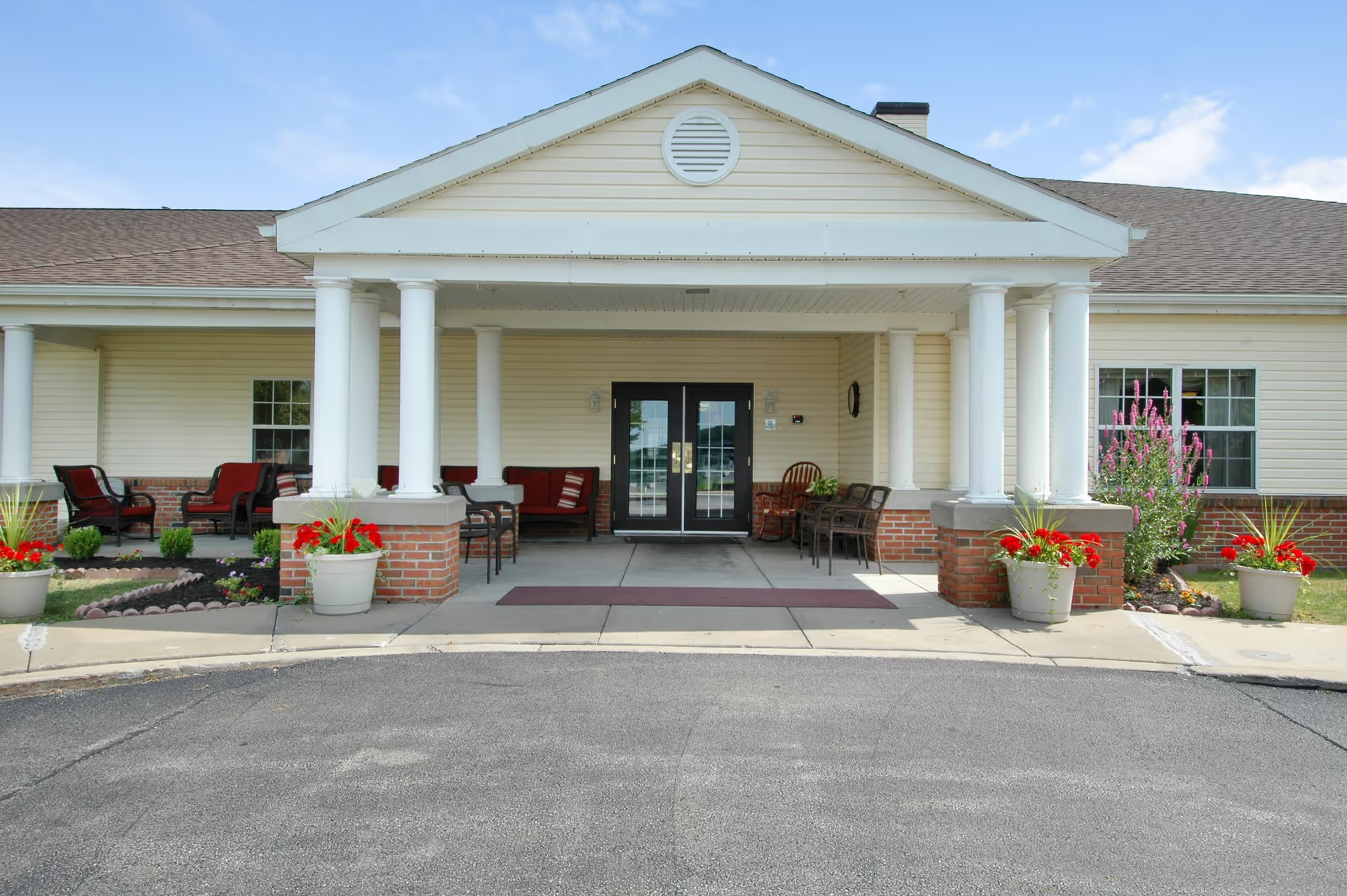
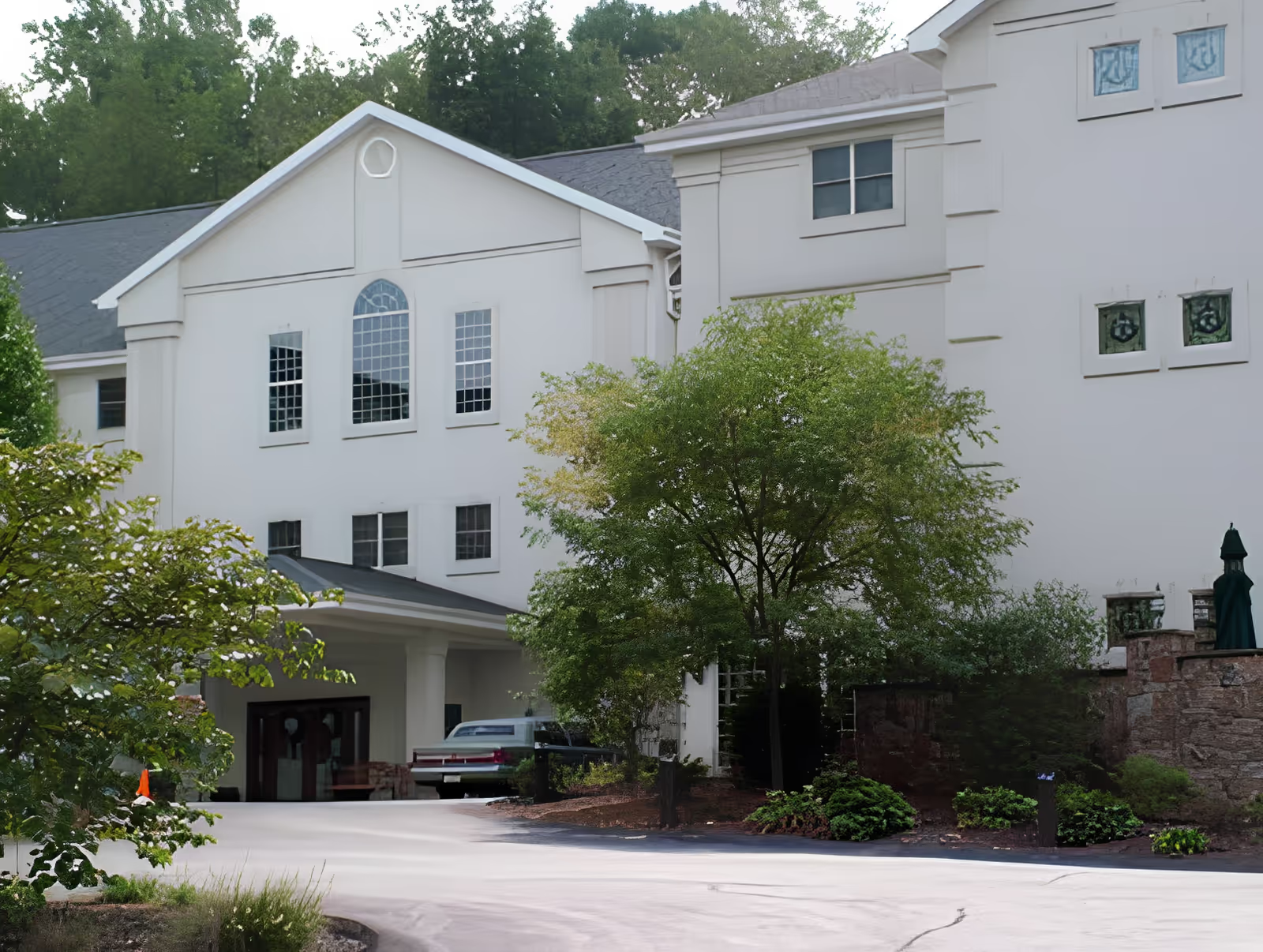
Reviews present Woodland Hills Assisted Living as a small, owner-run, family-style residence with a consistent set of positive operational themes. Many accounts emphasize a home-like environment, regular owner involvement, and staff who provide individualized, compassionate care. Cleanliness and a well-maintained interior are repeatedly highlighted, and the facility’s small size is described as an advantage for continuity of caregivers and a calm atmosphere. Several families reference attentive nursing, personalized attention, private-room layouts that accommodate couples, and generally affordable pricing.
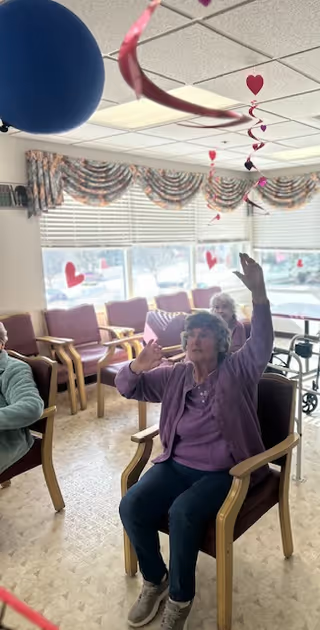
Day-to-day programming and amenities are commonly described as resident-centered: light activities such as word puzzles, television time, holiday parties, and other social opportunities appear to be regular features. Mealtime quality is noted positively in multiple comments. Reviewers who are satisfied often emphasize immediate communication from staff and the owner, and describe improvement in residents’ well-being and peace of mind for family members.
Contrasting viewpoints appear in a subset of reviews and point to operational risks prospective families should evaluate. These critiques cluster around inconsistent staff performance and variability in how families are communicated with — some accounts describe prompt, transparent contact, while others describe poor or adversarial communication. There are also serious, though contested, allegations concerning financial control and threatening conduct; these comments suggest the need for careful inquiry into financial processes and resident rights. The small, owner-operated model that delivers many of Woodland Hills’ benefits can also mean limited clinical staffing depth and fewer formalized systems than larger facilities.
Overall, Woodland Hills’ strengths are its homelike setting, engaged owner presence, and many examples of compassionate, personalized care in a clean, small-scale environment. At the same time, reviews indicate variability in staff professionalism and family communication and raise allegations that merit direct verification. Prospective residents and families would be well served by an in-person visit, asking about staffing patterns and training, written communication and grievance procedures, financial policies and safeguards, and clinical oversight to confirm the facility’s fit with their care needs and expectations.