Overall impression: The Waterford at West Bend is described primarily as a small, homelike assisted-living community with a strong emphasis on personalized caregiving. Families and residents consistently highlight compassionate, engaged staff who know residents by name, prompt clinical responsiveness (call-button response and medication management), and a residential scale that supports individualized attention. The community appeals to those seeking a quieter, apartment-style living arrangement with on-site supports.
Care and staffing: Reviews emphasize attentive nursing and caregiving staff, with CNAs characterized as well trained and advocacy-oriented. Medication availability and documentation are noted as reliable, and reviewers describe prompt attention during changes in health status. Several accounts describe smooth transitions into memory-care services and reassurance from staff during those transitions. Staff responsiveness and familial communication are recurring strengths that contribute to resident safety and family confidence.
Dining and nutrition: Dining is generally viewed positively; meals are described as enjoyable, with the cook willing to accommodate special diets (for example, gluten-free options) and the facility offering meals delivered to rooms when necessary. Hydration is encouraged and meal service is integrated with social dining. At the same time, some reviewers express concerns about inconsistent food quality, requests for more fresh fruit and vegetable options, and occasional variability in cook quality or taste (sometimes attributed to medication effects). Prospective residents should discuss menu rotation and dietary preferences during a tour.
Activities and social life: The Waterford offers a range of on-site programming—Bingo, crafts, Bible study, concerts, seasonal celebrations, and other daily activities—with an active activity director. The small size supports frequent social interaction and tailored activities, but it also means limited capacity for larger-group outings and fewer off-site excursions. A few reviewers noted gaps in weekend activity supervision or programming that may not meet all residents’ interests; this appears linked to community size and scheduling rather than to staff disengagement.
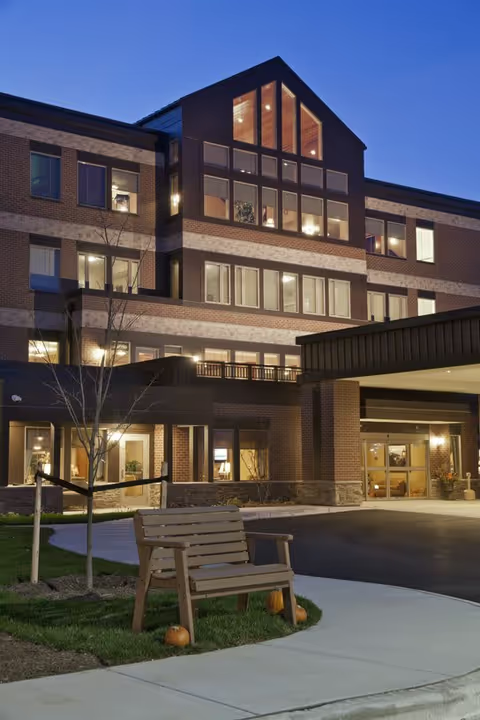
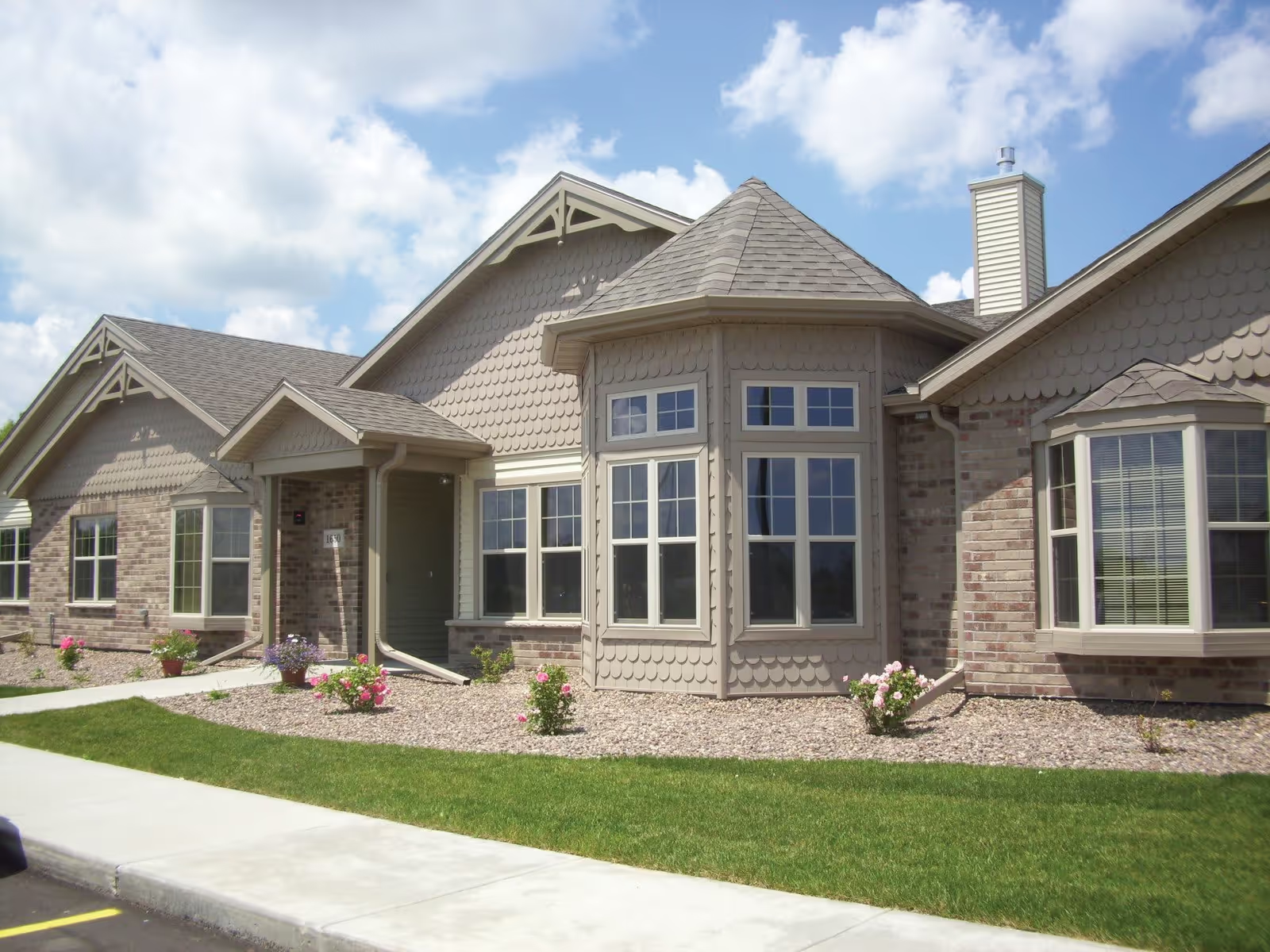
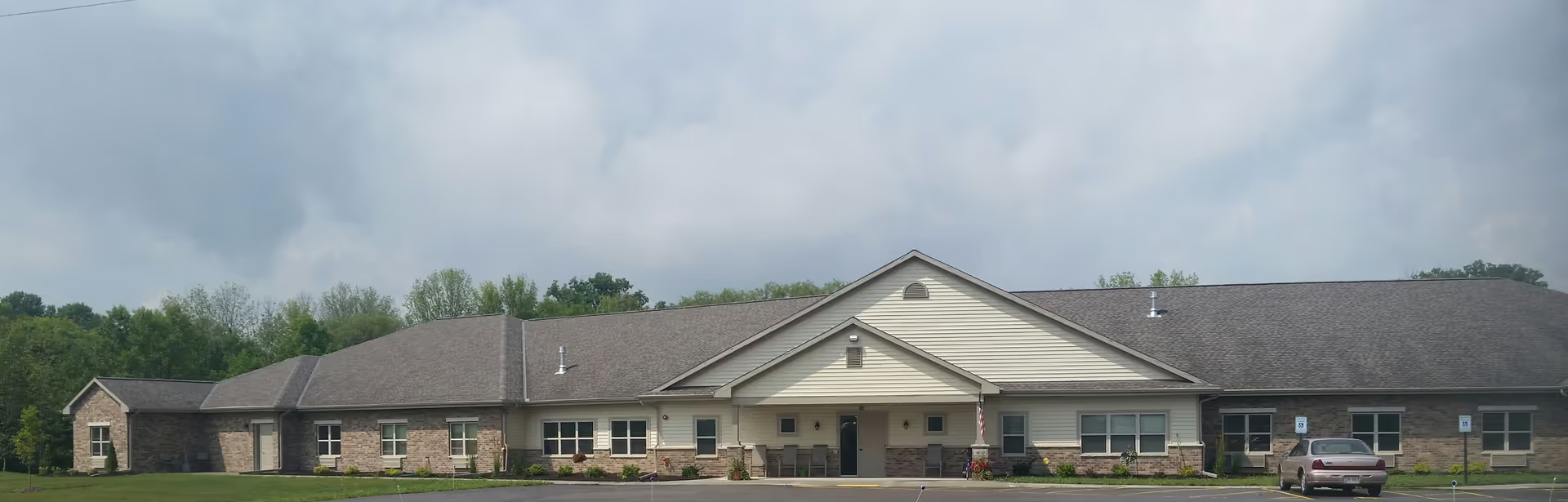
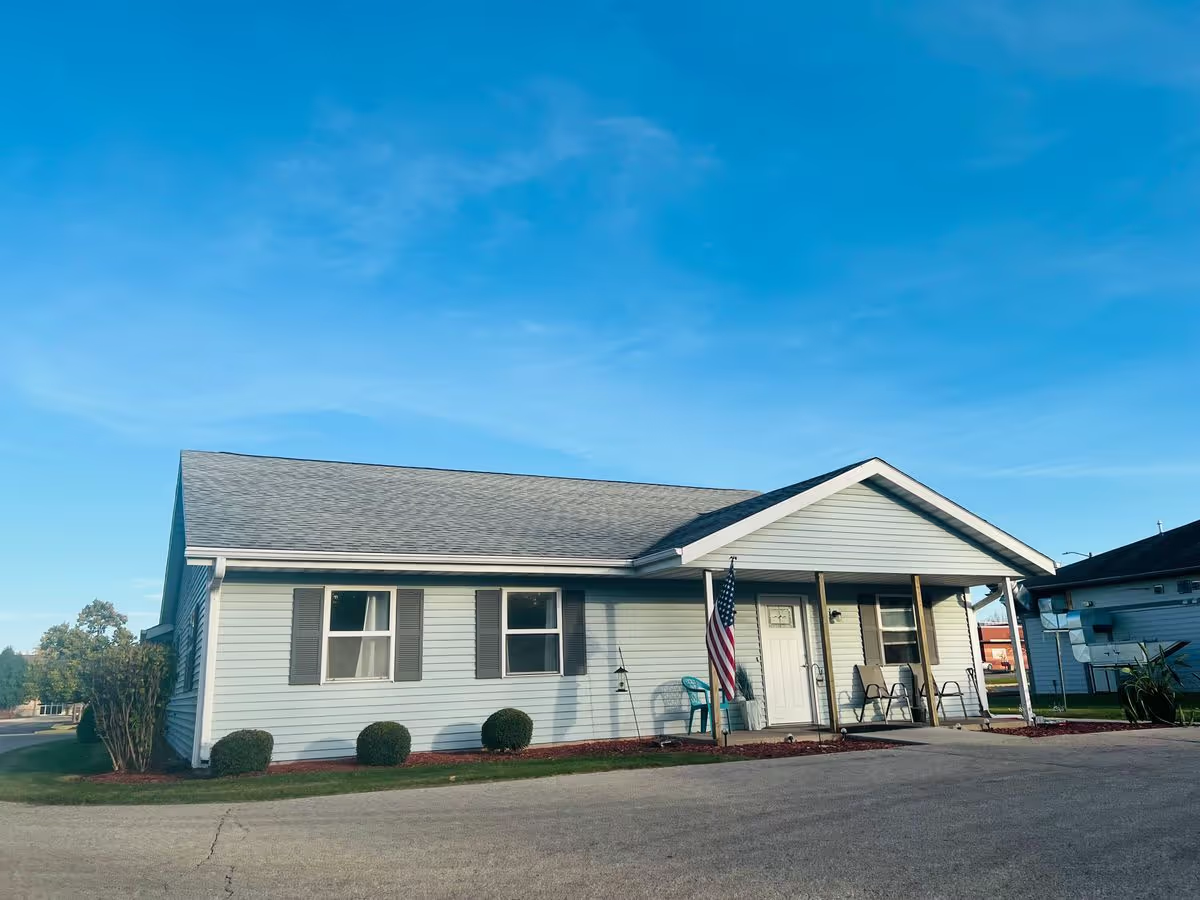
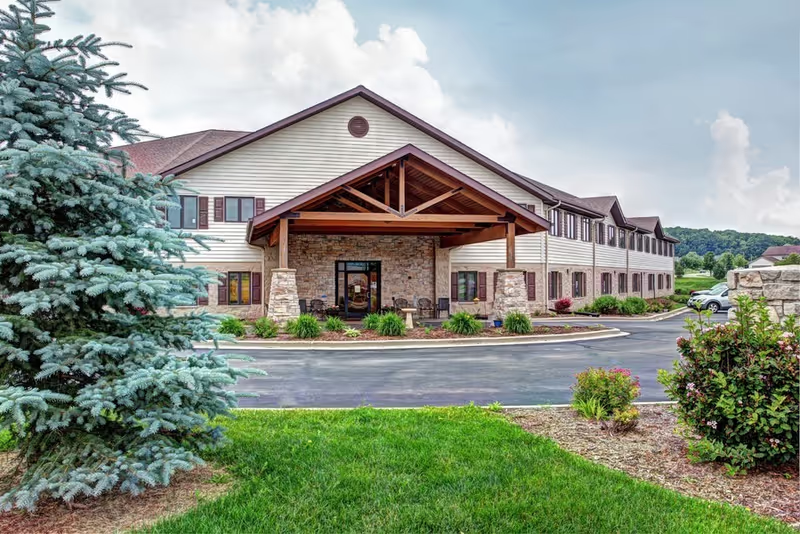
Facilities and operations: Facilities are described as clean, light, and recently updated, with one-bedroom kitchenette units, accessible single-story design (no steps/elevators), outdoor garden and walking paths, and convenient proximity to shopping and dining. On-site services such as physical therapy and a beauty shop add convenience. Operationally, reviewers praise all-inclusive rate structures and straightforward communication from staff. Areas for operational improvement that emerge across reviews include administrative turnover that can affect continuity, occasional delays in maintenance response, and a potential mismatch between resident acuity and the scope of programming—issues worth clarifying at intake.
Notable patterns and recommendation guidance: The dominant pattern is positive: consistent, caring staff in a small, residential setting that many families find reassuring. Where concerns appear, they tend to be about program breadth (off-site outings, weekend activities), meal consistency, and occasional administrative transitions or maintenance delays. For prospective residents and families, this community may be a strong fit for those who prioritize personalized attention, memory-care capability, and a homelike environment; it is advisable to tour the facility, review current activity calendars and menu samples, ask about leadership stability and maintenance response processes, and confirm that the program matches the prospective resident’s social and clinical needs.