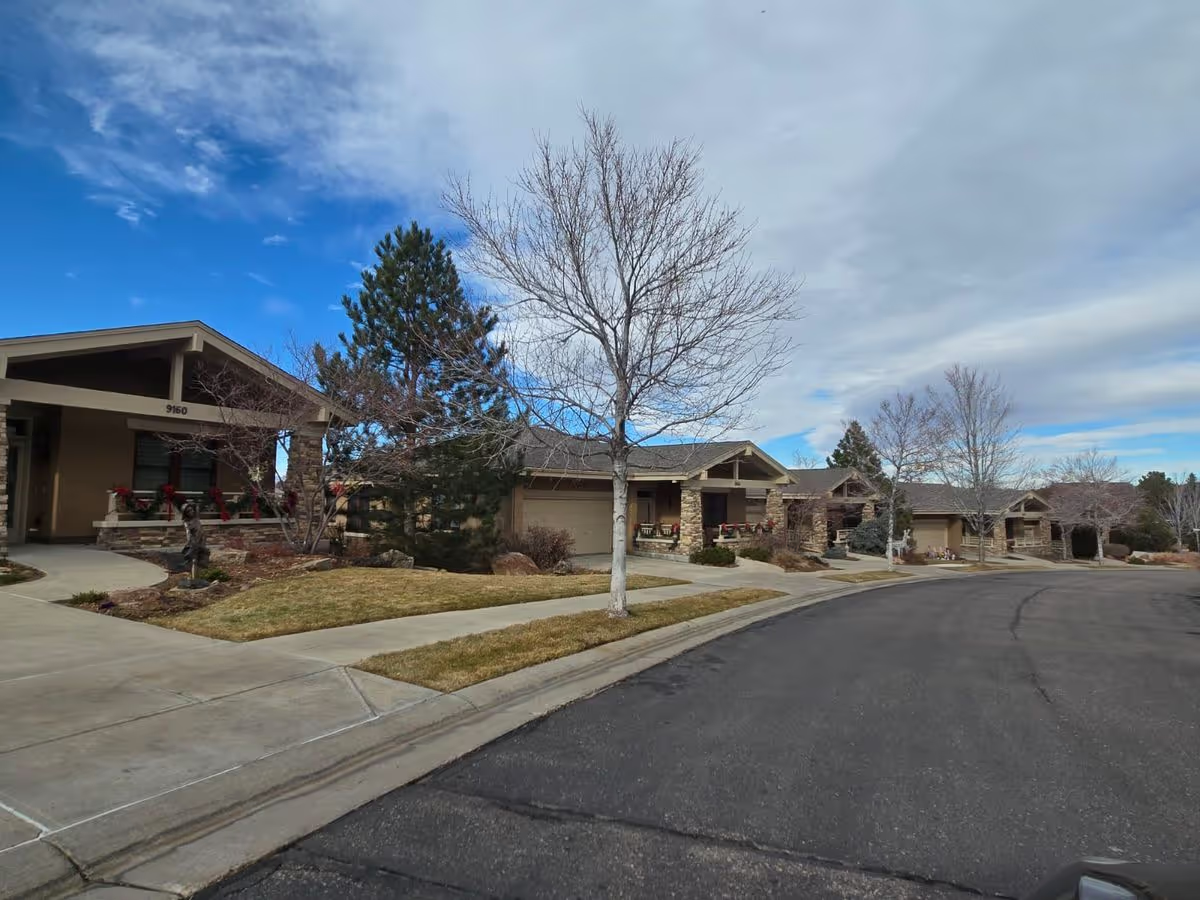
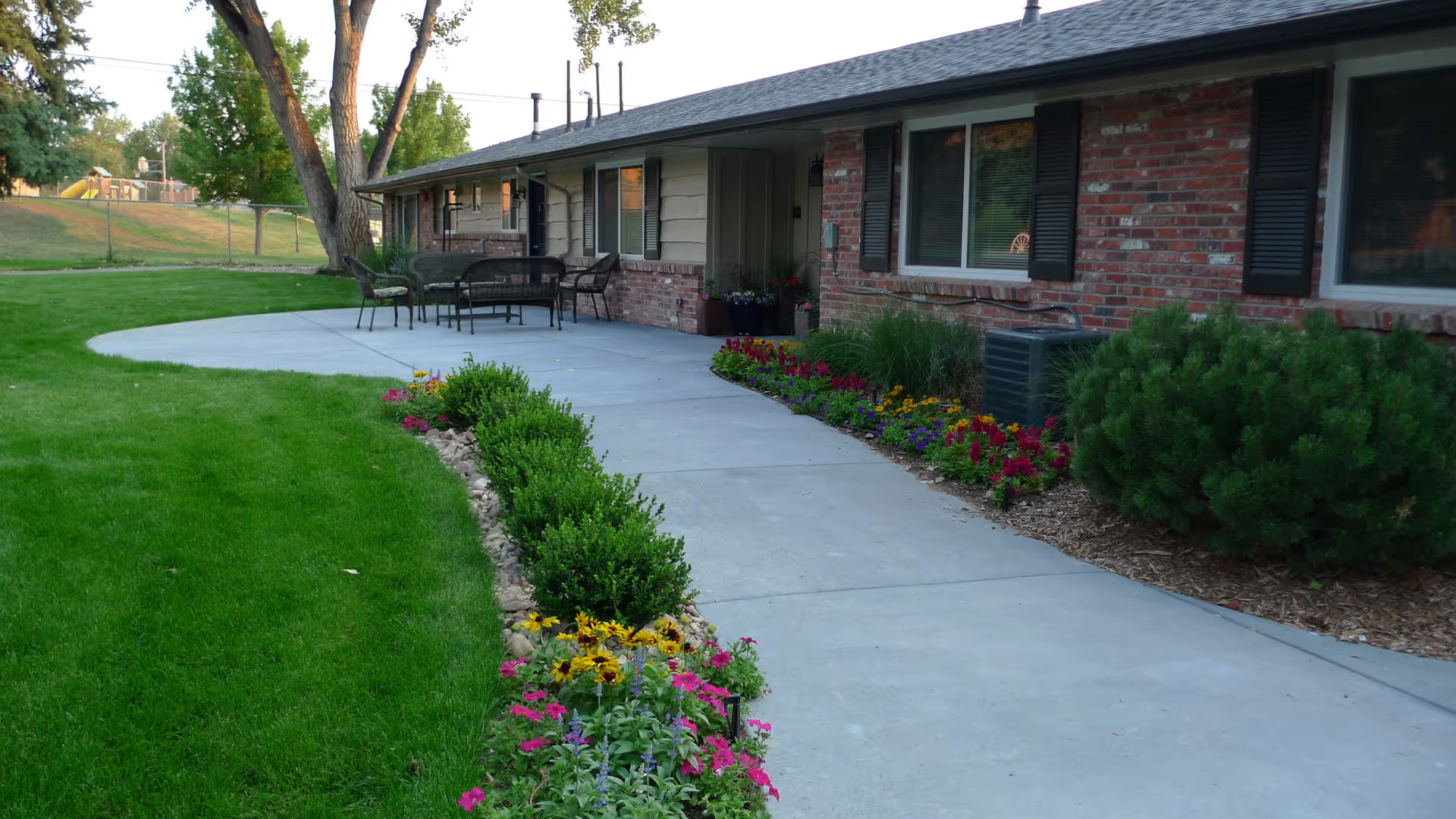
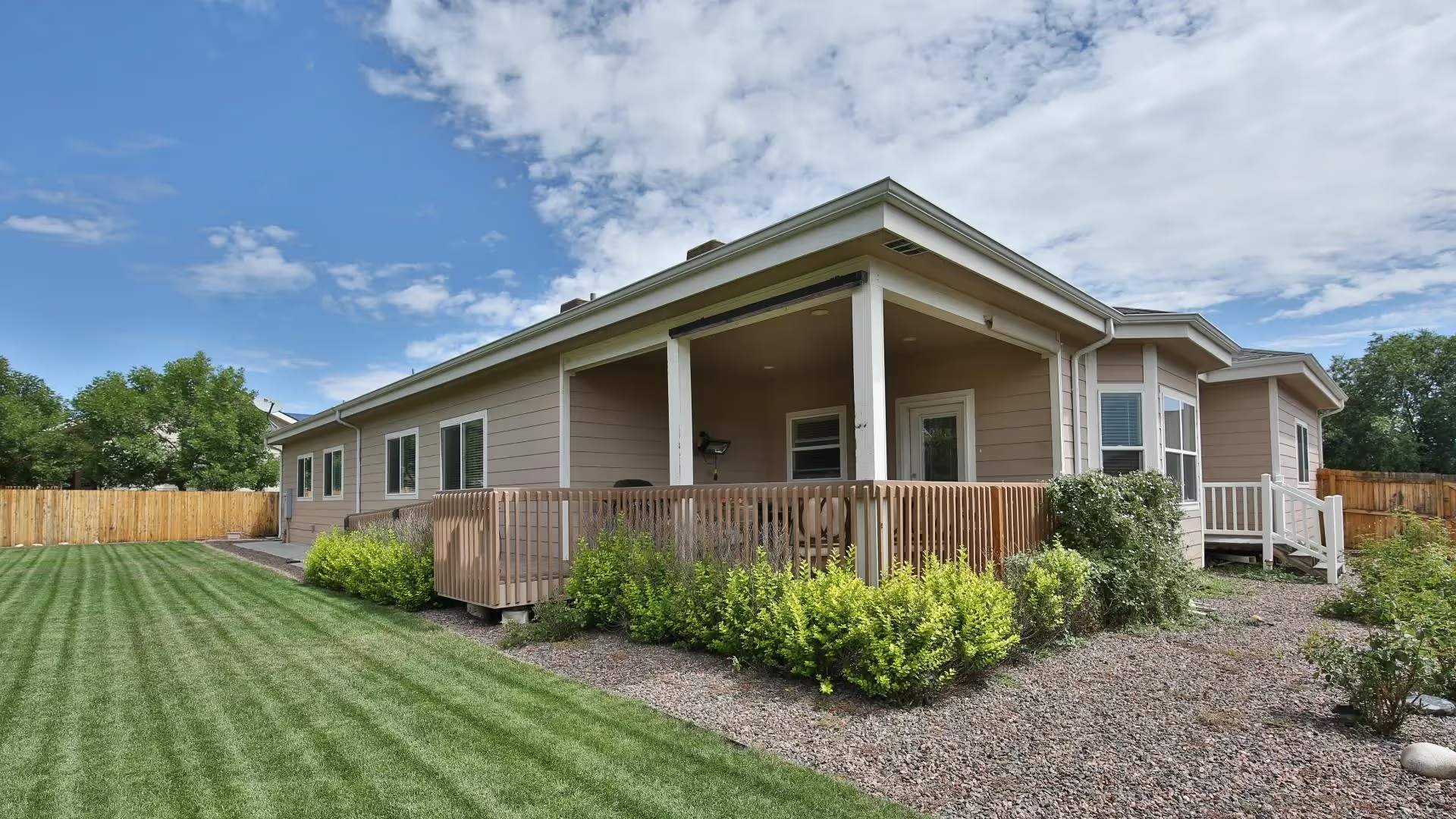
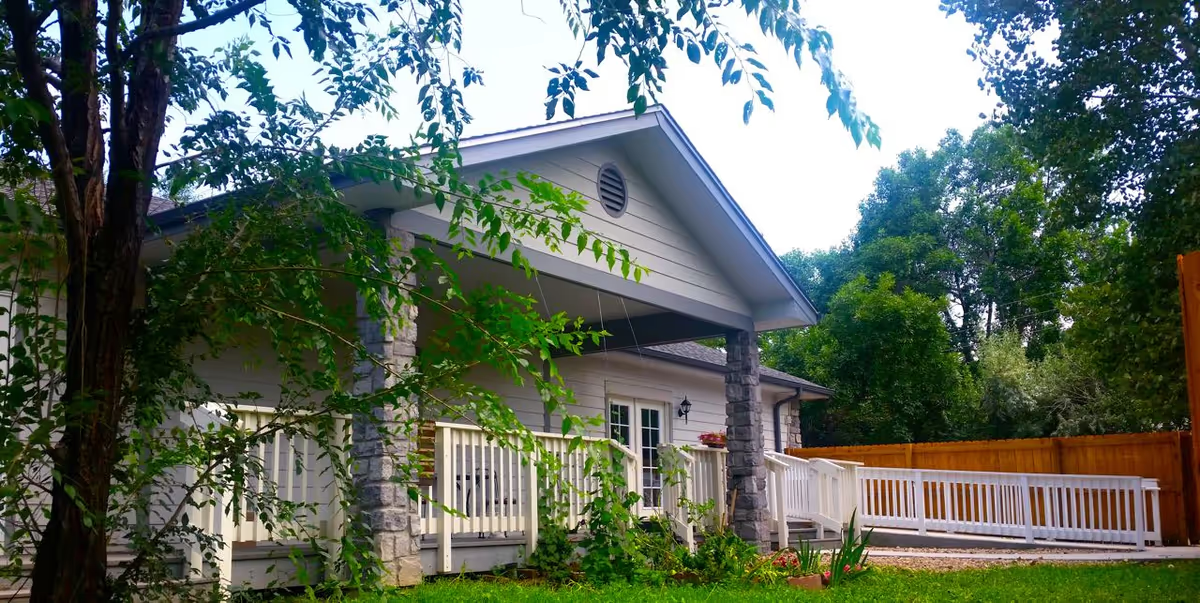
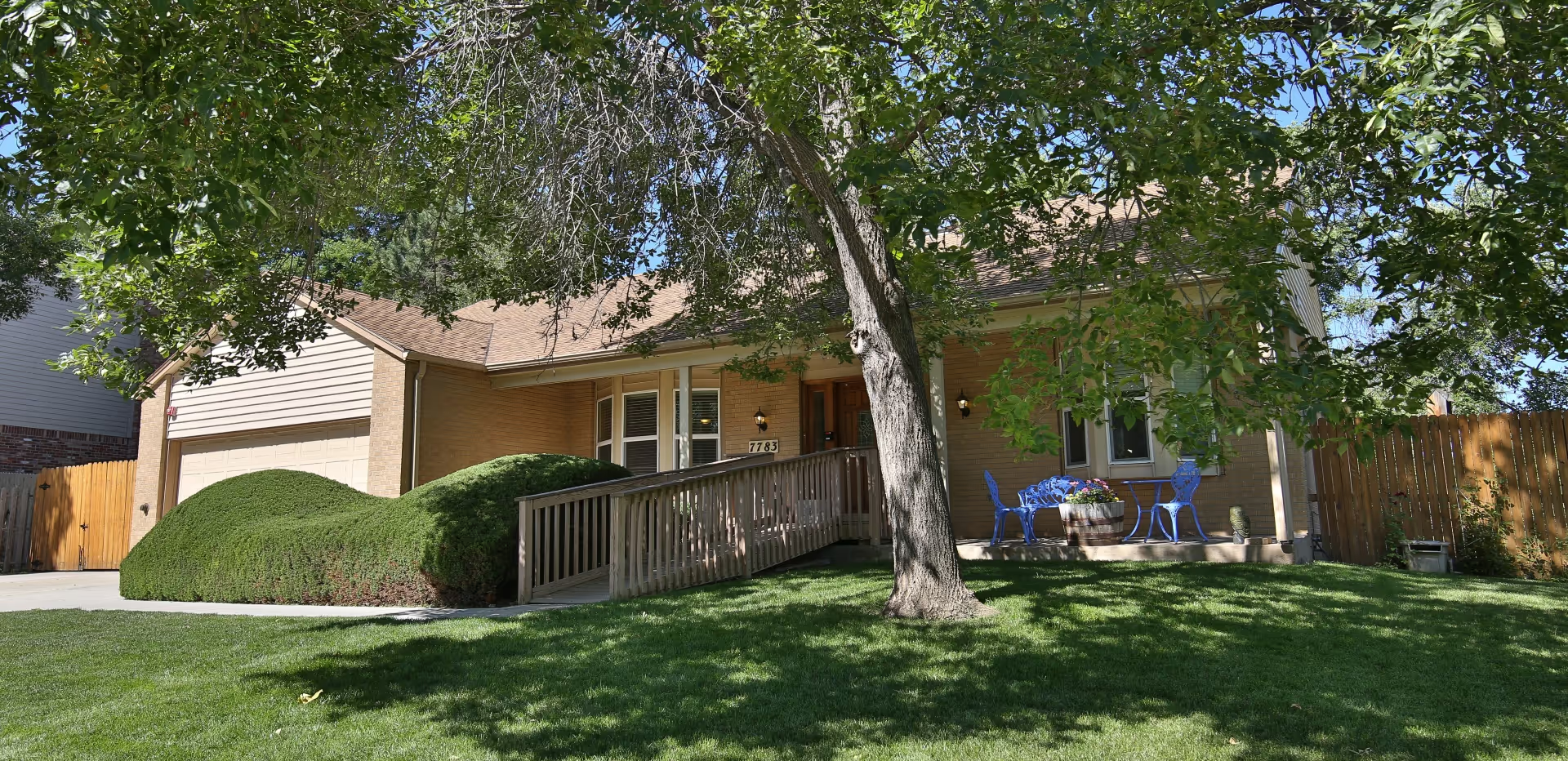
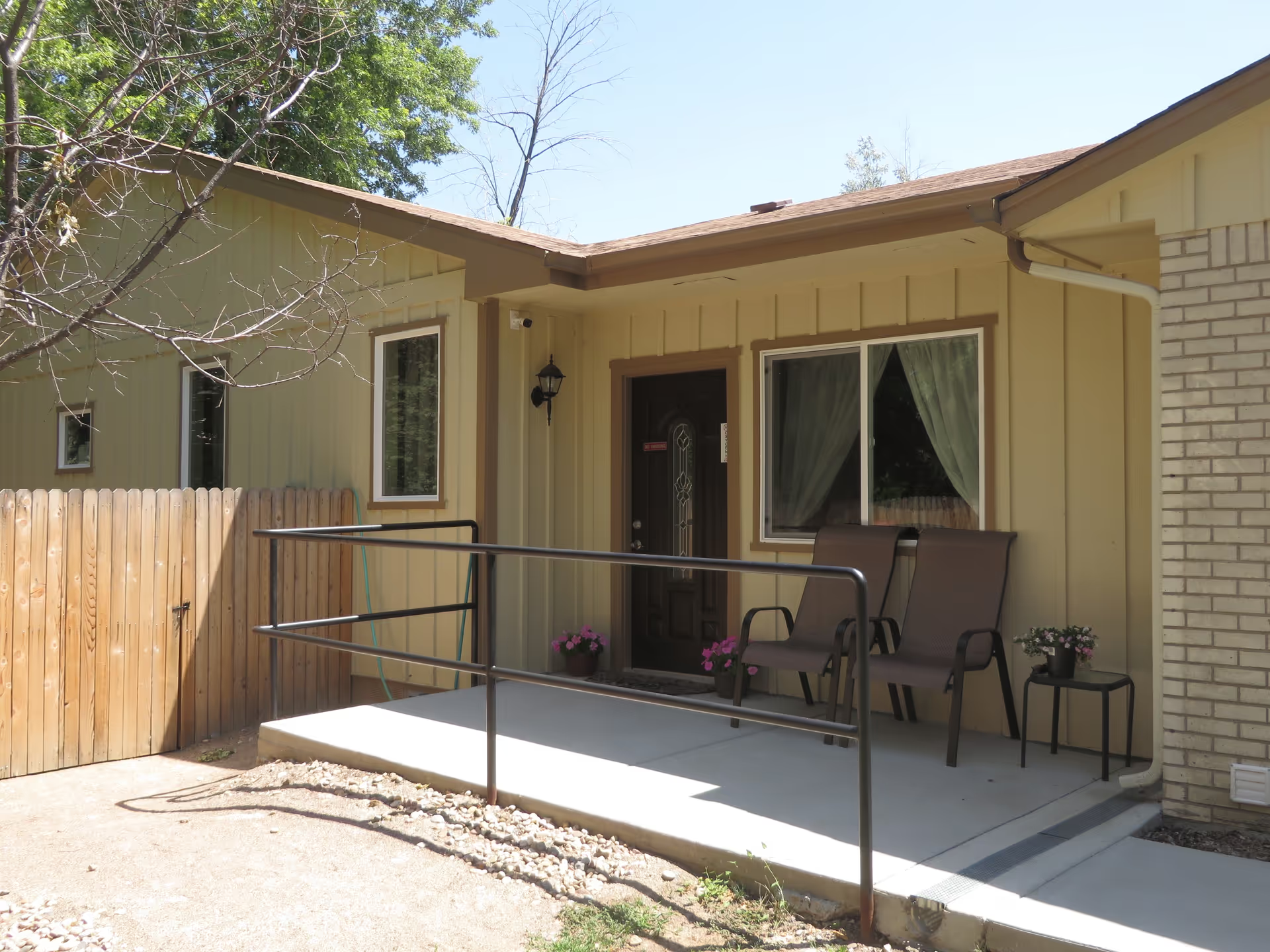
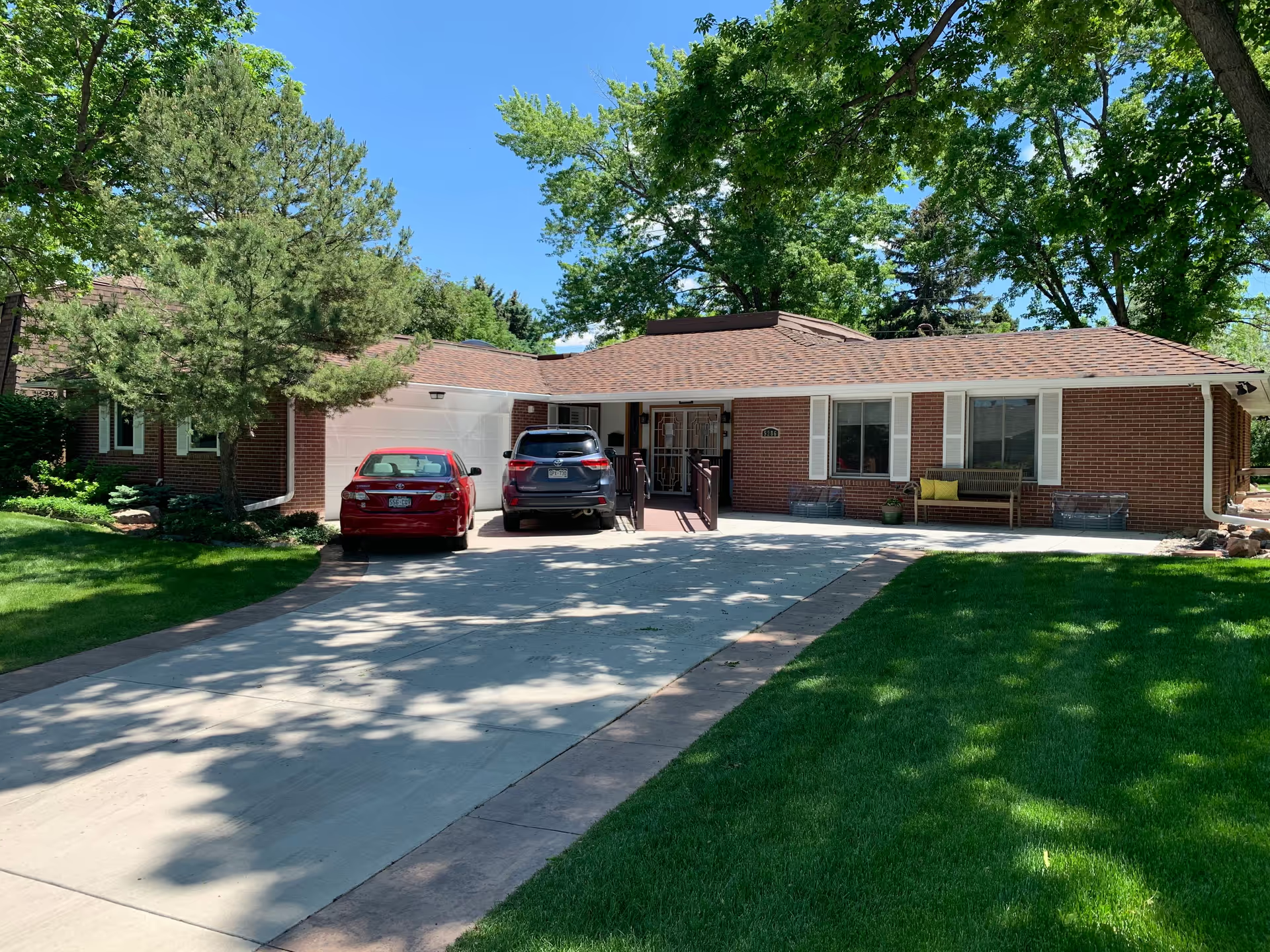
The reviews describe a small, newly opened group-home that many families find attractive for its homelike design, bright airy spaces, and convenient upscale location. Physical features frequently praised include private rooms (with a master-suite option), an outdoor deck, accessible bathing and mobility aids such as a walk-in tub and lift chairs, and a generally clean, organized interior. Several families noted that the facility’s small scale and household model support a personable atmosphere and close family–management communication.
Care and staff impressions are mixed. Numerous accounts describe attentive, compassionate direct-care staff who are hands-on, helpful, and effective at daily routines; reviewers also cite structured care plans and meaningful communication with families. Conversely, a set of concerns centers on inconsistent staff training and competency, which appears to affect the reliability of some clinical tasks. The most consequential pattern described is uneven medication administration and monitoring — examples include missed or delayed doses — which reviewers identified as a recurring operational weakness rather than isolated timing issues.
Dining and hygiene-related observations are similarly polarized. Positive comments note simple, home-style meals prepared on site and staff who sometimes cook for residents. However, other accounts raise sanitation and food-safety control gaps and broader housekeeping concerns; these are coupled with mentions of pest-control issues and inconsistent availability of basic hygiene supplies. Prospective families should ask about kitchen procedures, pest-control protocols, and supply management during a visit.
Activity programming appears to be in development but promising: reviewers mention daily outdoor activities, exercise, games, and an expanding activities schedule that several residents enjoy. The small size of the home seems to support individualized engagement when staffing and schedules allow.
Management and operational oversight are areas of marked division. Some families describe an involved owner and responsive management that facilitate transitions and maintain open lines of communication. Others raise concerns about managerial oversight, staff morale, and accountability, and there are more serious assertions about financial or eviction-related practices that warrant verification. Additionally, the facility’s use of cameras and owner remote access drew privacy and monitoring concerns; visitors should clarify surveillance policies and resident privacy safeguards. A number of reviewers also cited delays in emergency response or in following clinical orders, suggesting that transfer and incident-response procedures merit close review.
In summary, Rocky Mountain Assisted Living presents clear strengths in environment, small-home culture, and personable caregiving when staffing and management alignment are strong. At the same time, recurring operational themes—particularly inconsistent medication practices, training gaps, sanitation/food-safety controls, pest-control, and questions about management reliability and privacy practices—are significant enough that prospective residents and families should perform targeted due diligence. Recommended inquiries include asking for staffing ratios and training protocols, medication-administration policies and documentation, kitchen and pest-control practices, emergency-response procedures, visitation and surveillance policies, and clarity on contractual and billing terms; reviewing state inspection records and any Ombudsman communications is also advisable.