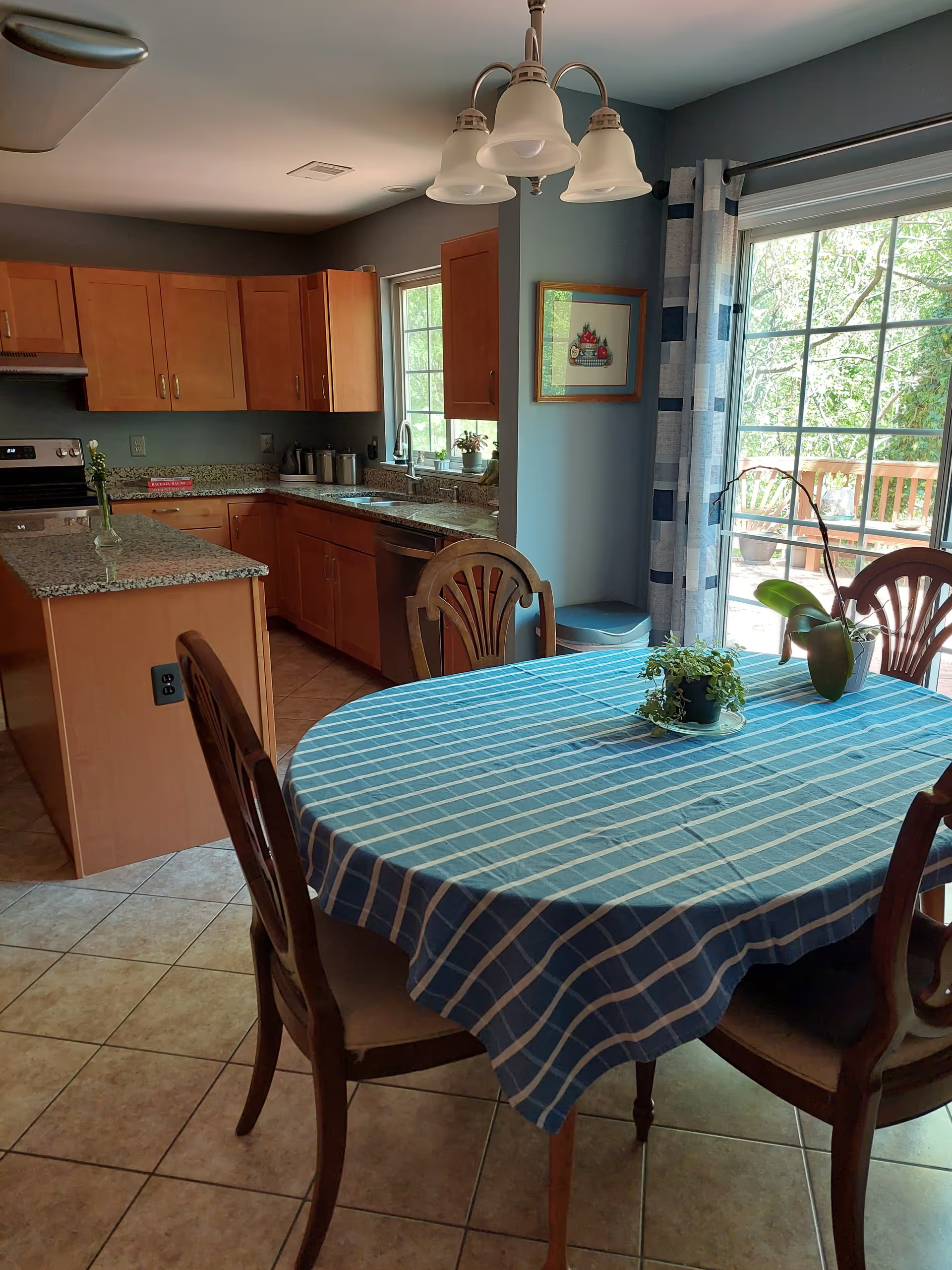
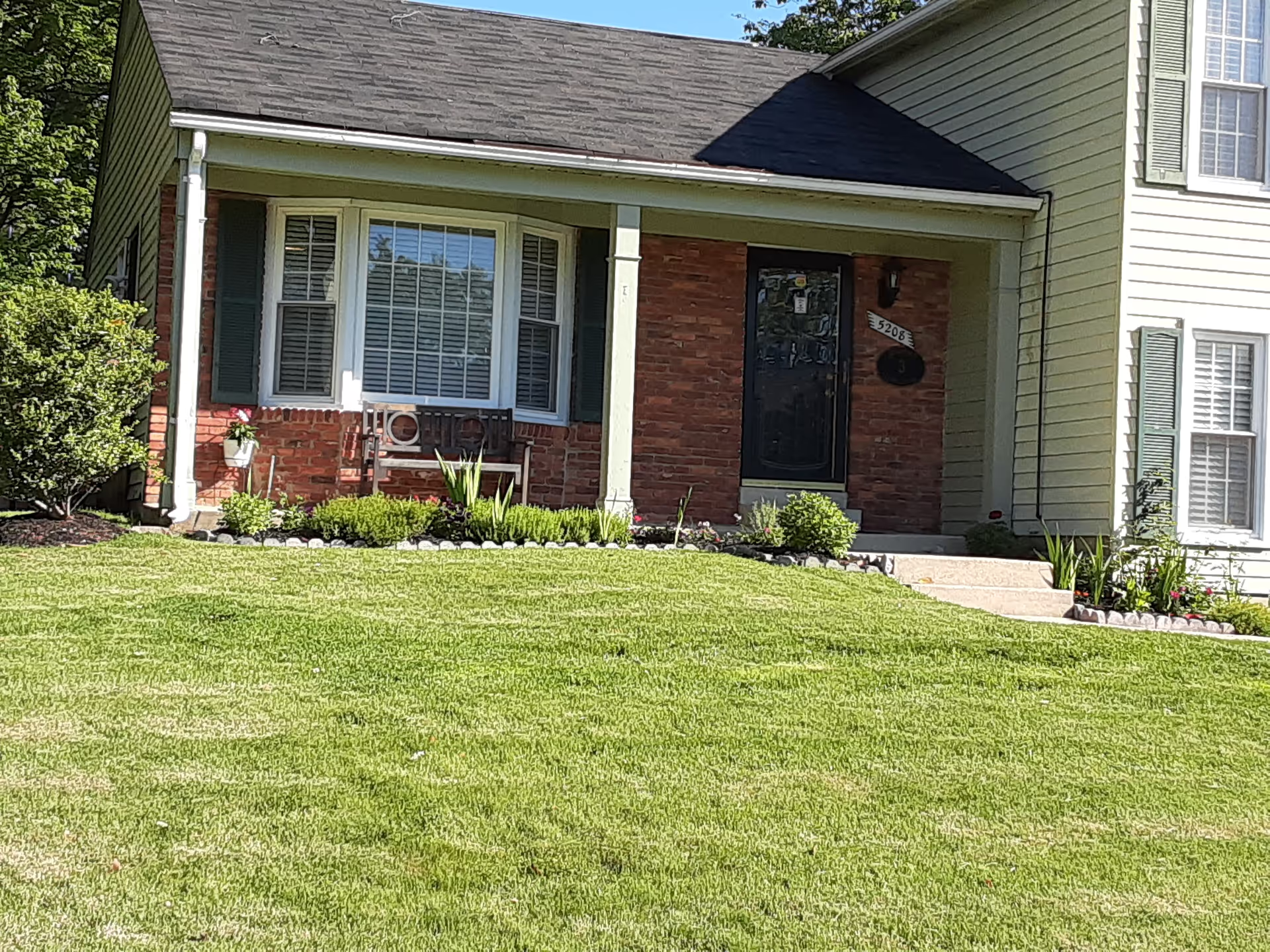
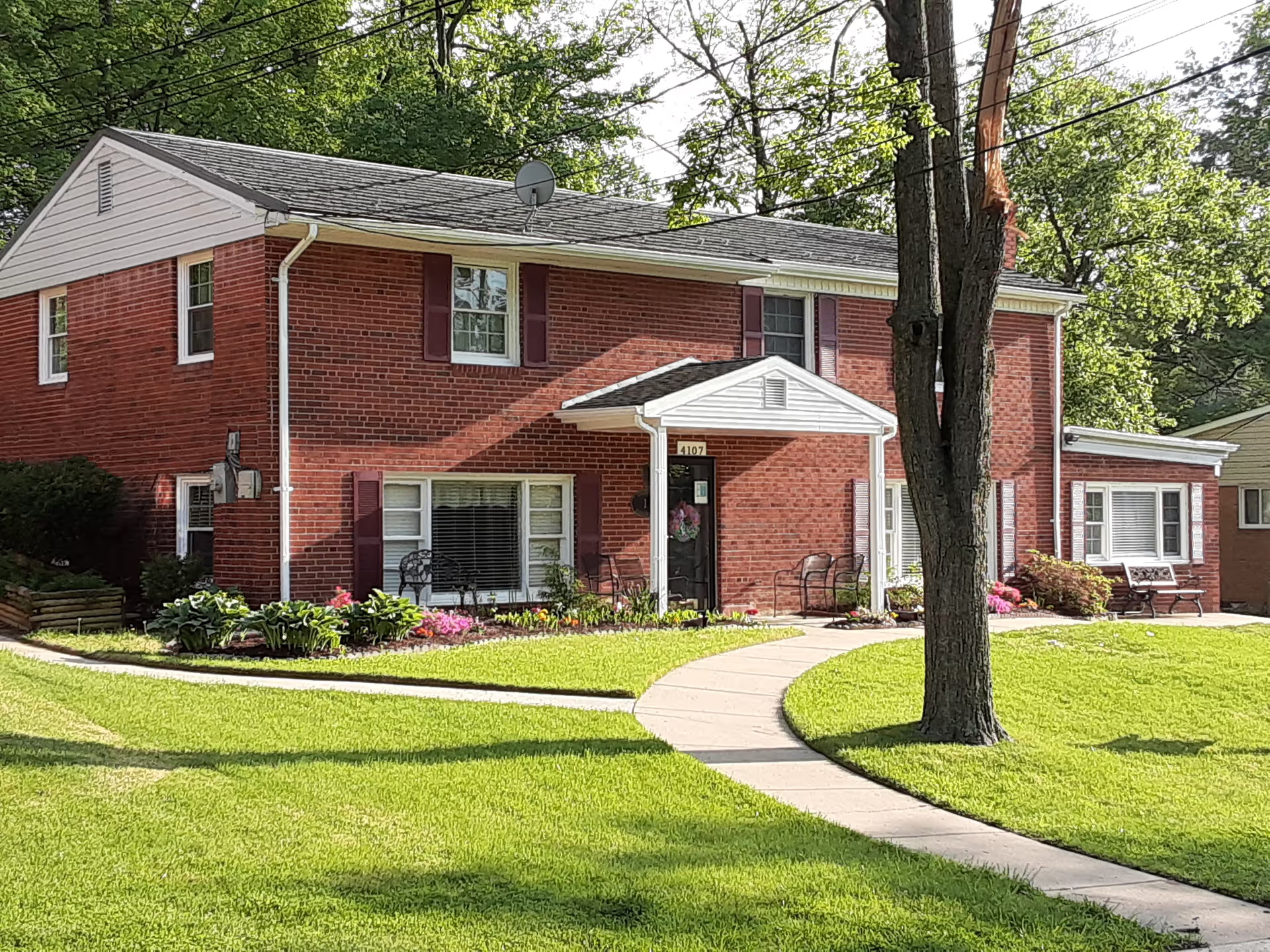
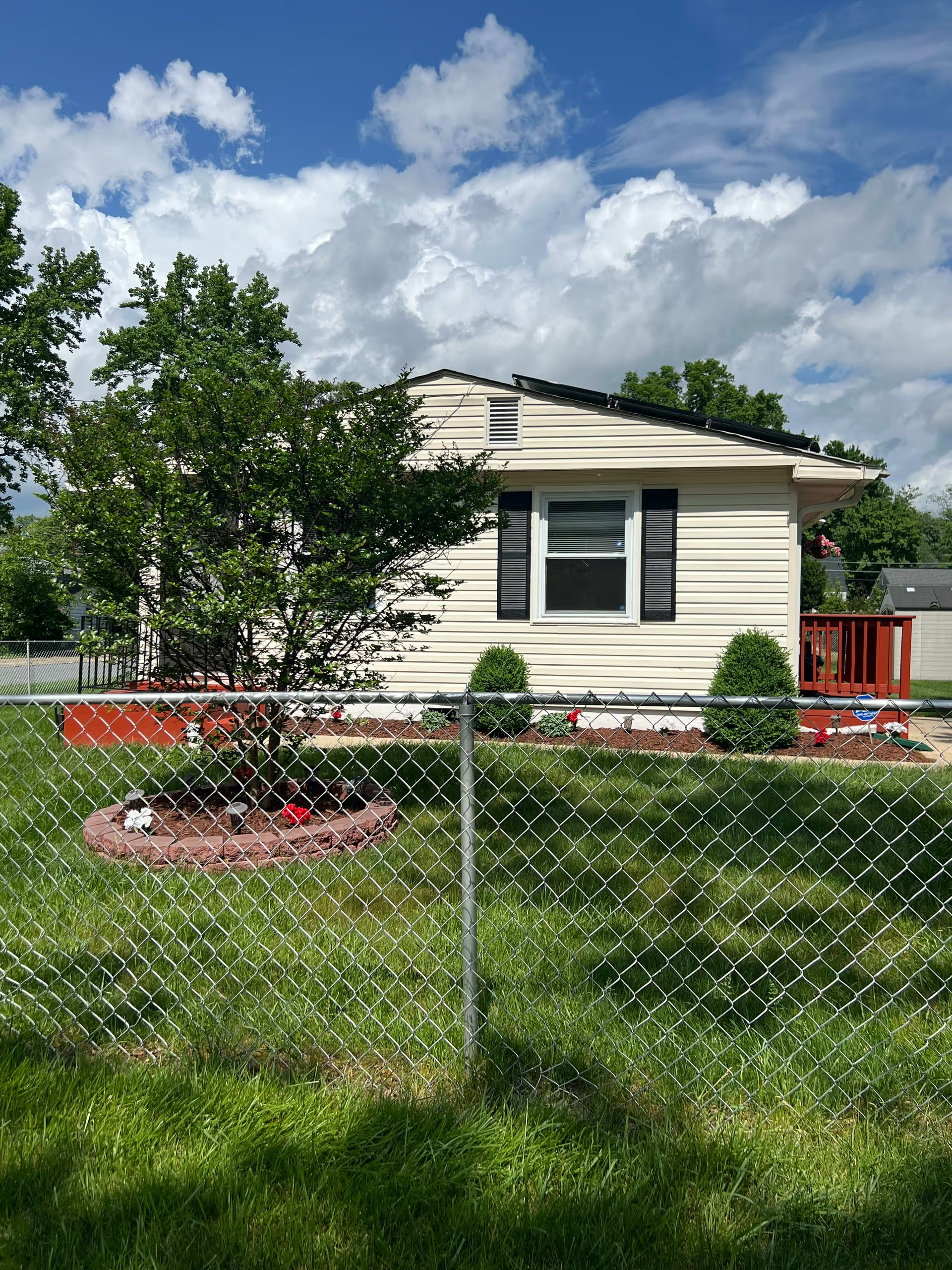
Caring Outreach for Seniors elicits a mixed but clear pattern: it is a small, family-owned home with several strengths tied to its size and ownership model, and a set of operational gaps that may affect day-to-day experience. Families frequently describe hands-on involvement by the owners, personalized and family-style caregiving, and staff who provide attentive, compassionate support. The home is praised for arranging grooming and individualized services, accommodating dietary needs (including heart-healthy modifications), offering transportation to medical appointments, and providing outdoor spaces such as a deck and yard that families find pleasant. Cost and flexibility are commonly cited positives: the facility is described as budget-friendly and willing to work with families on payment arrangements, which contributes to a sense of trust and peace of mind for some residents and their relatives.
Care and staffing show strengths and variability. Reviewers highlight staff members who are caring, offer mobility assistance, and provide individualized attention. At the same time, there are recurring operational concerns about staff professionalism and responsiveness; examples include delayed attention to residents and limited activity or mobilization routines that have left some families worried about inactivity. Communication is another recurring theme: families report gaps in timely updates about health status and difficulty reaching staff by phone. Prospective families should clarify the facility's communication protocols, staffing ratios, and activity schedules during a visit.
Dining and medication practices are mixed. The facility is willing to make dietary adjustments to support clinical conditions, which families appreciated. However, there are procedural constraints around medication access — notably a requirement for physician sign-off for certain over-the-counter medications — that may create friction for families and require advance planning. It is advisable to ask about medication-administration policies and how the provider coordinates with physicians and pharmacies.
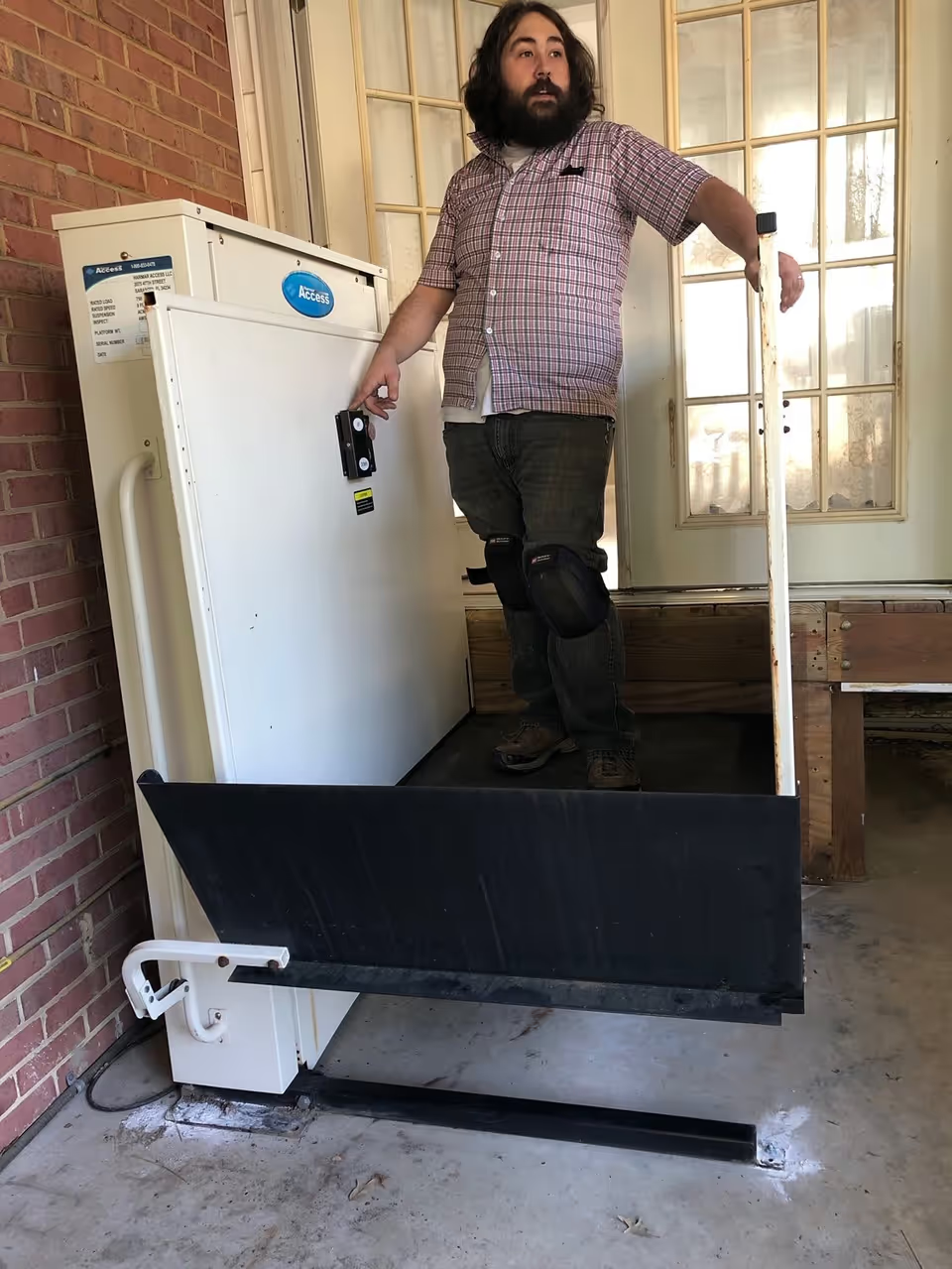
Facility condition and maintenance present contrasts. Some reviewers describe a clean, attractive home with orderly common areas, while others note sanitation concerns, odor-control issues in certain areas, and specific maintenance problems such as a broken shower or very small bathrooms that raise safety and accessibility questions. These maintenance and bathing-area issues suggest the need to inspect bathrooms, shower access, flooring, grab bars, and overall housekeeping practices in person.
Management style is clearly family-driven: owners appear to be directly involved in care coordination and in arranging services, which can produce a personalized experience. That involvement also leads some families to perceive a stronger emphasis on financial considerations in care decisions; prospective residents should discuss billing practices, included services, and any additional charges up front. Given the mix of positive personal attention and operational variability, an in-person visit is recommended. During a tour, observe cleanliness, ask for examples of communication procedures, review medication and OTC policies, evaluate bathroom and transfer safety, verify staffing levels and activity programming, and request references from current families to get a fuller sense of day-to-day operations.