Overall impression: Potomac Grace is commonly described as a well-kept, home-like residential setting with tidy, spacious rooms and warm, comfortable common areas. Families frequently cite a cheery atmosphere, thoughtful décor, and a sense of security. Many reviewers highlight the facility’s smaller, residential scale and long-tenured staff as contributors to a personalized feeling and a sense of continuity for residents.
Care quality and clinical coordination: Reviews indicate that routine personal care is delivered with compassion and patience, and several families describe attentive one-on-one support. At the same time, there are recurring concerns about the facility’s ability to manage higher-acuity medical needs. The pattern suggests strengths in daily assistance and comfort care, but potential limitations in clinical capacity—particularly for complex conditions requiring advanced nursing skills or specialized medical equipment. Families also described gaps in medication administration and in coordination with outside clinical services, indicating room for improvement in clinical protocols and oversight.
Staff and management: Staff are often characterized as friendly, caring, and patient; reviewers note staff willingness to accommodate dietary needs and to participate in activities. Leadership and managerial responsiveness, however, drew mixed feedback. Positive comments reference organized, professional staff and effective on-site management, while other accounts point to communication tone and responsiveness issues, unclear administrative processes, and instances where families felt management did not adequately address complex-care needs. These contrasting patterns suggest variability in management interactions and in how leadership handles more challenging clinical or administrative situations.
Dining and activities: Dining receives consistent positive mention for home-cooked, nutritious meals and flexibility around special diets. Activity programming is frequently praised for being engaging and involving staff; residents are often described as enjoying social events. That said, some families experienced inconsistent activity frequency or limited participation for residents with higher care needs, indicating that activity engagement may depend on staffing and individual clinical capacity.
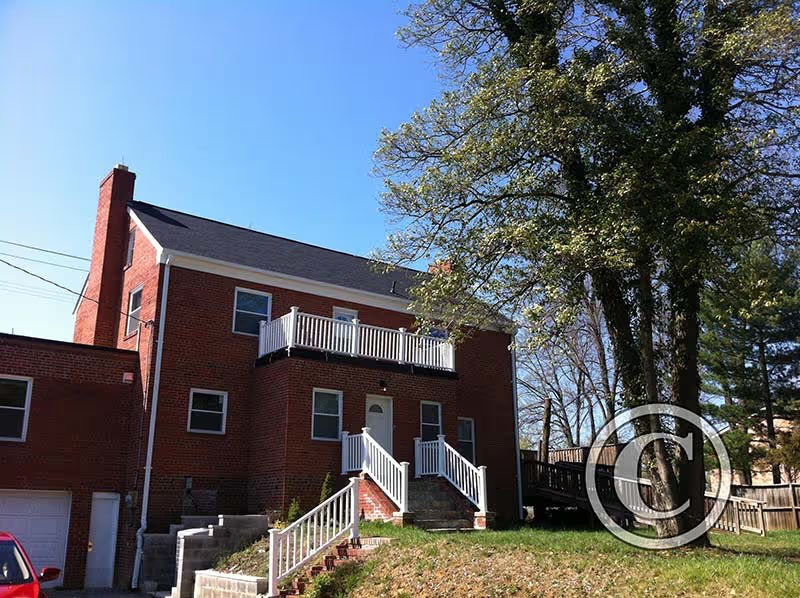
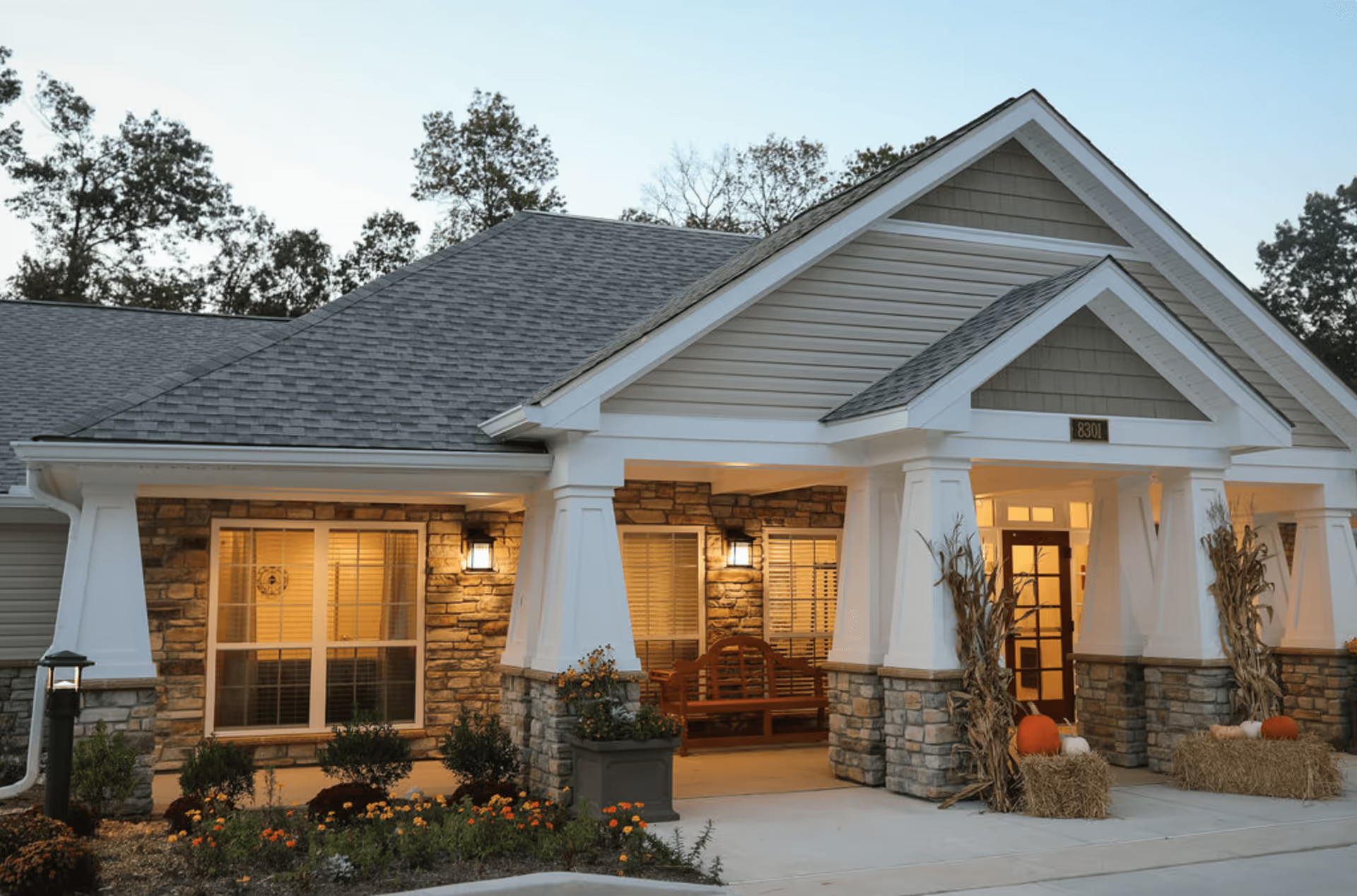
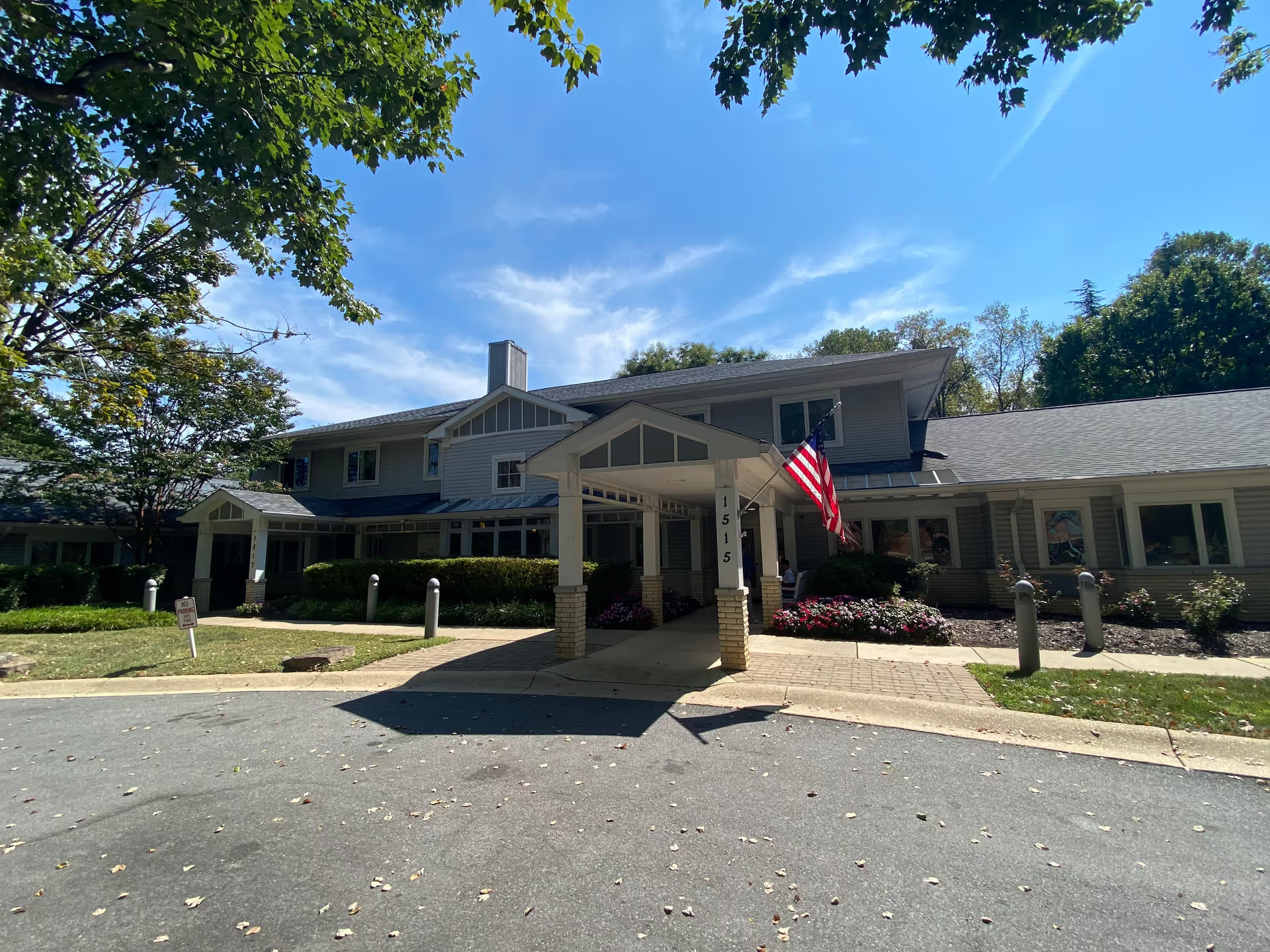
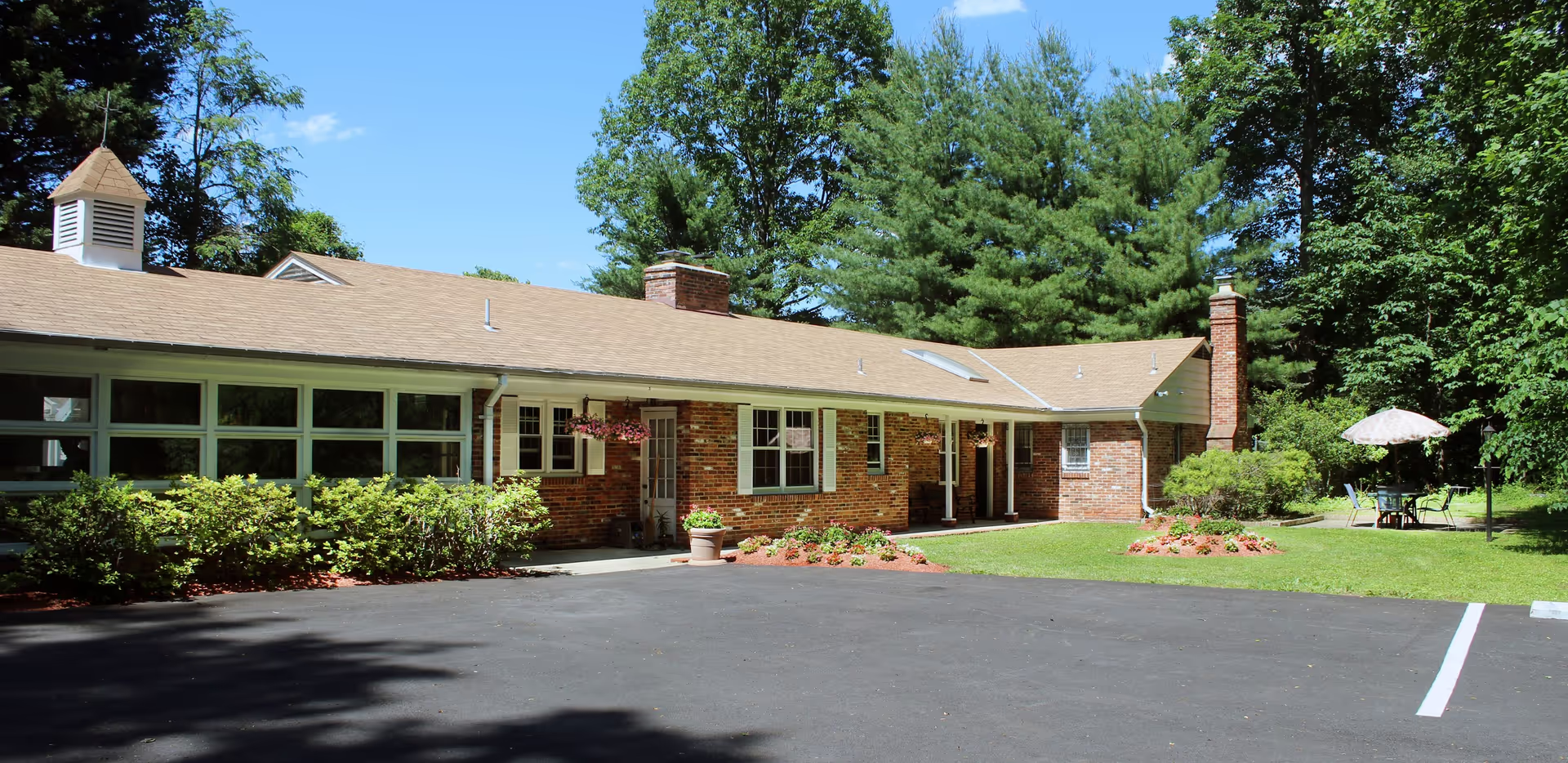
Facilities and amenities: The physical environment is a clear strength—reviewers describe a beautiful, well-maintained house with large bedrooms, comfortable common spaces, and a secure, welcoming setting. The smaller residential model is cited as contributing to personalized attention and a family-like atmosphere.
Operational and financial patterns: Operationally, notable patterns include concerns about staffing levels (with some families feeling the need to arrange supplemental support), uneven therapy and rehabilitation coordination, and weaknesses in financial or contract processes such as deposit handling and billing transparency. Visitation management also surfaced as an operational area needing clearer policy application. Together, these issues point to administrative and process areas where policy clarity, staffing investment, and stronger clinical protocols could improve family confidence.
Bottom line: Potomac Grace offers many qualities families seek in a residential care home—clean, comfortable surroundings; home-style meals; compassionate caregiving; and an engaged activity program. Prospective residents and families should weigh these strengths against the facility’s limitations in managing higher-acuity medical needs, and should seek clear, written information about clinical capabilities, medication-management protocols, staffing ratios, therapy services, visitation policies, and financial/contractual terms before admission.