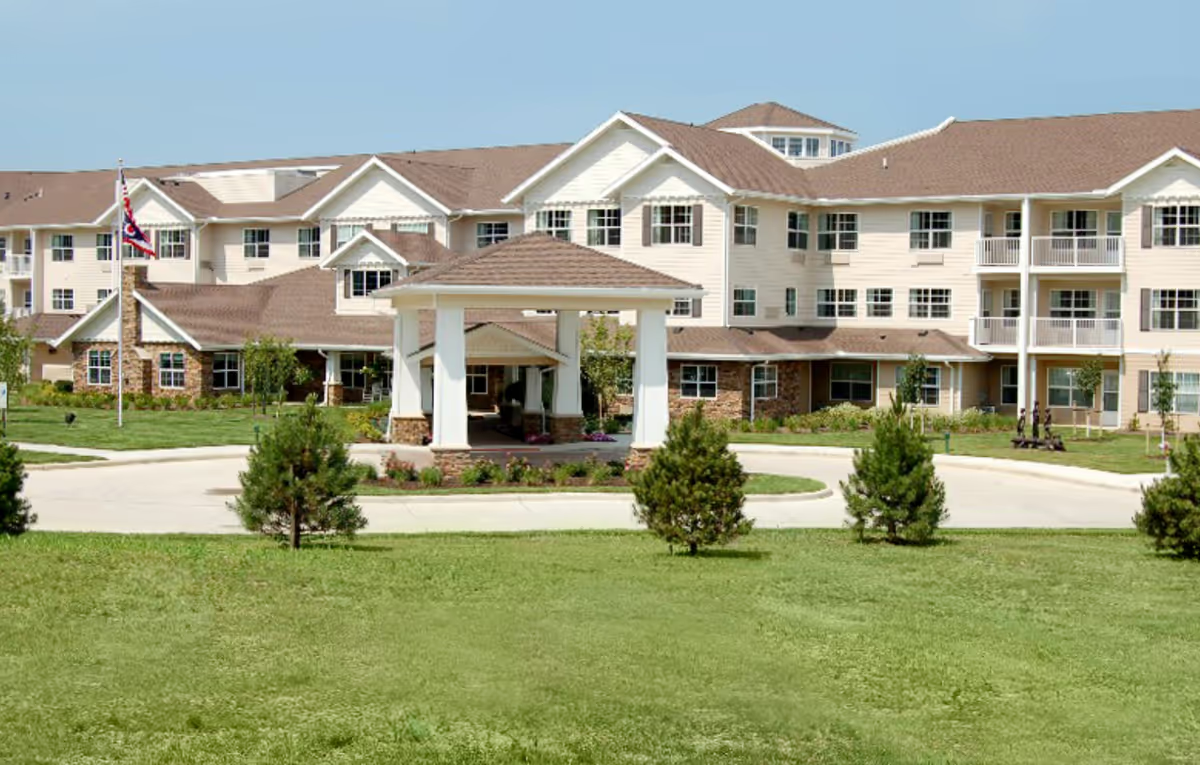
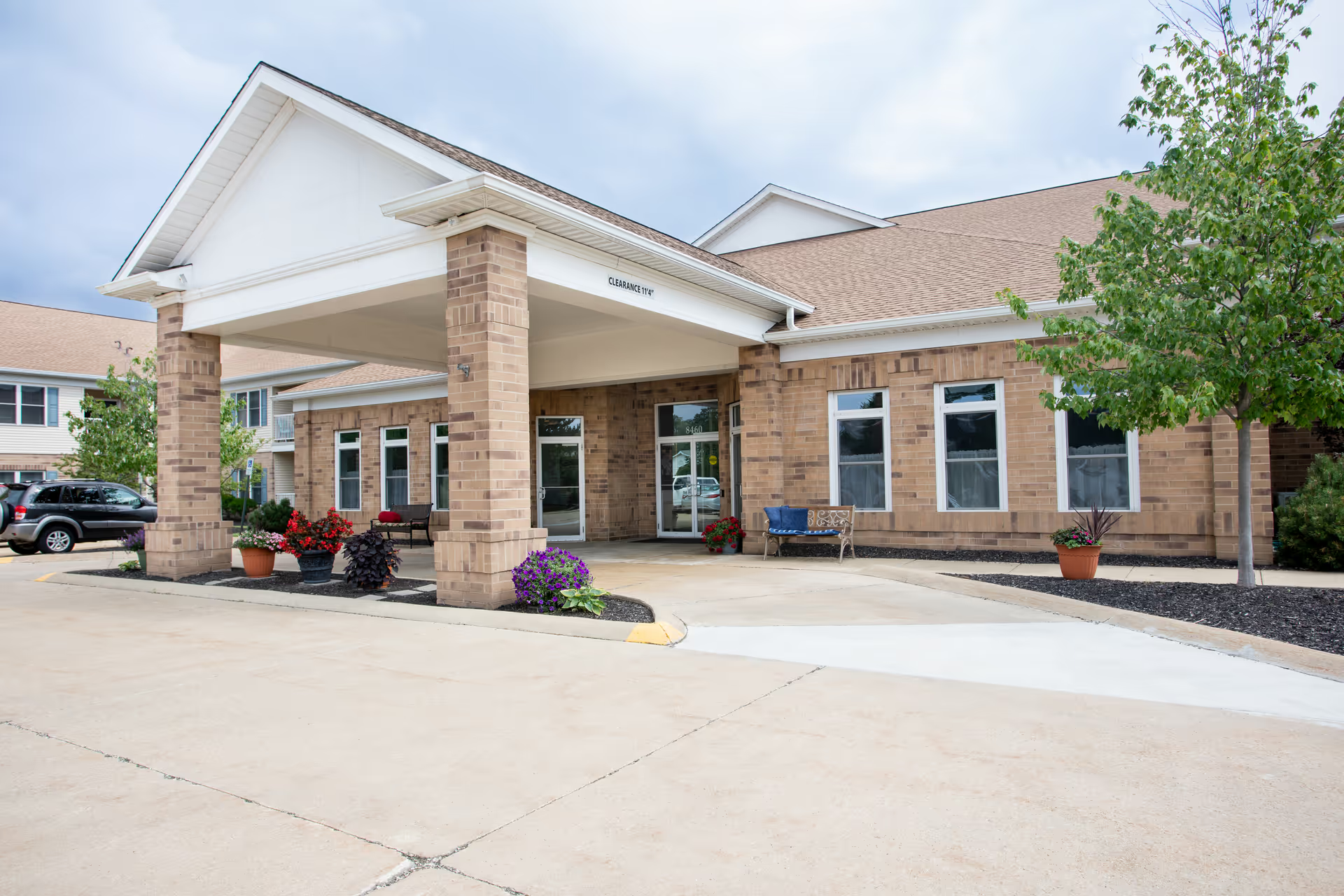
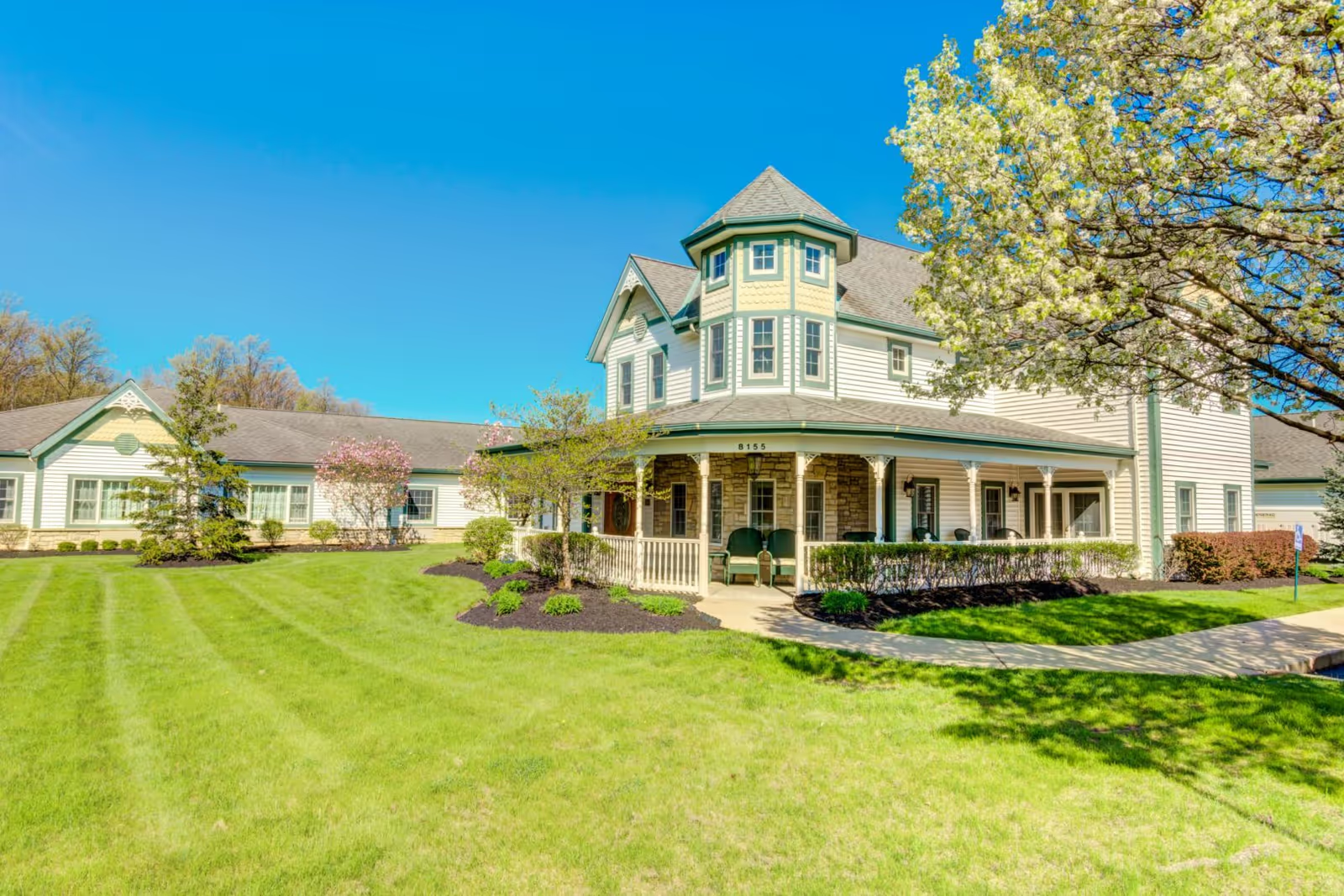
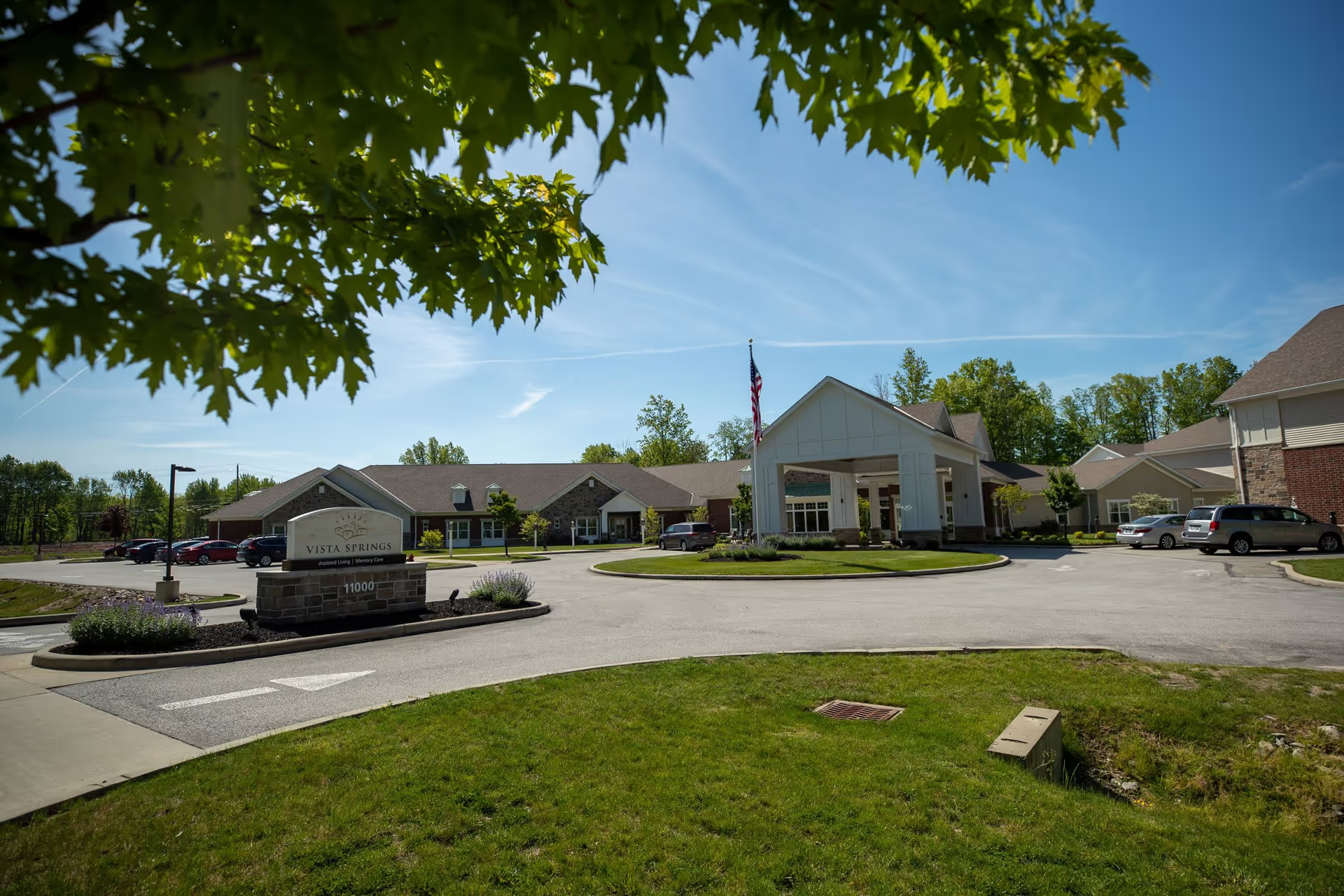
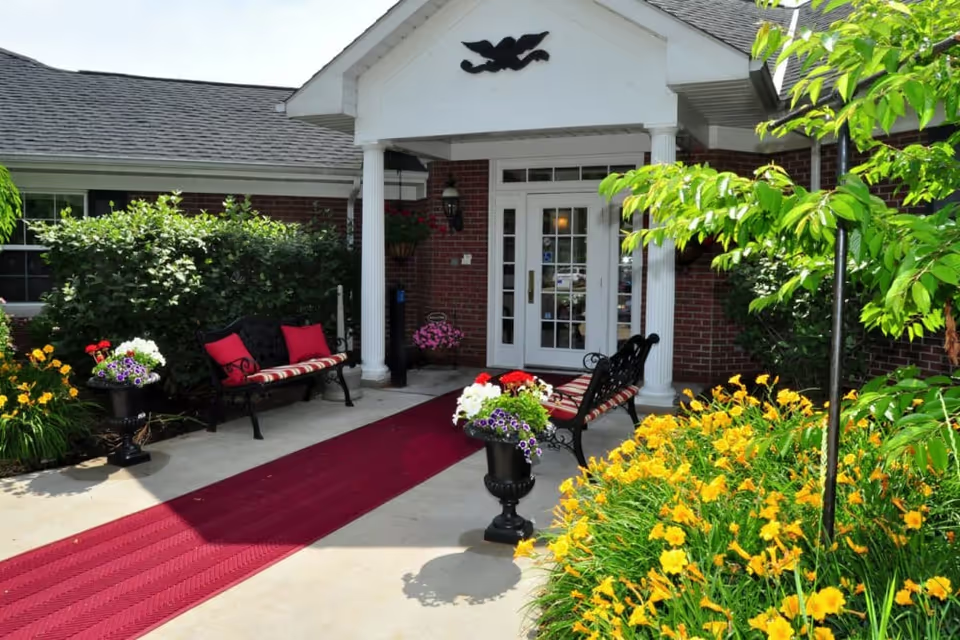
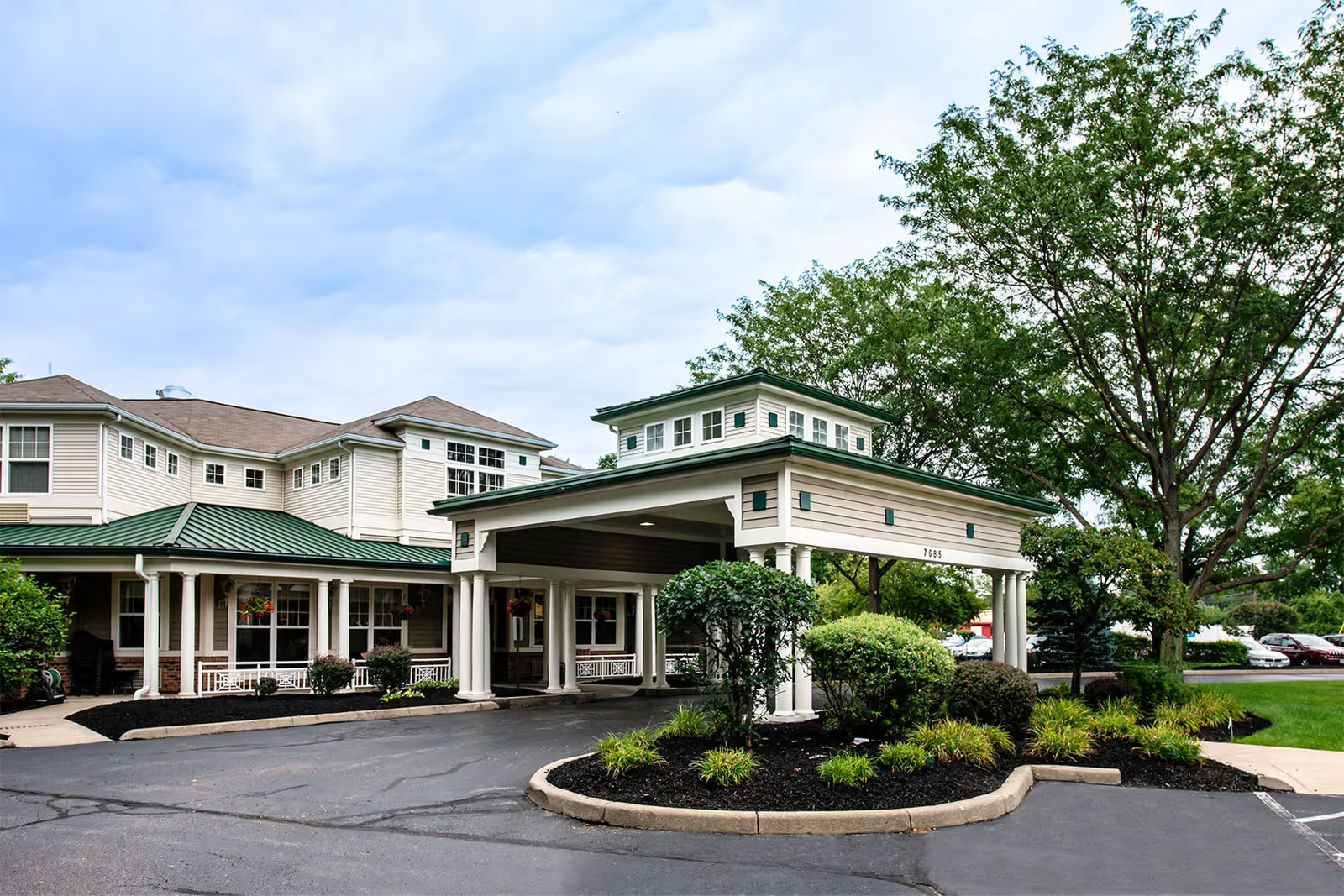
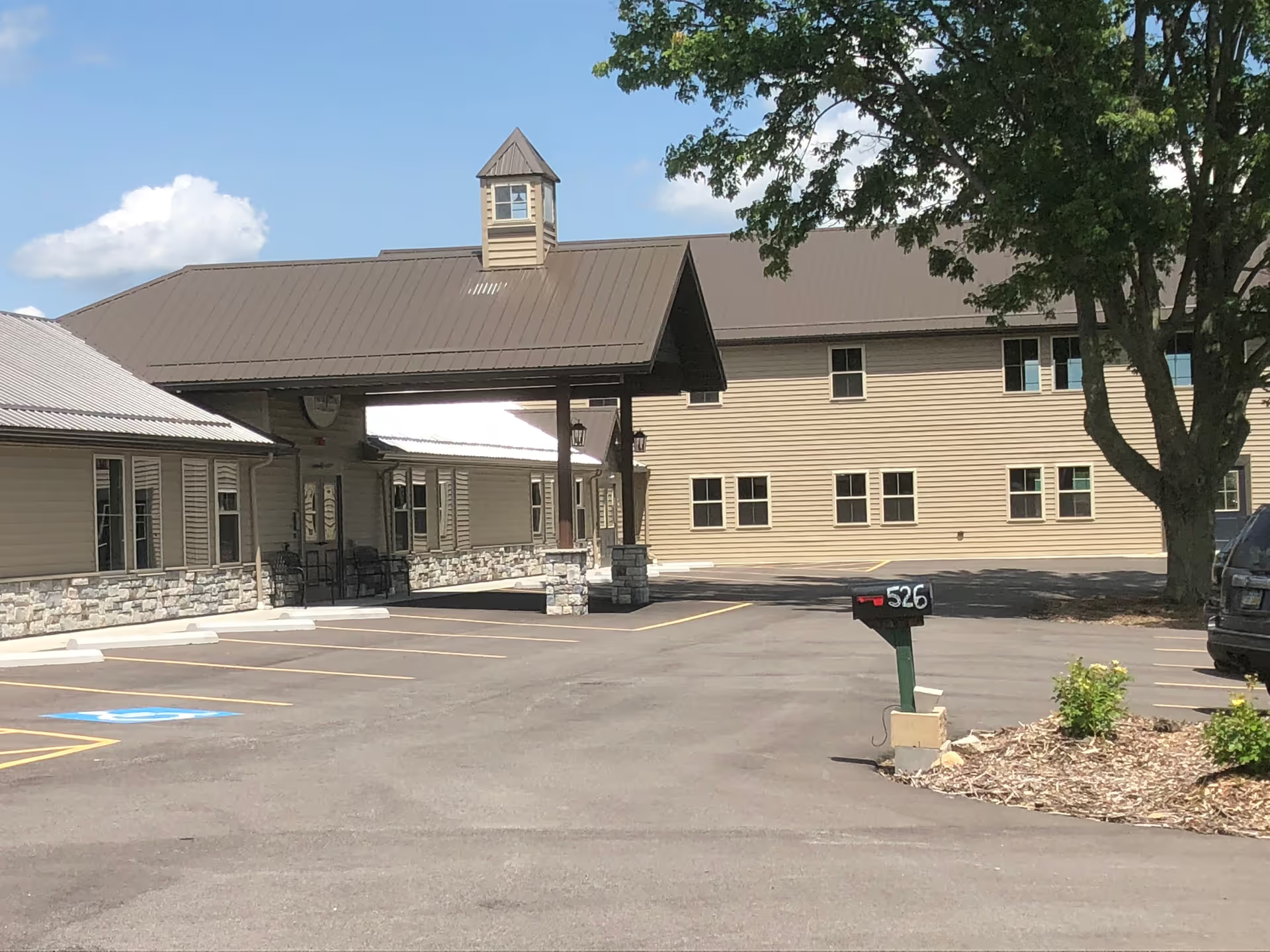
Reviews present a mixed but consistent profile: Abbey-Assisted Living is described as a small, home-like facility where individual caregivers provide attentive, medically competent care. Families cite compassionate staff, knowledgeable and patient aides, and clear clinical communication — including therapy updates — as strengths. Nutrition and housekeeping are also highlighted positively: meals are described as well planned and nutritious, and the facility is perceived as clean and well maintained. Medication management is viewed favorably as appropriate and not excessive.
At the same time, operational and environmental traits of the facility raise several recurring concerns. The property appears to operate in a household model with on-site staff living arrangements; this contributes to elevated ambient noise and non-resident activity (children, animals, and family traffic), which can affect resident comfort and privacy. The building layout includes numerous steps and limited ramp infrastructure, making navigation difficult for persons who use wheelchairs or walkers and increasing reliance on staff assistance for movement. These accessibility constraints are linked to broader safety issues: reviewers indicate gaps in fall-prevention and transfer-safety practices that warrant attention.
Activity programming and resident engagement are other notable shortcomings. Households with few structured offerings leave some residents with limited stimulation beyond television, indicating a need for more consistent, scheduled social and recreational activities. Additionally, the facility allows indoor smoking in parts of the house and offers high-occupancy room configurations (up to three residents per room), factors that may influence air quality, privacy, and suitability for residents with particular health or lifestyle needs.
Overall, Abbey-Assisted Living appears to deliver sincere, hands-on caregiving and strong basic clinical support within a domestic-style setting. Prospective residents and families should weigh those strengths against the trade-offs inherent to a household operation: limited physical accessibility, elevated noise and non-resident activity, constrained activity programming, indoor smoking policy, and shared-room arrangements. Addressing fall-prevention protocols, accessibility modifications, clearer boundaries around on-site housing impacts, expanded activity offerings, and reconsideration of smoking and occupancy policies would align the facility’s operational practices more closely with the level of individualized clinical care many reviewers describe.