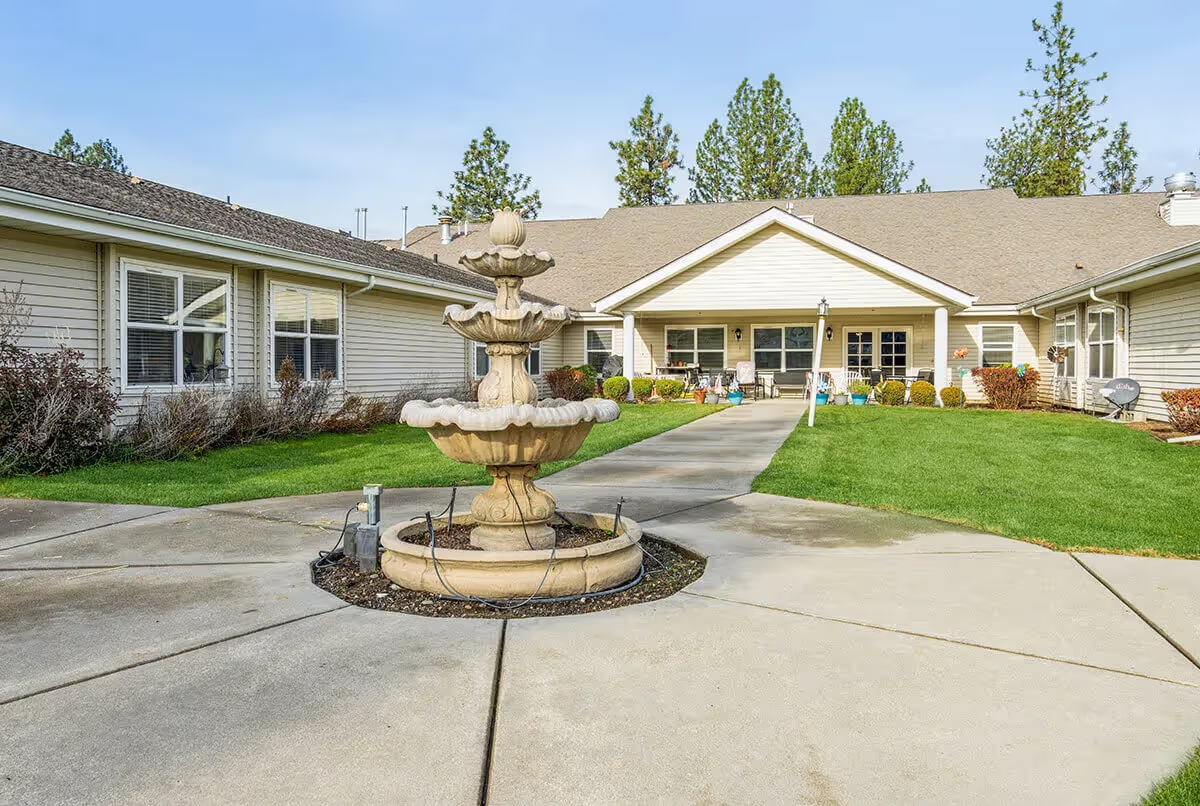
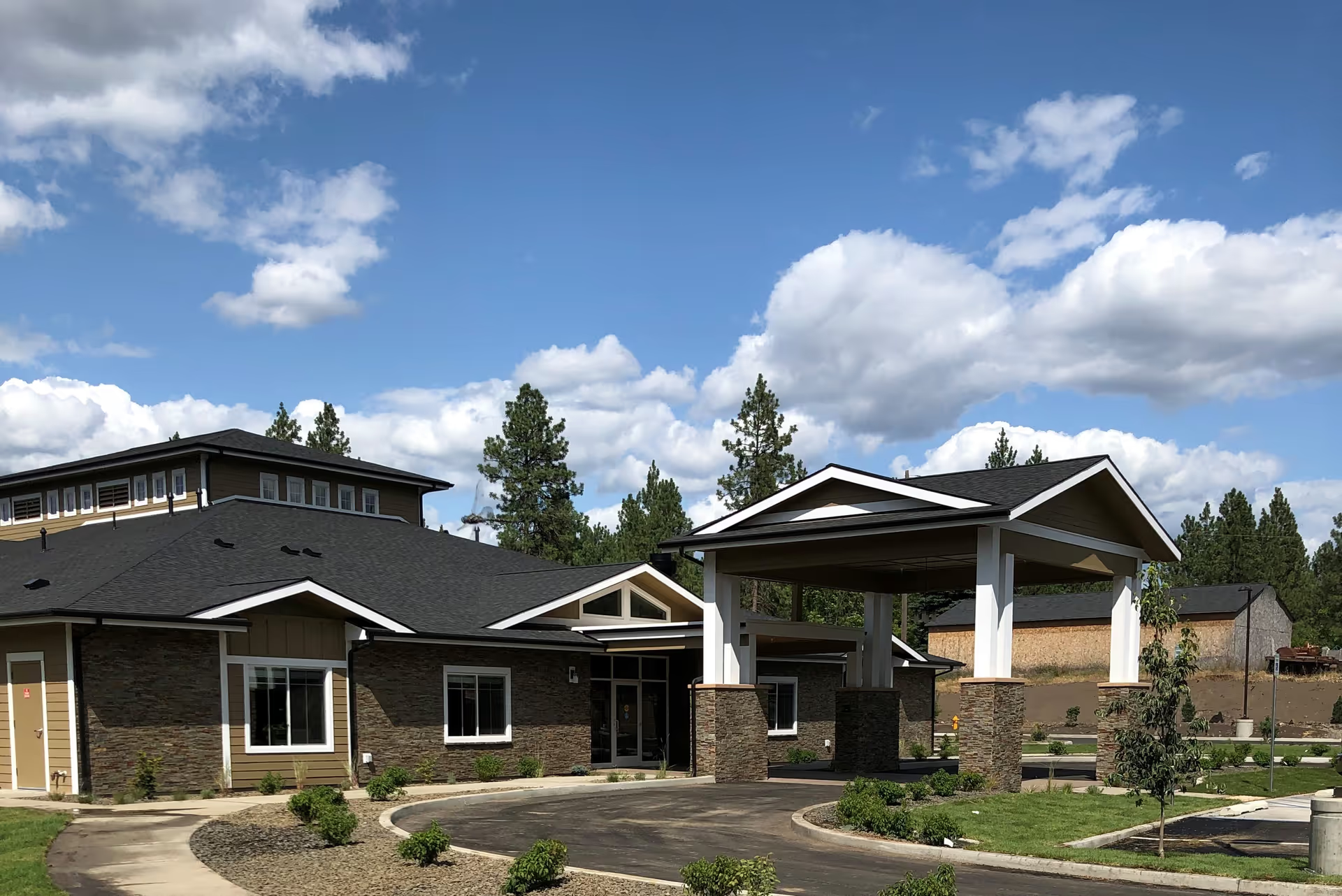
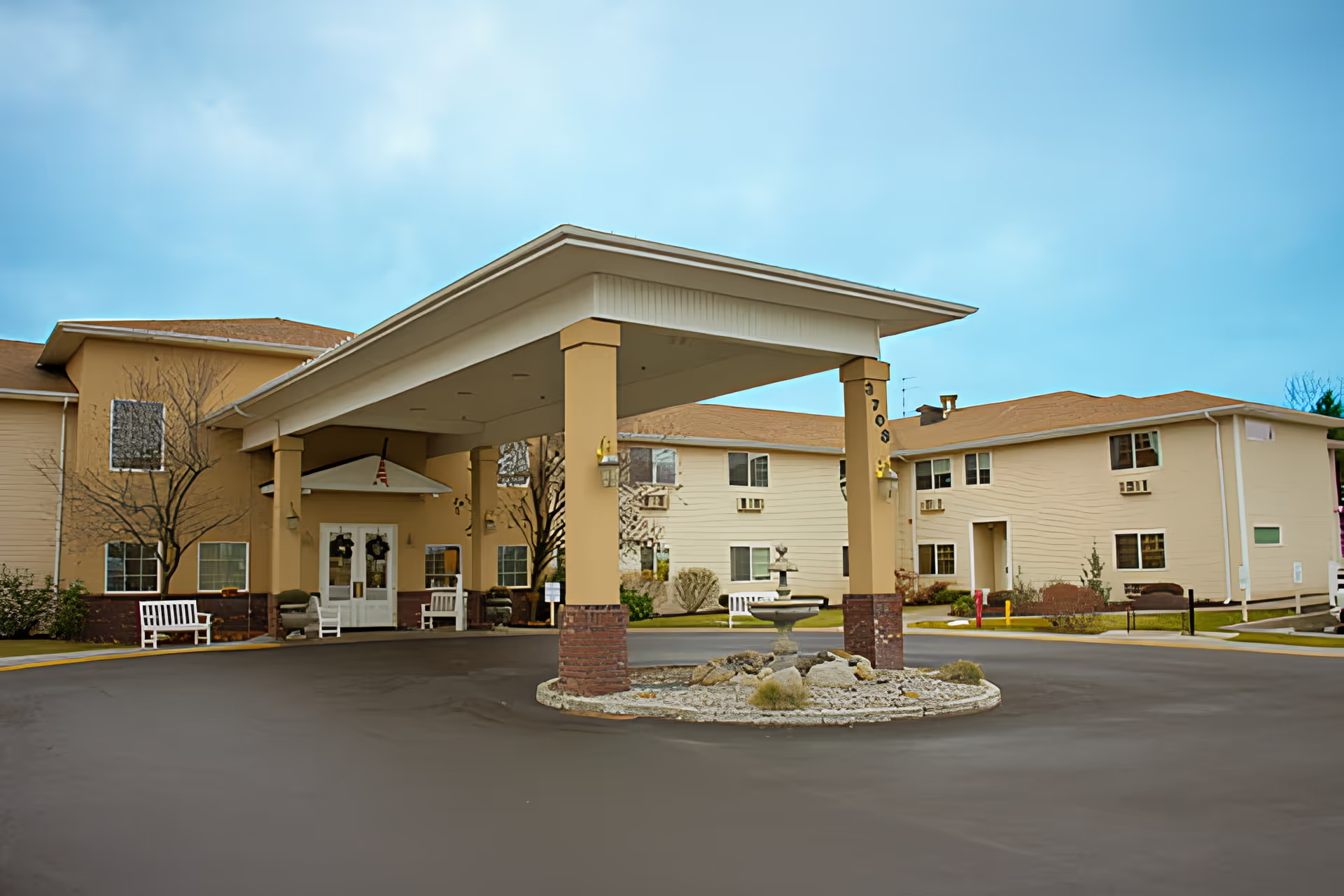
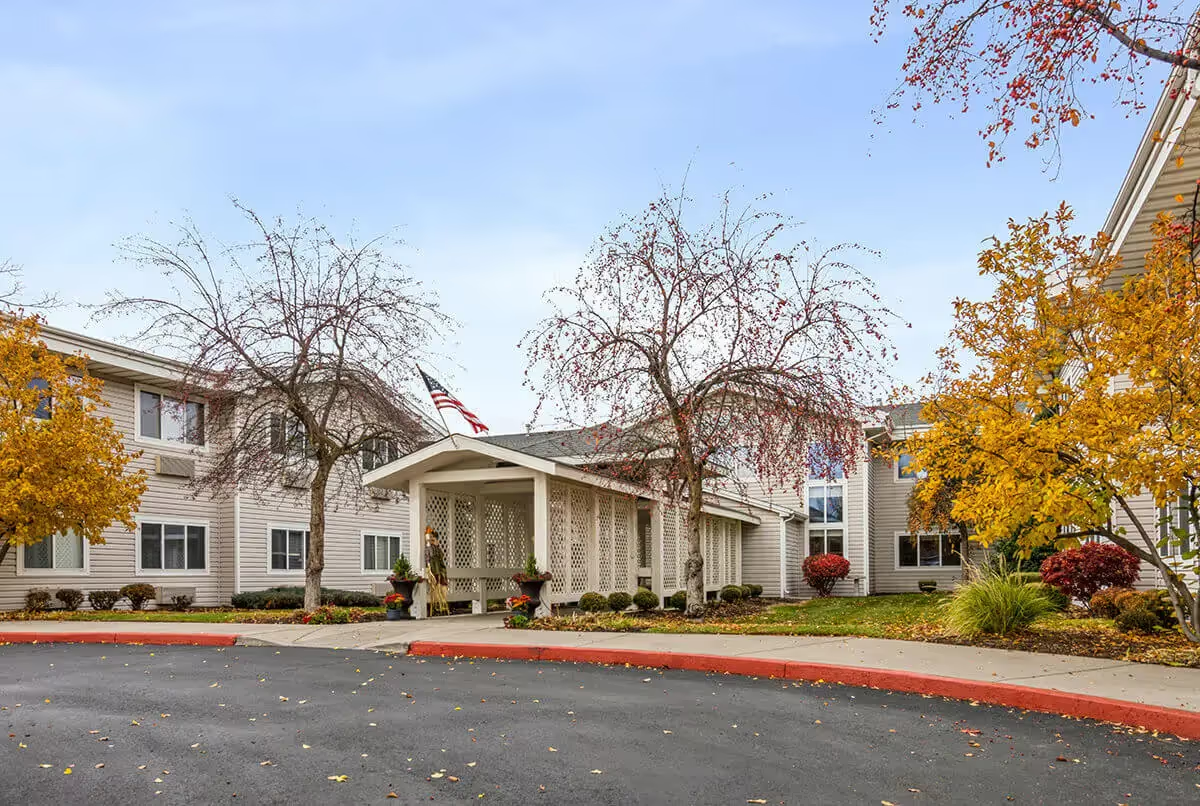
Princeton Place AFH is portrayed as a small, family-run residential home with a homelike character. Reviewers emphasize a family-style atmosphere, regular presence of pets and visiting children, and a general sense of a warm, domestic environment. These features suggest the facility may appeal to families seeking a smaller, less institutional setting with opportunities for intergenerational contact and pet interaction.
Care quality and staff performance show a mixed picture. Positive impressions of a family-oriented staff are counterbalanced by a serious concern described by one family around an acute infectious event and subsequent hospitalization. That account raises operational questions about infection-prevention practices, consistency in following individualized care plans, and responsiveness when a resident’s condition changes. Prospective families should verify clinical oversight, staffing levels, and how care plans are implemented and monitored.
There is limited direct information about dining and formal activities. The presence of pets and visiting children implies informal, family-style social engagement rather than a structured activity program. Families should ask about meal services, dietary accommodations, activity schedules, and opportunities for social interaction to ensure they match a prospective resident’s needs.
Facilities and management appear residential and well maintained from the comments that describe a “nice family home.” That scale can offer personalized attention but may also mean fewer on-site clinical resources compared with larger licensed facilities. Important management topics for inquiry include infection-control protocols (especially for respiratory illnesses), emergency transfer procedures, staff training and turnover, medication-management practices, and how staff communicate health status changes to families.
Notable patterns: the home’s small, pet-friendly, family atmosphere is a consistent strength, while there is at least one account suggesting gaps in clinical incident response and communication. Those differences highlight a common tradeoff in small residential homes: a warm, personal environment may come with variability in clinical processes. Prospective residents and families should conduct an in-person visit, review the facility’s written policies on infection prevention and emergency response, and discuss specific care needs and communication expectations before making placement decisions.