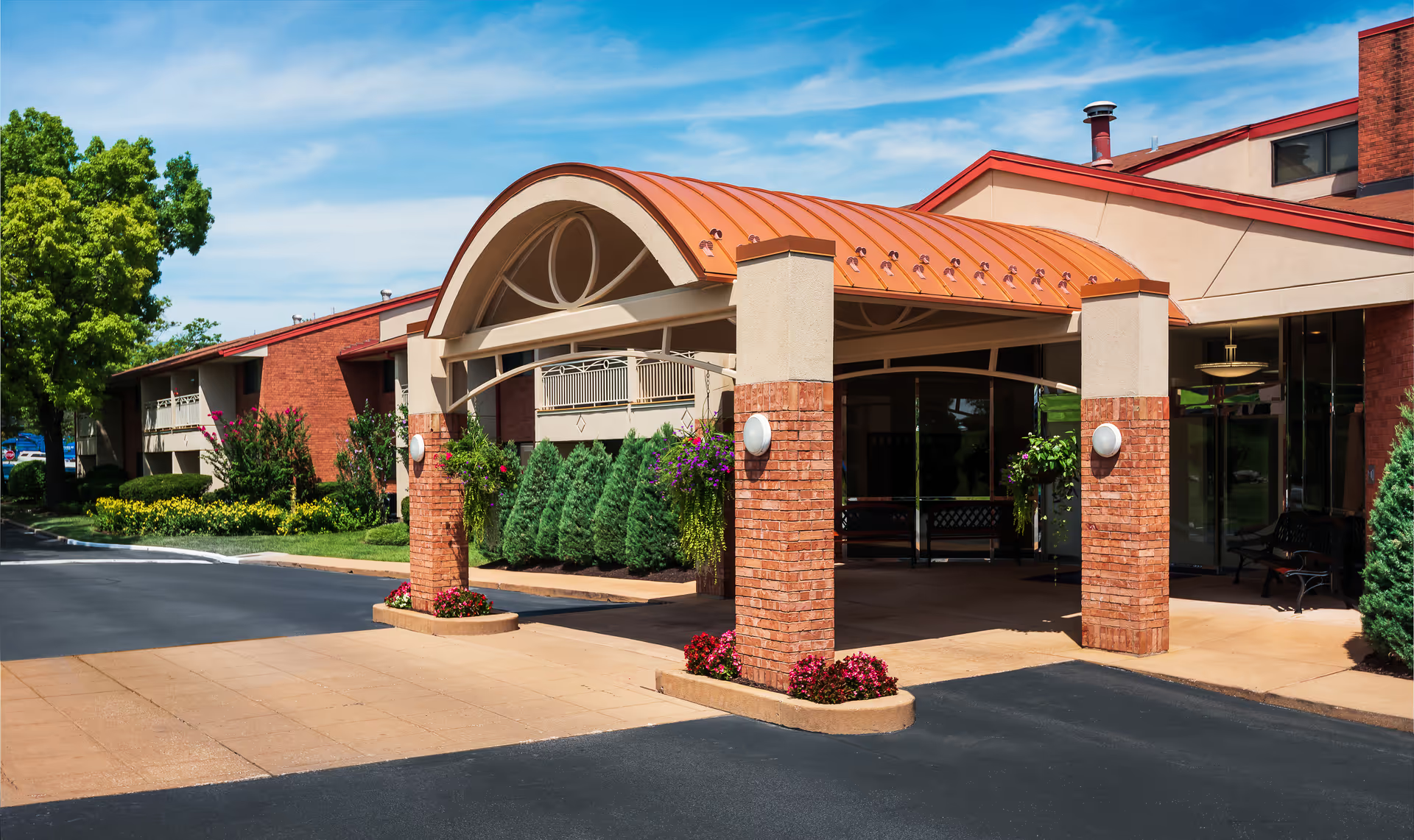
Brooking Park elicits strongly polarized impressions. Many families praise its rehabilitation services, hospitality‑style dining, and attractive campus: physical and occupational therapy are repeatedly described as professional and effective, dining areas and menus are often highlighted as a strength, and rooms and grounds are generally regarded as clean, bright, and well maintained. Several reviewers also noted compassionate, long‑tenured caregivers and described positive experiences with hospice or end‑of‑life care and spiritual support when provided.
At the same time, a consistent pattern of operational weaknesses emerges. Staffing levels fluctuate and appear to be lower overnight and during off‑peak hours, producing delayed responses to nurse calls and personal assistance requests. These staffing issues are linked in multiple accounts to missed medications, medication‑administration errors, missed meals, and delays in toileting assistance. Reviewers described reliance on agency staff and variable clinical competency among nursing and aide staff, which contributes to inconsistent day‑to‑day care quality.
Dining and activities are commonly praised but not uniformly reliable. While the facility’s restaurant‑style dining, varied menus, and bakery offerings receive positive mentions, there are frequent notes about meal timing problems, cold or incomplete trays, and occasional deviations from posted menus. Activities programming, outings, and on‑site entertainment are described as robust and beneficial for residents, though weekend therapy and activity availability may be limited in some cases.
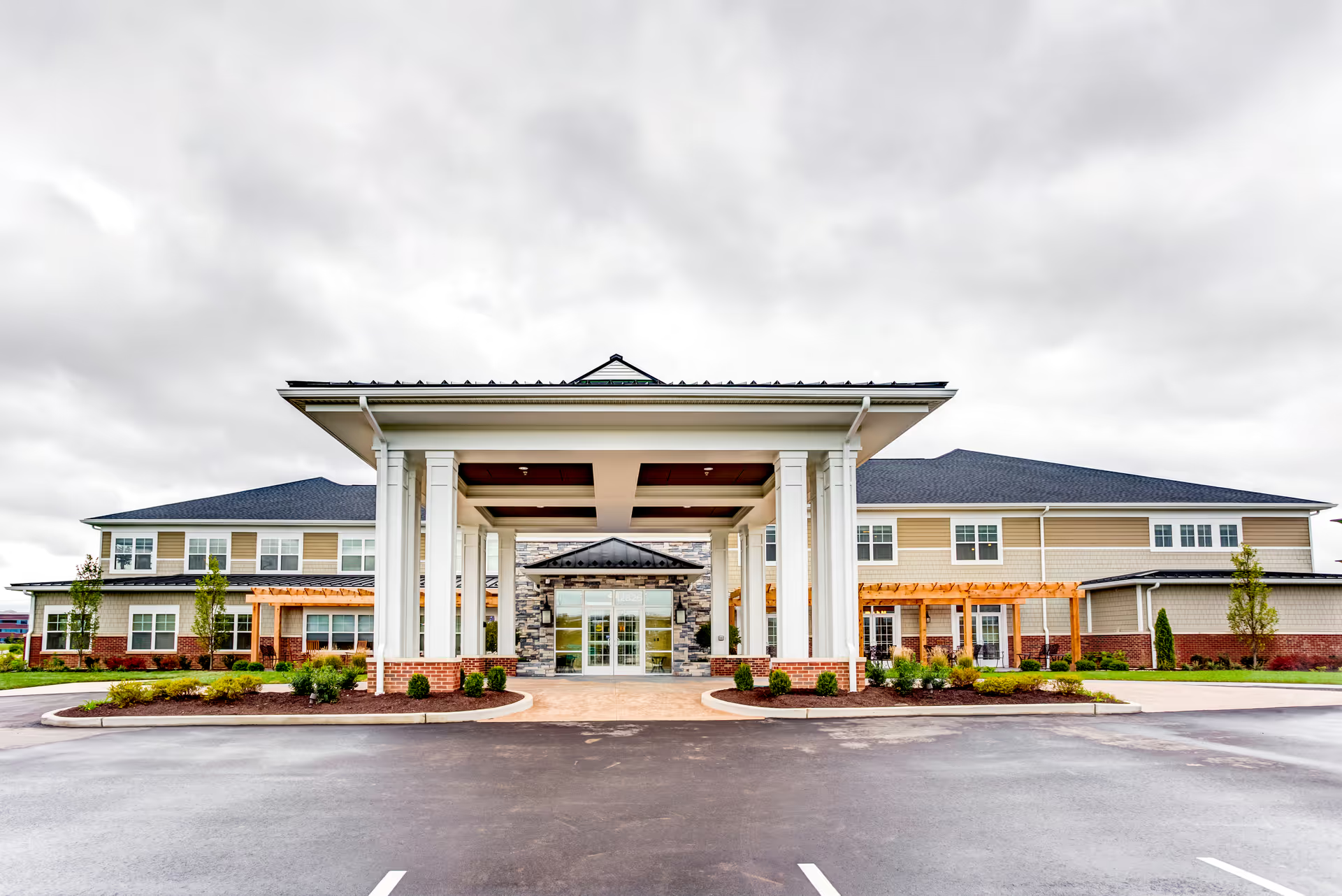
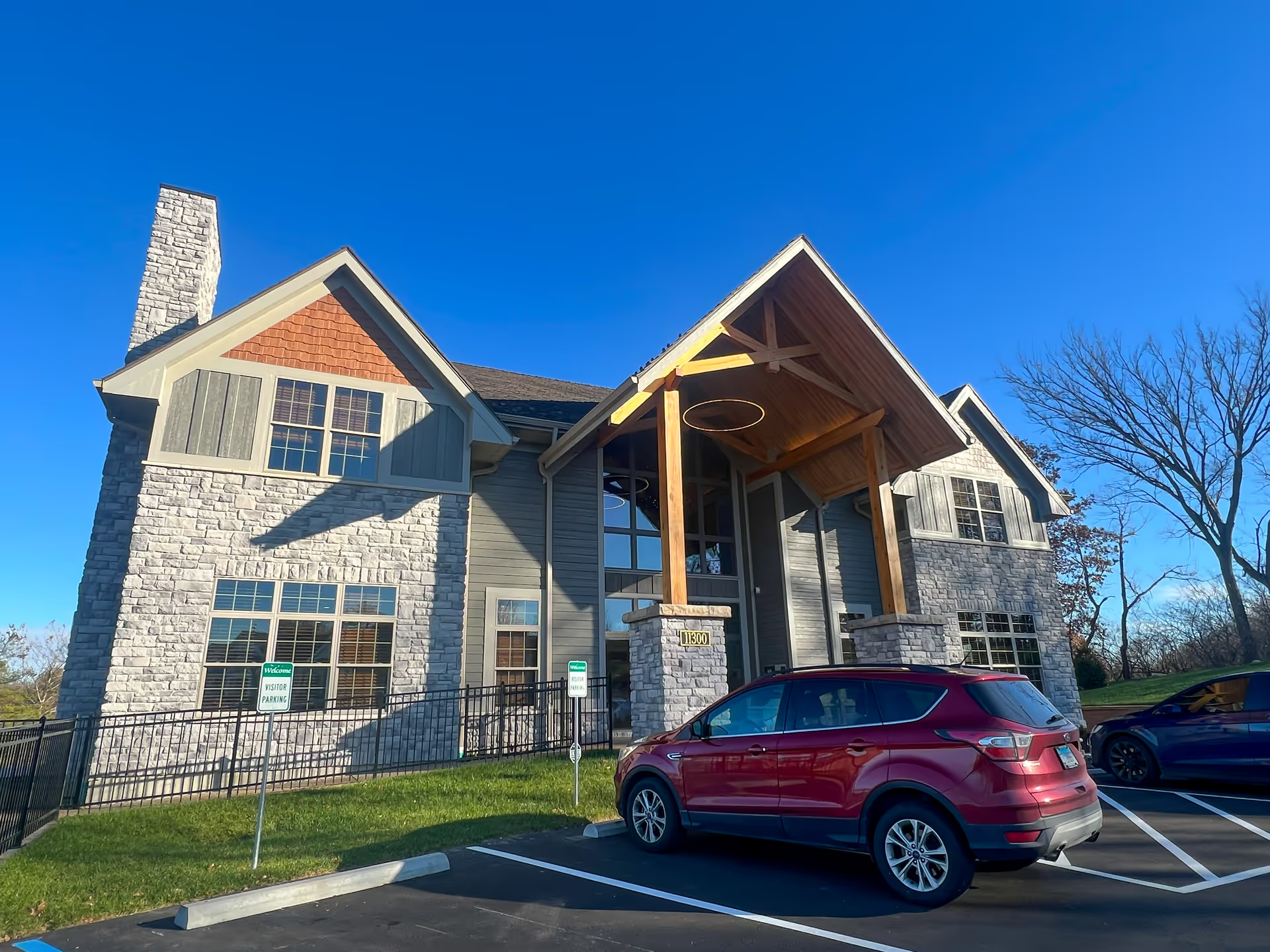
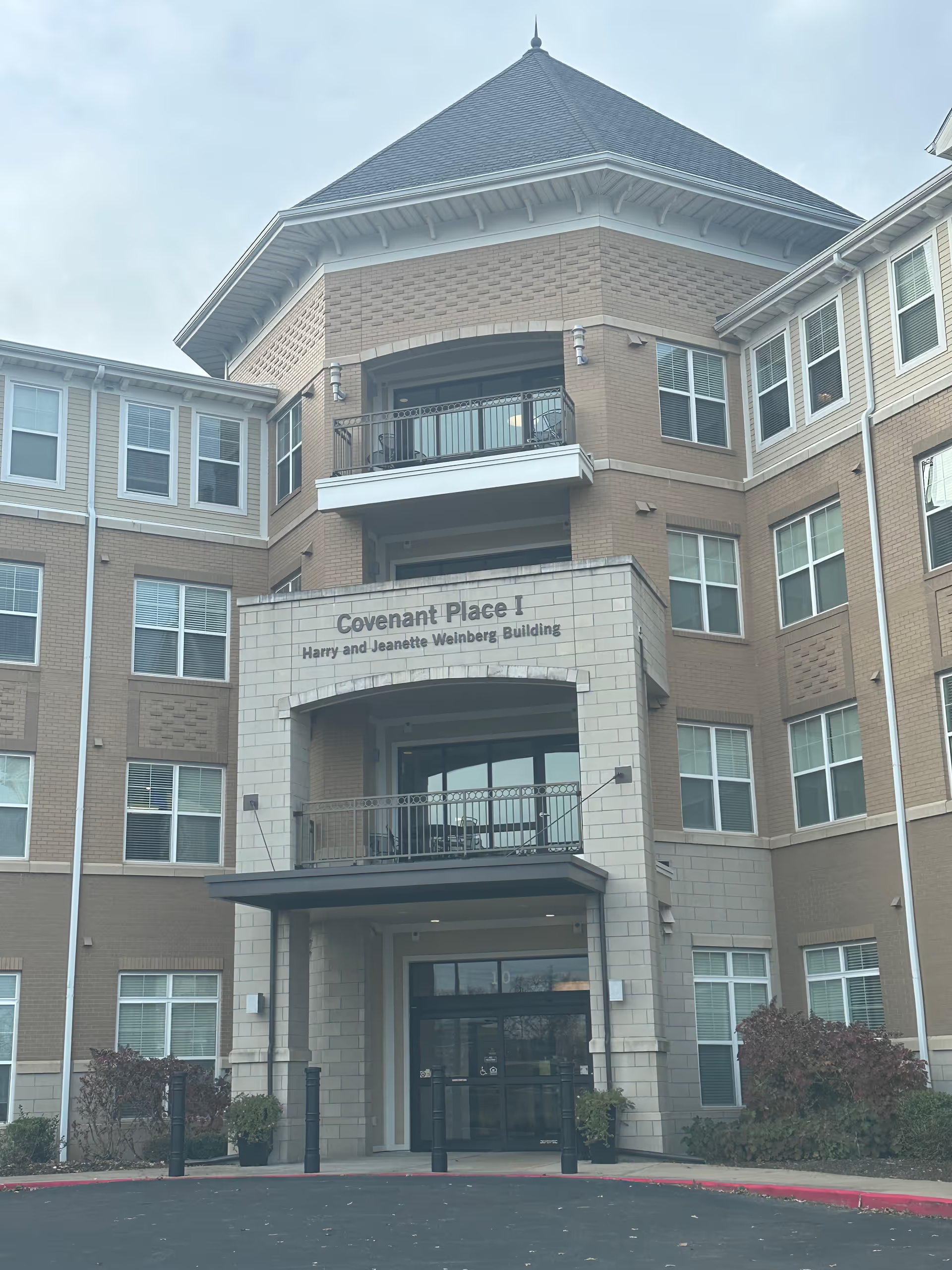
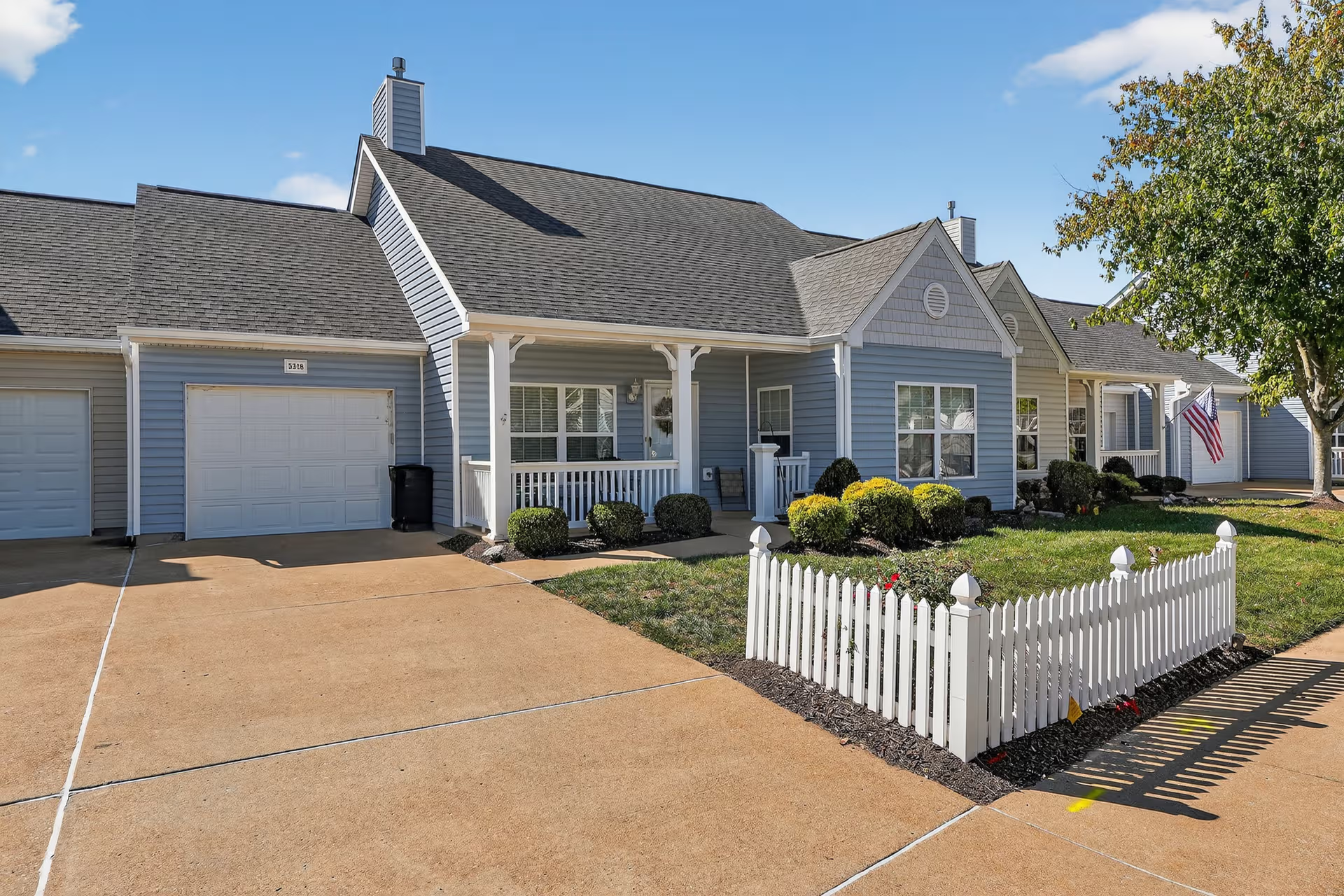
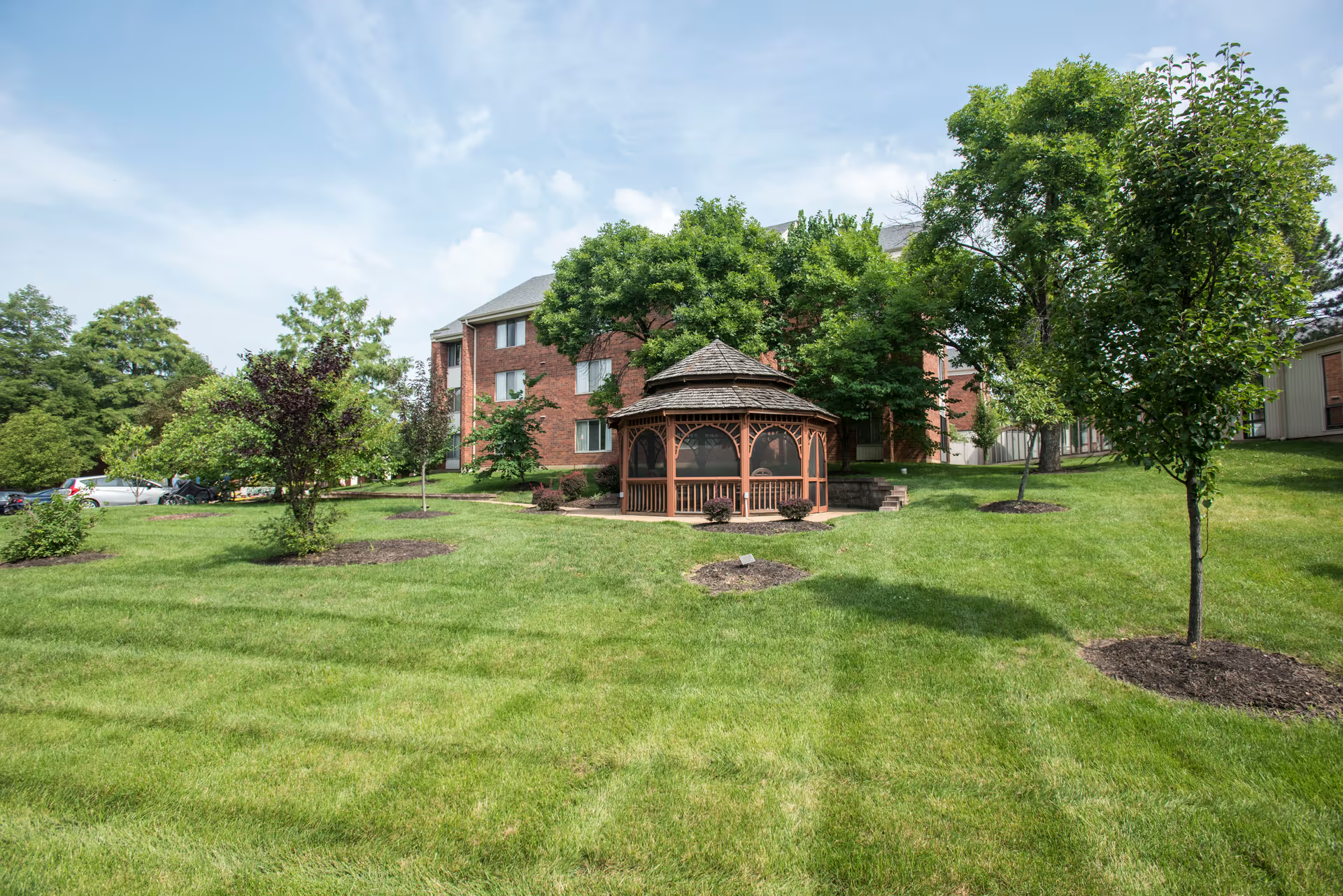
Facility amenities and physical environment are generally strong: renovated rooms, private bathrooms, pleasant common areas, and accessible outdoor spaces are repeatedly commended. However, reviewers also raised sanitation and pest‑control concerns in specific units and cited instances where housekeeping and laundry services were inconsistent. Construction and renovation work has at times created crowding in therapy or dining spaces.
Management and communication are recurring sources of dissatisfaction. Families reported variable responsiveness from social work and administration, unclear or delayed discharge and transport coordination, and disagreements over billing or deposit practices. There are also specific, serious allegations about documentation accuracy and financial issues; these have been described as disputes or irregularities and suggest a need for clearer transparency and stronger administrative oversight.
Overall, Brooking Park offers notable strengths in therapy, dining atmosphere, campus amenities, and pockets of very attentive staff. Prospective residents and families should weigh those strengths against documented operational weaknesses: inconsistent staffing and clinical reliability, communication and coordination gaps, and episodic sanitation or safety concerns. For individuals prioritizing high‑intensity, consistent clinical oversight and reliable overnight assistance, it may be advisable to verify staffing patterns, medication‑management protocols, and post‑admission communication plans before committing. Conversely, those seeking strong rehabilitation services, a hotel‑style dining experience, and an active campus may find the facility aligns well with their priorities if they build in close family oversight during the early period of a stay.