Albuquerque Grand Senior Living presents a mixed picture: many families and residents praise day-to-day caregiving, social engagement, location, and value, while others raise substantive operational concerns. Prospective residents should weigh consistent strengths—engaged, friendly staff; a broad activities calendar; multiple meal options including room delivery; and a range of on-site amenities—against recurring facility-level weaknesses that affect safety, comfort, and reliability.
Care and staff: Staff interactions are frequently described as warm, personalized, and hands-on, and housekeeping and activity personnel receive regular commendation. These strengths contribute to strong social connections and resident satisfaction for many long-term occupants. However, multiple reviewers noted high staff turnover and frequent management changes, which correlate with reports of inconsistent clinical oversight. There are specific concerns about medication-management processes and delays in clinical responsiveness; these suggest gaps in clinical controls and handoff procedures that families should clarify during a tour.
Dining and activities: The community offers a full activities program (games, arts, outings, intergenerational events) and generally ample food service with options for dietary needs and in-room delivery. Several accounts describe nutritious, popular menu items and an active social dining environment. Counterbalancing this, there are repeated notes of inconsistent meal quality, limited selection at times, and occasional service interruptions or slow deliverables when kitchen staffing is constrained. Prospective residents should confirm current kitchen staffing patterns and sample meals before committing.
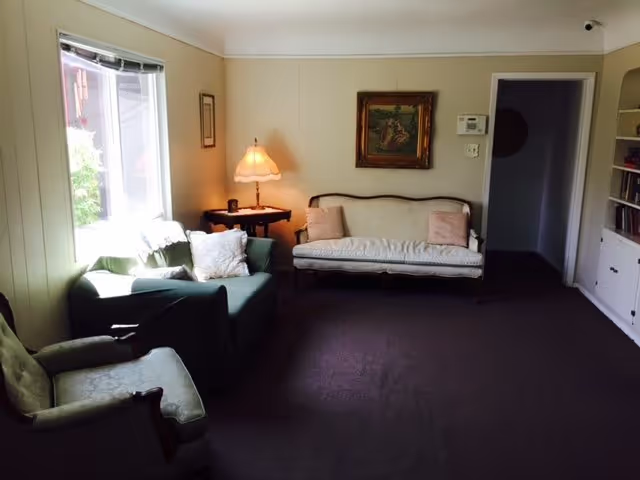
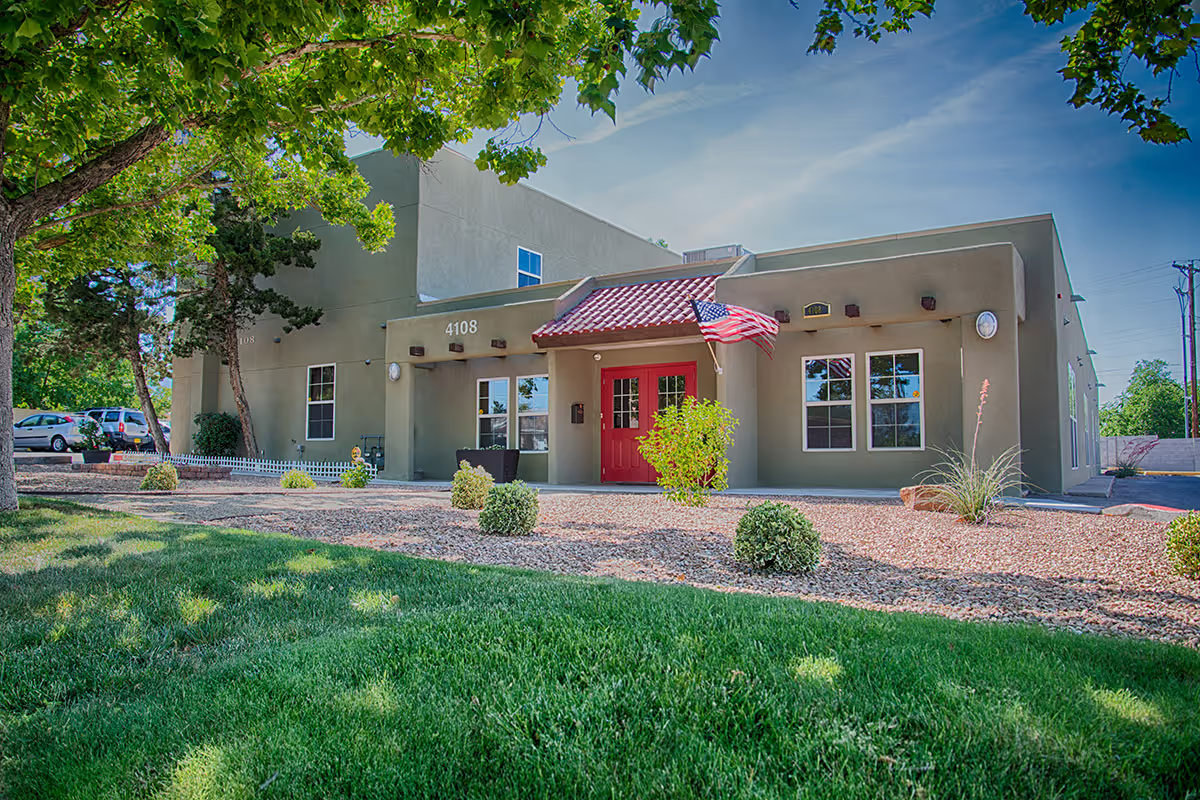
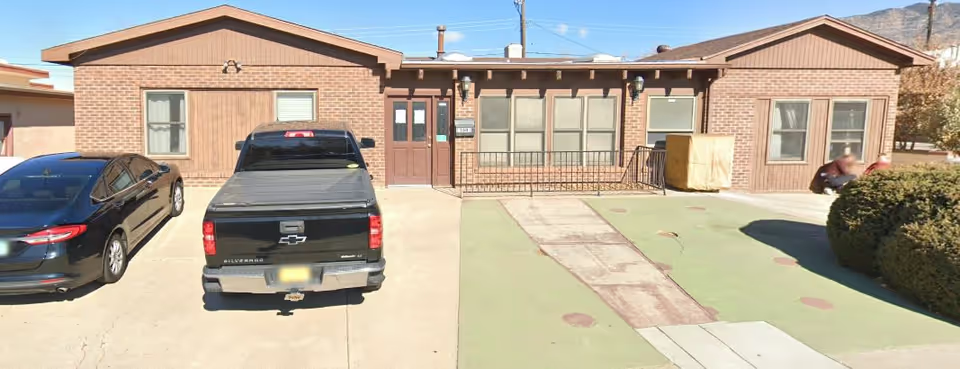
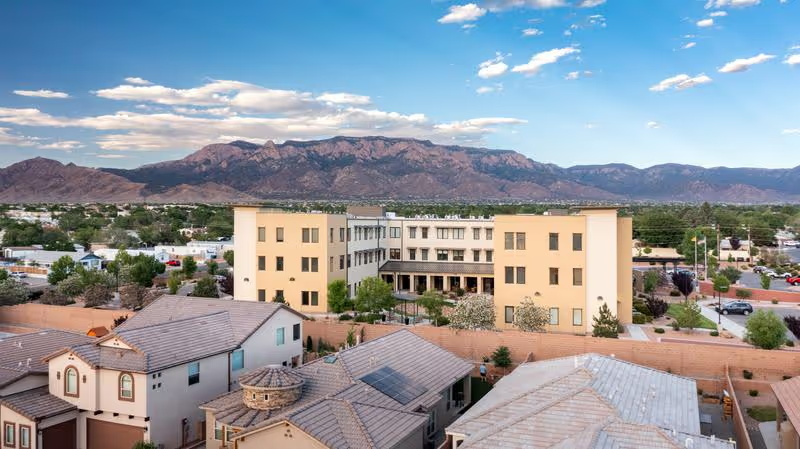
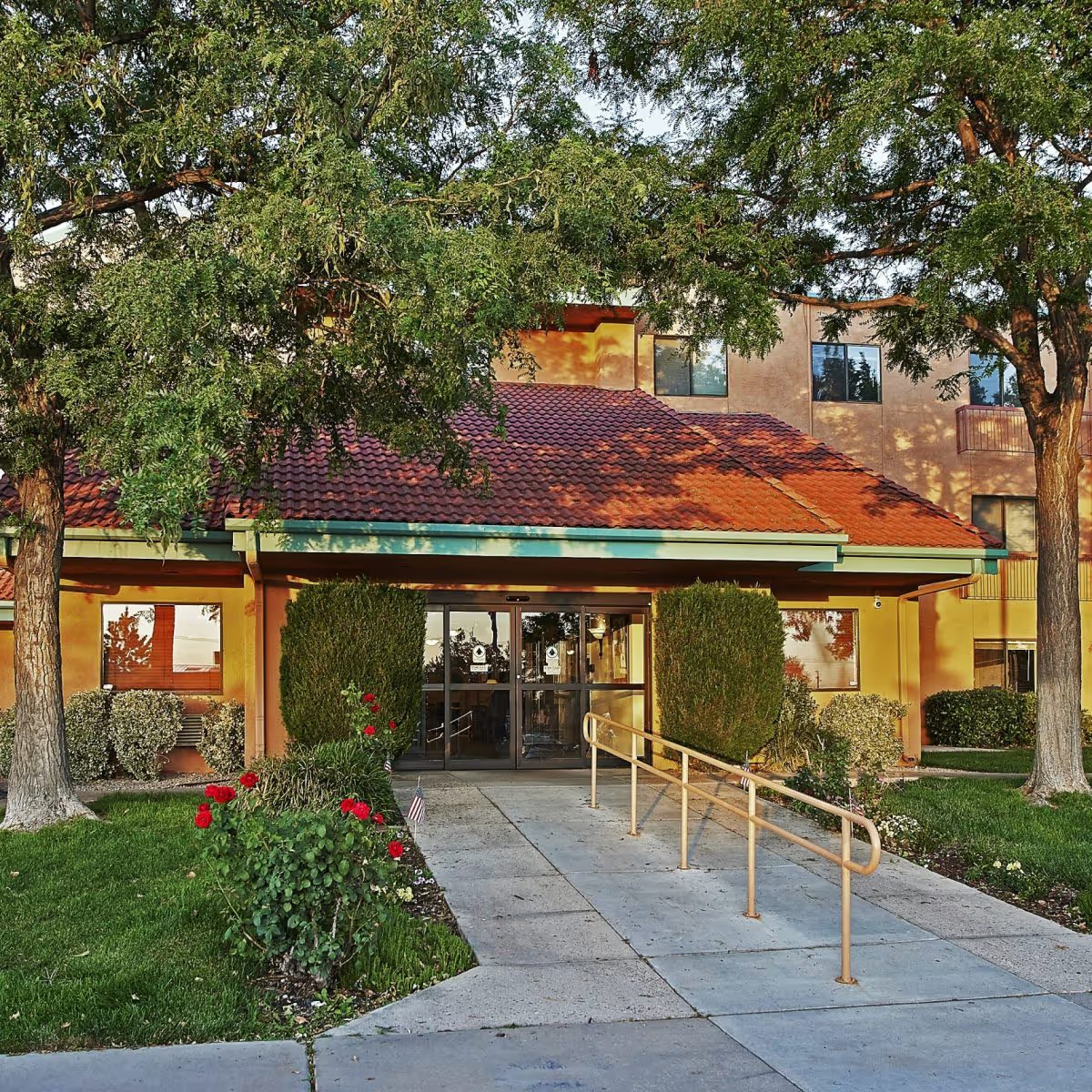
Facilities and safety: Apartments and communal spaces are often described as spacious and recently renovated, with useful amenities such as salons, libraries, and exercise spaces. The campus location near hospitals and the university is a clear advantage. At the same time, reviewers identified facility-level infrastructure issues: unreliable HVAC, deferred maintenance, inconsistent lighting, limited laundry capacity relative to resident numbers, and pest-control lapses. There are also concerns about emergency systems and building access controls; examples include nonfunctional call systems and unsecured exterior access. These items suggest the physical plant requires ongoing investment and verification during a visit.
Management, contracts, and operations: Management impressions vary widely. Some families describe responsive, engaged managers and steady operations; others describe a pattern of poor communication, unresponsiveness from upper management, and instability in leadership. Contractual and billing transparency also emerged as an operational risk—there are instances of billing or deposit disputes. Prospective residents should request clear written answers on refund/ deposit policies, delivery charges, and the terms of service before signing.
Notable patterns and recommendation guidance: The facility appears to deliver strong social programming and delivers genuine value for residents who prioritize community, activities, and location. However, recurring operational themes—HVAC reliability, maintenance backlogs, pest-control oversight, medication-administration controls, staffing stability, and management transparency—are material considerations that can materially affect quality of life. Families touring the community should (1) inspect HVAC and safety systems, (2) sample a meal and ask about kitchen staffing contingencies, (3) review medication and clinical oversight practices, (4) ask for current staffing/leadership tenure data, and (5) obtain explicit contract and refund policies in writing. These steps will help determine whether the community’s strengths align with an individual resident’s care and safety needs.