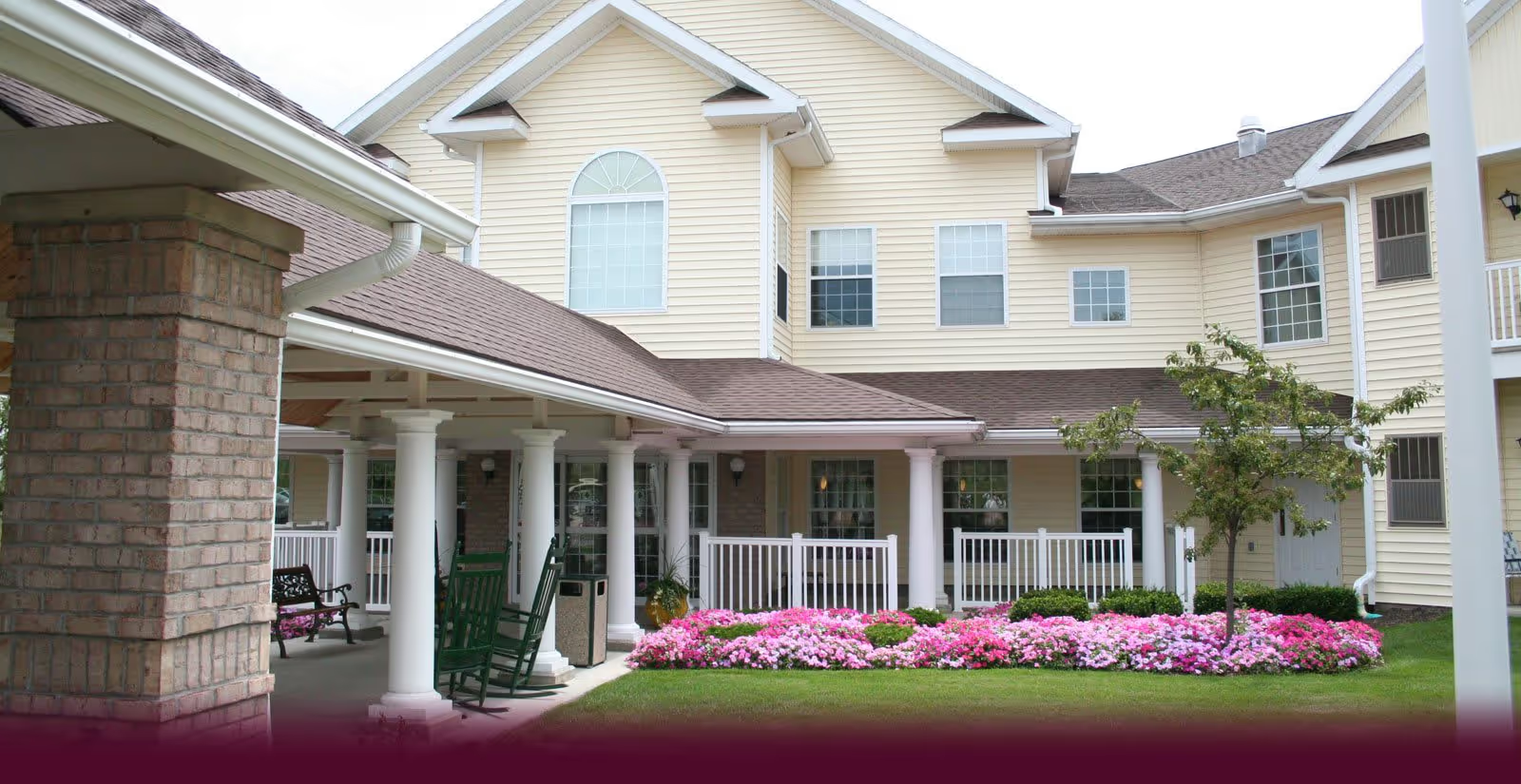
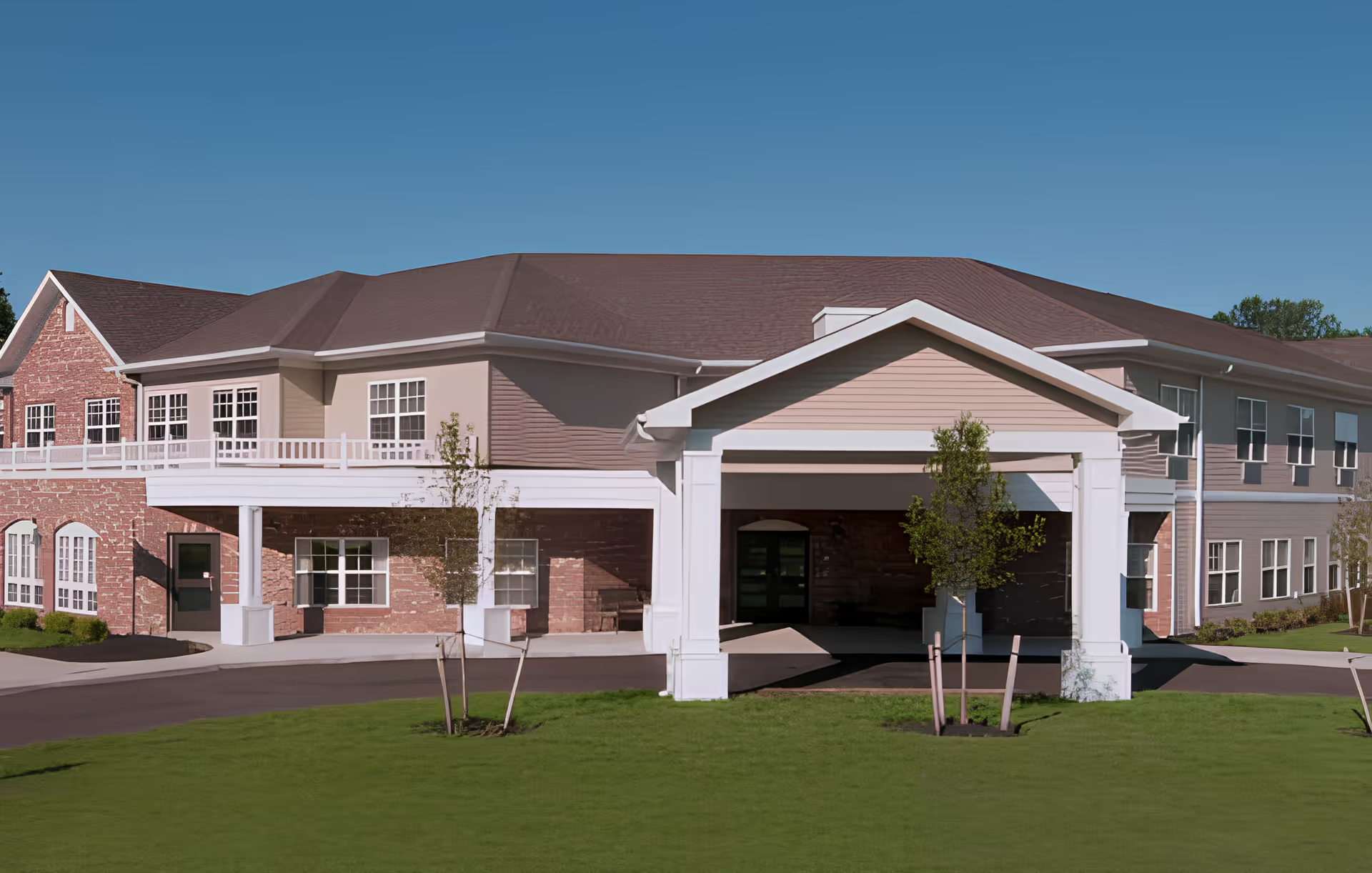
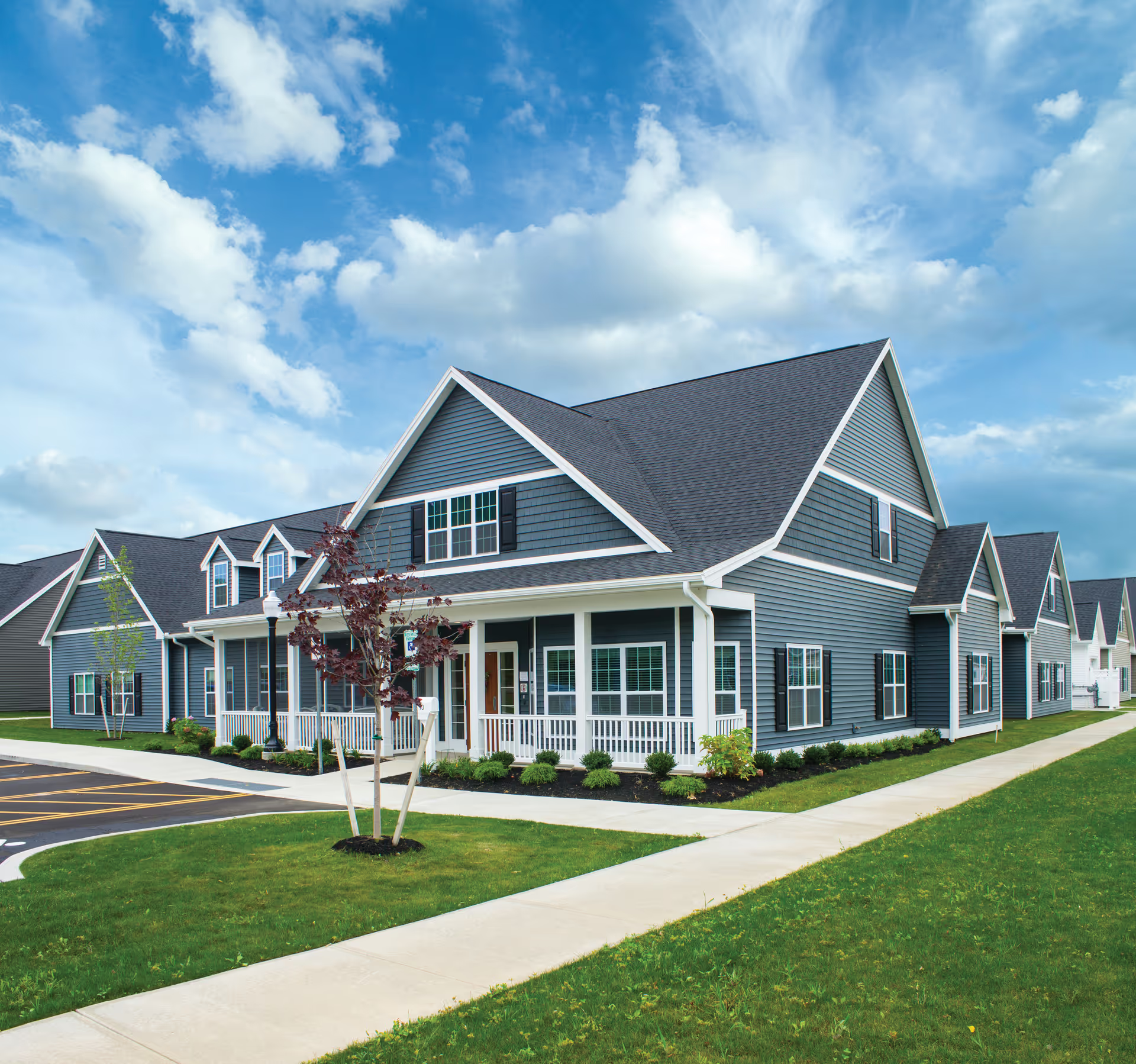
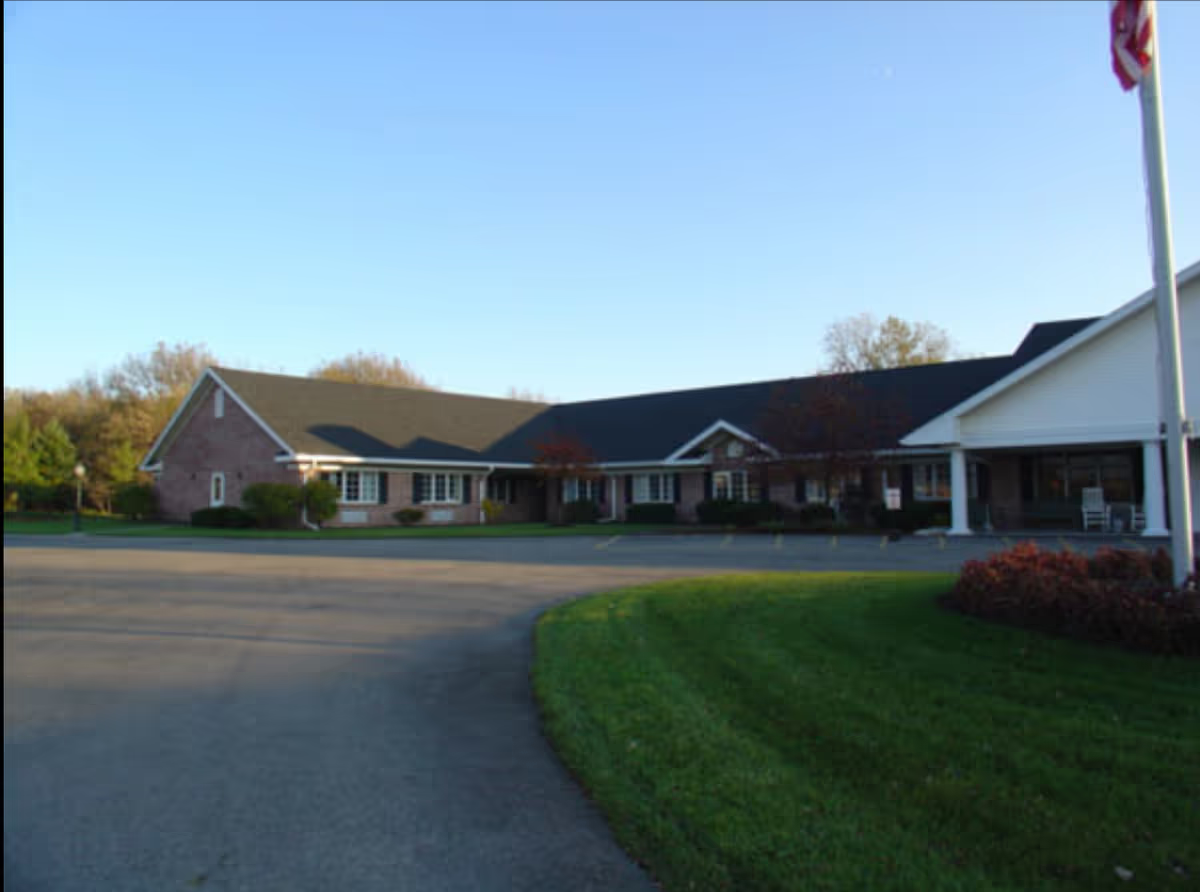
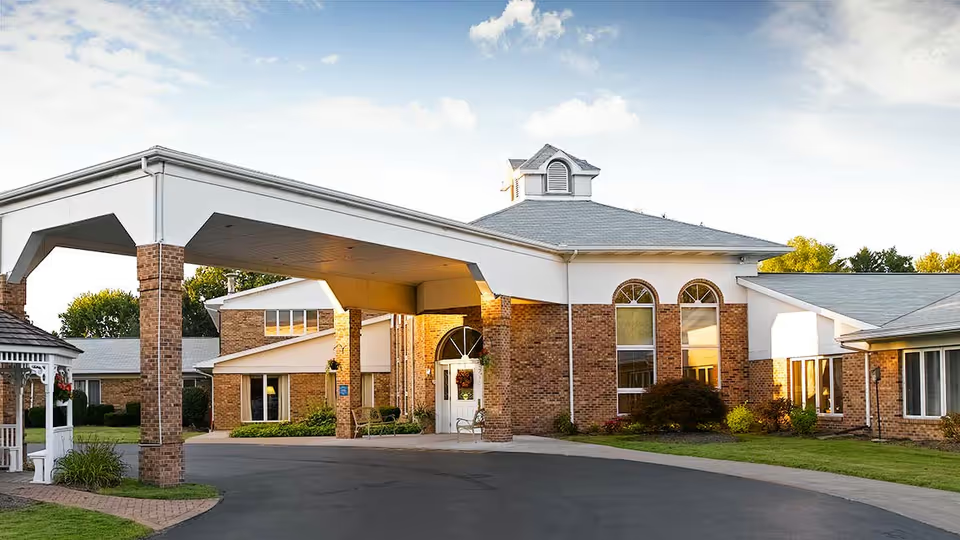
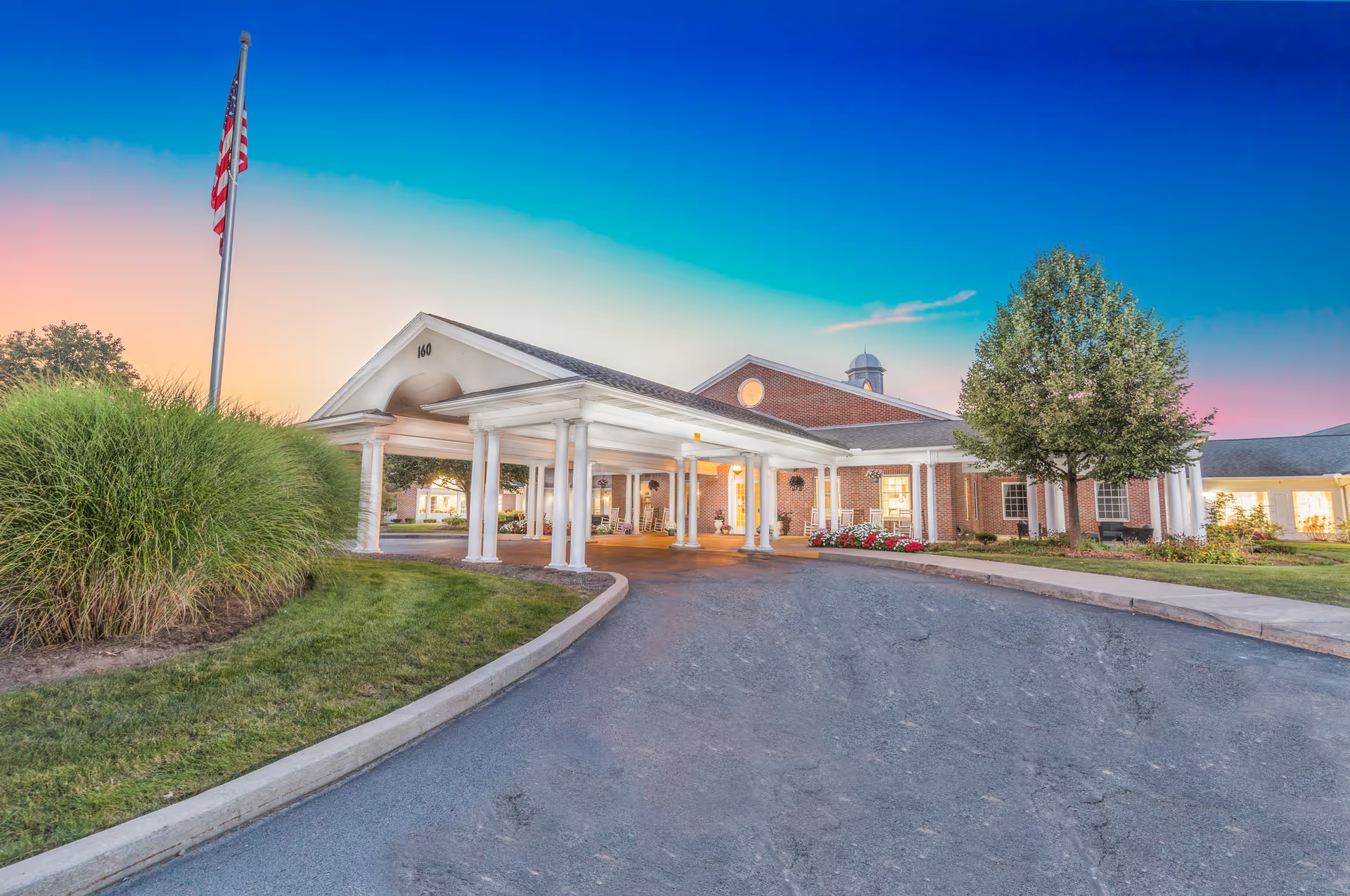
The Gardens at Gananda presents as a small, apartment-style senior community in a rural or semi-rural setting. Units are described as comfortable and clean, typically one-bedroom apartments with full kitchens, living rooms and small balconies. The property includes gardens, activity rooms and open parking. A subsidized rental component makes the community an option for some applicants, while others find the eligibility criteria or pricing limit accessibility.
Care and day-to-day support appear to be driven largely by a small on-site team. Review excerpts emphasize attentive, accommodating and welcoming staff and a friendly resident community. At the same time, staffing levels for the apartment component are limited, and maintenance staffing experiences turnover; these operational constraints can affect response times for nonclinical needs and exterior upkeep.
Dining in the sense of on-site meals is not a primary feature of the apartment model — apartments have full kitchens and residents appear to self-prepare or provide their own arrangements. Activities are available and include on-site programming and biweekly field trips to nearby stores; programming is described as often resident-driven, which supports social engagement but may result in a narrower range of staff-led activities for residents seeking more structured offerings.
Facilities inside are generally described as clean and well-maintained, though exterior and grounds maintenance have been noted as inconsistent. The property's rural location and distance from a hospital or major medical services is a recurring theme; that may be acceptable for residents seeking quieter, country living but could be a limitation for those requiring frequent medical access. Unit availability is another practical constraint — two-bedroom units are scarce or unavailable — and income or subsidy rules make the community suitable only for some applicants.
Overall, The Gardens at Gananda appears to offer a peaceful, community-oriented apartment option with strong interpersonal staff–resident relationships and well-kept interiors. Prospective residents and families should weigh the advantages of private, subsidized apartment living and resident-driven social life against the operational limitations: limited staffing levels, maintenance turnover, constrained unit availability, and the site's relative remoteness from medical services. Visiting the property to assess unit size, staffing responsiveness, and the local transportation/medical access would help determine fit for individual needs.