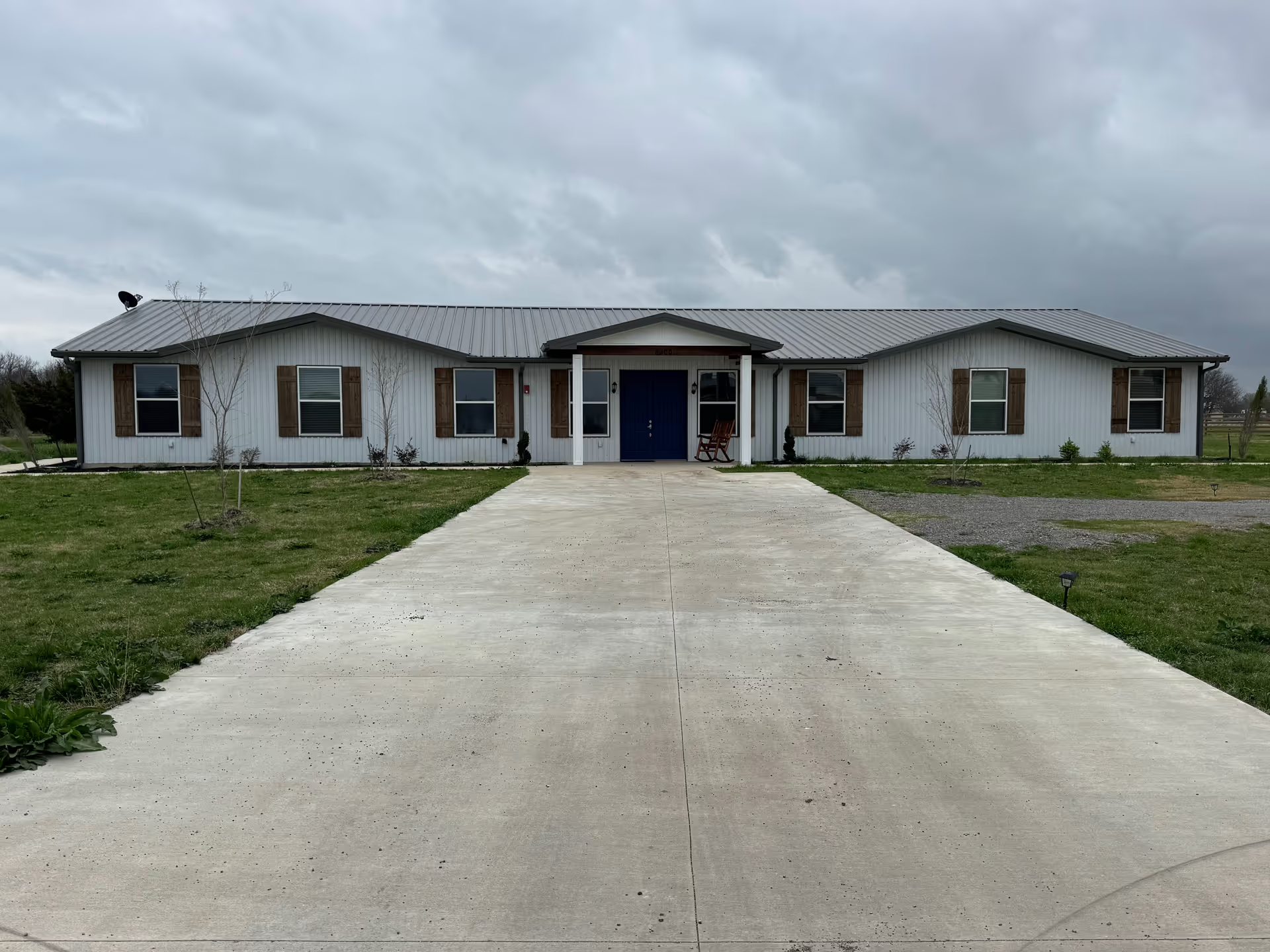
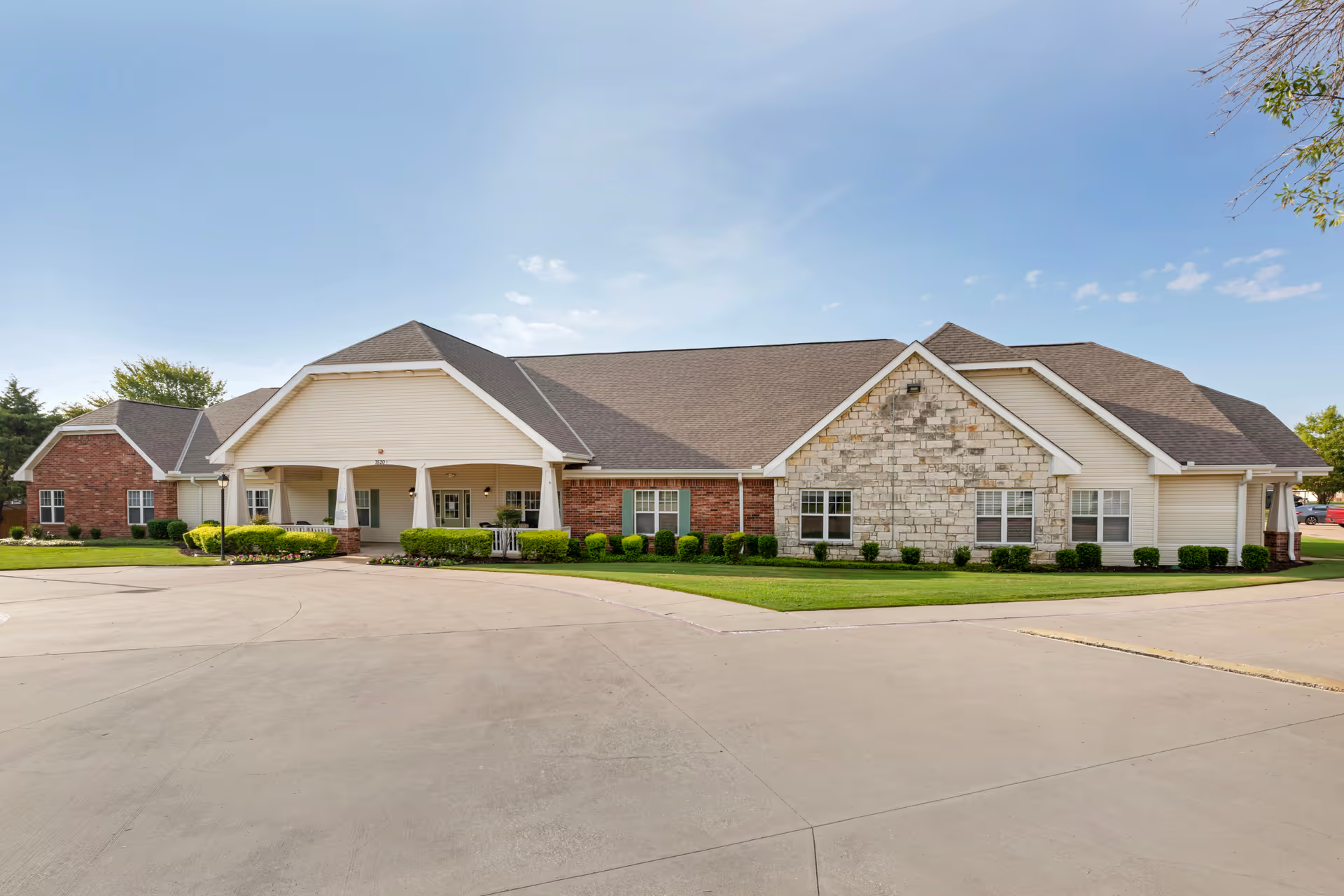
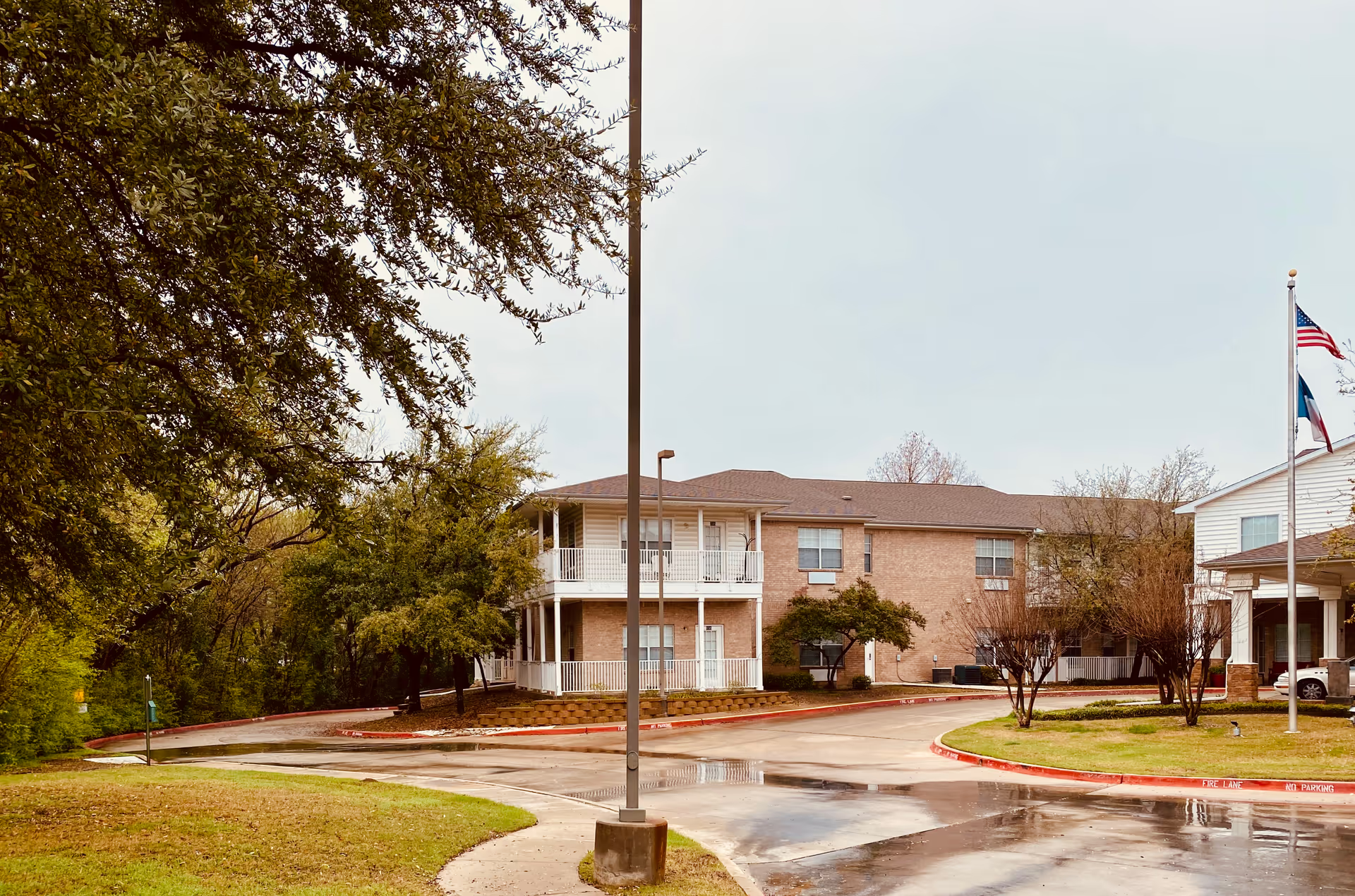
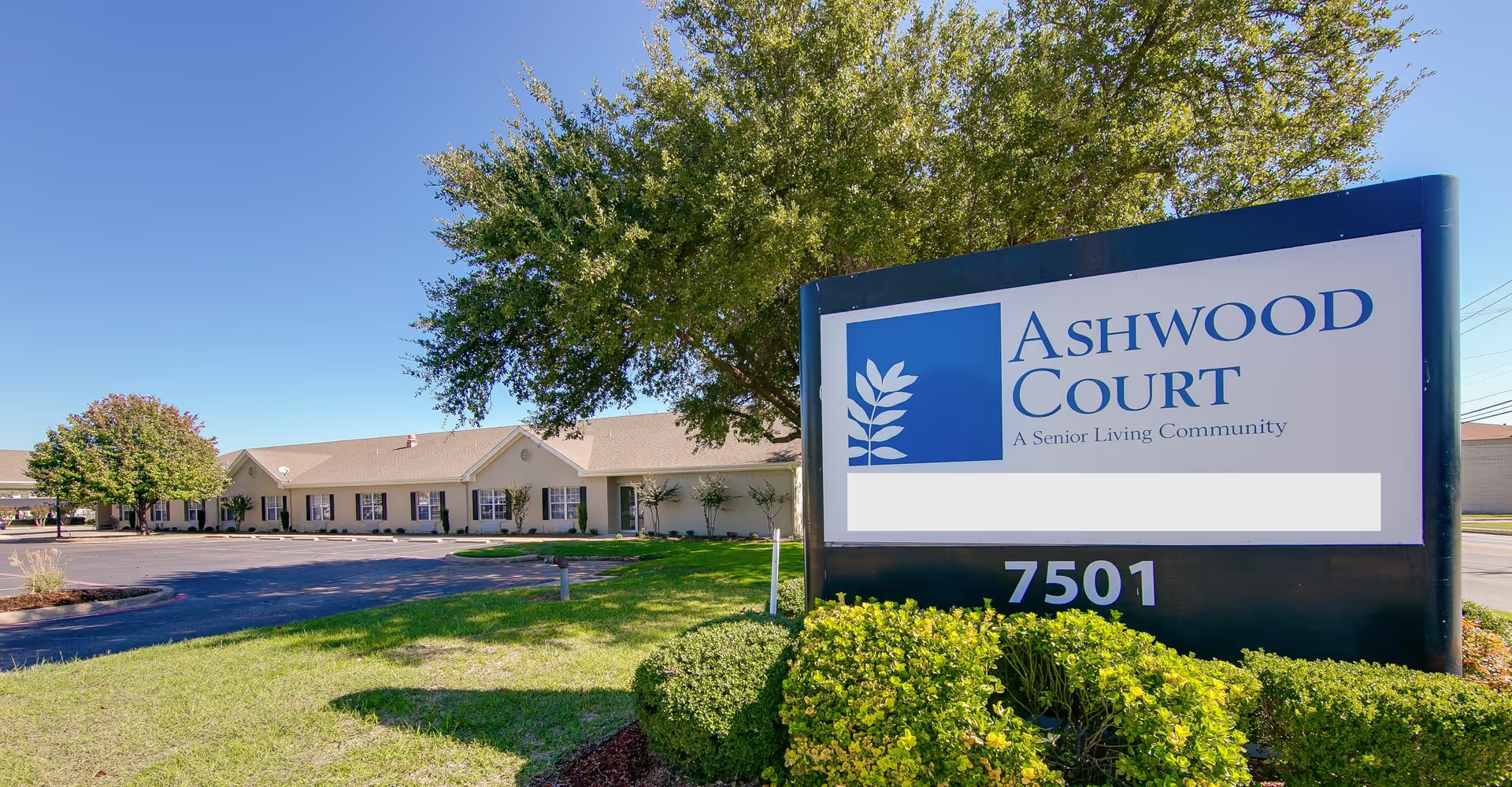
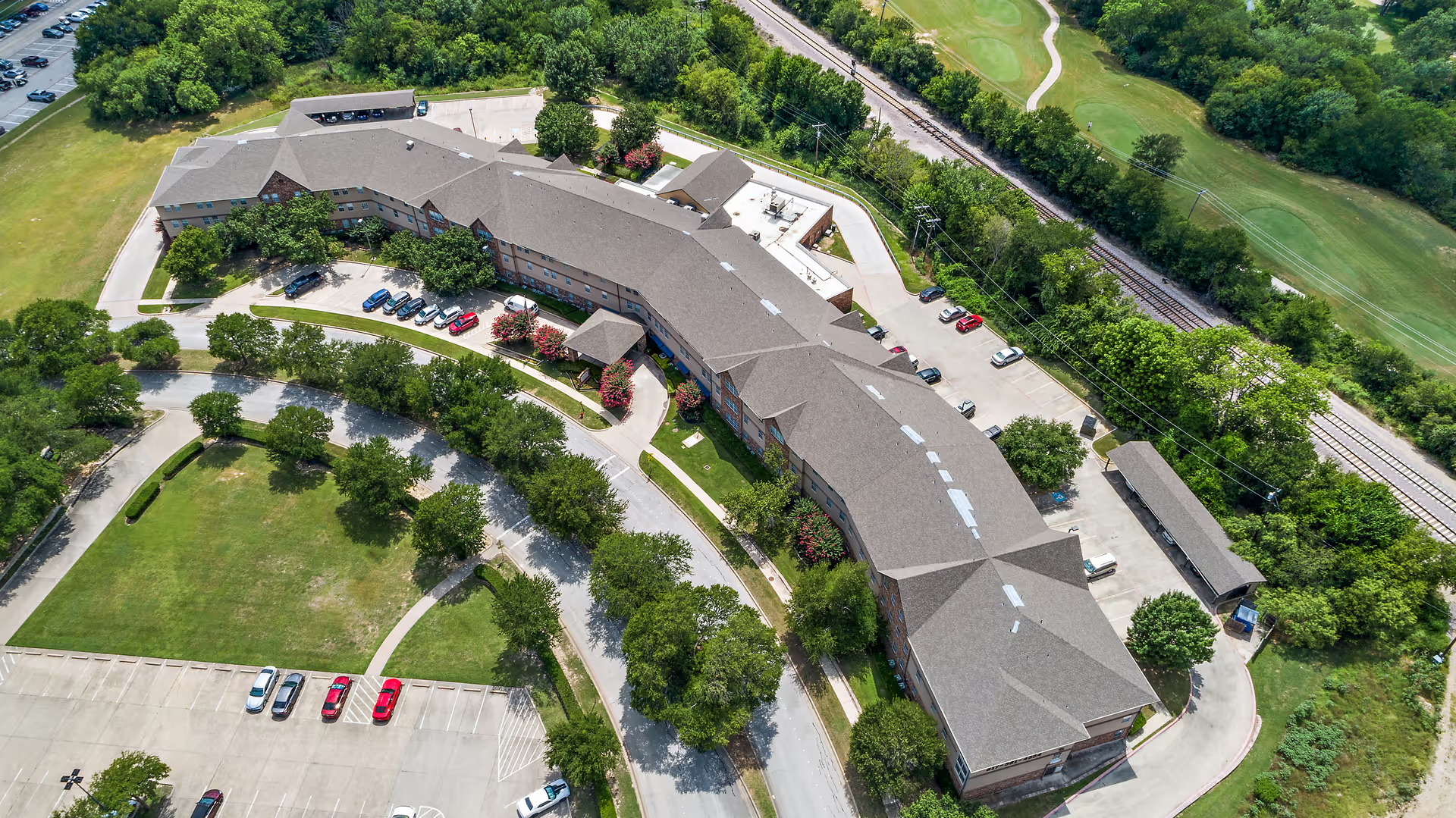
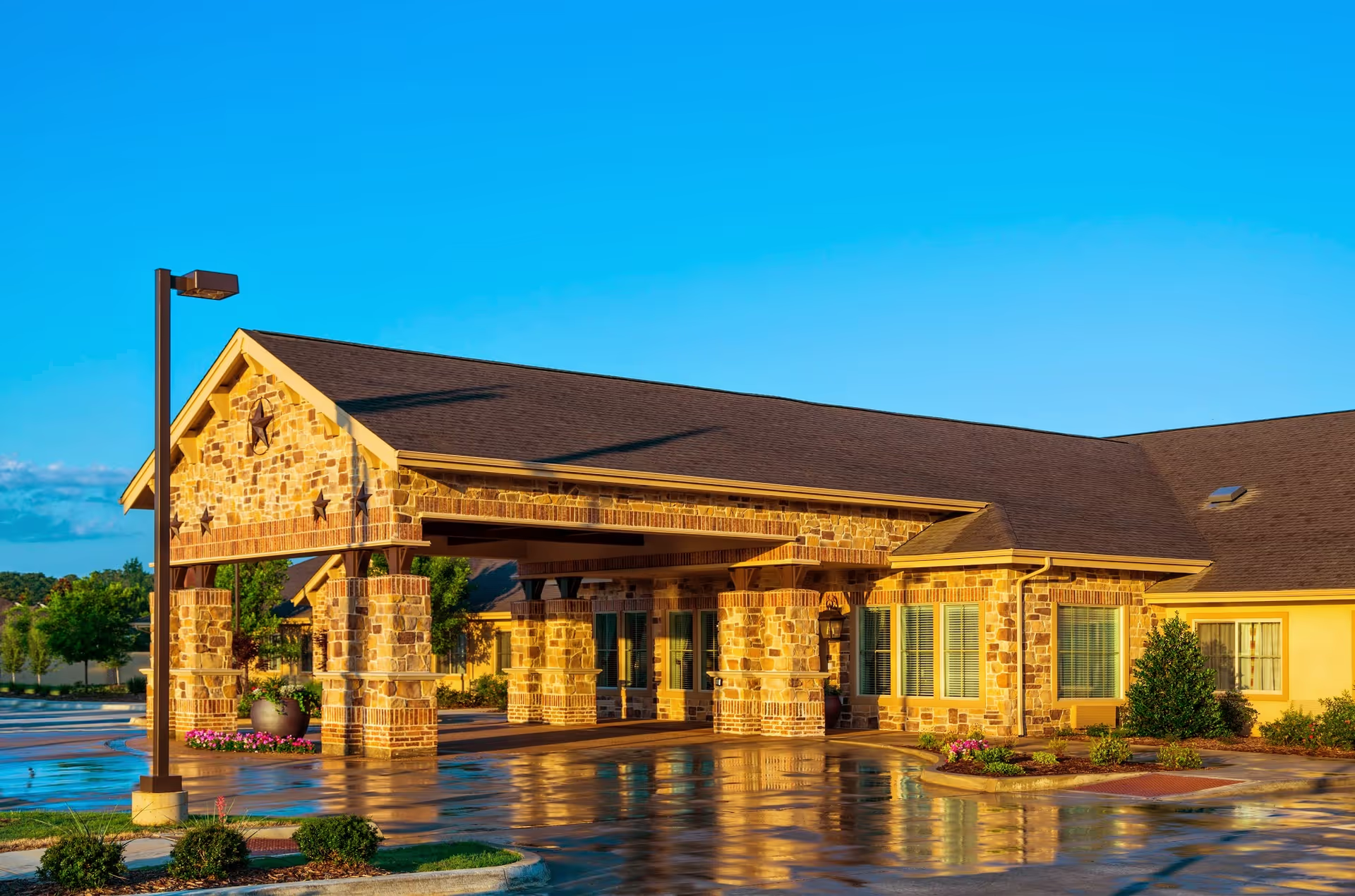
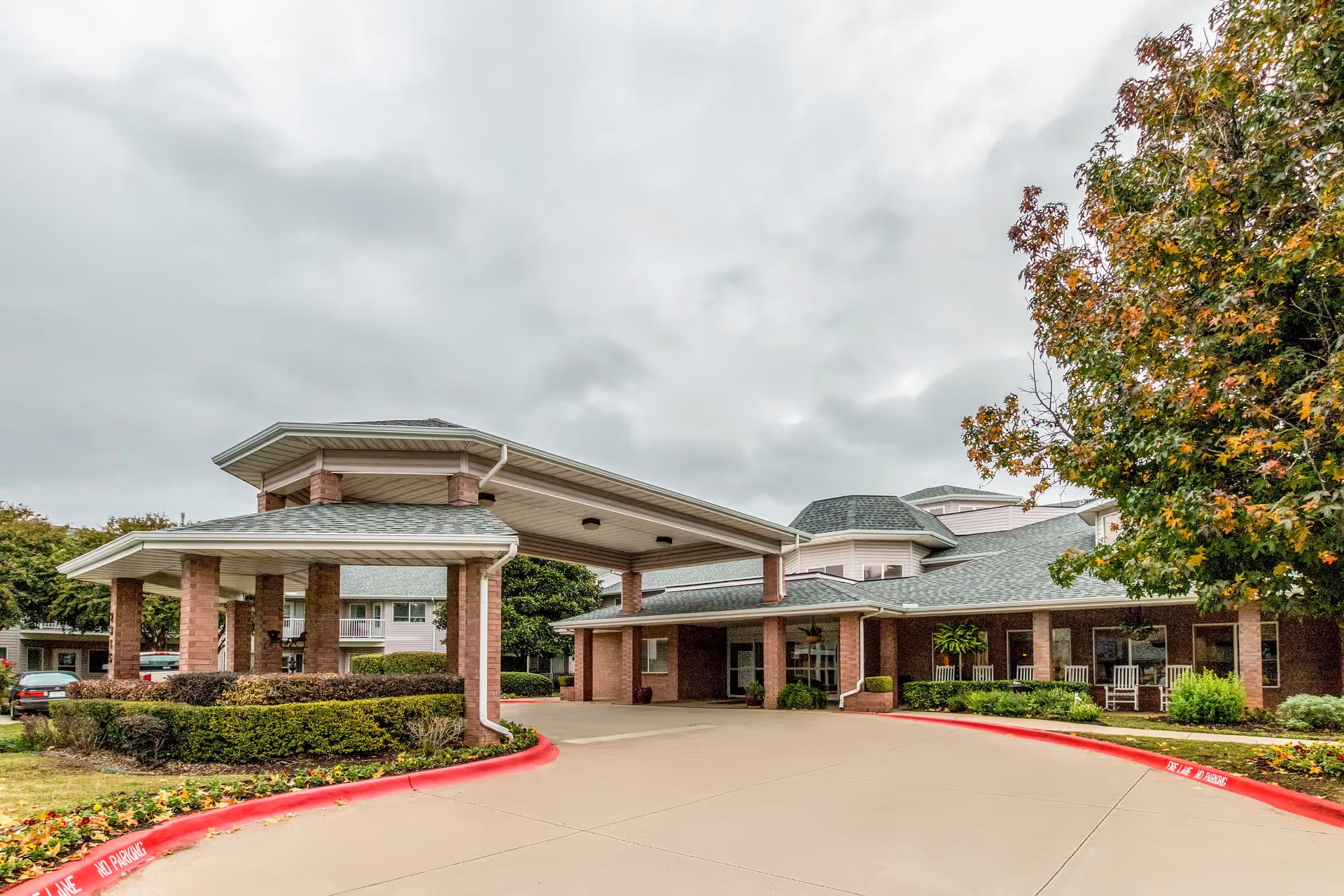
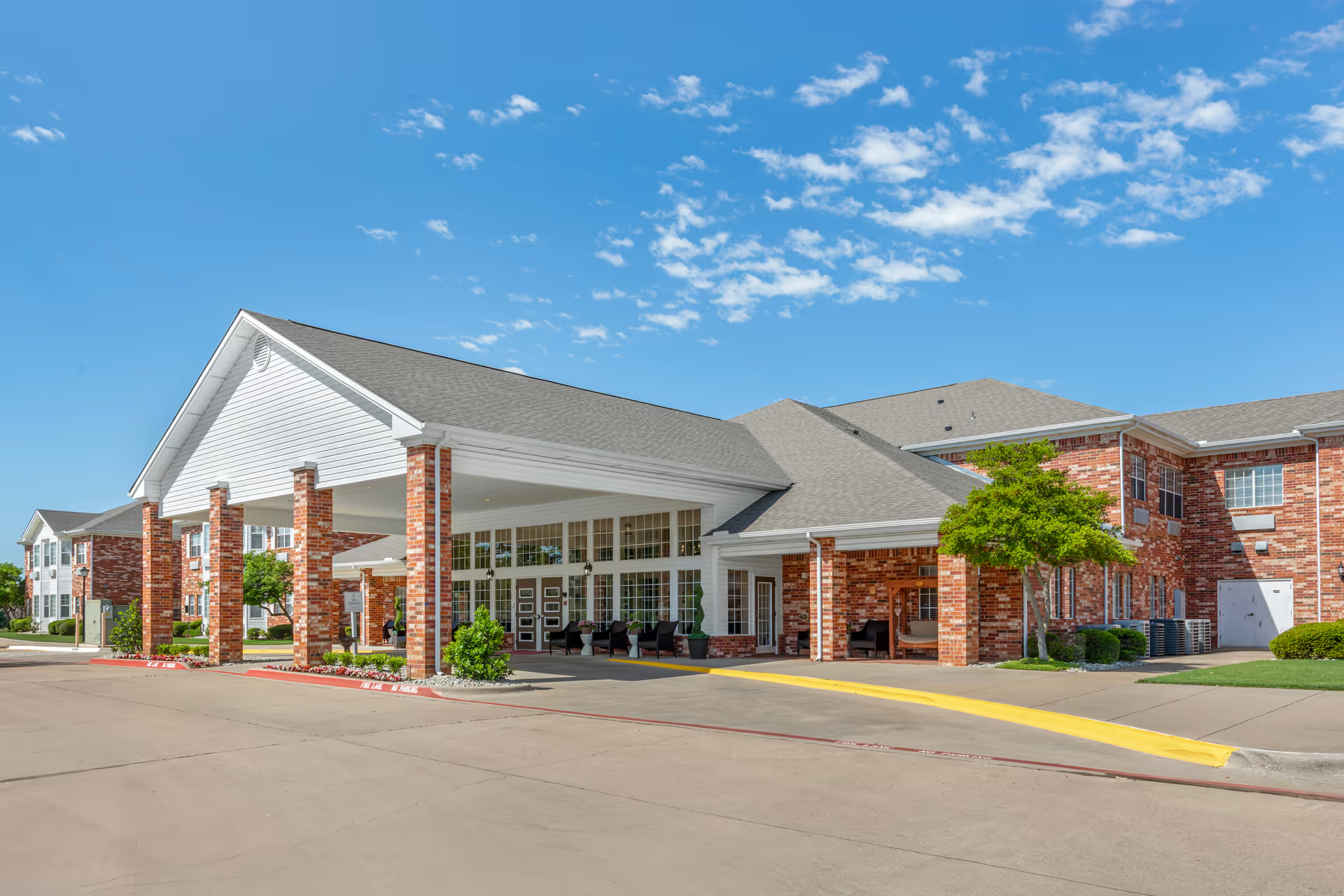
Christian Care Communities and Services–Fort Worth (Lakewood Village) presents a mixed but generally positive profile. The campus is consistently described as attractive and well kept, with several acres of grounds, a lake, walking trails and outdoor event space that contribute to a peaceful, park-like environment. Many families and residents praise the physical accommodations for independent living—spacious apartments with full kitchens—and note active maintenance programs and ongoing modernization efforts to update older building components.
Staff performance is a central strength: reviewers repeatedly describe attentive, warm, and resident-focused caregivers who know residents by name, respond promptly in medical situations, and create a welcoming, home-like atmosphere. Maintenance and housekeeping are frequently cited as responsive and thorough. The community offers a broad continuum of services on campus and is positioned as a cost-competitive option, which several families described as good value.
At the same time, several operational patterns deserve attention. Dining and meal service receive mixed evaluations: while some residents report appealing meals and good selections, others describe limited meal hours (notably two main meals) and extra fees for breakfast, inconsistent presentation during kitchen renovations, and variability in food quality. Activity programming is robust in scope—bus trips, musical groups, movies, and daily activities are commonly offered—but some residents experienced access limitations (for example, distribution of programming via a single TV channel), limited weekend offerings, and occasional physical-distancing or accessibility concerns for residents with vision or hearing impairments.
Management and administrative consistency appear uneven. Reviewers noted both strong family communication and situations of slow or inconsistent responsiveness from leadership and the front desk. Staffing variability and turnover were mentioned as operational issues, and a few families raised concerns about the facility’s ability to meet higher-acuity medical needs within its skilled or health center, indicating uneven clinical capability across care levels. Physical-access issues also surfaced: parts of the campus and some outdoor features have limited handicapped access or temporary hazards during renovation.
In summary, the community offers a welcoming, well-maintained campus with strong interpersonal caregiving, an active social program, and value-oriented independent-living accommodations. Prospective residents and families should weigh those strengths against operational considerations: confirm current dining arrangements and any extra fees, inquire about weekend activities and activity-access methods, evaluate physical accessibility for specific mobility or sensory needs, and discuss clinical services and staffing stability relevant to the prospective resident’s acuity level. A focused tour and direct conversations with management about ongoing renovations, meal schedules, and clinical scope will help determine fit.