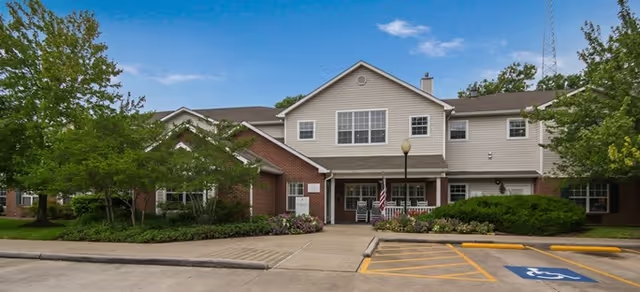
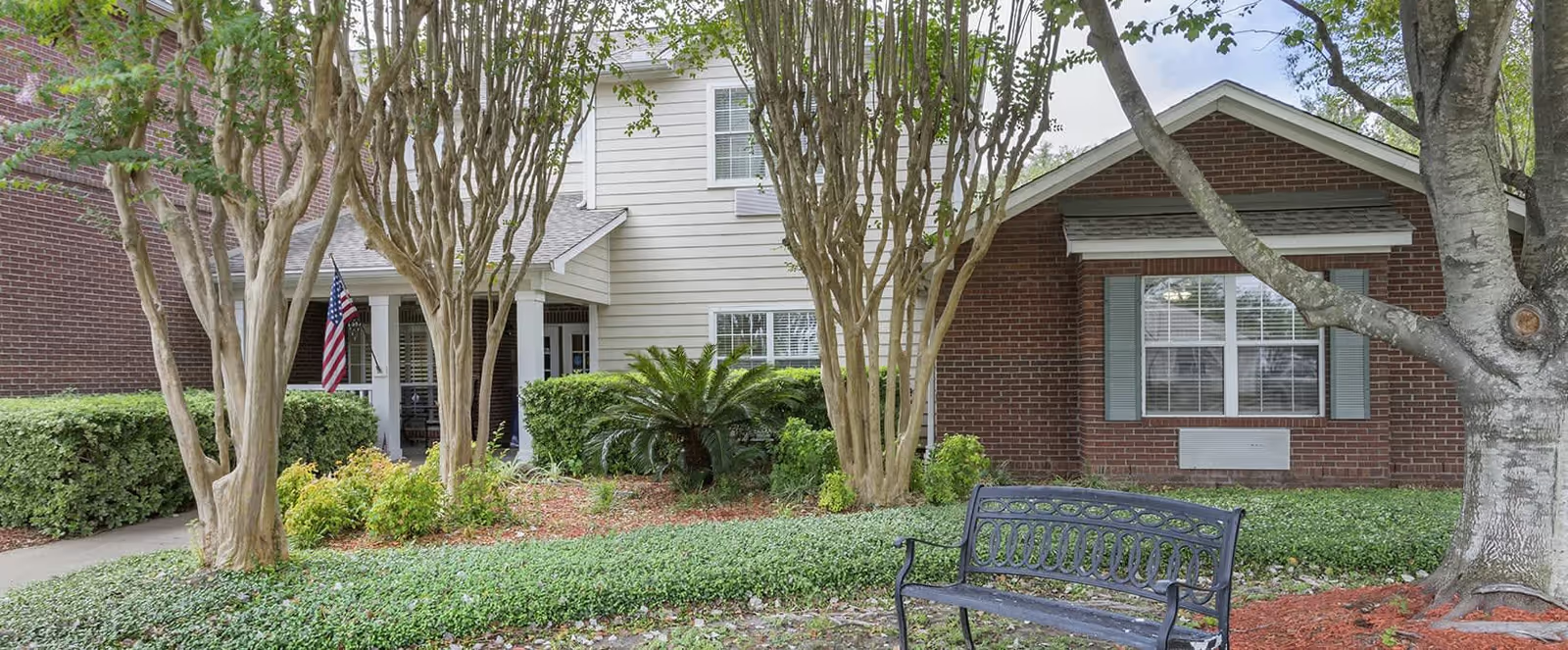
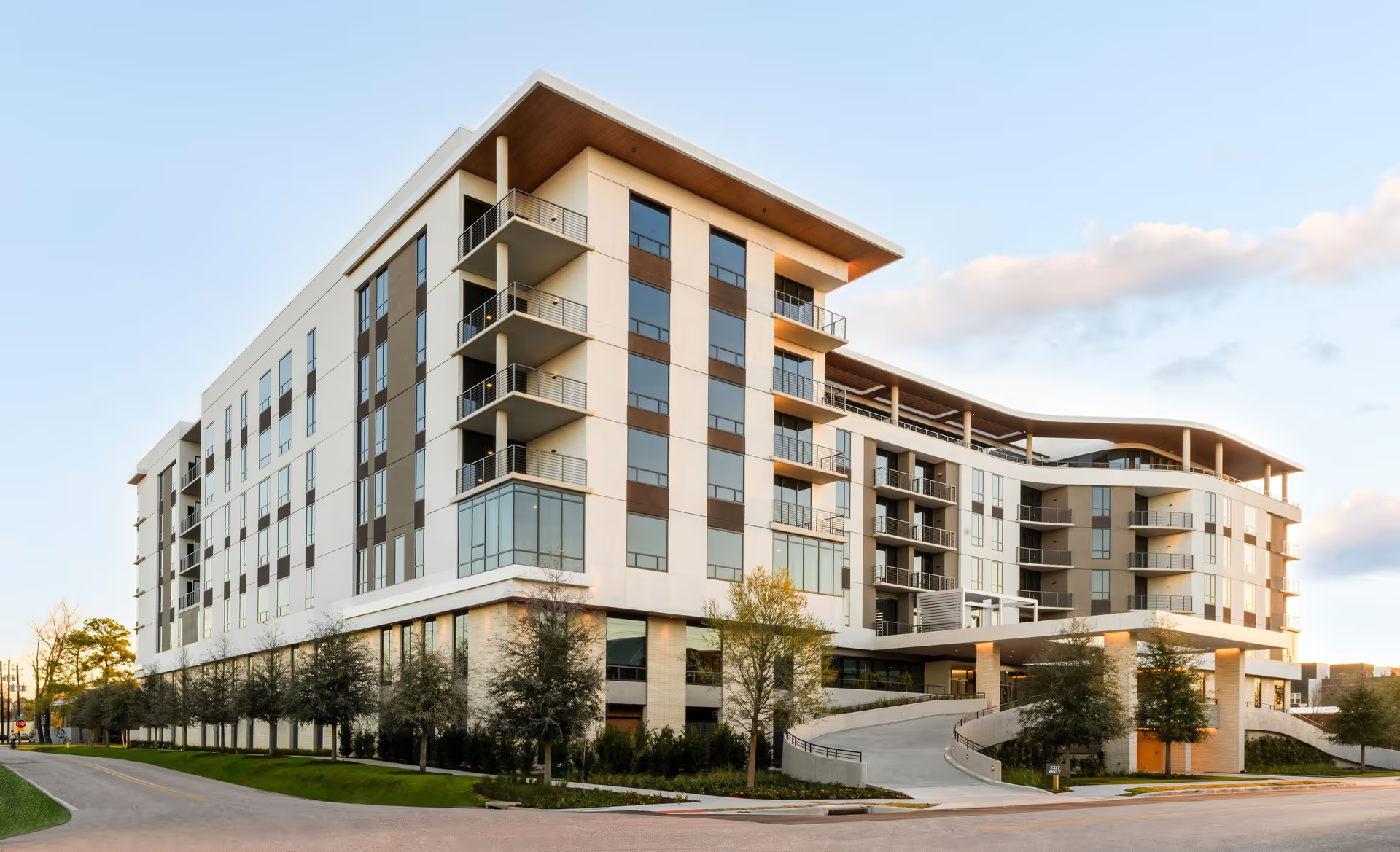
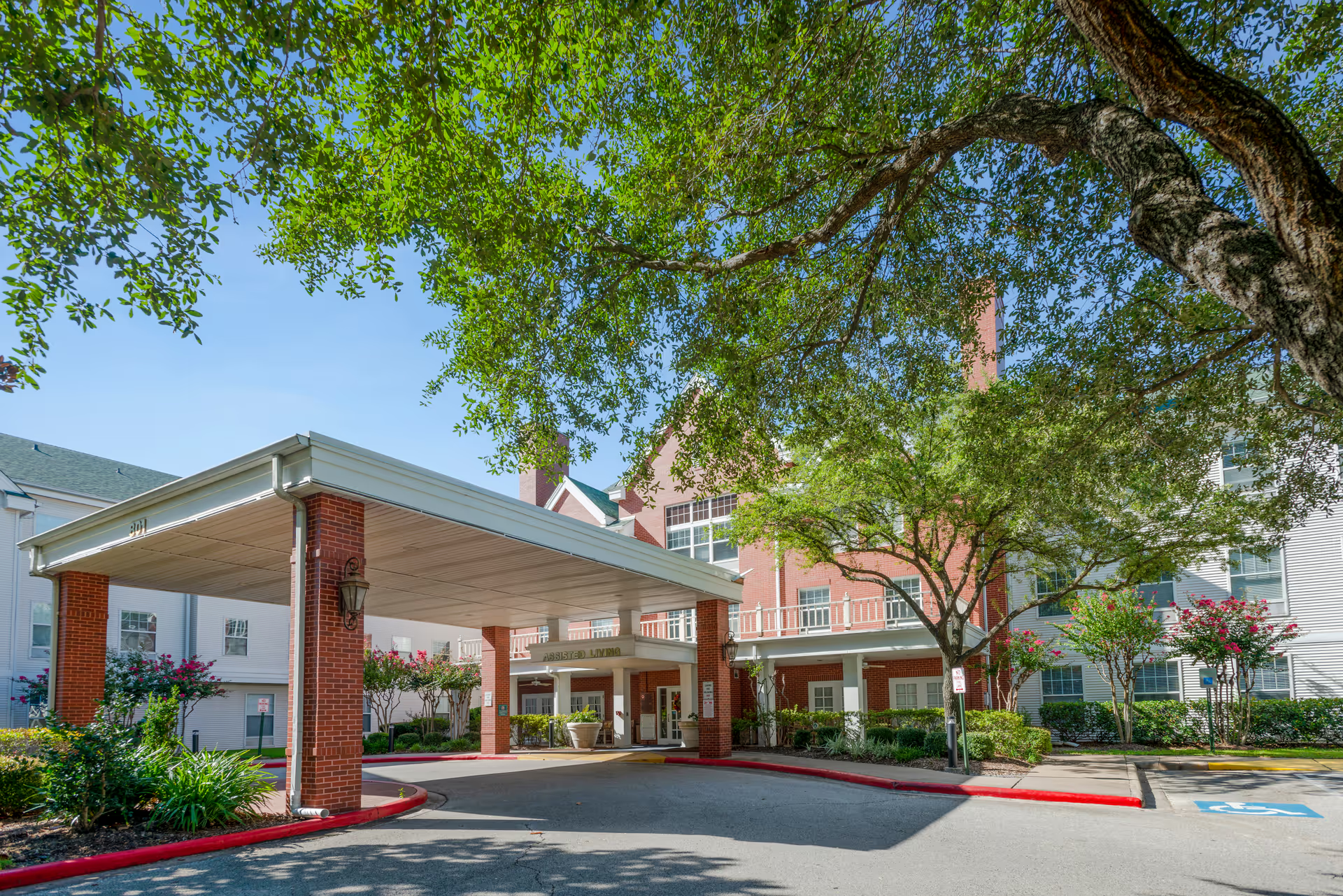
The Pinemont Apartments elicits a mixed picture. Reviewers consistently describe a capable, welcoming front office and an active community-program calendar, but they also describe persistent governance and management concerns that affect residents' sense of safety and voice. From a practical standpoint, the property provides organized communications about events, pest control, inspections, and trash pickup, and there is an identifiable social life centered on community-room activities and special meals.
Care and staff: Day-to-day, front-line office staff are described as courteous and helpful, providing clear explanations during application and move-in and maintaining event and maintenance notices. At the same time, other accounts point to variability in staff conduct and communication tone, with instances that have undermined residents' confidence in leadership. There is limited information about clinical care or formal nursing services in these summaries; the primary operational concern relates to interpersonal communication, management accessibility, and how resident concerns are handled.
Dining and activities: The community maintains a visible activities program: bingo, picnic days, themed meals, and an event calendar supported by flyers. These offerings are a clear strength for social engagement. There is not enough information in the summaries to assess regular daily meal-service quality; the positive mentions focus on special-day meals and activity-centered dining rather than ongoing food-service standards.
Facilities and maintenance: Operationally, the property appears to follow routine maintenance protocols — scheduled pest-control visits, annual building inspections, and regular trash service are noted. However, some reviews raise issues about the manner and timing of inspections, characterizing them as intrusive and as a source of privacy concerns when performed without clear notice.
Management and governance: The most substantial patterns relate to management and oversight. Reviews describe a management culture that several residents perceive as discouraging of complaints, with reports of family members in office roles and limited accessibility to senior managers. Financial practices around fines and fee documentation are described as opaque in some instances. Additionally, there are assertions about discriminatory behavior and concerns about responsiveness from oversight channels; these points suggest weaknesses in complaint escalation, record transparency, and external oversight processes.
For prospective residents and families: The Pinemont Apartments offers active programming and a helpful front office, which can support social engagement and initial move-in processes. At the same time, prospective residents should clarify management policies in writing (inspection and visitation procedures, fine and fee documentation, grievance escalation pathways), verify the property’s regulatory status, and ask for references from current residents when evaluating fit. A focused walkthrough and direct questions about how complaints are handled and documented will help determine whether the facility’s operational practices align with an individual’s expectations for governance, privacy, and equitable treatment.