Colonial Village is consistently described as an active independent-living community with strong social connections, an engaged activities program, and a dining operation that many residents praise. Reviewers routinely highlight courteous, personalized service from front‑line staff and leadership, an attentive chef who solicits preferences, and a calendar of daily offerings (bingo, arts and crafts, theater, movies, parties, worship services, and shopping or medical shuttle trips). The community atmosphere is often characterized as family‑like, with many residents making new friends and staff participating in social touches such as birthday recognition and decorated doors.
Care and staffing: The community positions itself as independent living rather than assisted or nursing care. Families report smooth transitions for residents who only require meal preparation, housekeeping, and light support. However, several reviewers described operational staffing strains. Those staffing constraints have manifested as inconsistent meal-service continuity (including meals served cold at times), variable housekeeping frequency and supply replenishment, and perceptions of staff being overextended. For prospective residents who may require increasing clinical oversight or around‑the‑clock care, the facility’s limited clinical offerings mean transfers to higher‑level care may be necessary.
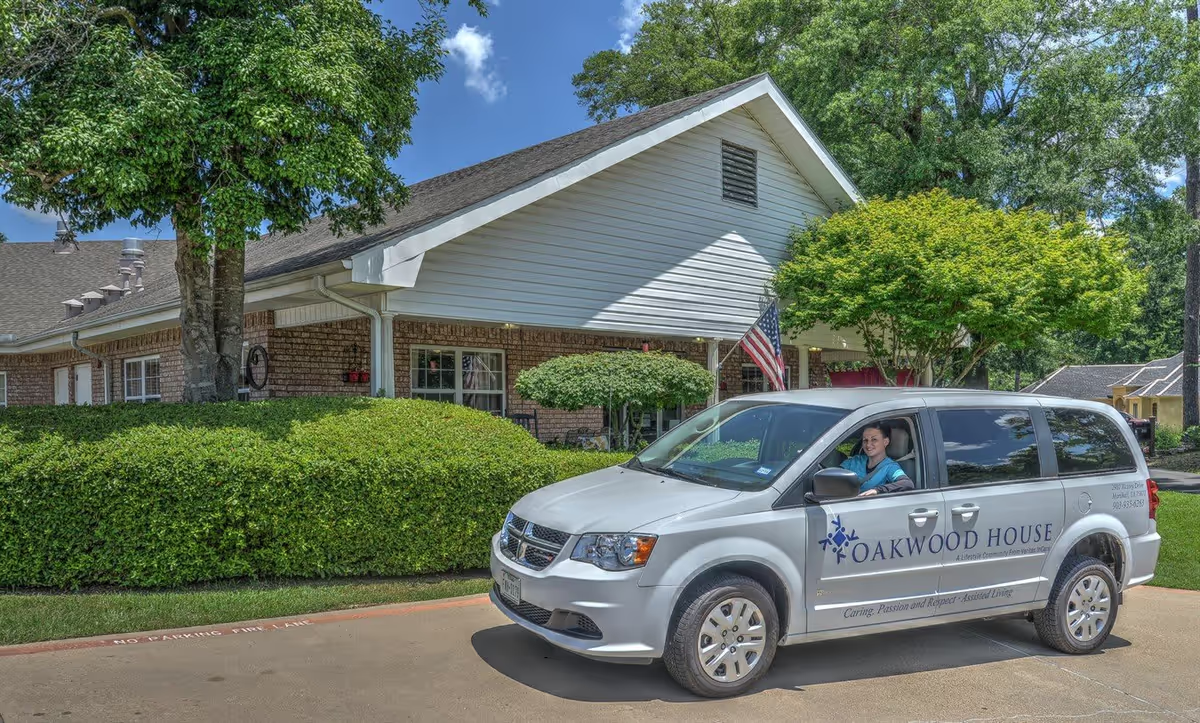
Dining and activities: Food service is a prominent strength: reviewers frequently mention well‑prepared meals, generous portions, and an engaged kitchen staff that offers options and personal attention. The activities program is broad and active, supporting social engagement through on‑site classes, games, special events, and regular off‑campus outings. Transportation for appointments and errands is a reliably cited amenity, and the on‑site amenities (beauty shop, library, laundry rooms on each floor) support daily living and convenience.
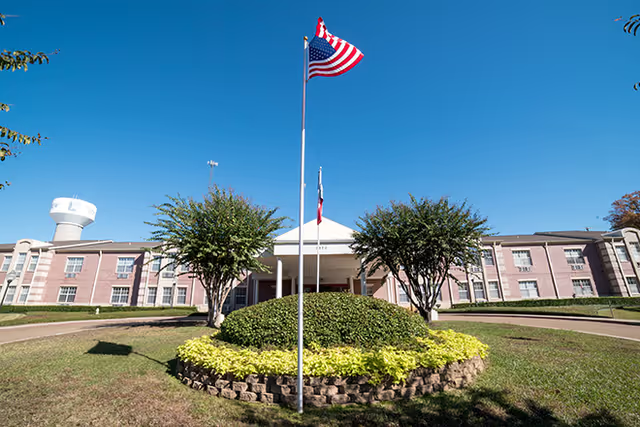
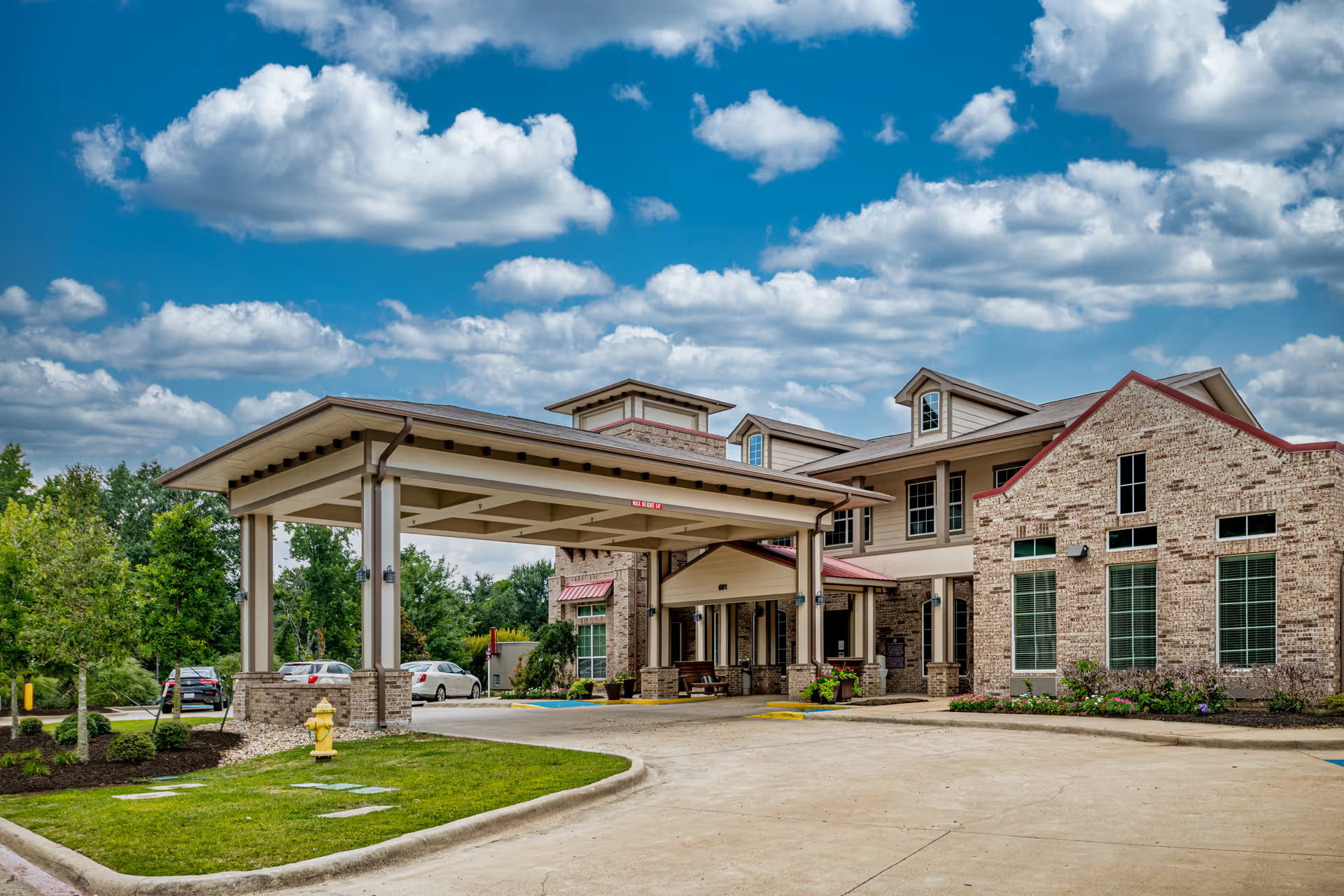
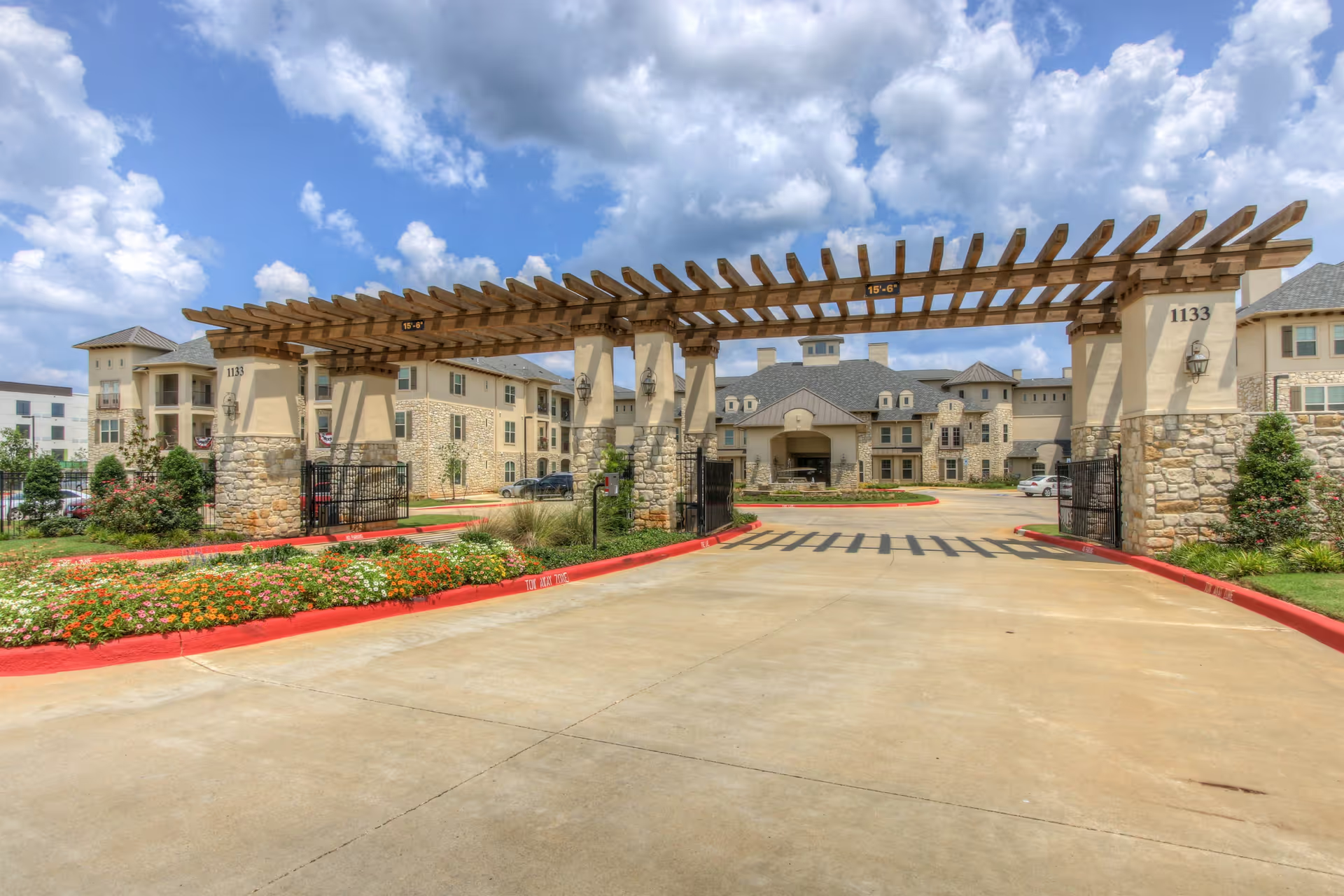
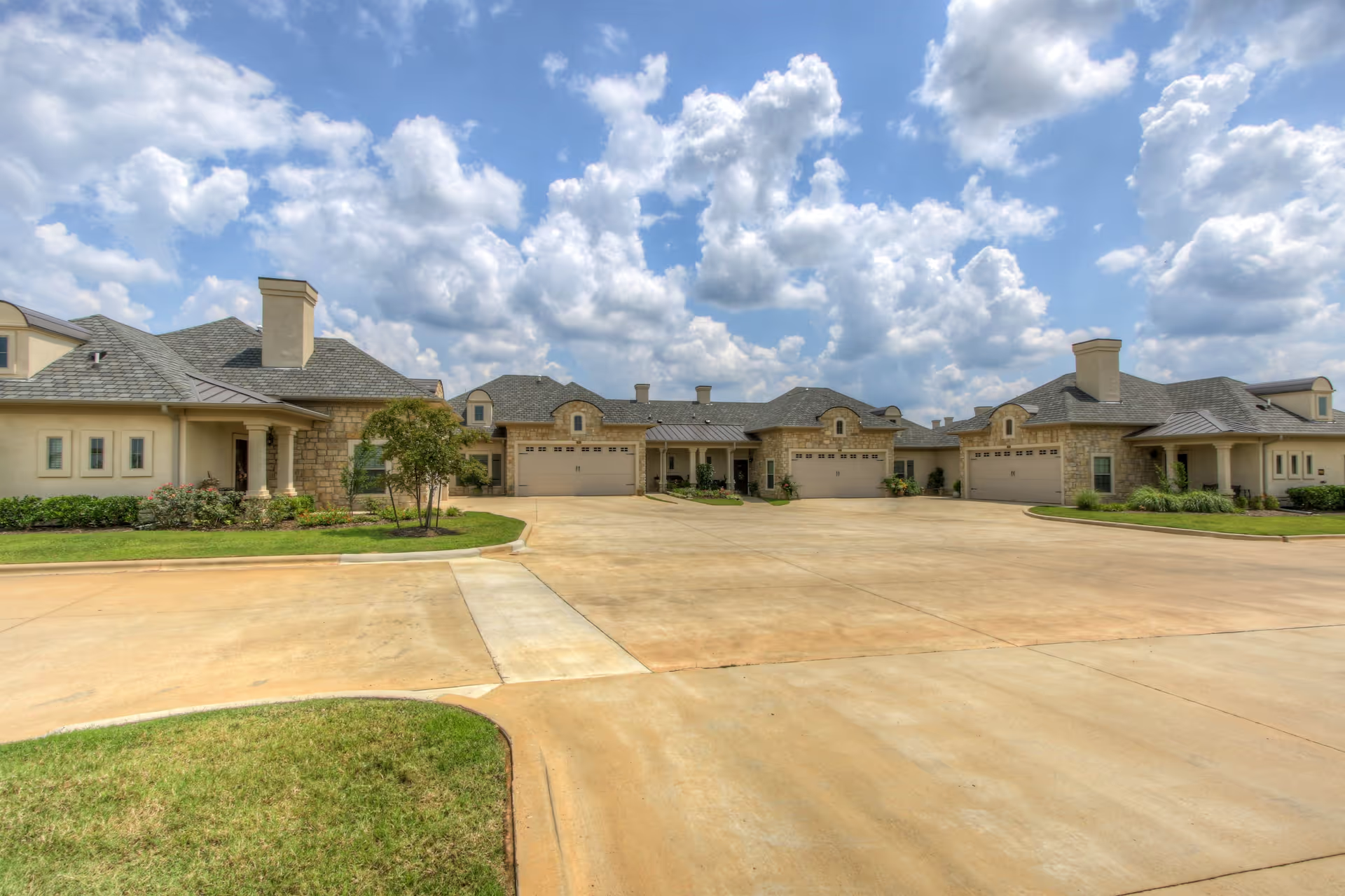
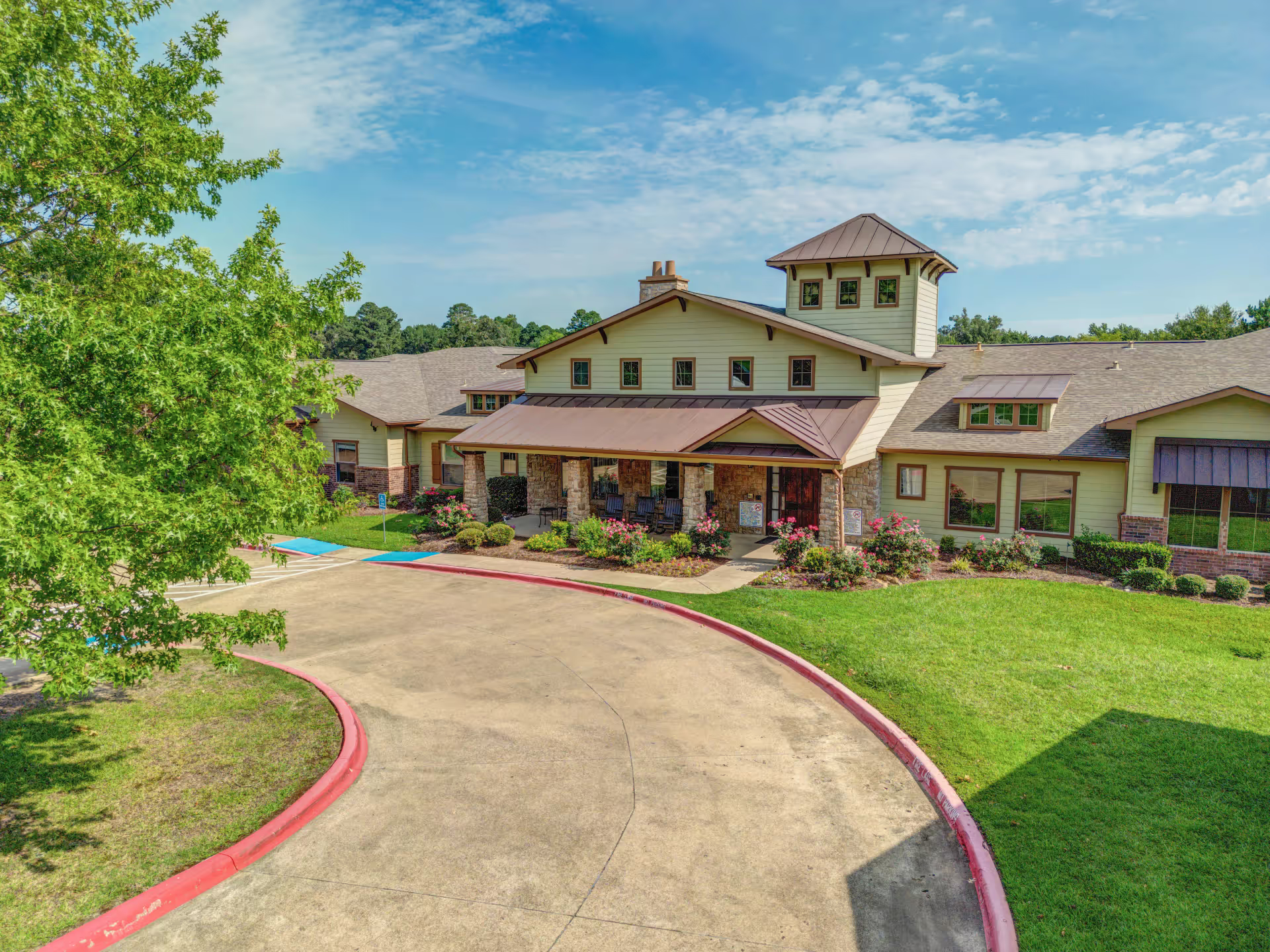
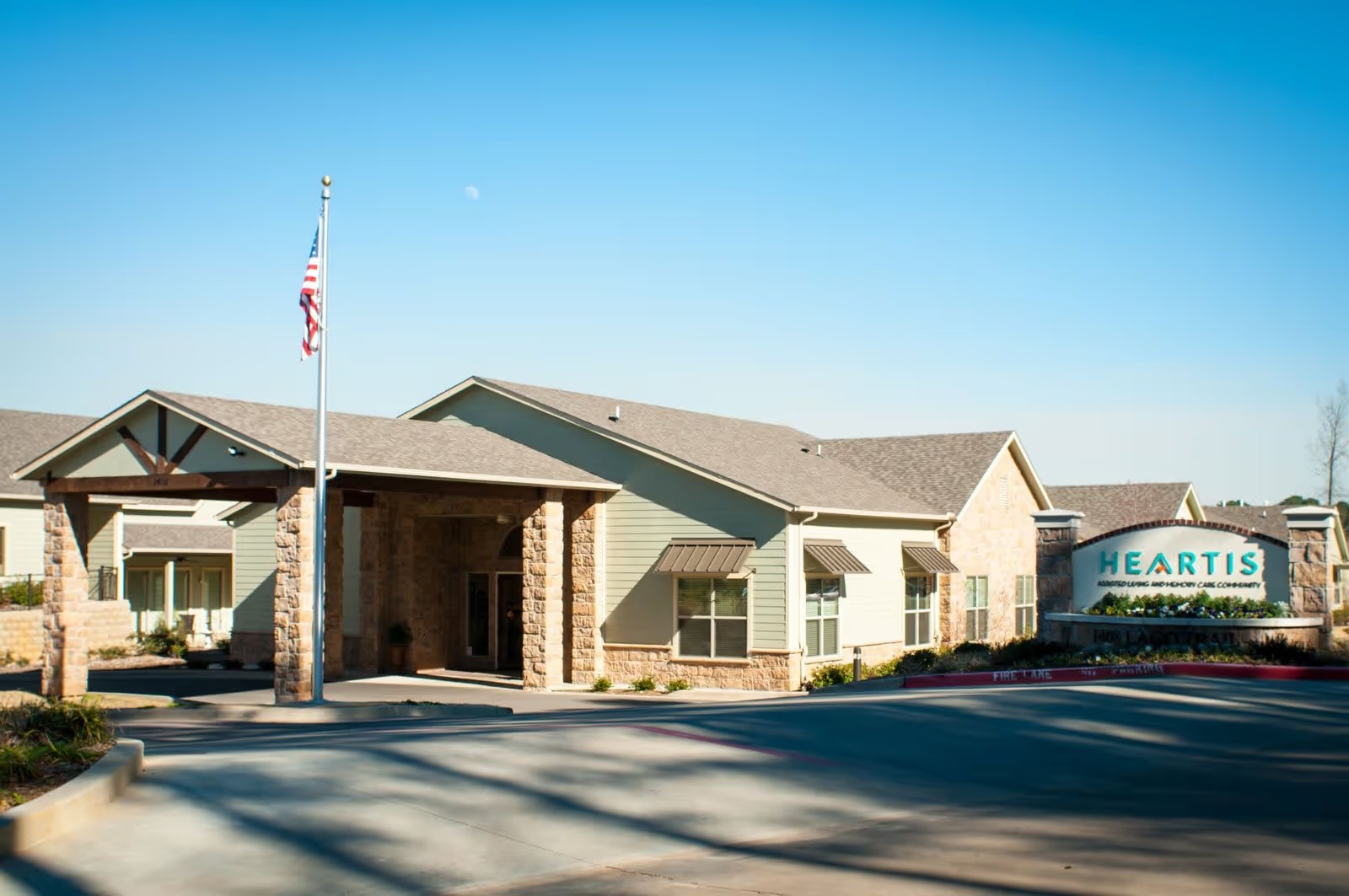
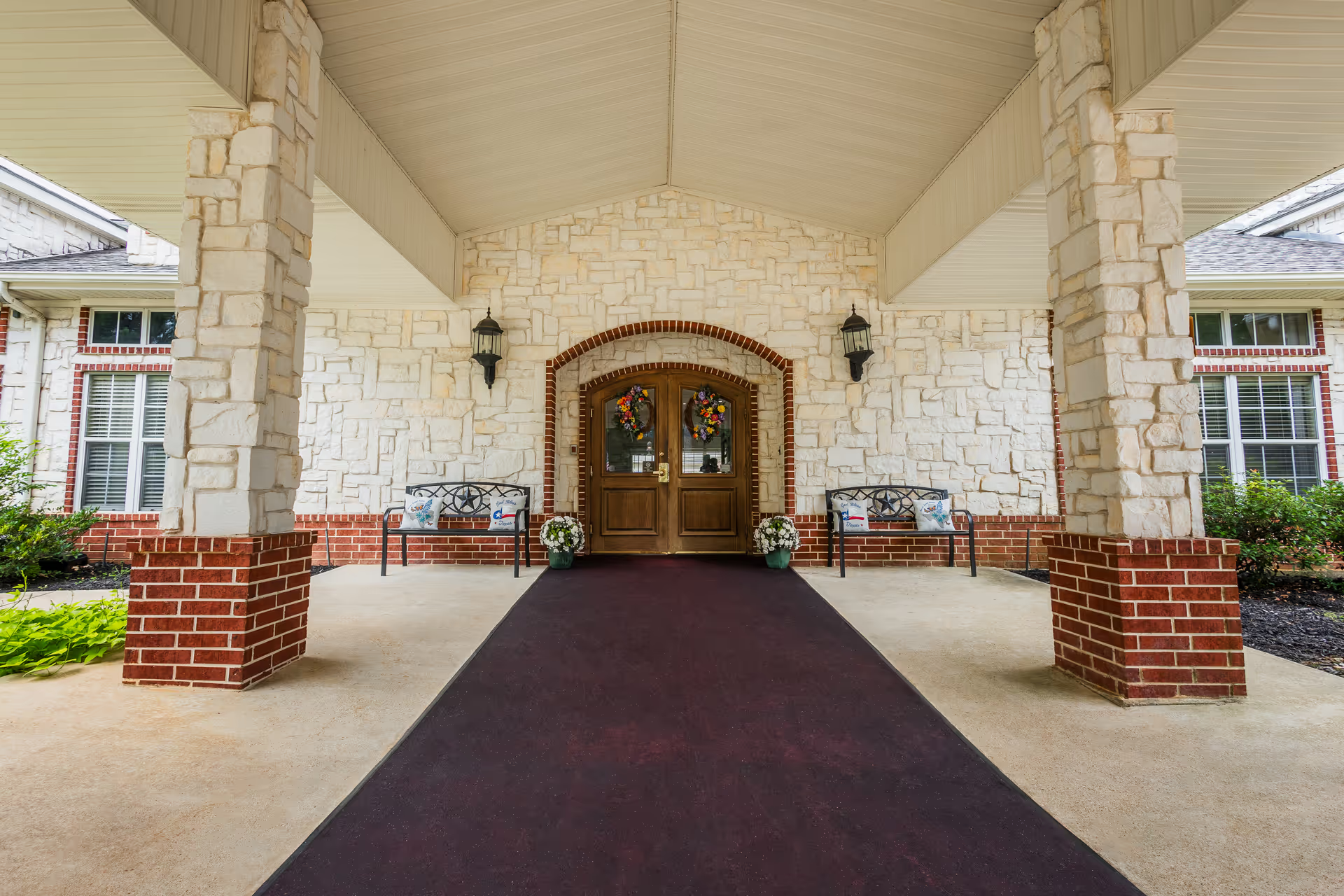
Facilities and maintenance: The campus and grounds are often described as clean and well cared for, with attractive gardens and maintained common areas. Apartment features commonly include full kitchens with appliances, secure access, and weekly housekeeping. At the same time, reviewers note the building is older and shows cosmetic wear (narrow hallways, dated finishes, popcorn ceilings), and apartment sizes can be modest. Recurring operational concerns include inconsistent maintenance follow‑through (examples include delayed repairs and unresolved issues such as persistent mold or appliance problems) and variability in cleaning thoroughness across floors.
Management and notable patterns: Management and many staff members receive frequent praise for being responsive, personable, and client‑oriented; individual managers and sales staff are singled out positively on multiple occasions. Nevertheless, there are recurrent themes around communication and transparency—some families described perceived misrepresentation about the facility’s ability to meet higher care needs, occasional administrative miscues (mailbox/key issues, move‑in delays), and uneven follow‑up on complaints. A smaller number of accounts raise concerns about interpersonal conflicts among residents and variable staff response to those incidents, suggesting gaps in resident‑conduct supervision and escalation protocols.
Who it fits best: Colonial Village appears well suited for older adults seeking an engaged independent‑living environment with strong dining, social programming, and convenient transportation — particularly pet owners. It is less suitable for people who expect in‑house assisted nursing or frequent clinical monitoring. Prospective residents and families should weigh the strong social and dining strengths against operational variability in staffing, housekeeping, and maintenance, and should clarify expectations about care levels and response protocols before moving in.