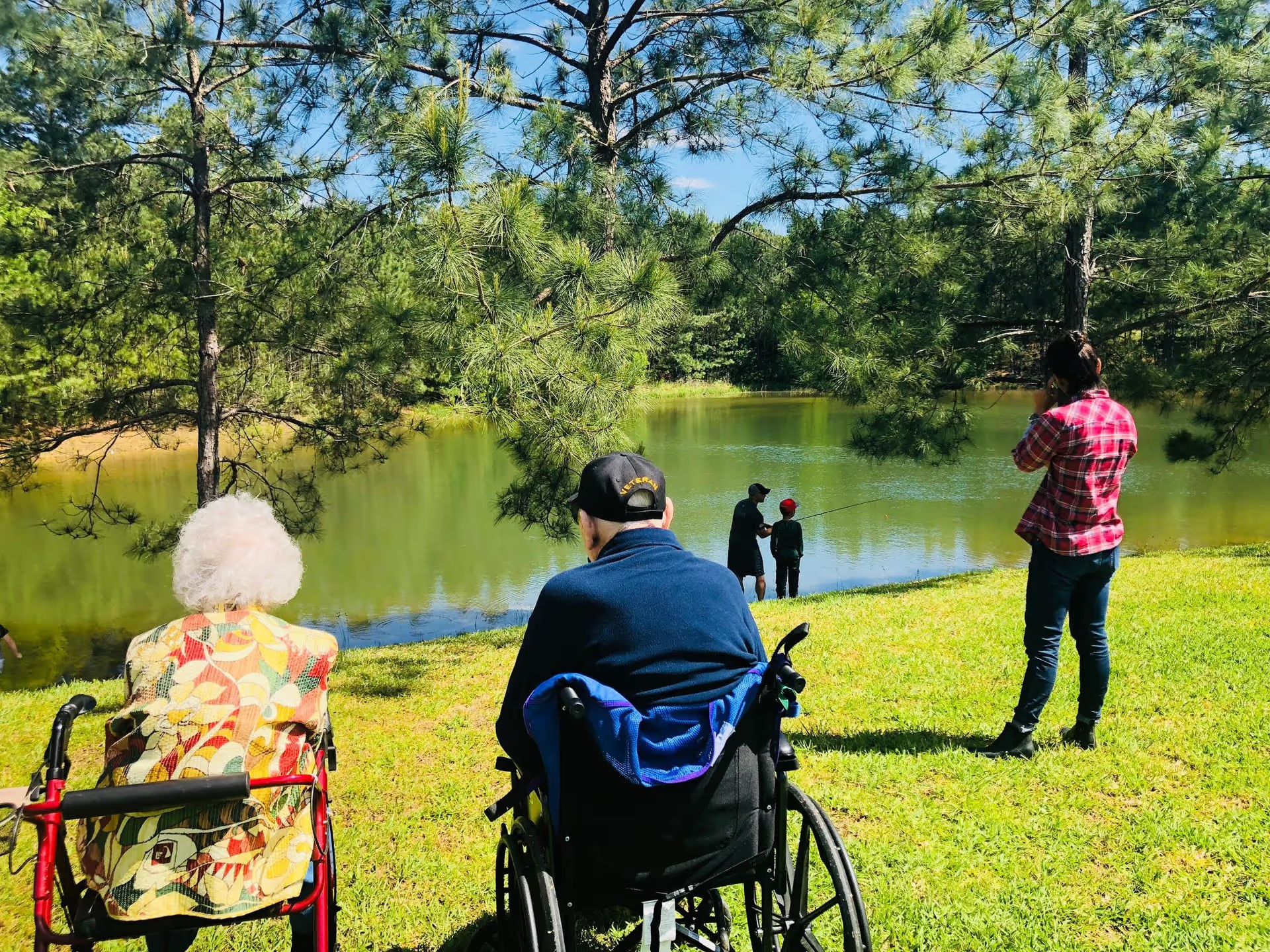
Alders Magnolia presents as an active independent-living community for adults 55+, with an emphasis on social programming and resident autonomy rather than assisted-care services. Reviewers describe a robust activity calendar that includes exercise classes, outings, potlucks, chef-led cooking events, and special features such as food-truck Fridays. The community’s activity program is a clear selling point and is oriented toward residents who want a range of social and recreational options without pressure to participate.
Staff performance and maintenance responsiveness are consistently described positively. Reviewers highlight engaged, helpful staff, quick repairs, and supportive move-in assistance. There is, however, a recent management transition; reviewers expressed cautious optimism about the change while noting uncertainty about long-term effects. The move-in experience and on-site staff interactions are strengths, but prospective residents should ask for an update on leadership and operational continuity.
Dining at Alders Magnolia follows an independent-living model: there is no regular institutional meal service and residents generally self-cater in well-equipped kitchens. That model is supplemented by communal events (potlucks, brunches) and occasional chef-led meals or food-truck service. Families and prospective residents should be aware that daily dining is resident-driven rather than provided as part of the monthly fee.
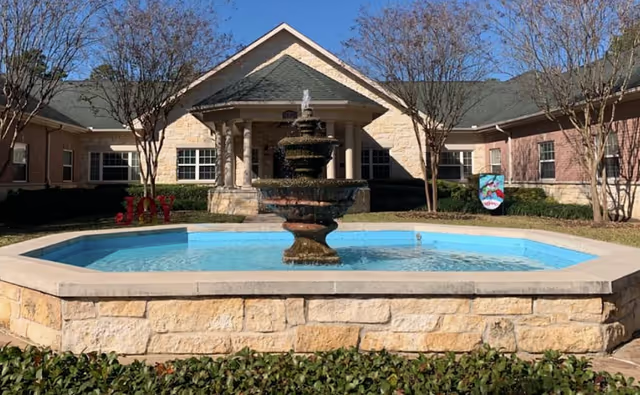
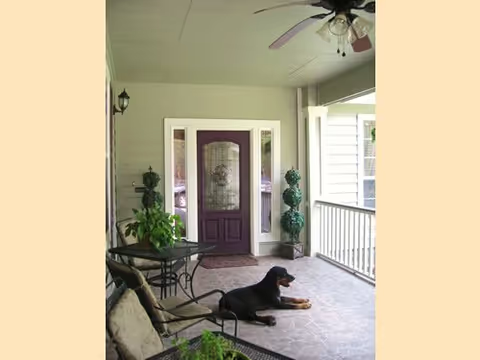
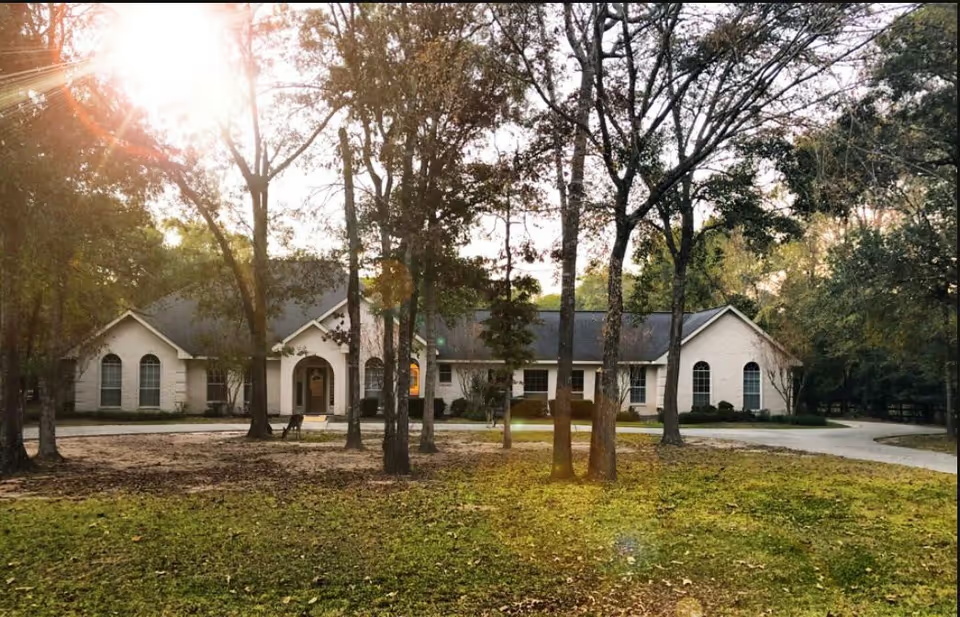
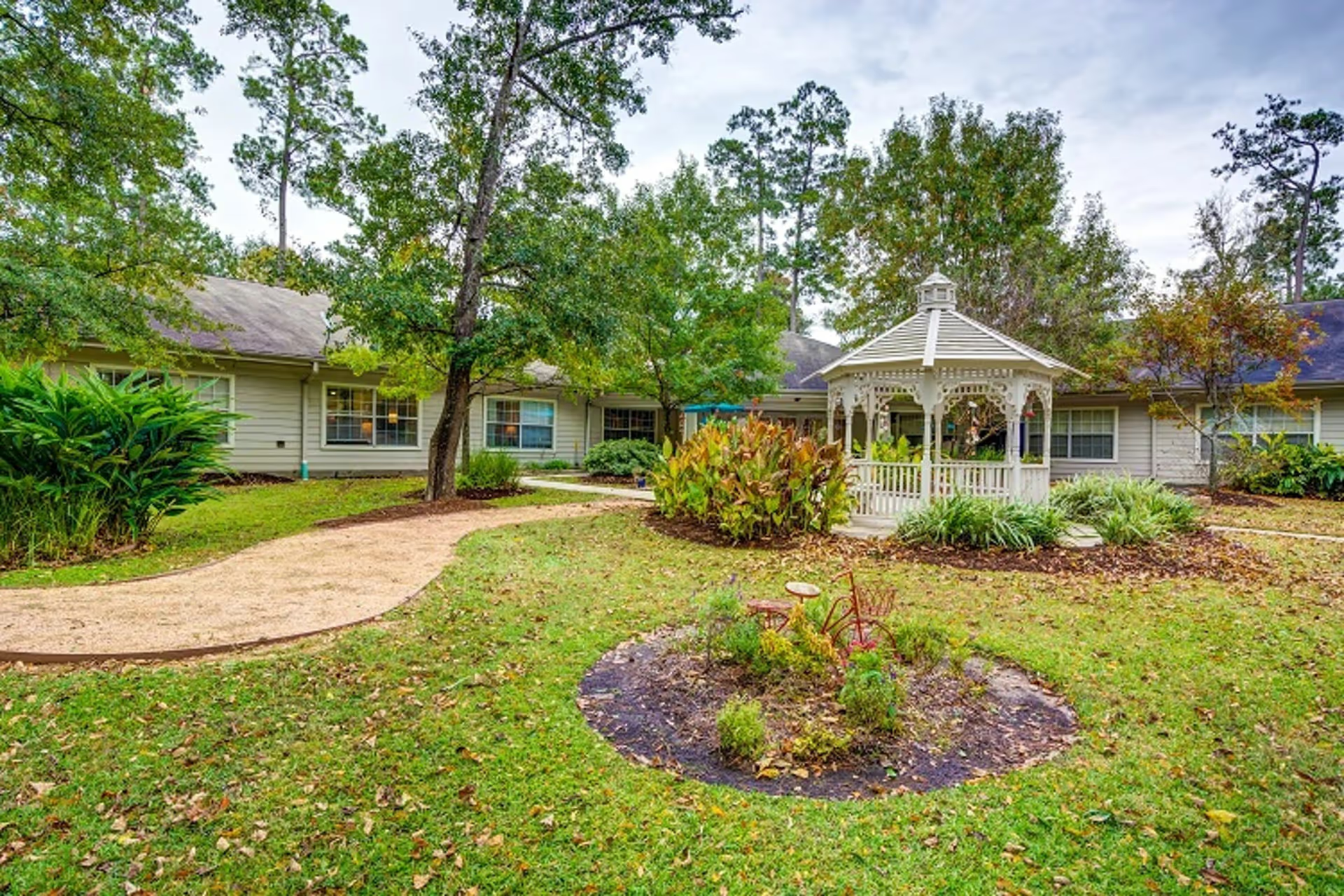
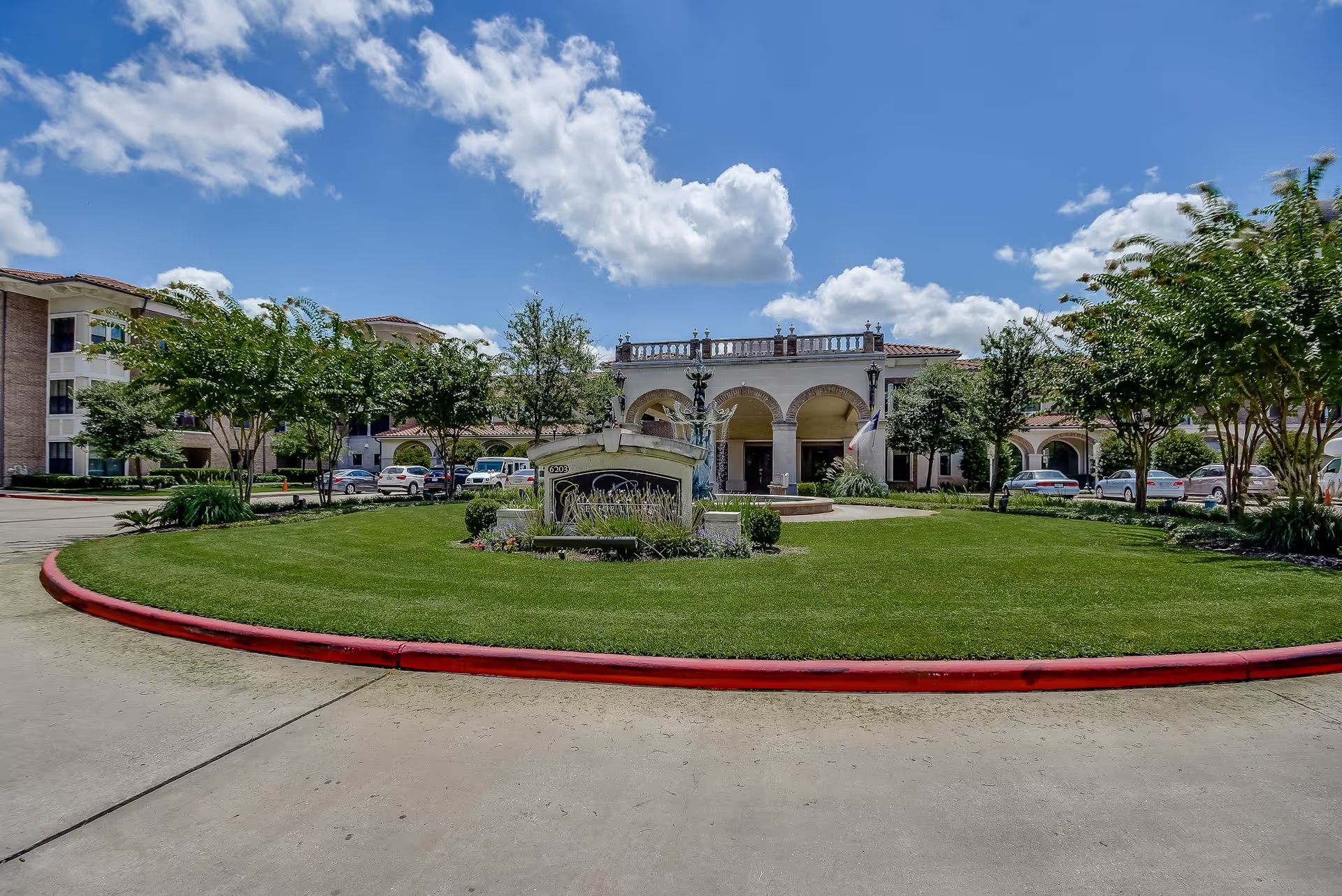
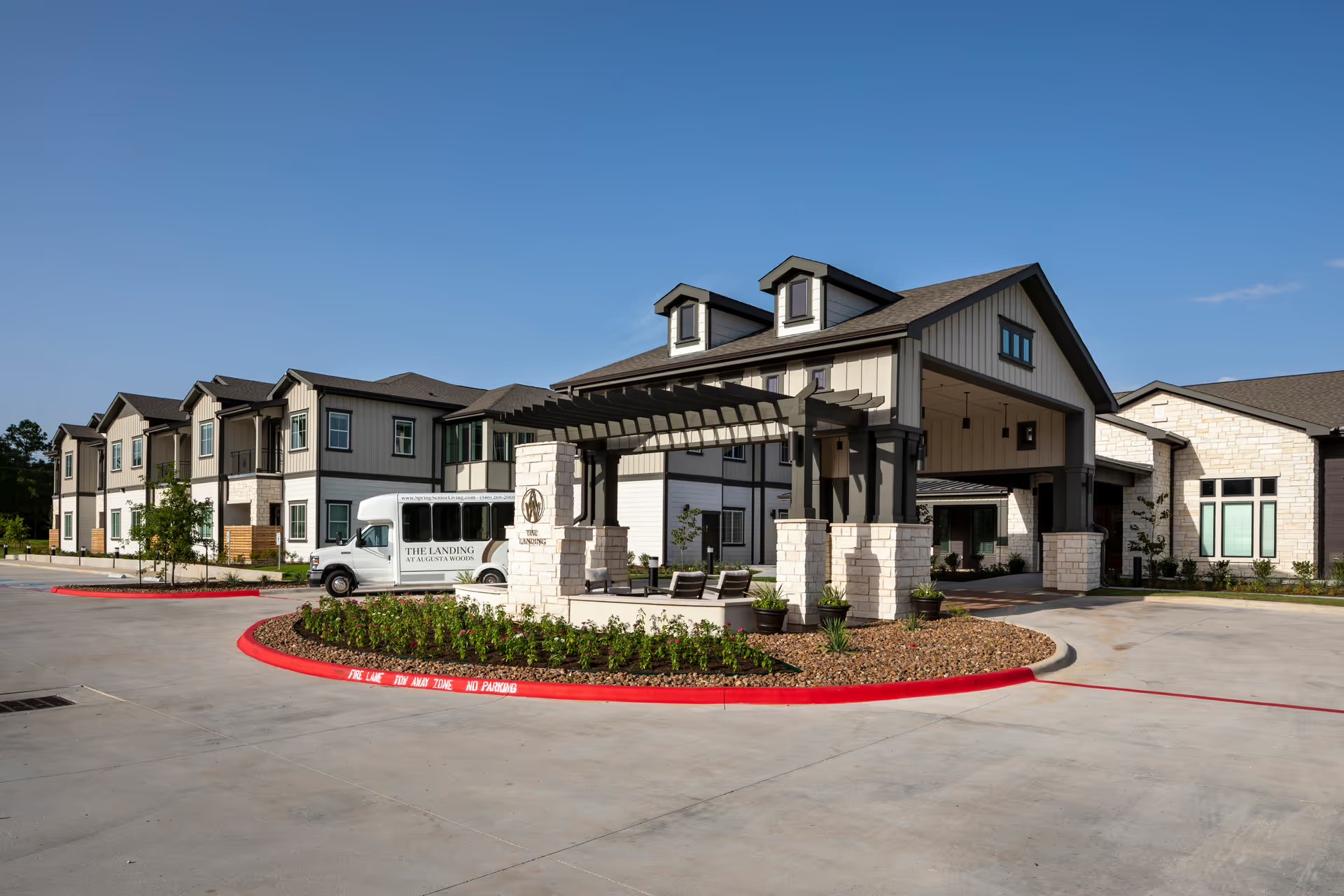
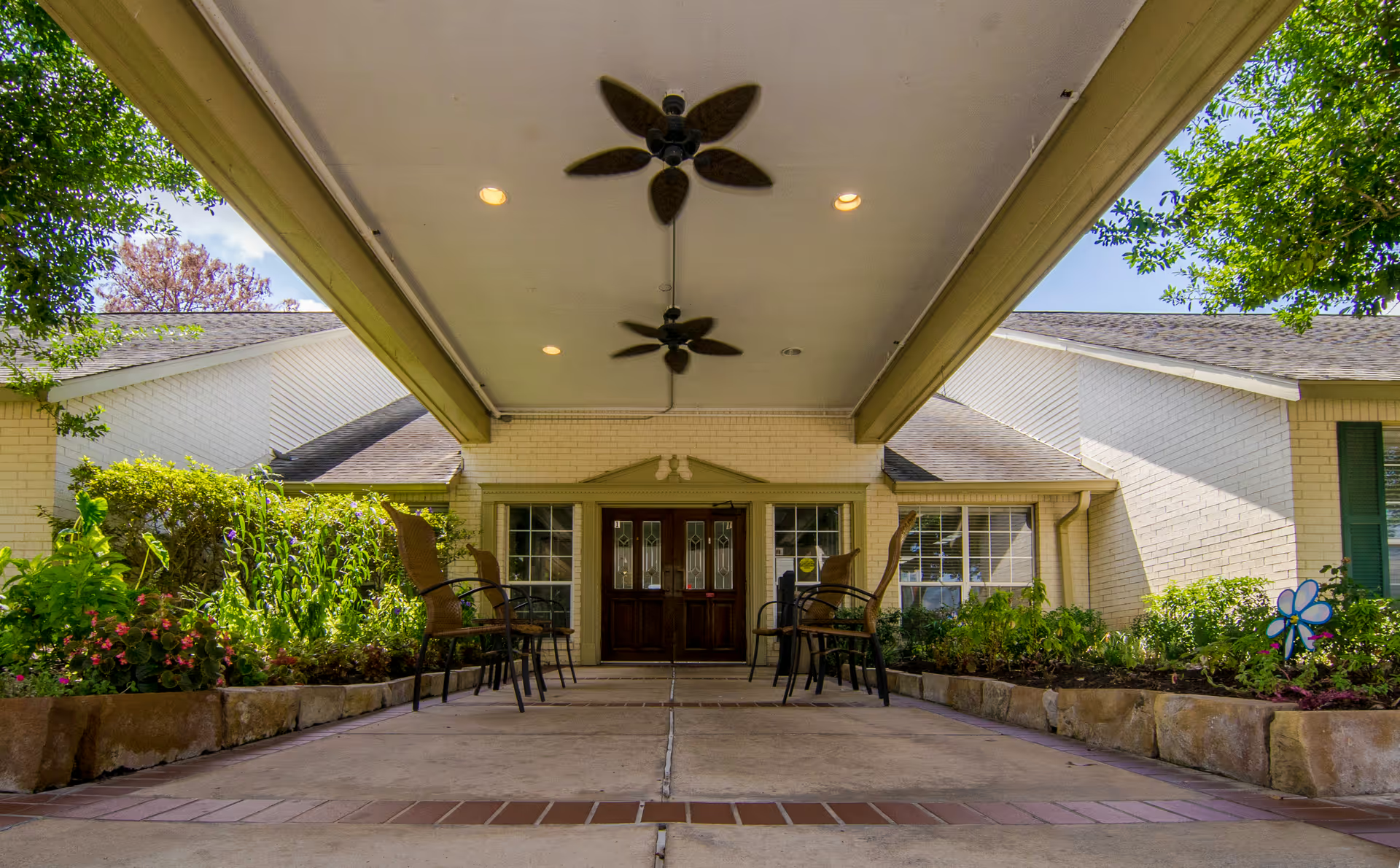
Facilities and amenities are frequently praised. The property is described as new or recently built, well-insulated, and conveniently sited near a grocery store. On-site amenities cited include a swimming pool, bocce court, movie theater, pool table, coffee lounge, multiple elevators, and pet-friendly accommodations. Maintenance responsiveness and apartment features (full kitchens) are cited as value-adds.
Operational limitations noted across comments include the absence of a standard dining program, transportation services that are limited or still evolving, and monthly costs that some compare unfavorably to living at home. Reviewers also mentioned transitional aspects of the community: as occupancy grows programming and services continue to develop, and lighting in certain corridors was called out as an area for improvement. Prospective residents should confirm current transportation options, the status of management and programming as census increases, and whether the independent-dining model matches their needs.
In summary, Alders Magnolia appears well suited to active older adults seeking a social, amenity-rich independent-living environment with responsive staff and modern apartments. It is less appropriate for those who require regular meals or comprehensive transportation provided as part of a standard service package. Asking targeted questions about management stability, transportation schedules, and the pace of programming expansion will help prospective residents determine fit.