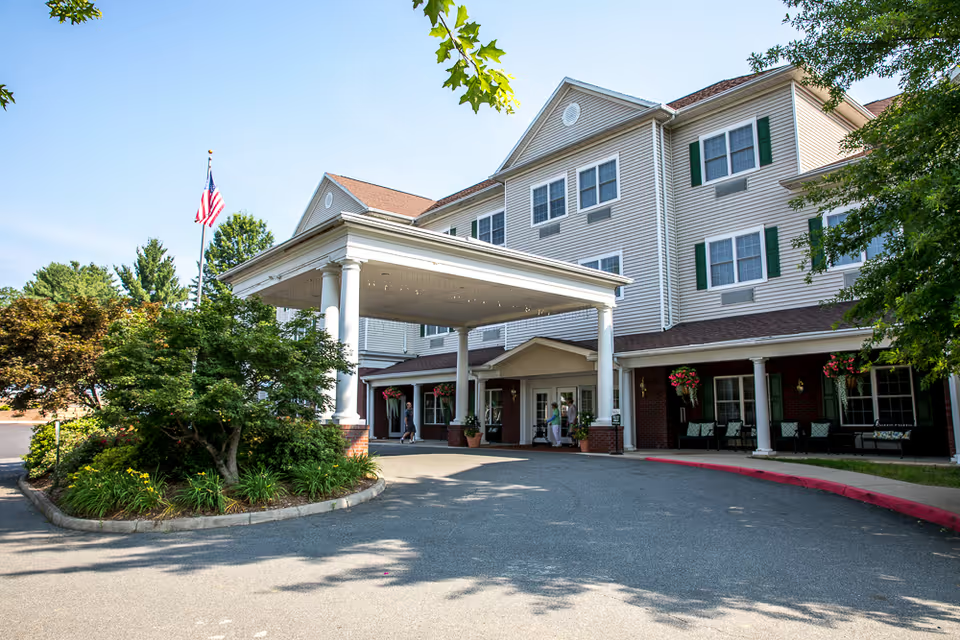
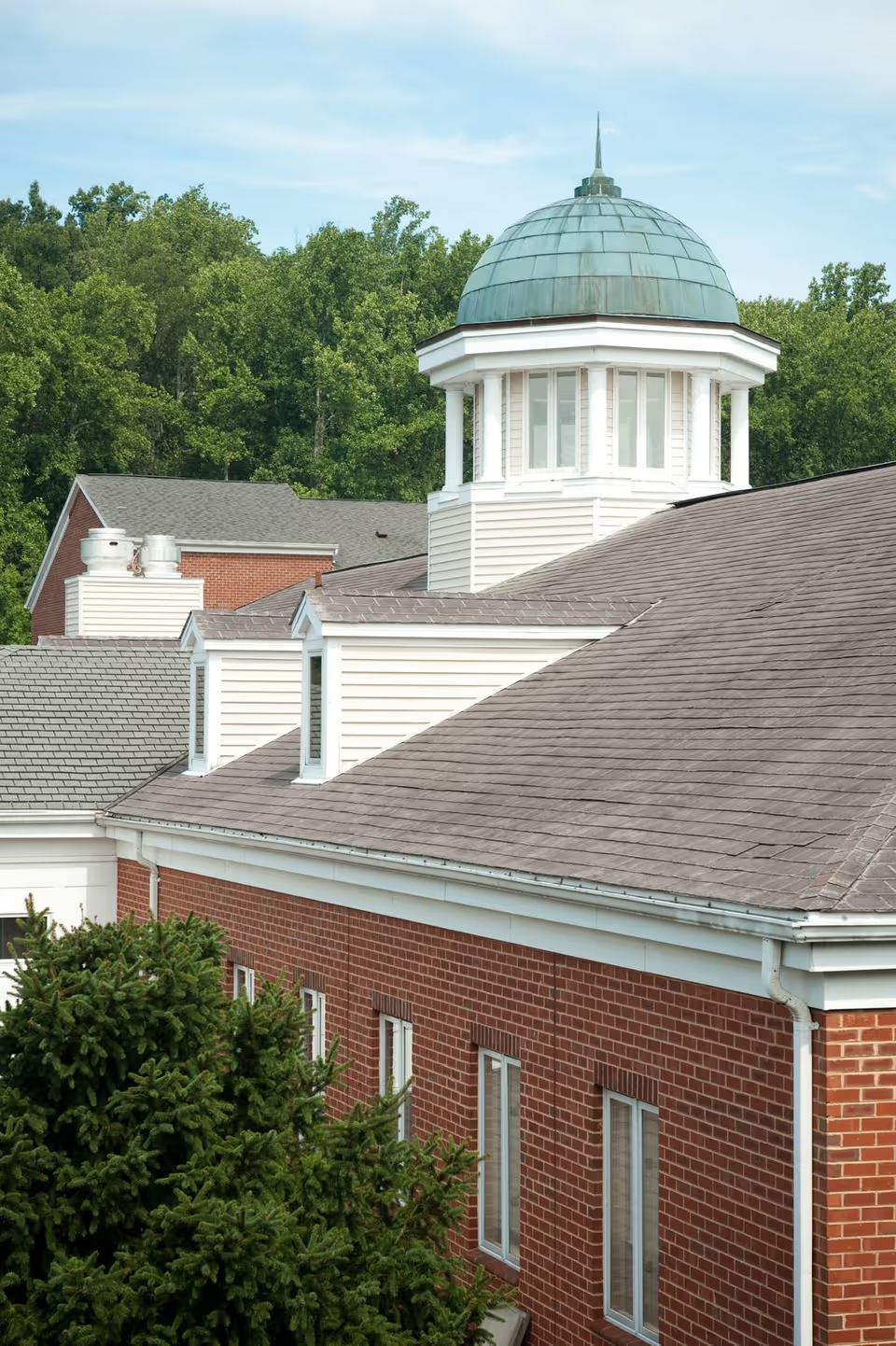
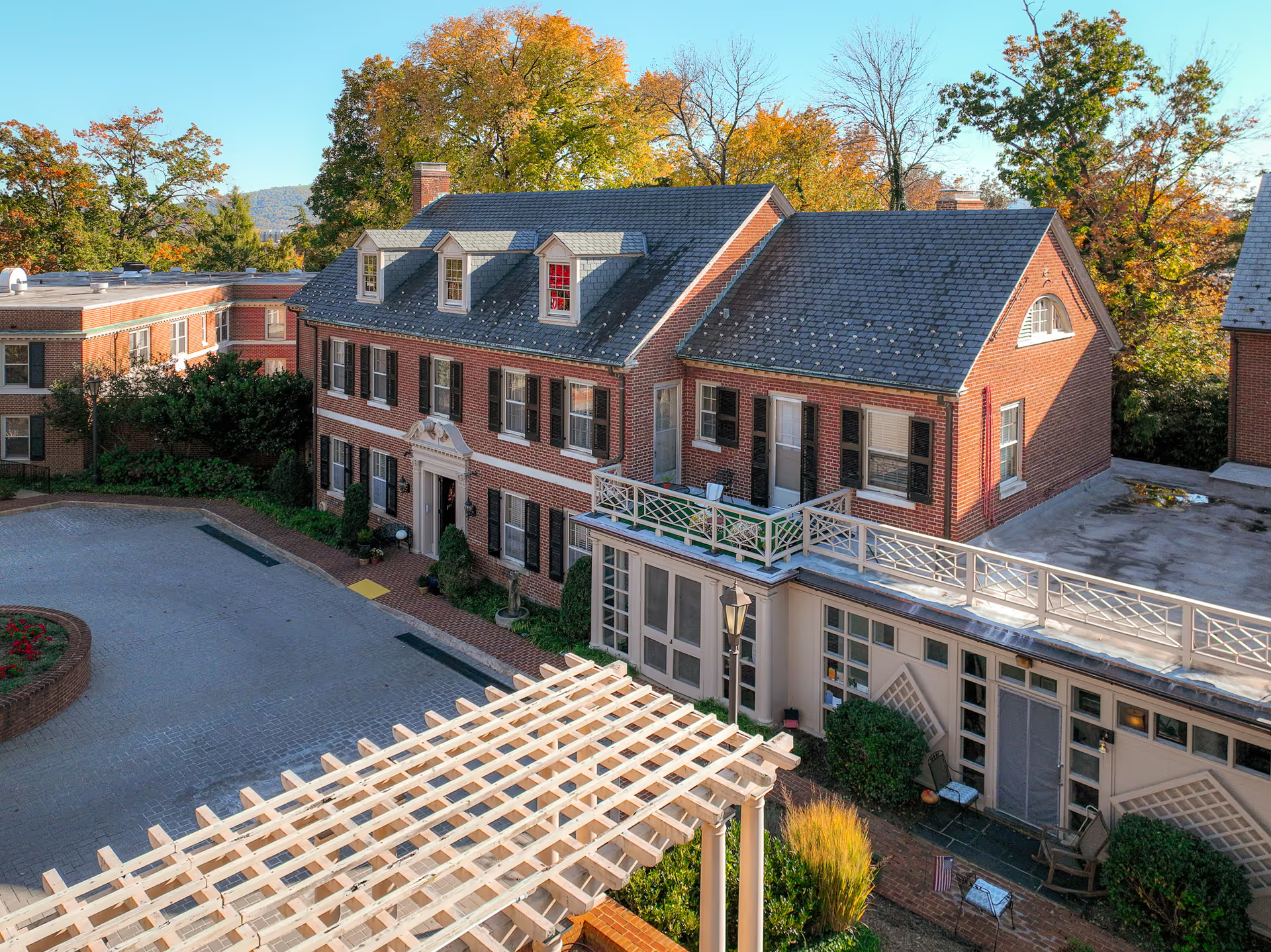
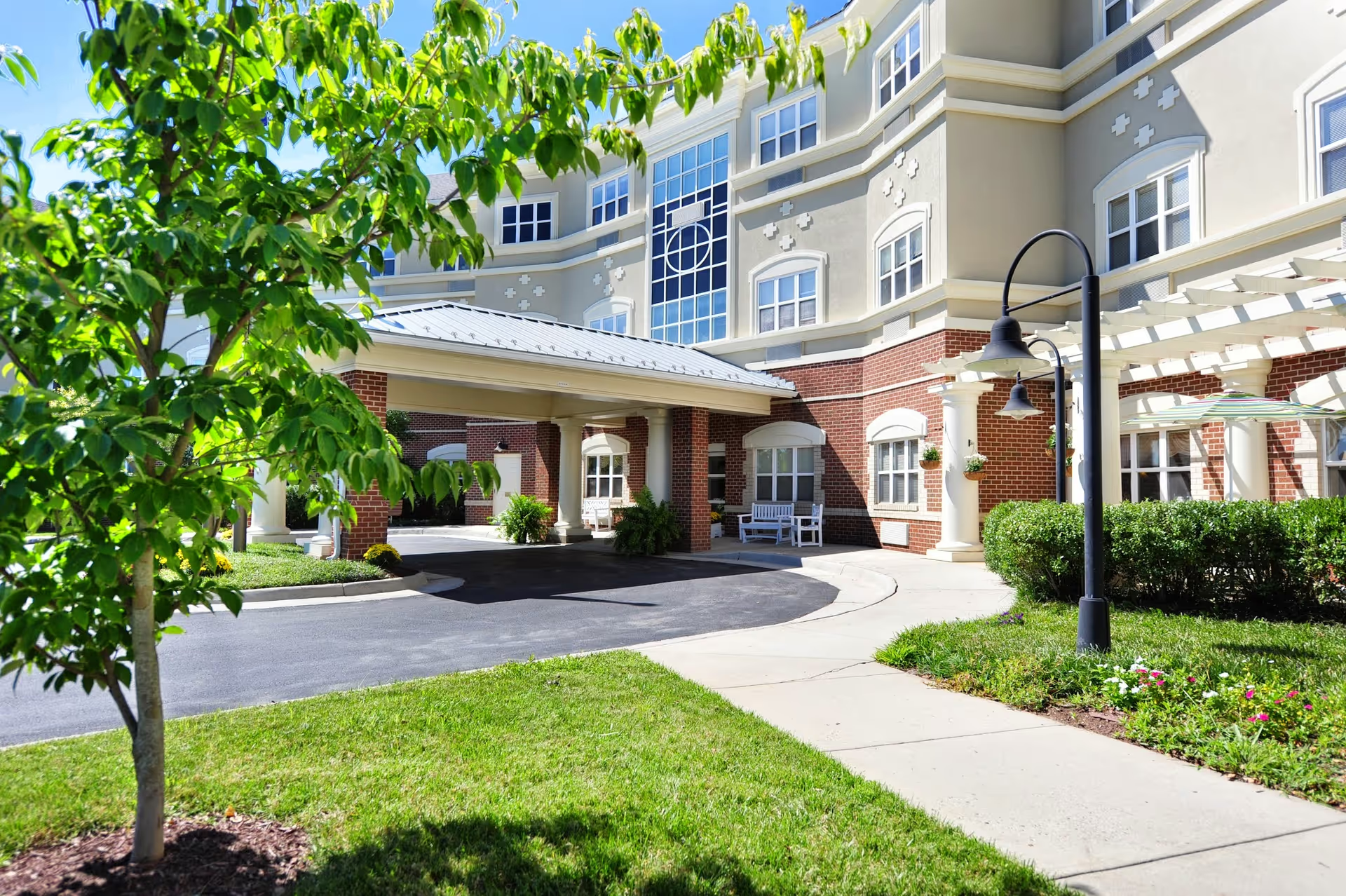
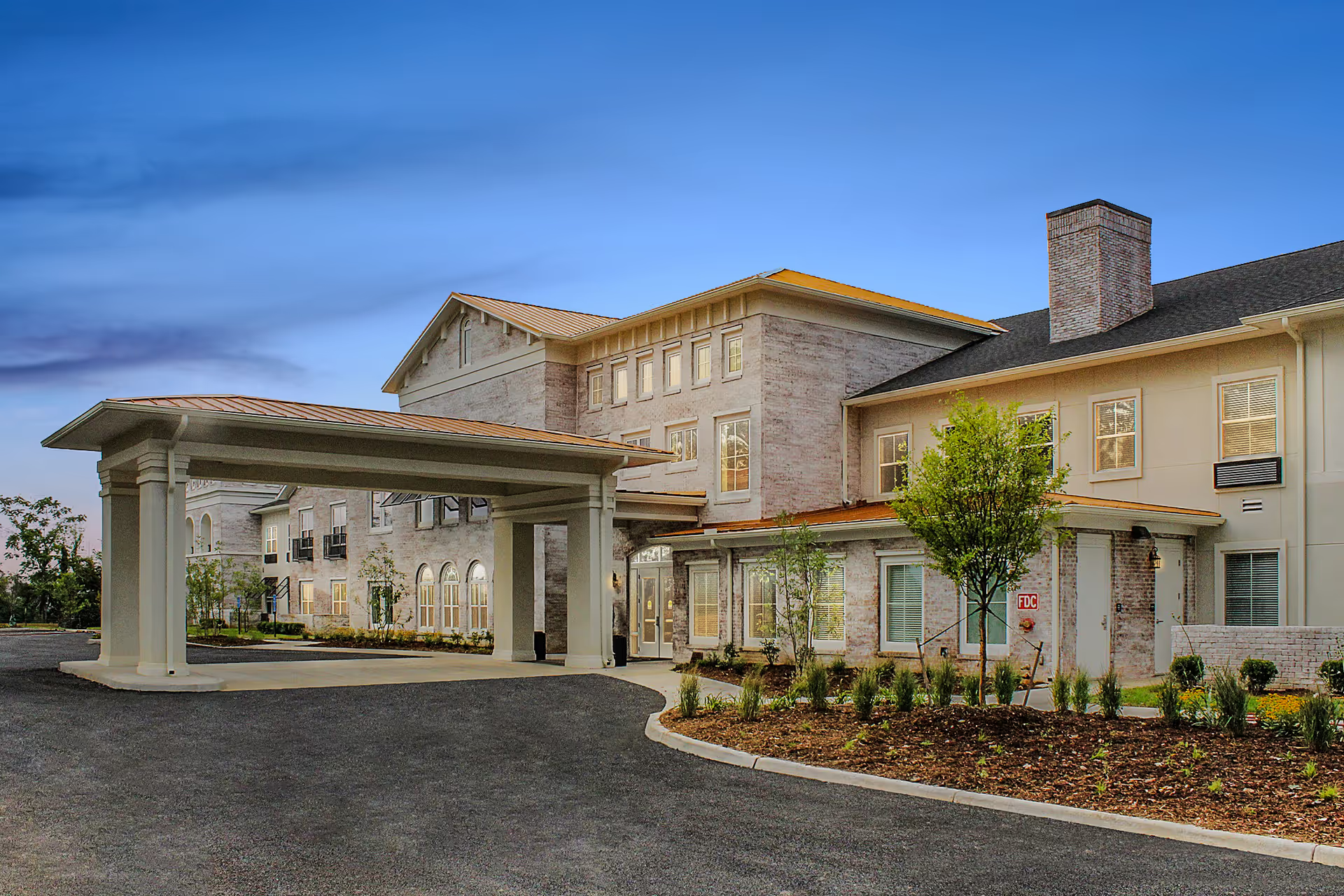
The Manor House is frequently described as a historic, architecturally distinct property with spacious, well-laid-out apartments and pleasant outdoor spaces. Its central location near restaurants, a senior center, and a gym is a consistent strength, and the grounds (courtyards, walking paths, and mature trees) contribute to a park-like setting. The community offers a range of living levels — independent living with assisted living and memory-care options — and several reviewers highlighted roomy, well-appointed units and an overall family-friendly atmosphere.
Staff impressions are mixed. Many accounts praise frontline employees as friendly, helpful, and accommodating, and some families described staff as responsive and supportive. However, there are recurring concerns about management-level communication and conduct; statements characterizing leadership as unresponsive or brusque suggest uneven experiences with administration. Staffing stability is another operational area of concern: reviewers cited short staffing at times and inconsistent coverage, which can affect daily assistance and program delivery.
Dining and kitchen operations show a pattern of conflicting feedback. The facility maintains an attractive dining room and displays menus, and some residents enjoy the food. At the same time, multiple accounts raise issues about meal quality and consistency, noting high turnover in kitchen staff and limited menu flexibility (fixed weekly options). These comments indicate variability in culinary leadership and operational continuity rather than a single, uniform dining experience.
Activity offerings include an organized events calendar with arts-and-crafts, bingo, prayer club, fitness activities, and social hours. For some residents the schedule is engaging; for others it feels limited in scope or frequency, with occasional reliance on passive options (for example, exercise DVDs). Transportation is a clear asset — rides to medical appointments, malls, and restaurants are provided — but reviewers also mention constraints on scheduling and pickup times that may reduce flexibility for some residents.
The building’s age delivers both charm and practical limitations. The historic, hotel-like architecture contributes to the community’s appeal but also creates accessibility and wayfinding challenges (heavy doors, complex layouts). Prospective residents should evaluate individual unit access, mobility accommodations, and any implications for daily living. Maintenance and housekeeping impressions were not a dominant theme, but the older structure suggests asking about ongoing capital or accessibility improvements.
A notable pattern is the divergence between highly positive personal-fit experiences and operational complaints that affect perceived value. Several residents and families view The Manor House as an affordable, convenient, and attractive option; others express dissatisfaction with management responsiveness, kitchen stability, activity variety, and transportation scheduling, sometimes describing this as reducing the community’s value for the price. Prospective residents and their families would benefit from an in-person tour and targeted questions about current staffing levels, kitchen leadership and turnover, sample menus, activity frequency and variety, transportation windows, accessibility for specific mobility needs, and contract terms or renewal policies. These inquiries will help determine whether the facility’s strengths align with individual priorities and care needs.