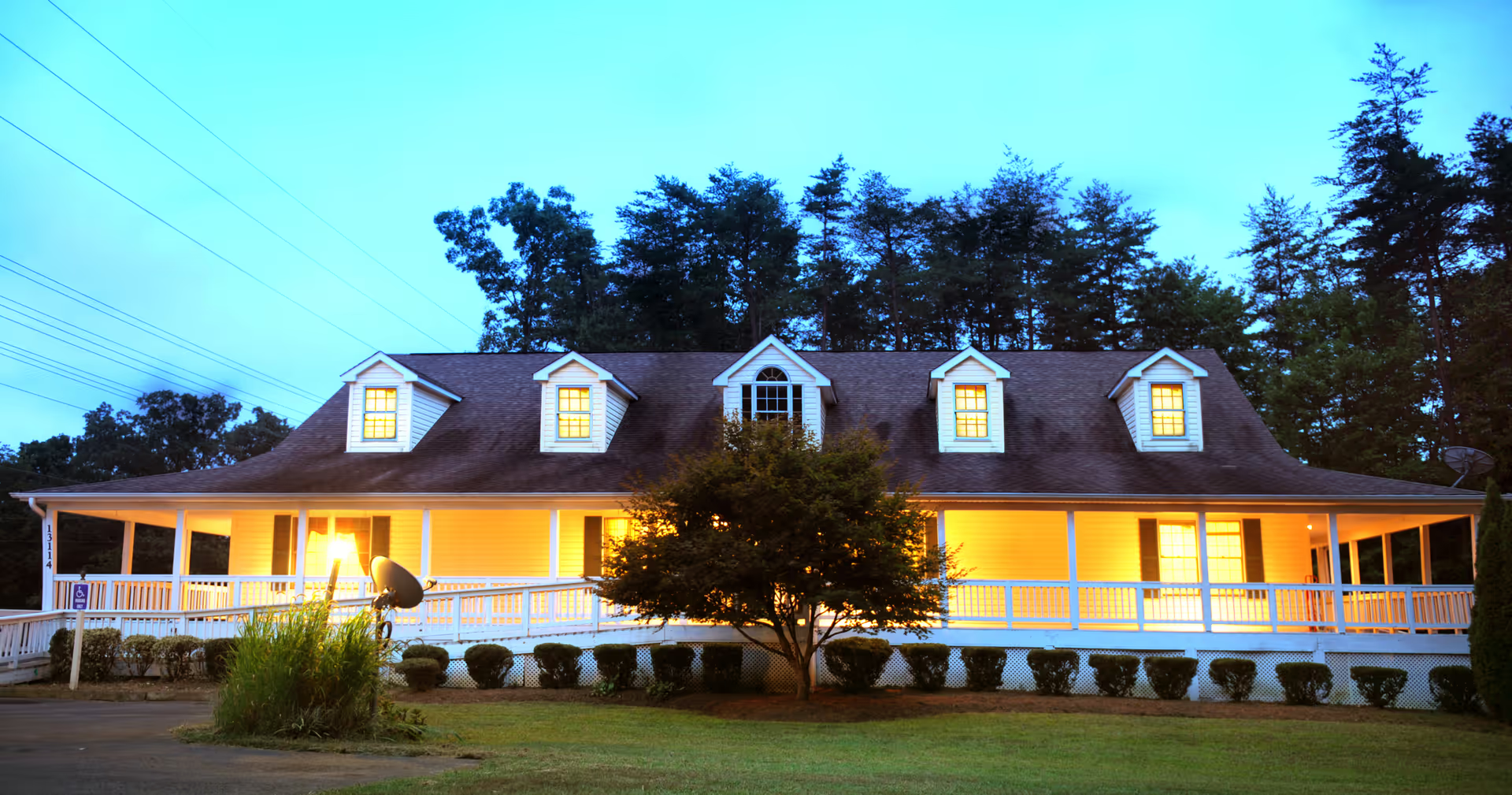
Oaks of Wellington presents as a well-maintained independent-living community with a broad range of onsite amenities and an economical pricing profile. Reviewers consistently describe clean, immaculately kept common areas and an older yet well-cared-for building. Physical features that attract interest include an indoor pool, fitness/wellness center, library, craft and theater rooms, a large party room and secure entrances, all of which support an active lifestyle for residents.
Staff and day-to-day care are characterized by friendly, welcoming interactions and a responsive maintenance and housekeeping presence. Housekeeping and maintenance are repeatedly cited as strengths, and staff–resident rapport is described positively. Because Oaks of Wellington operates as an independent-living community, clinical care and assisted services are not the focus; the facility appears best suited to residents who are largely self-sufficient and do not require regular medical or personal-care assistance.
Dining is a clear operational distinction: the facility does not provide meal service, and residents are expected to arrange and prepare their own meals. This model supports autonomy and contributes to lower costs, but it also means the community is not a fit for individuals who need routine meal delivery, monitored nutrition, or dining assistance.
Activity programming is active and varied, combining staff-planned events with a strong tradition of resident-organized activities. Weekly social events and resident-driven groups create a robust social environment; however, the prominence of resident-organized programming suggests variability in the structure and consistency of offerings depending on resident involvement.
A recurring operational theme is limited administrative or management engagement. Several reviewers described relatively low visible involvement from management, which some families may interpret as reduced oversight or slower escalation for administrative issues. Prospective residents and families should clarify expectations for management responsiveness and the community’s escalation pathways during tours.
Overall, Oaks of Wellington appears to offer a clean, amenity-rich, and budget-friendly independent-living option for older adults who value autonomy and an active social environment. It is less appropriate for individuals who require meal services, assisted living, or frequent clinical oversight. Visitors should confirm service boundaries, management accessibility, and the consistency of activity programming to ensure alignment with the prospective resident’s needs.