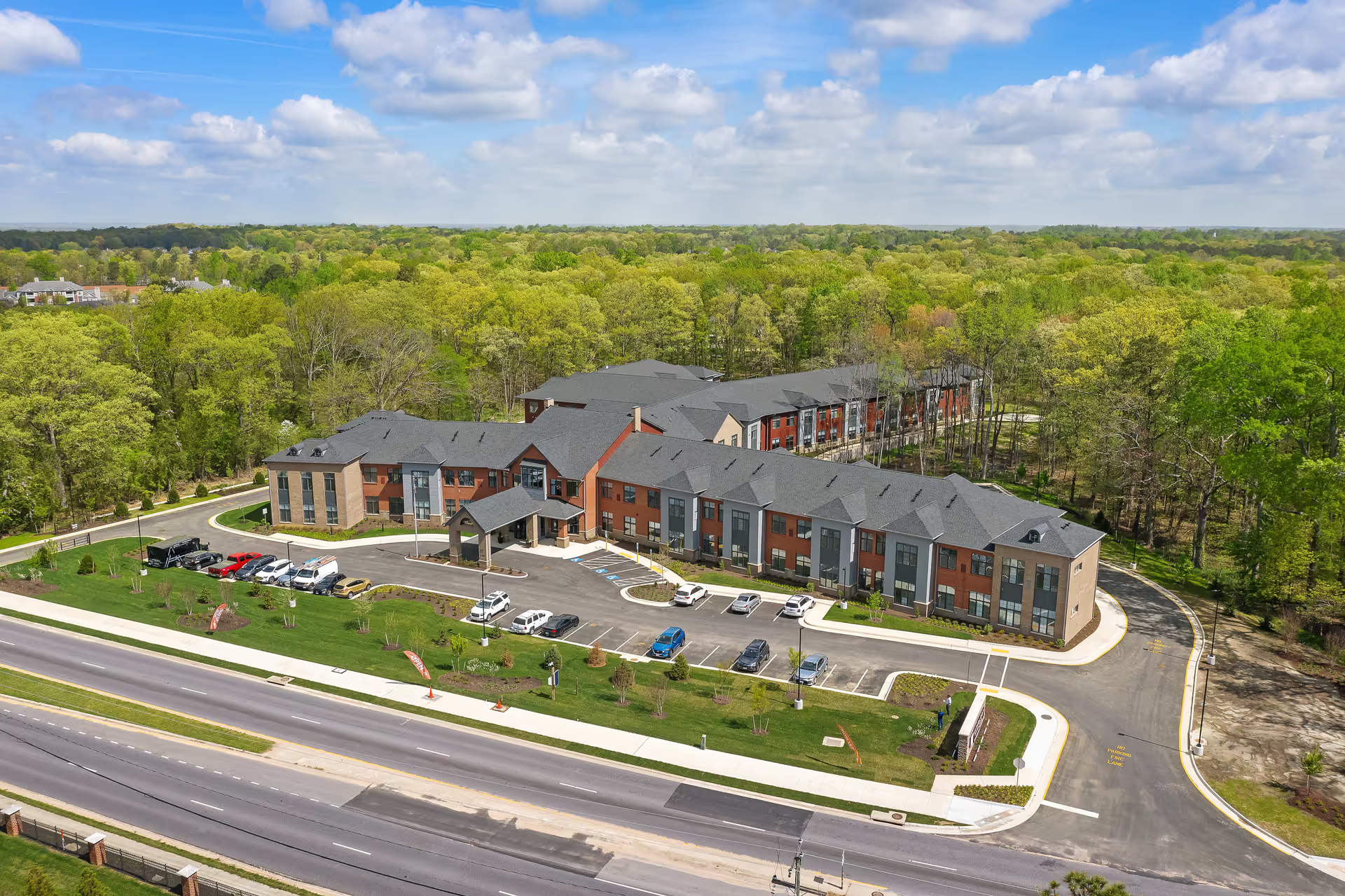
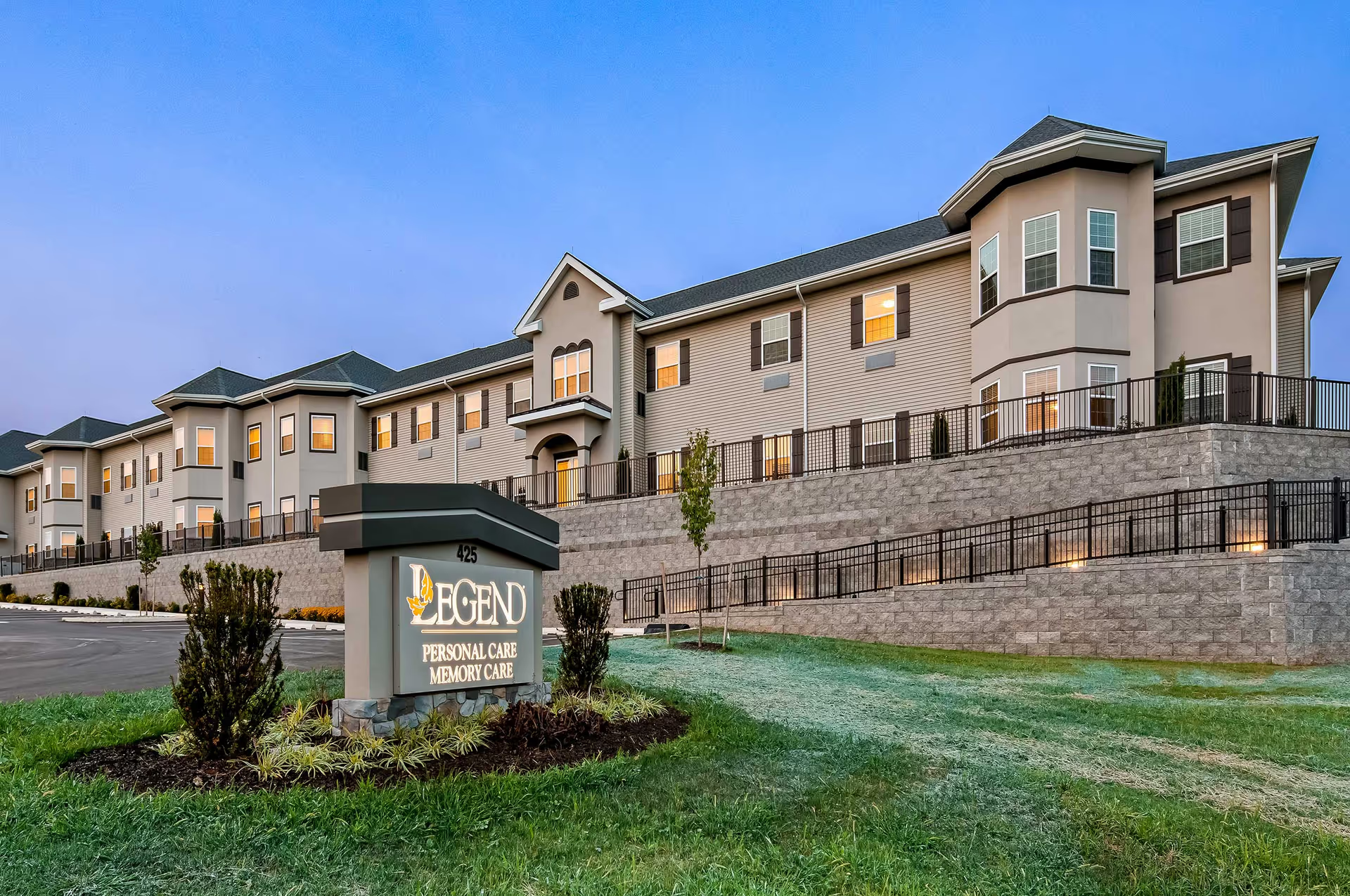
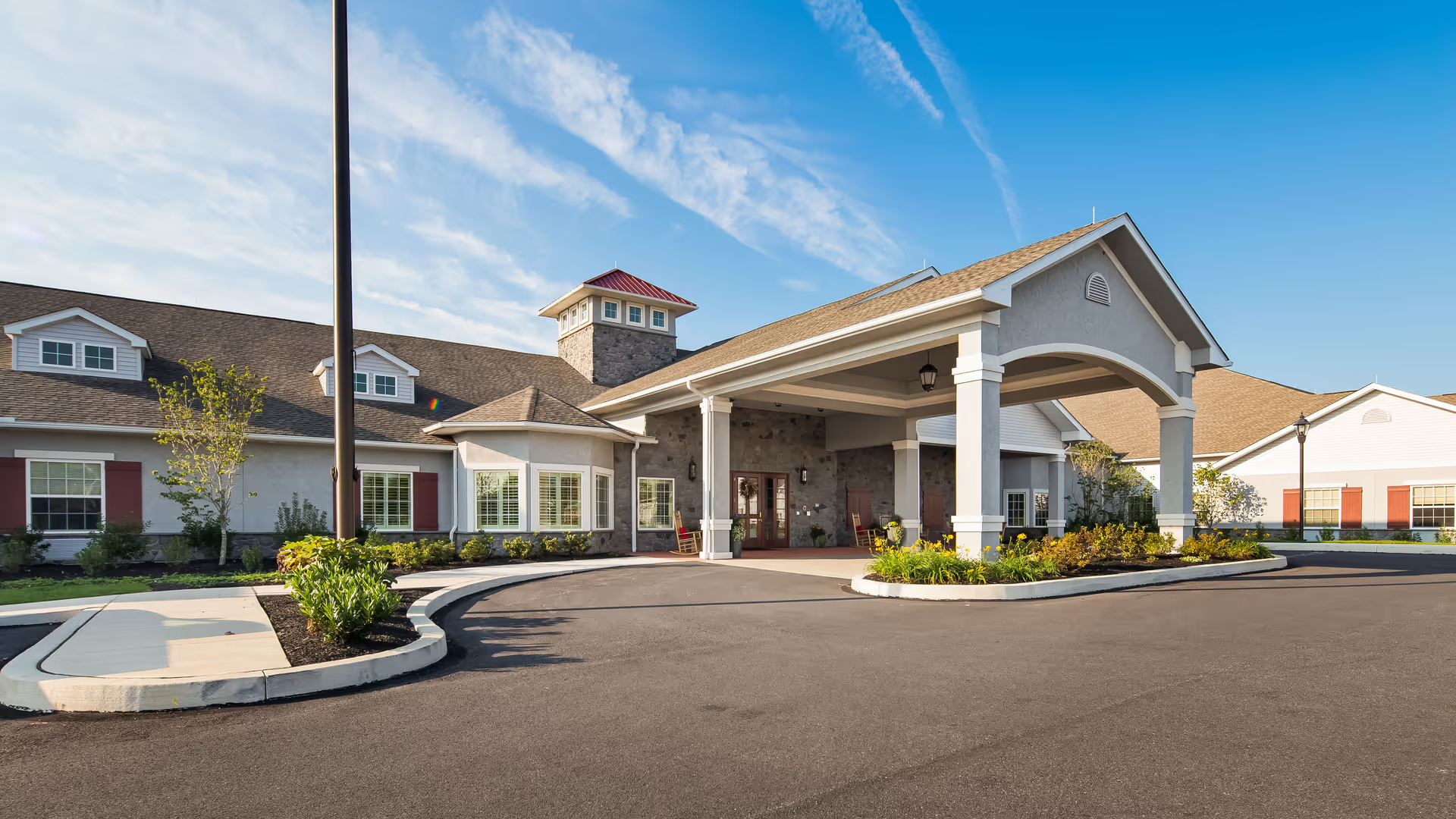
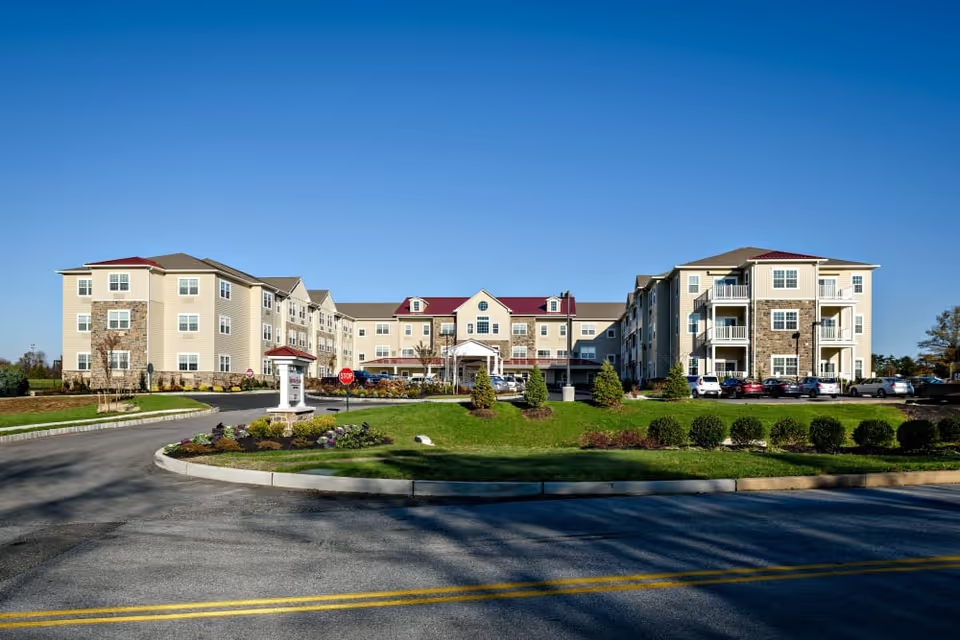
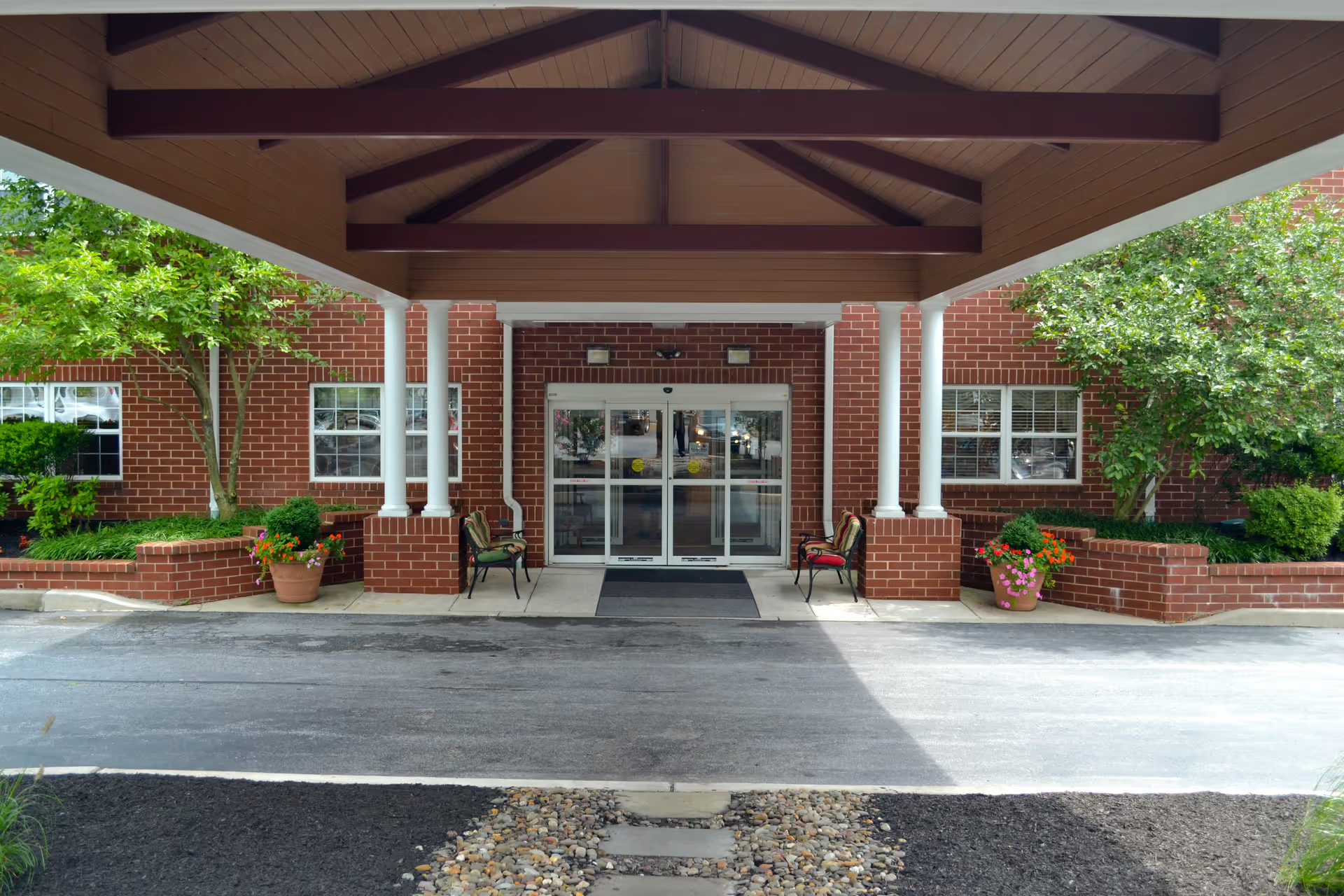
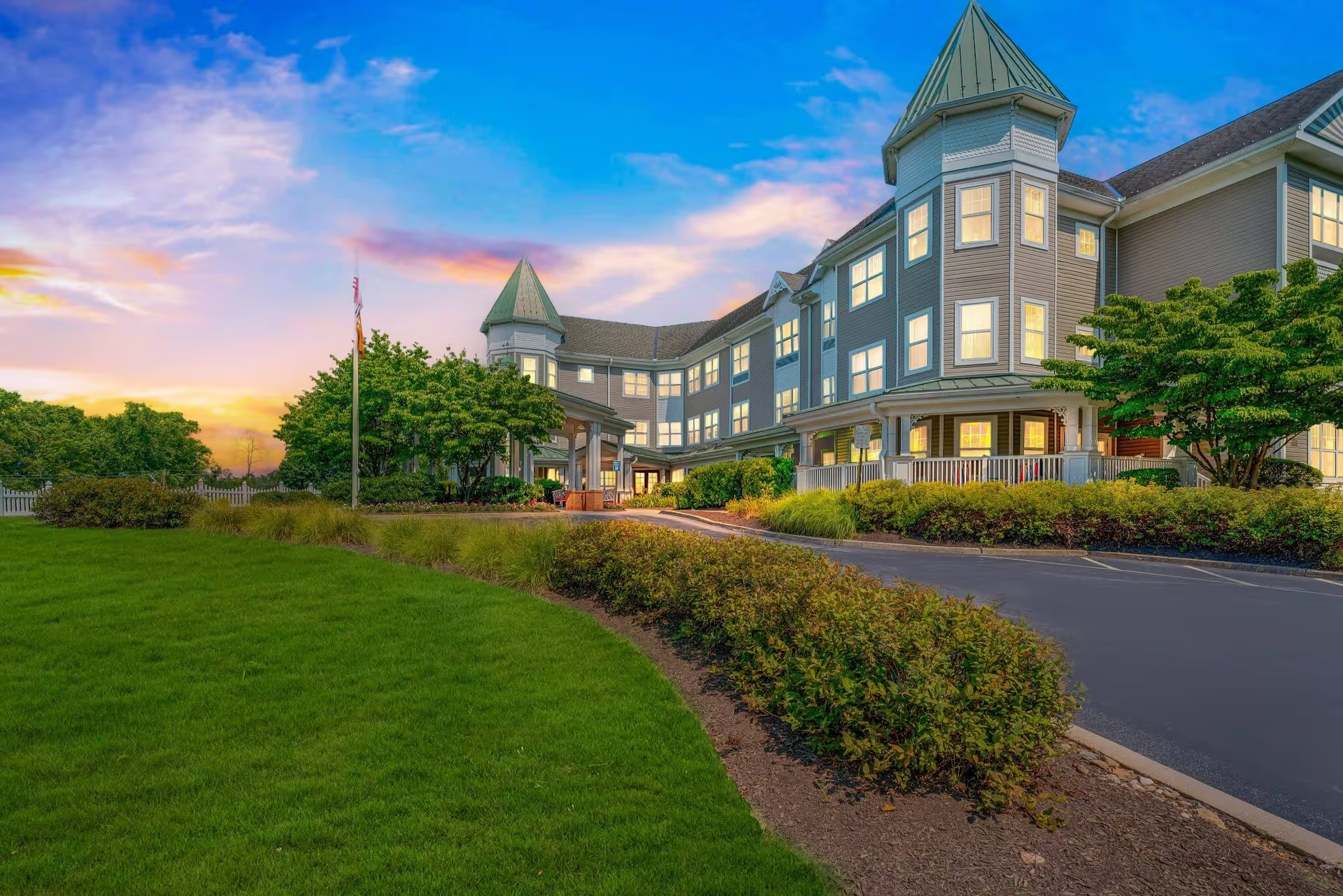
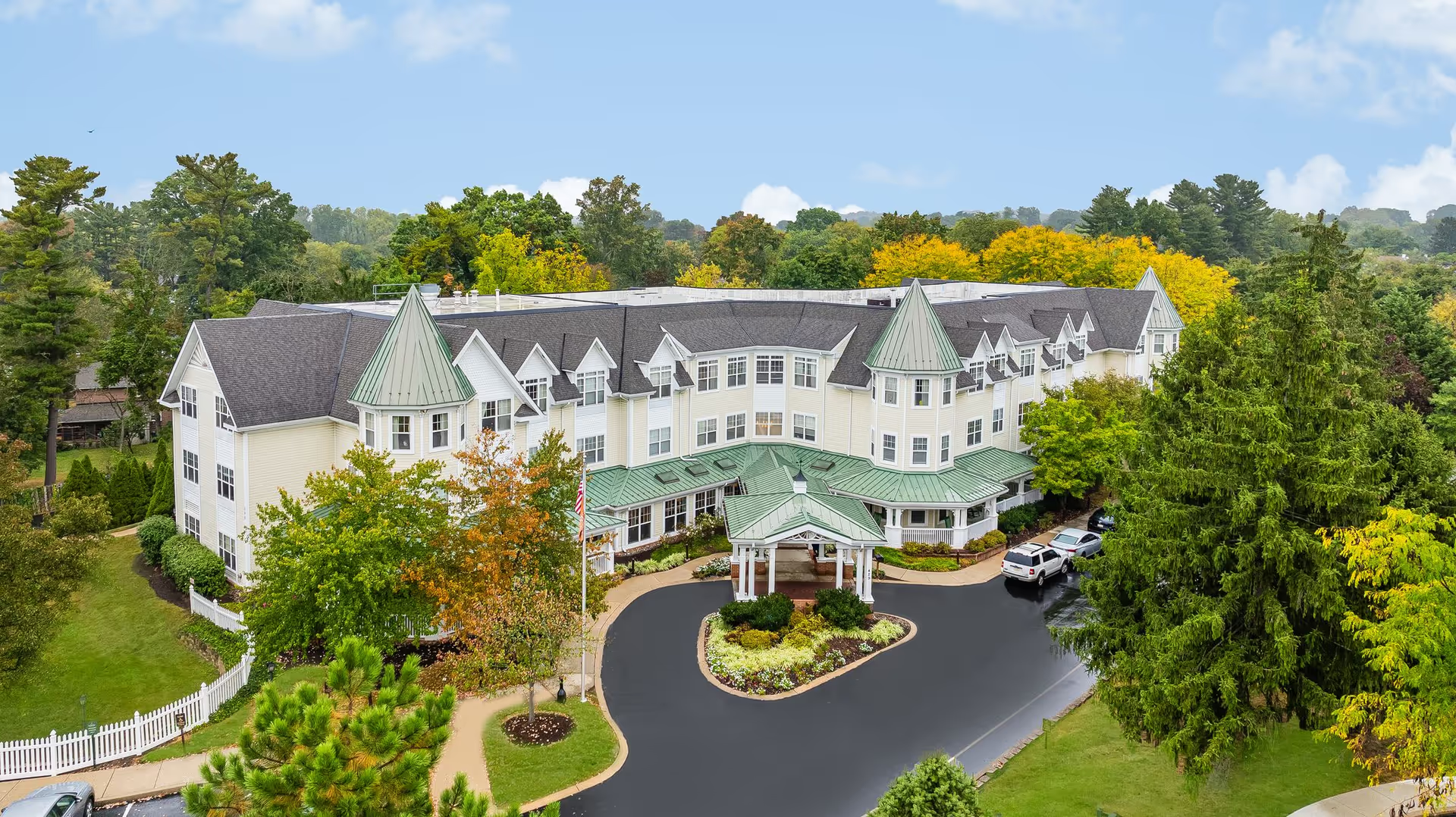
Overall sentiment across reviews of Aspire at West End is mixed-to-positive, with many reviewers praising the community’s newness, aesthetics, and the friendliness of most staff, while a notable and recurring set of operational and value concerns temper the enthusiasm for some residents and families. The property is repeatedly described as modern, clean, and attractive with comfortable, well-sized one- and two-bedroom apartments and plenty of hotel-like common spaces (lounges, waterfall/bar area, library with piano). Amenities are a major selling point: the community offers a gym, indoor pool, movie theater, garden areas, salon (though some mention its removal), and numerous social spaces that create an active, sociable environment for independent seniors. Reviewers commonly note that the staff they interact with—servers, technicians, and many front-line employees—are friendly, helpful and welcoming, and the overall atmosphere is often described as warm and community-oriented.
Dining and food service receive a mix of praise and criticism. Early or initial impressions are strongly positive: several reviews describe restaurant-style dining, an involved chef who meets guests, large portions, and an attractive dining room. However, multiple reviewers report a decline in food quality and variety over time, complaints about the expense of the meal plan, and specific limitations such as the meal plan not covering one meal a day or the dining room being closed on some days (e.g., Sundays). Waitstaff and kitchen staffing issues are attributed to broader economic or staffing pressures, and mandatory spend requirements or meal card policies have caused frustration among some residents who feel constrained by additional costs.
Staffing and management emerge as the most frequently cited concern. While many individual staff members are described as excellent and caring, the community appears to experience high turnover, which reviewers link to inconsistency in service, reductions in available activities or services, and occasional untrained or ineffective cleaning staff. Several reviews recount operational problems (e.g., elevators out for weeks, hot water failures, air conditioning down in halls, pool contamination/parasite, and noisy or low-quality appliances) and say these problems sometimes persist for multiple days. Some reviewers report negative interactions with administrative management, including examples of management yelling at staff, unfriendly administration, and last-minute denials of scheduled transportation. These issues contribute to a perception among some residents that the community is a “work in progress” and that stability and continuity of care are lacking.
Activities, social life, and transportation are strong selling points but have limitations. The community offers a robust calendar—bingo, happy hour, excursions, trips to Richmond, men’s activities attempts, and a wide range of events—and many reviewers appreciate the social opportunities and resident engagement. At the same time, activities sometimes get canceled due to low sign-ups or fill up quickly, and promotion/coordination could be improved. Transportation services are available and often cited as a deciding factor for families, but capacity is limited (reports of only one bus) and there are incidents of last-minute cancellations. For residents without cars or with mobility/medical limitations, some reviewers note increased isolation despite the offered transport.
Value, cost, and service changes are recurring themes. Multiple reviewers mention rent increases (examples around 7–8%), extra fees, and perceptions that rising costs are not being matched by service quality—especially around dining, housekeeping, and therapeutic services (some report removal of an excellent physical therapist and of salon/massage options). A number of prospective or current residents say the community is expensive or “out of range” financially, while others feel it’s good value relative to comparable properties; opinions vary and appear tied to which amenities and services remained consistent for each resident.
Safety, location, and neighborhood impressions are mixed. While the facility itself is described as secure and well-maintained internally, several reviews call out external negatives: noisy traffic, proximity to train whistles, and an adjacent neighborhood that some perceive as unsafe or rundown. Those concerns affect the perceived desirability of the site despite the facility’s internal strengths.
In summary, Aspire at West End is widely recognized for its modern building, attractive apartments, broad amenity set, and many helpful frontline staff members, creating a lively and hotel-like independent living community that suits able-bodied and socially active seniors. Key strengths are the facility’s design, social environment, and available services such as dining, housekeeping (when consistent), transportation, and fitness/pool options. However, potential residents and families should weigh those positives against documented operational weaknesses: high staff turnover, intermittent declines in food and housekeeping quality, maintenance and reliability problems (pool closures, elevators, HVAC, hot water), management and administrative issues, rising costs and confusing fees, and the absence of assisted living on site. Prospective residents would benefit from asking about current staffing levels, recent service changes (salon/PT/dining policies), exact meal-plan details and mandatory fees, transport capacity, and the status/history of the pool and major systems before moving in. Those who prioritize a modern building with many amenities and an active social calendar may find Aspire a very good fit, while those seeking long-term stability of services, assisted living options, or quieter surroundings should proceed with careful, specific inquiries and a current, on-site review of operations.