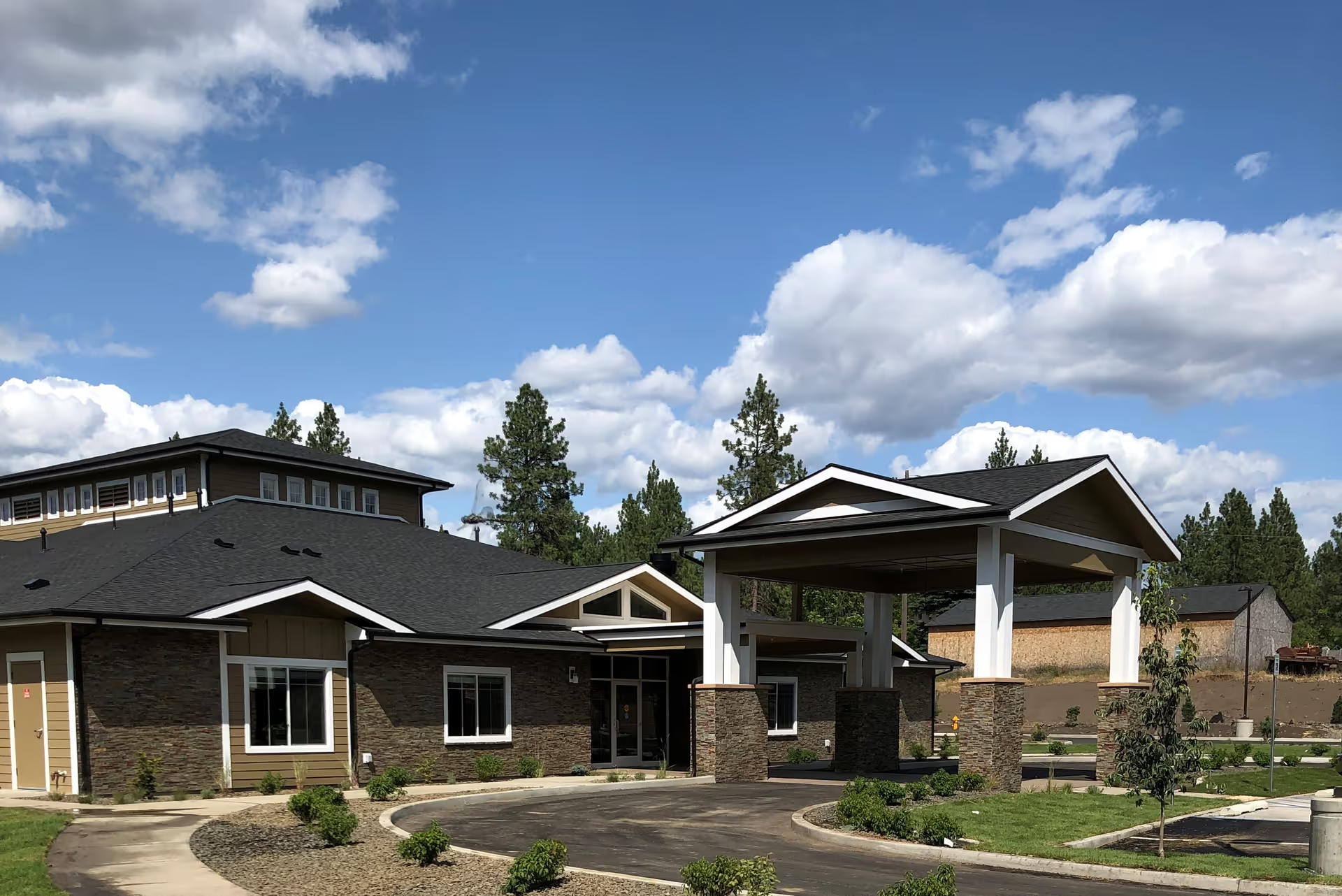
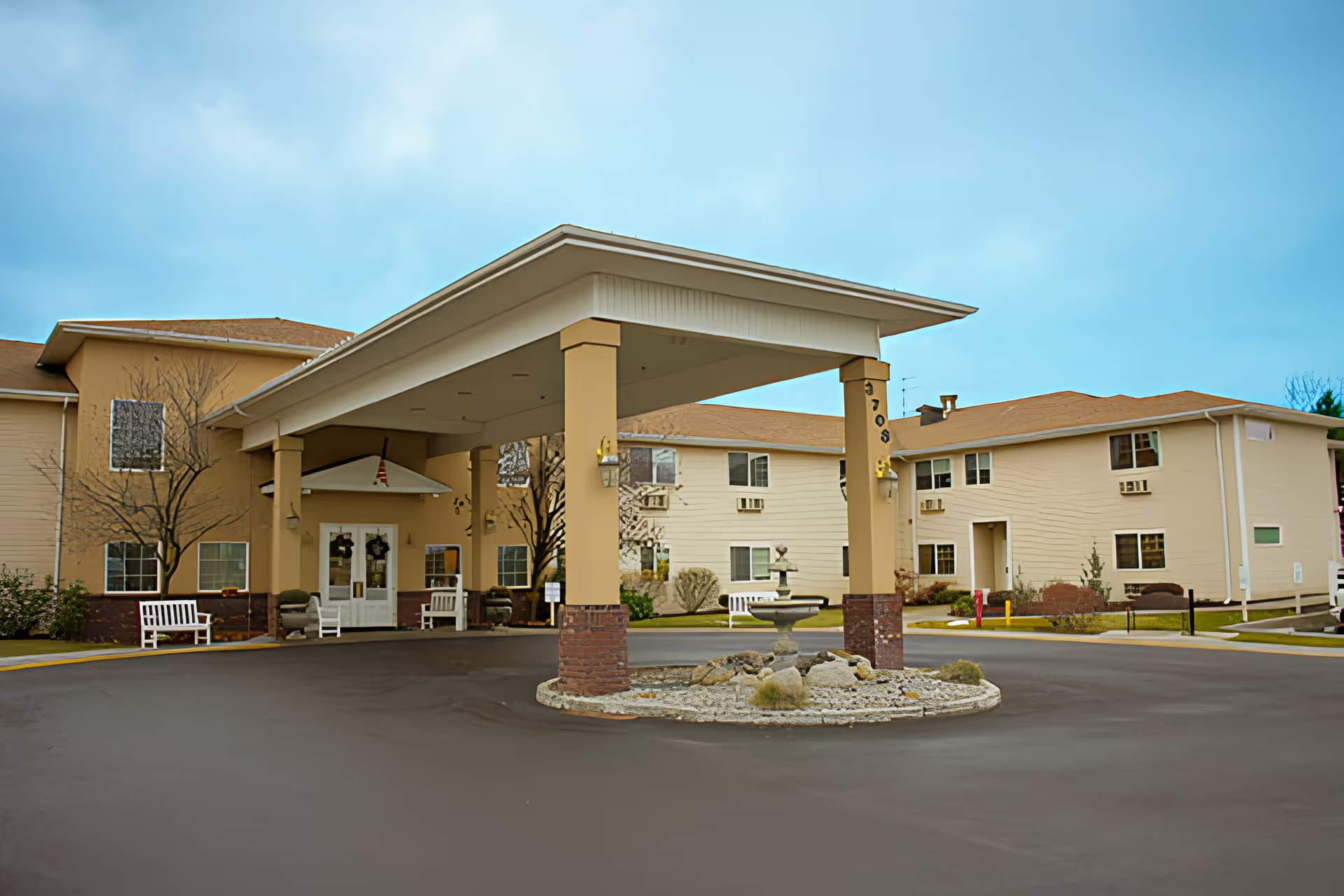
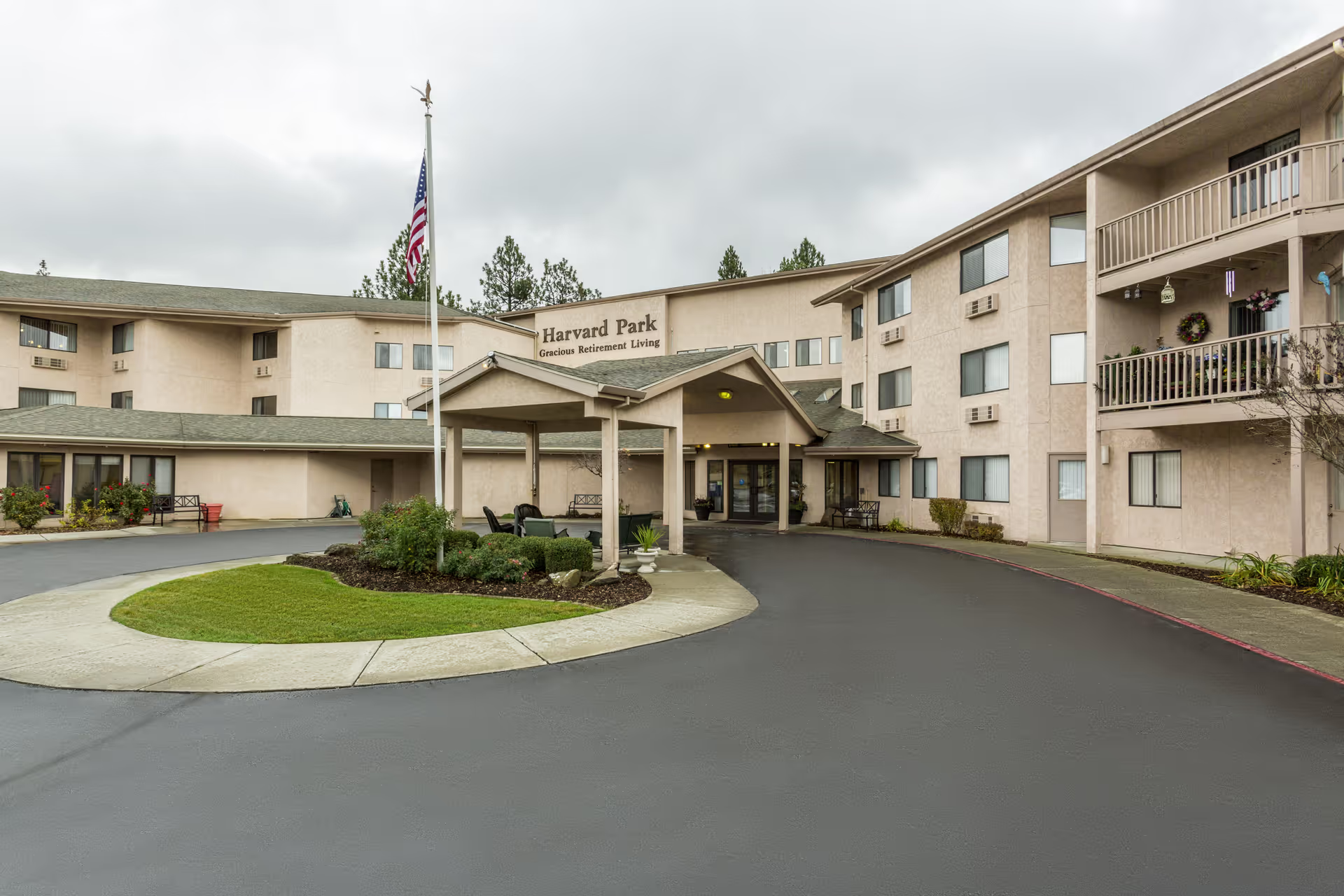
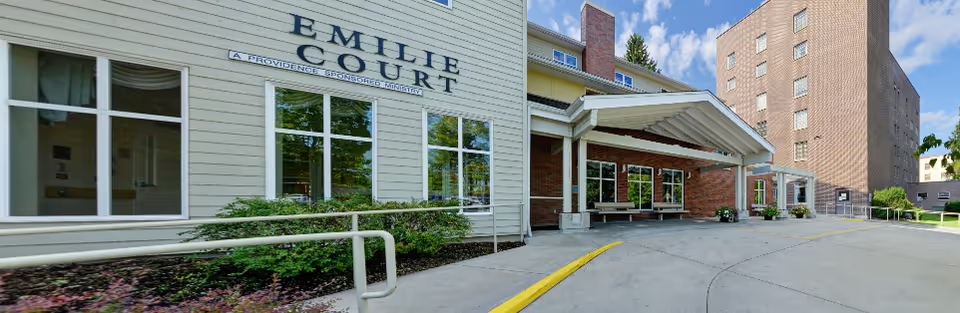
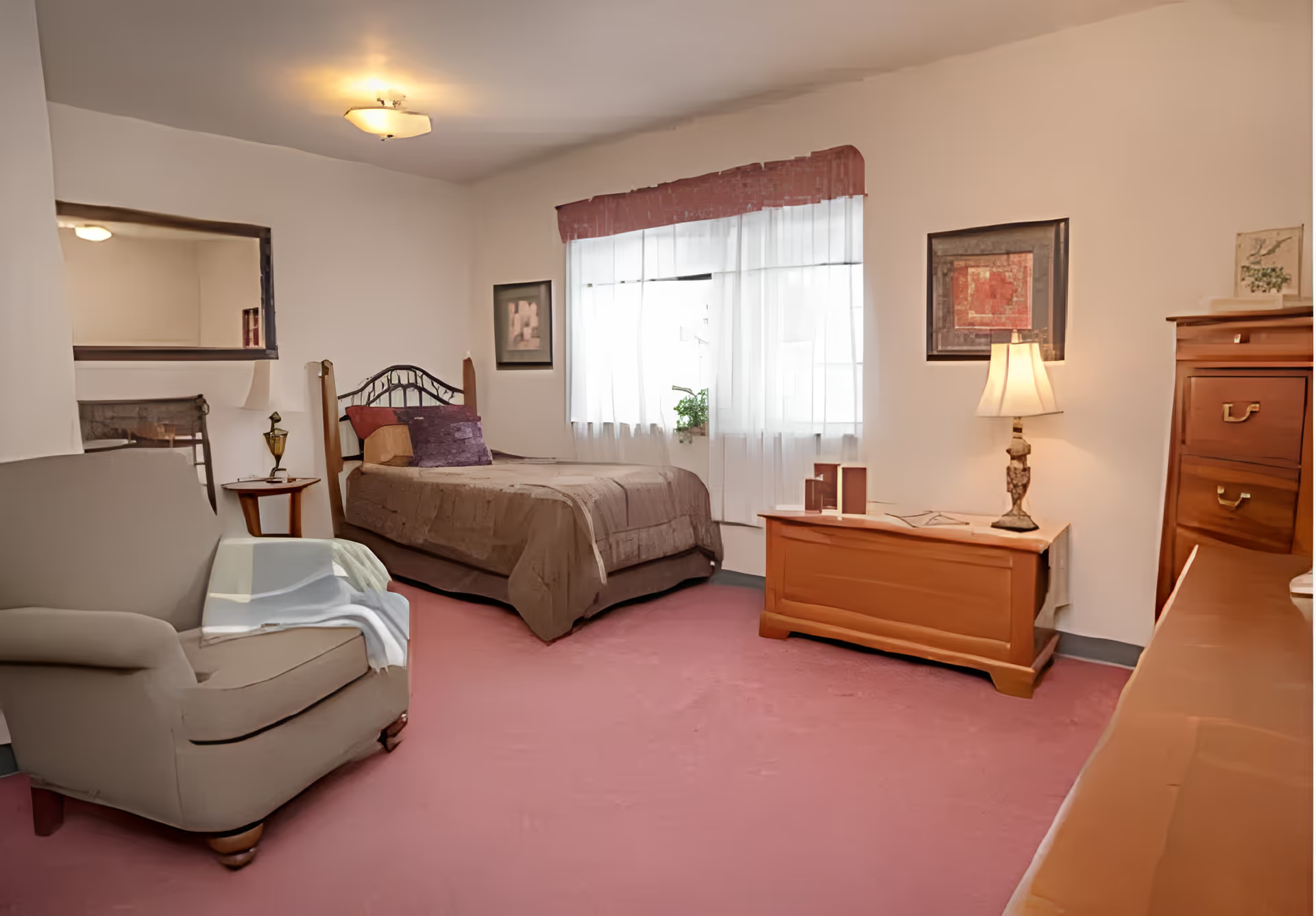
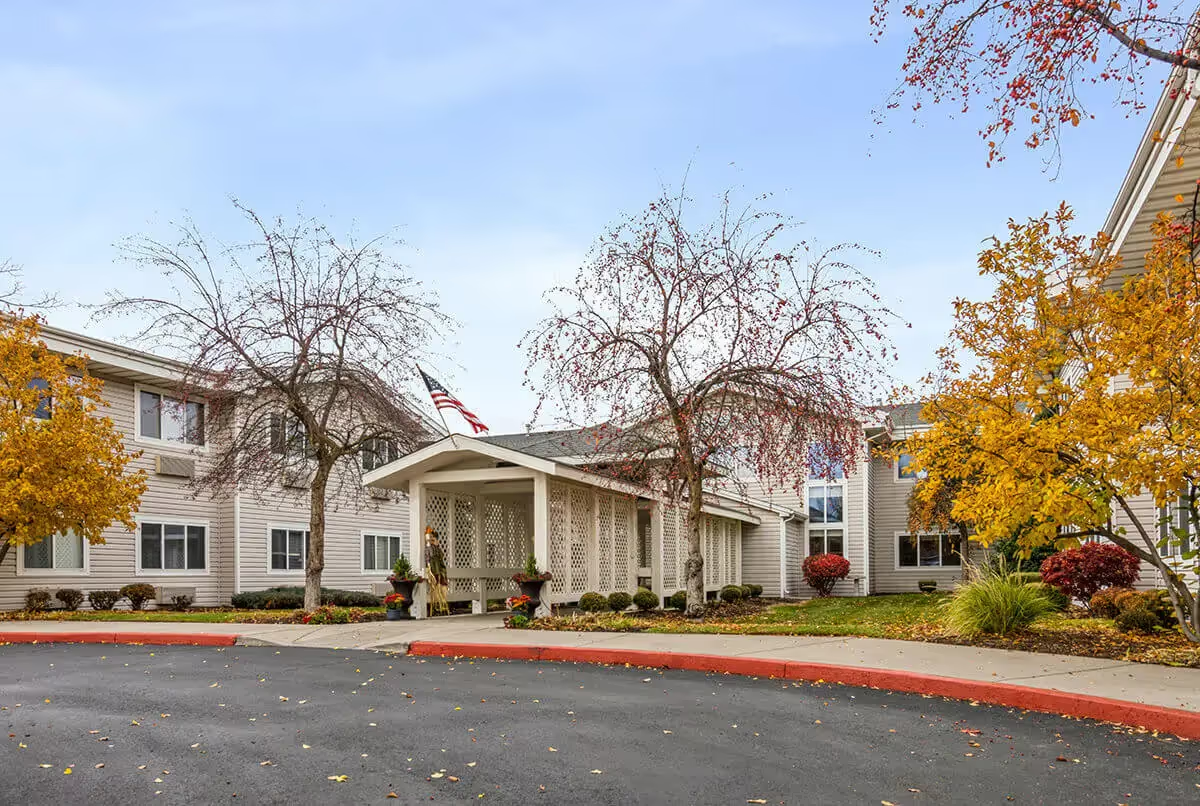
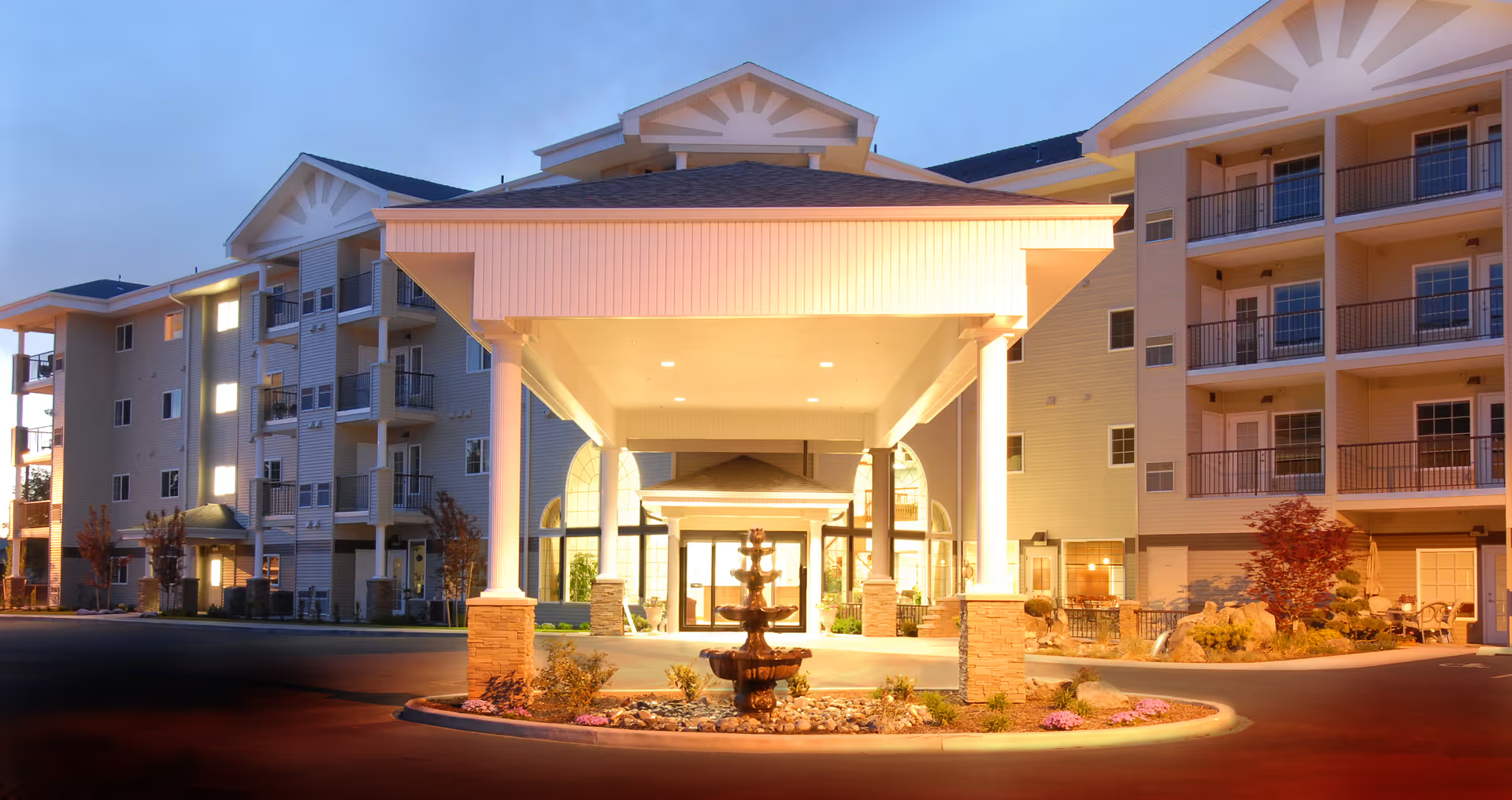
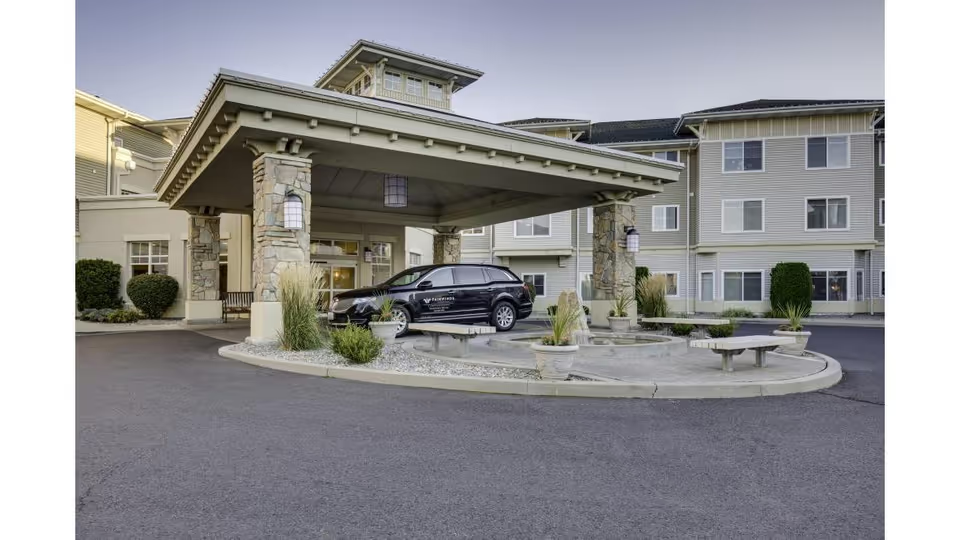
Affinity at South Hill elicits strongly mixed impressions. Many commenters describe attractive, modern living spaces and a broad set of common-area amenities — a theater, library, pool and jacuzzi, woodworking shop, and regular recreational offerings — that support an engaged, social environment. Several reviewers emphasize resident-led activities, potlucks, craft groups, and water/aerobic classes as ongoing strengths. In-unit features such as cooking facilities, washer/dryer hookups, utilities-included billing, and scenic views contribute to a comfortable, apartment-like experience for some residents.
Direct-care staff receive frequent praise for friendliness, professionalism, and dependability. Multiple accounts characterize staff as pleasant and helpful in routine daily support and community events. At the same time, there are consistent concerns about how management-level decisions affect daily life: several reviewers describe changes after a management transition that coincide with service reductions, canceled programming, and perceived delays in responding to resident requests. These reports point to an operational inconsistency in managerial responsiveness rather than a uniformly positive or negative pattern.
Facility maintenance and housekeeping present a mixed picture. While many communal spaces and apartments are described as clean and modern, other comments highlight maintenance lapses and supply issues (for example, unstocked equipment, missing remotes, or poorly serviced printing/IT resources) and uneven sanitation in some common areas. These accounts suggest variability in day-to-day upkeep and inventory management for shared amenities.
Clinical care and safety perceptions are an important area of divergence. Some reviewers recall strong historical care, but others describe concerns about timeliness and adequacy of emergency response and staff support during incidents. Those concerns are best understood as potential gaps in emergency protocols, escalation pathways, and staff training/availability rather than as uniform practice across the community. Families should ask about current emergency procedures, staffing levels, and response expectations during a tour.
Programming and social life are notable assets when active: resident-organized events and scheduled community activities are cited as key contributors to quality of life. However, several accounts link reduced or canceled programming to recent management changes and to the absence of a dedicated social director. Prospective residents should confirm the current activity calendar and whether there is staff support or resident leadership sustaining events.
Practical considerations include the absence of a congregate meal program (residents rely on in-unit cooking or off-site dining), some smaller unit layouts and showers-only designs in parts of the building, and access limitations from the nearby highway. Communication and feedback-handling have been flagged as problematic by some individuals, including allegations related to how negative feedback is managed; visitors should evaluate the facility’s transparency, grievance process, and responsiveness to concerns.
In sum, Affinity at South Hill offers many features sought by independent living residents — attractive amenities, active social opportunities, and generally positive frontline staff interactions — but also displays variability in management responsiveness, maintenance consistency, programming continuity, and emergency-readiness. A direct tour, targeted questions about current leadership, staffing ratios, emergency protocols, maintenance workflows, and a review of the activity schedule will help determine whether the community’s present operations align with an individual resident’s priorities.