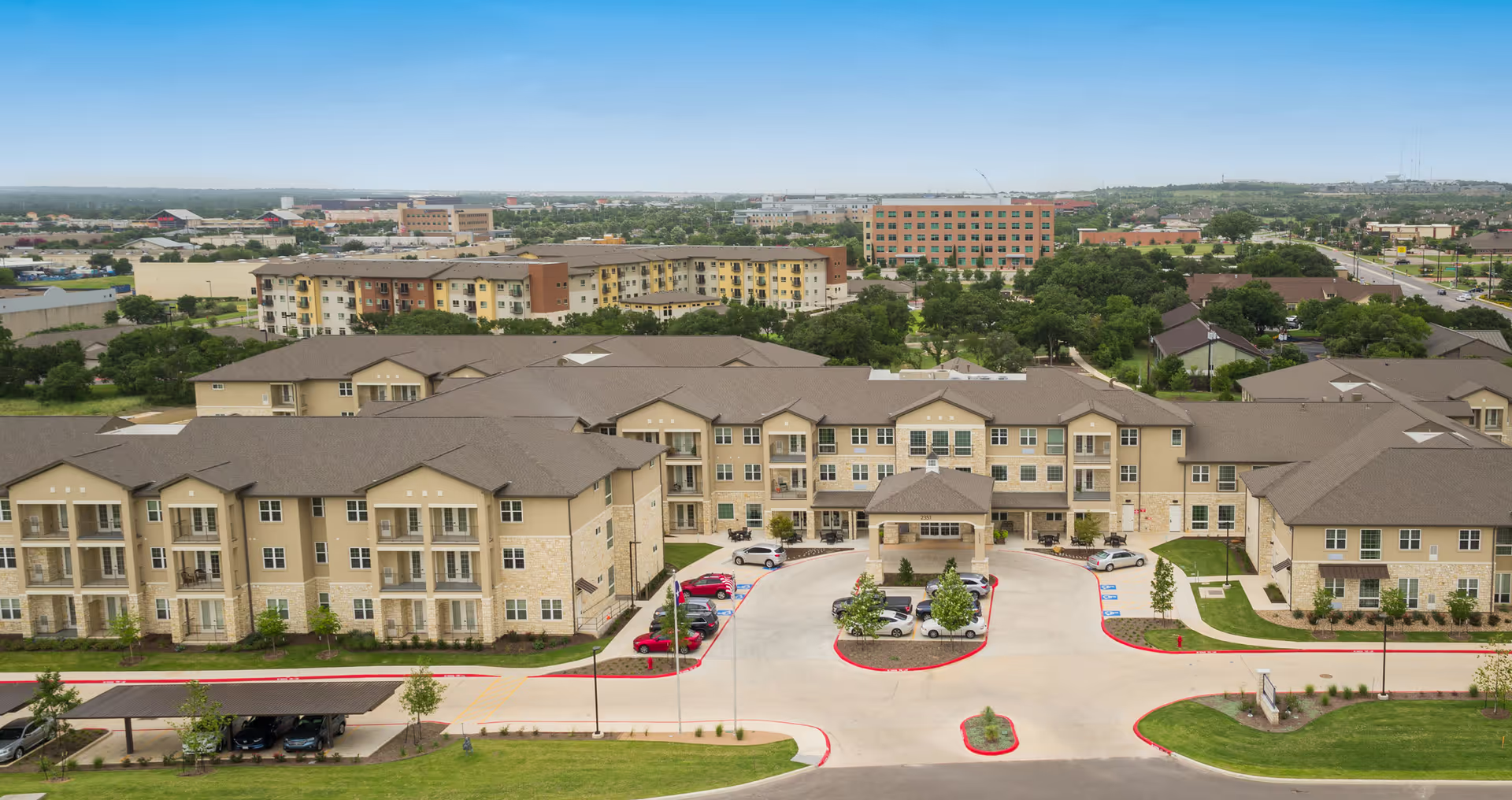
Overall impression: The Cottages at Chandler Creek is presented across reviews as a small, home-like memory-care community with a strong emphasis on dementia-specific programming and relationship-driven caregiving. Strengths repeatedly described include compassionate and long-tenured staff, a neighborhood/pod layout that shortens hallways and creates intimate common areas, and a secure, locked dementia environment designed for safety. Many families highlight the facility’s ability to accept and manage residents with complex or aggressive dementia behaviors and note that hospice and end-of-life services are delivered in a familiar setting.
Care and staff: Care quality is generally characterized as attentive and personalized. Reviewers emphasize hands-on caregiving, frequent staff–resident interaction, and staff who learn residents’ names and preferences. On-site clinical resources such as RNs, therapy services, and psychiatric consult access are cited, and the community is described as skilled at coordinating hospice and physician support when needed. However, staffing levels are inconsistent at times; turnover and occasional short-staffing — particularly on evenings/night shifts — are recurrent operational concerns that can affect responsiveness and family communication.
Dining: Dining is often framed as a strong point: an on-site kitchen with a chef produces home-style meals, generous portions, and family-style dining where staff sometimes eat with residents. Specific menu items and the sensory presence of cooking at the central kitchen are noted positively. That said, meal quality and menu variety are not uniformly praised — reviewers describe variability (from very good and flavorful to bland), and some families would like fresher produce or more consistent menu rotation.
Activities and social life: The community offers a broad activity program with music, live performances, Bible study, games (bingo, board games), crafts, exercise, and resident social groups. The small-house design and multiple family rooms appear to support frequent engagement and meaningful in-the-moment activities aligned with dementia-care approaches. Activity frequency and availability can vary by unit, and a few reviewers found limited programming in particular areas.
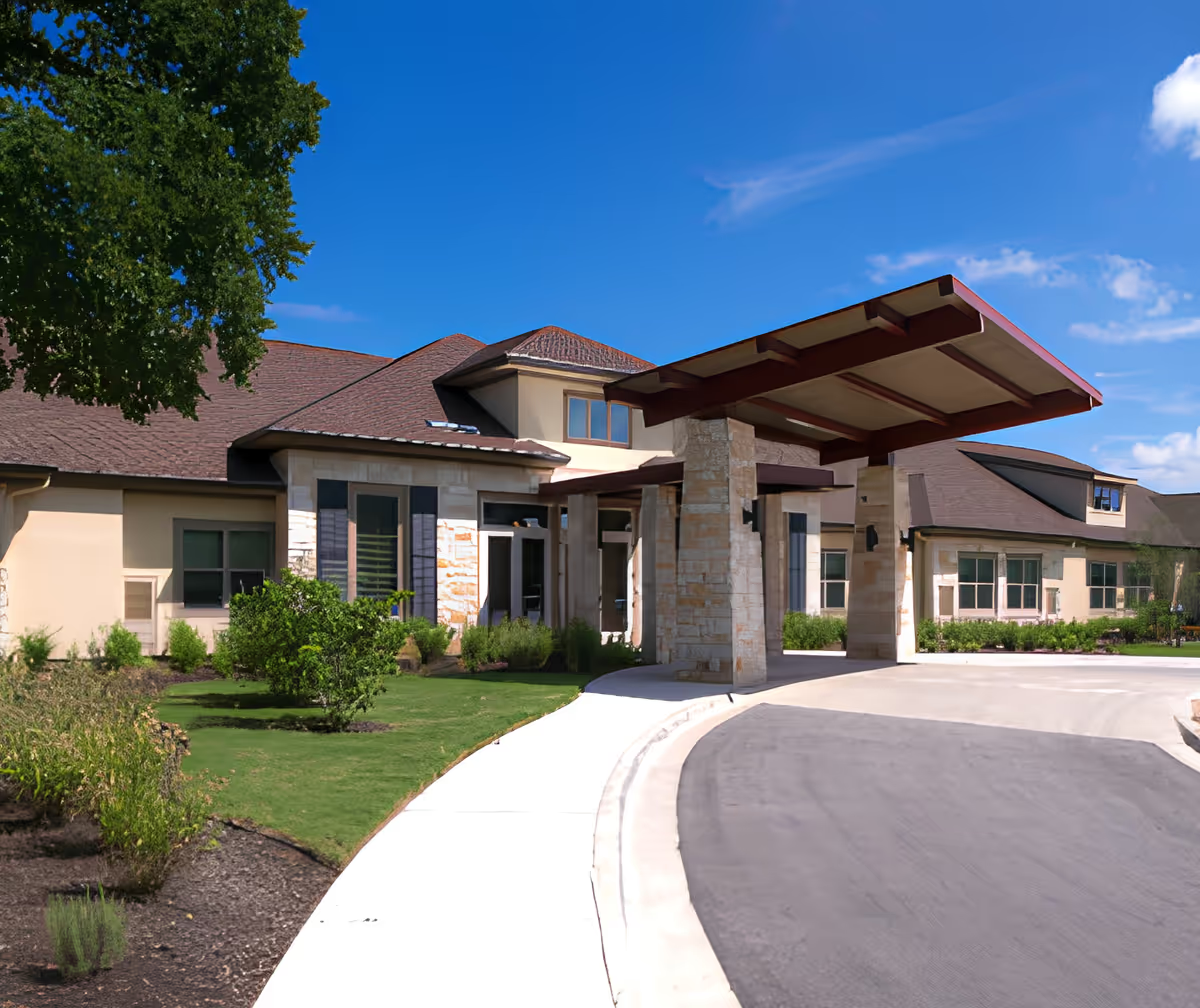
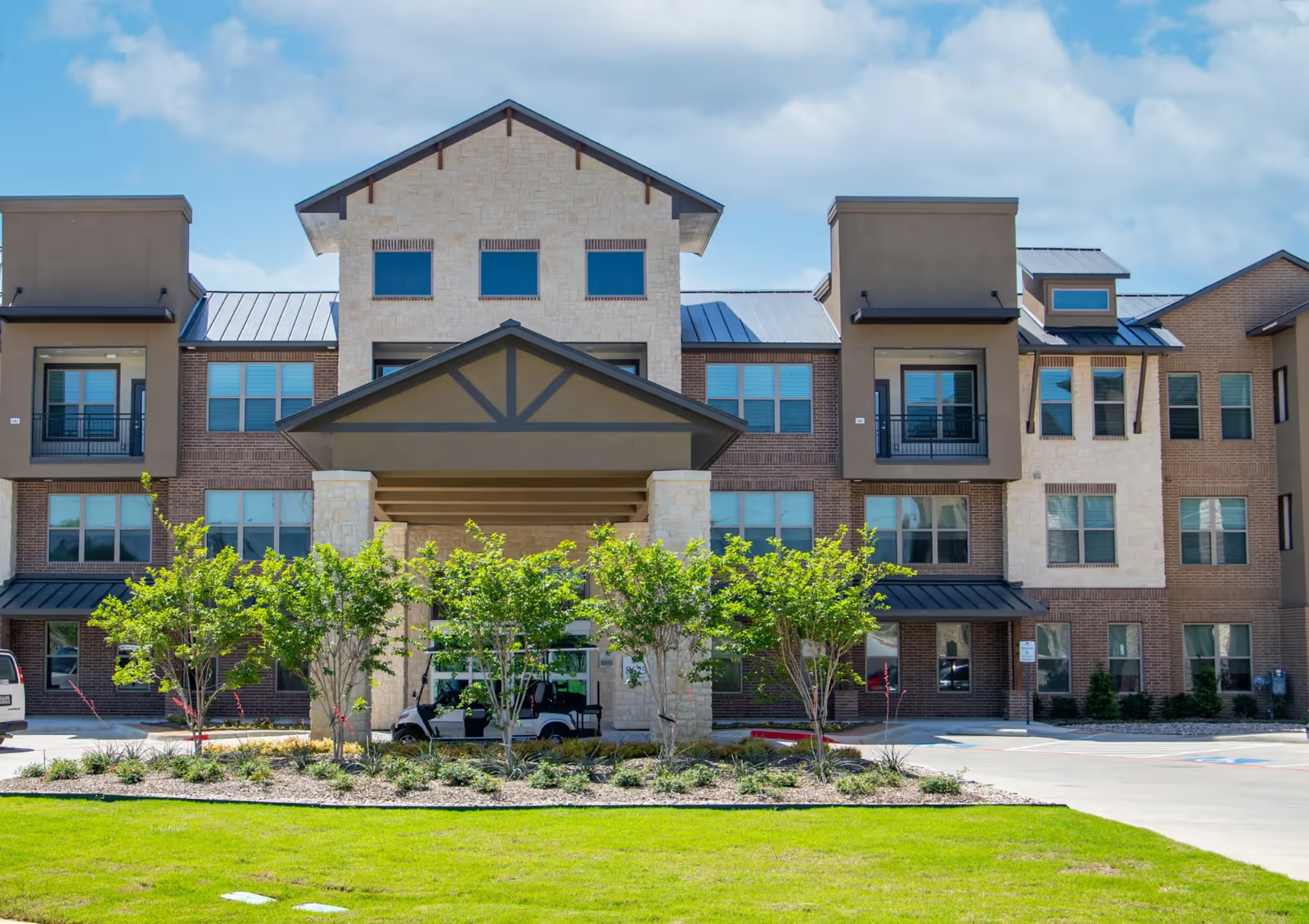
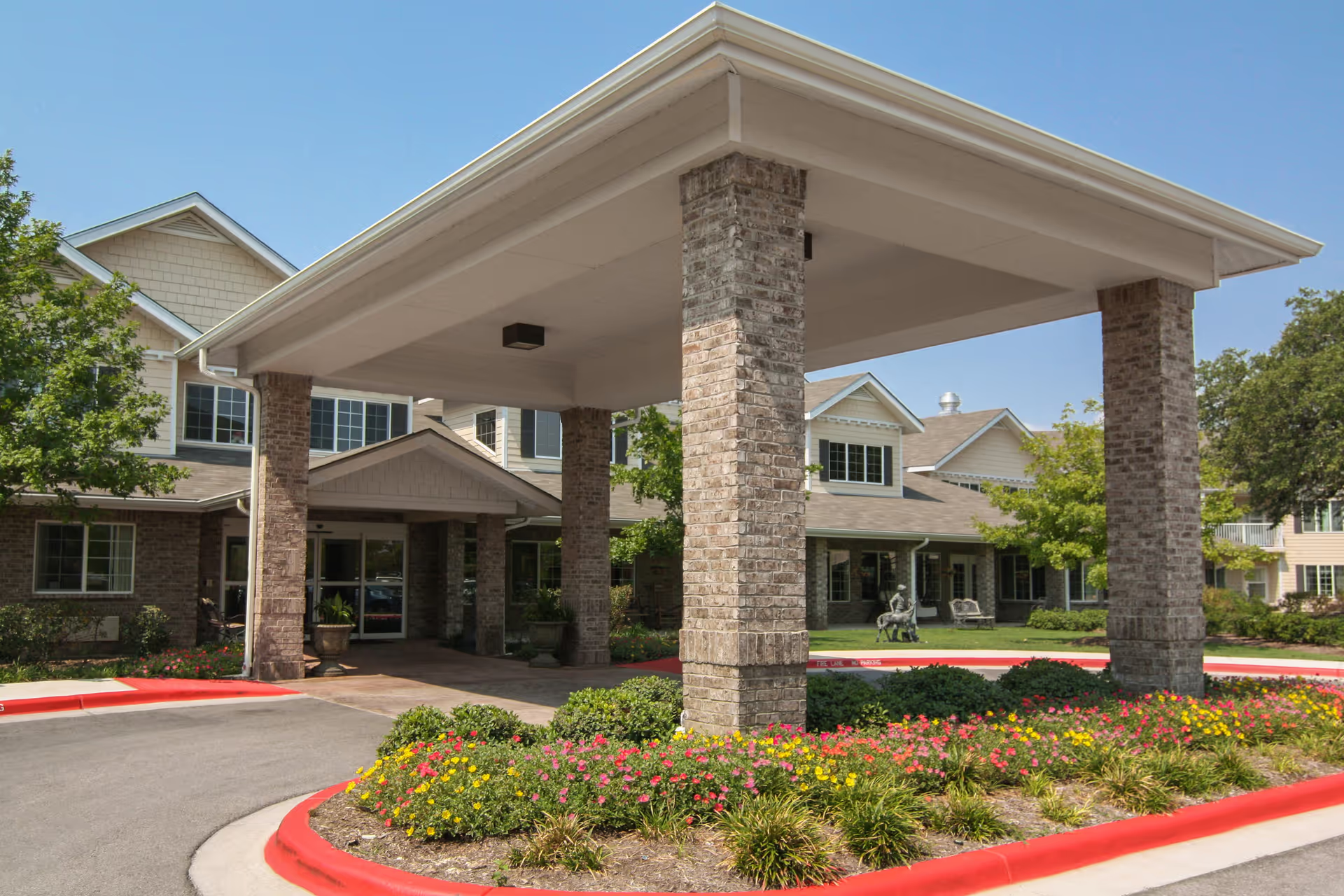
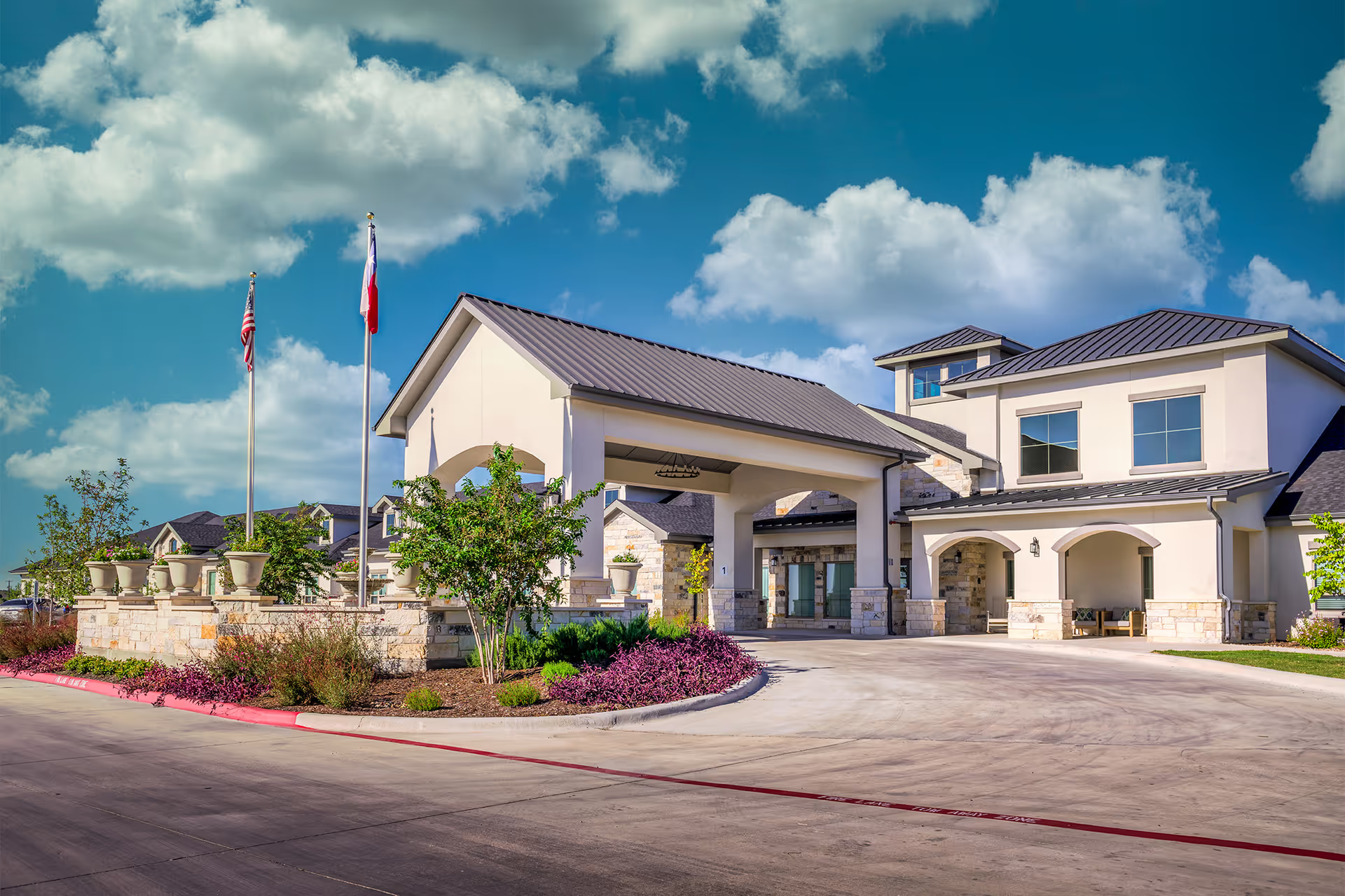
Facilities and environment: Physical features draw consistent praise: bright, clean cottages; interconnected family rooms; multiple dining areas; private rooms with showers and park views; enclosed courtyards, patios, and fenced porches. The layout (pods, short hallways, color-coded rooms) is described as dementia-friendly and calming. Some reviewers raised concerns about small room sizes and semi-private room arrangements in parts of the community, which can affect privacy and storage.
Management and operations: Admissions and move-in experiences are often described as smooth and accommodating, with quick placement when needed. Communication with nursing staff about health and medications is frequently commended. At the same time, there are recurring operational issues: administrative responsiveness is uneven for some families, with examples of billing and insurance follow-up problems and occasional maintenance follow-through delays. Night-shift communication variability and occasional language-barrier issues were also mentioned as operational gaps.
Costs and access: Pricing perceptions are mixed — several families describe reasonable, all-inclusive options, while others find the community expensive. The facility does not accept certain payment sources (notably some VA benefits), which may limit access for some residents.
Notable patterns and cautions for families: The dominant themes are strong dementia expertise, a family-like atmosphere, and engaged caregiving staff. Areas that prospective families should evaluate in person include current staffing stability (including evening/night coverage), day-to-day meal consistency, room size/privacy options, and administrative responsiveness (billing and maintenance follow-up). A small minority of reviewers described serious negative experiences, including allegations of poor value or inadequate care; these appear episodic in the context of generally positive accounts but are important to investigate through direct questions, reference checks, and a tour focusing on staffing and operational controls.