Overall impression: Reviews are highly mixed, with a clear pattern of strong clinical strengths in rehabilitation and individualized caregiving alongside recurring operational and systems-level weaknesses. Many families and clinicians praised the therapy teams and named staff who provided attentive, compassionate bedside care; at the same time, recurring concerns about staffing, responsiveness, and facility operations appear across feedback.
Care quality and staff: The facility receives frequent positive comments for its physical and occupational therapy programs and for certain nurses, CNAs, and social-work/admissions personnel who provide highly supportive care. Multiple accounts describe measurable functional improvement and strong discharge outcomes when therapy is delivered as planned. However, there is notable variability in day-to-day nursing and aide responsiveness. Consistent themes include understaffing or high workloads, delayed medication administration, documentation gaps, and occasional lapses in safety practices (for example, missing transfer equipment, bed rails, or grab bars). These operational gaps are linked in several accounts to adverse events or emergency transfers.
Dining and dietary accommodations: Opinions on meals are polarized. Some reviewers praised appetizing, varied meals and the addition of an on-site café, while many others described cold or unappealing entrees, inconsistent portioning, and failures to honor special diets (gluten-free, diabetic, allergy accommodations). Families should expect variability in meal service and confirm dietary protocols before admission.
Activities and social programming: The facility offers an active calendar that includes music, outings, and therapeutic activities; these programs are cited as meaningful contributors to resident engagement and morale. Pandemic-related restrictions reduced group programming at times, and a few accounts describe limited social interaction in certain units, suggesting that activity access may depend on staffing and unit-level scheduling.
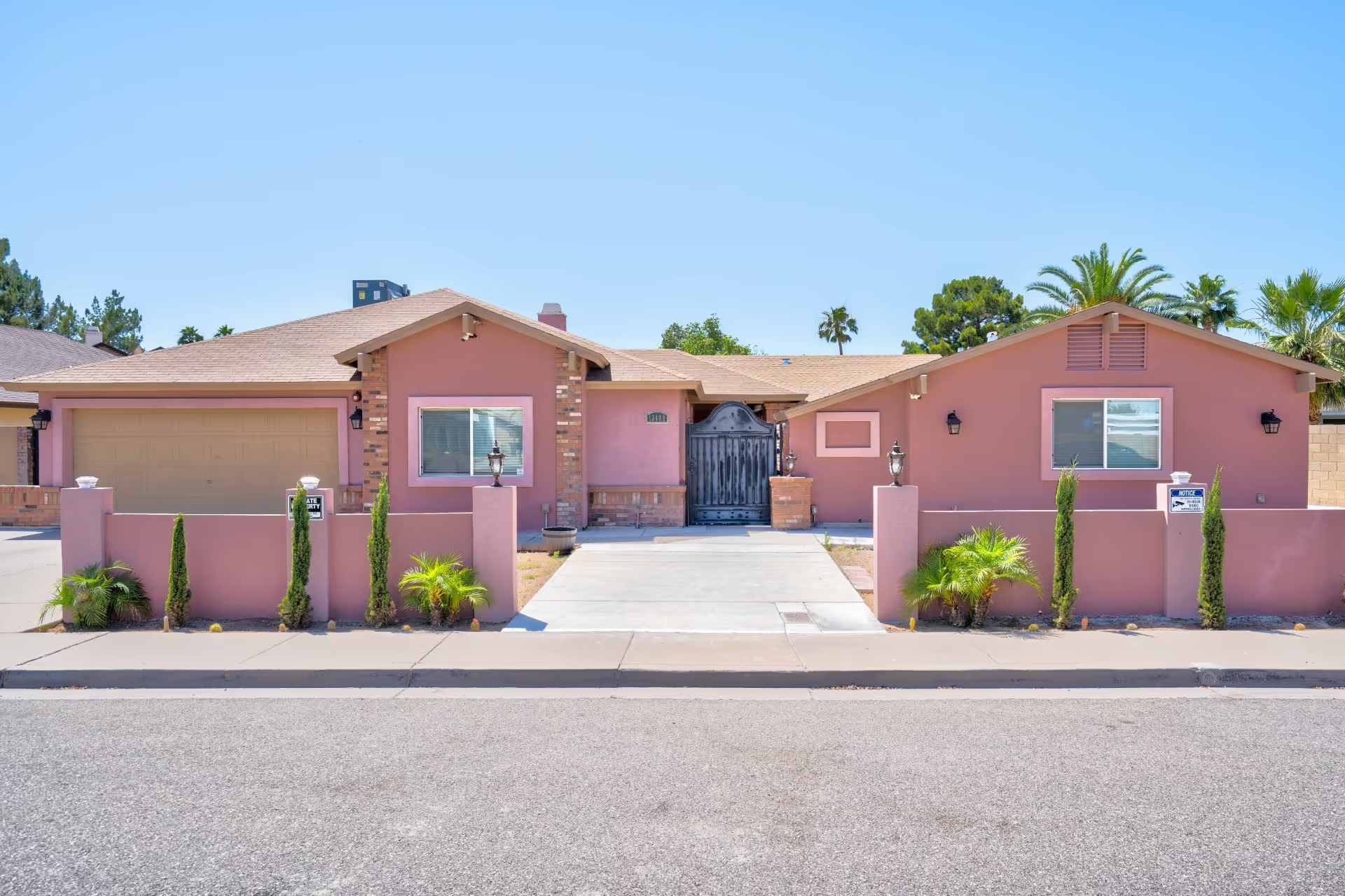
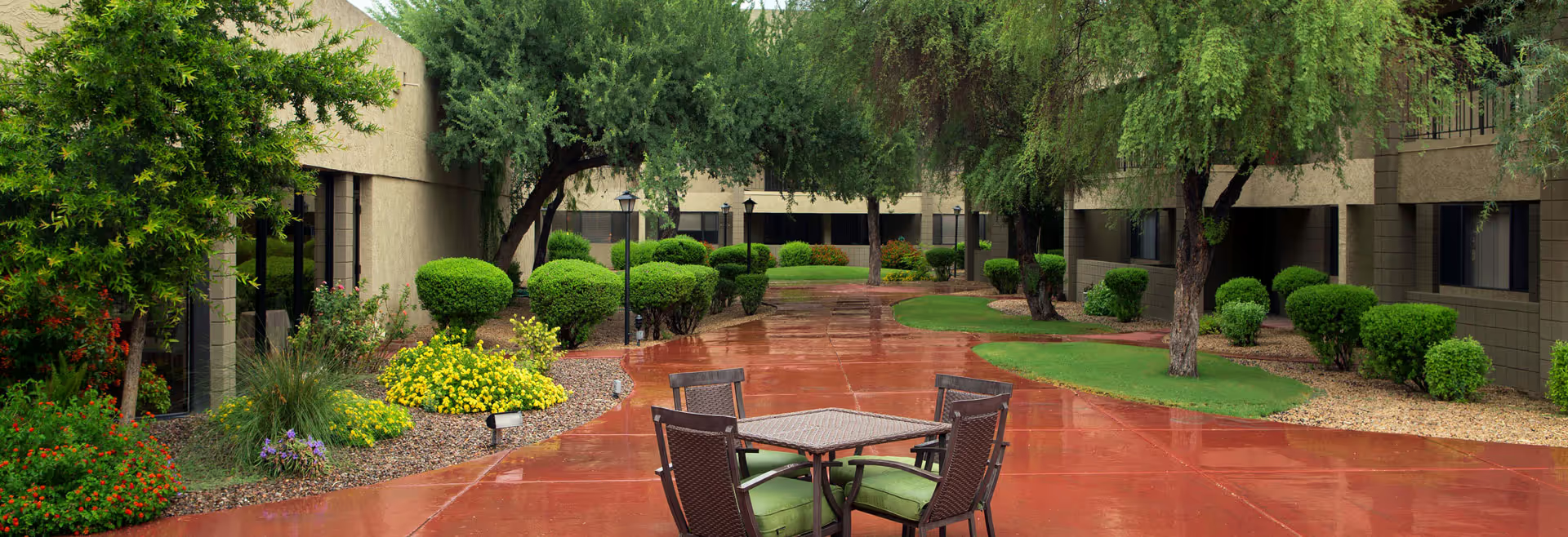
Facilities and environment: The campus and some rooms are described as clean, with pleasant outdoor spaces and a generally peaceful neighborhood setting. At the same time, reviewers reported aging infrastructure, delays in maintenance, isolated sanitation and pest-control concerns, and odor issues in particular areas. Room size and layout vary; some rooms are cramped or not wheelchair-accessible, while renovated units and larger rooms received positive comments.
Management, communication, and patterns: Admissions and several administrative staff members receive repeated praise for helpfulness and clear onboarding. Conversely, many families reported difficulty reaching clinical or managerial staff, poor discharge communication, transport coordination failures, and billing disputes. There are also isolated but serious allegations regarding theft and financial-handling disputes; such claims warrant direct verification with facility management and, if needed, regulatory inquiry. A consistent pattern across reviews is variability by unit and by individual staff members — strong, effective care is possible, but it is not uniformly experienced.
What prospective families should know: Expect strong rehabilitation capability and the possibility of very compassionate caregivers, while also preparing to ask pointed operational questions before admission. Recommended areas to confirm on tour or in contract discussions include current staffing ratios, medication-administration and documentation practices, dietary-accommodation procedures, transfer/discharge logistics, infection-control and visitation policies, and pest-control/maintenance schedules. Observing a mealtime and speaking with therapy and nursing leadership about a specific care plan can help set expectations and identify potential risks early.