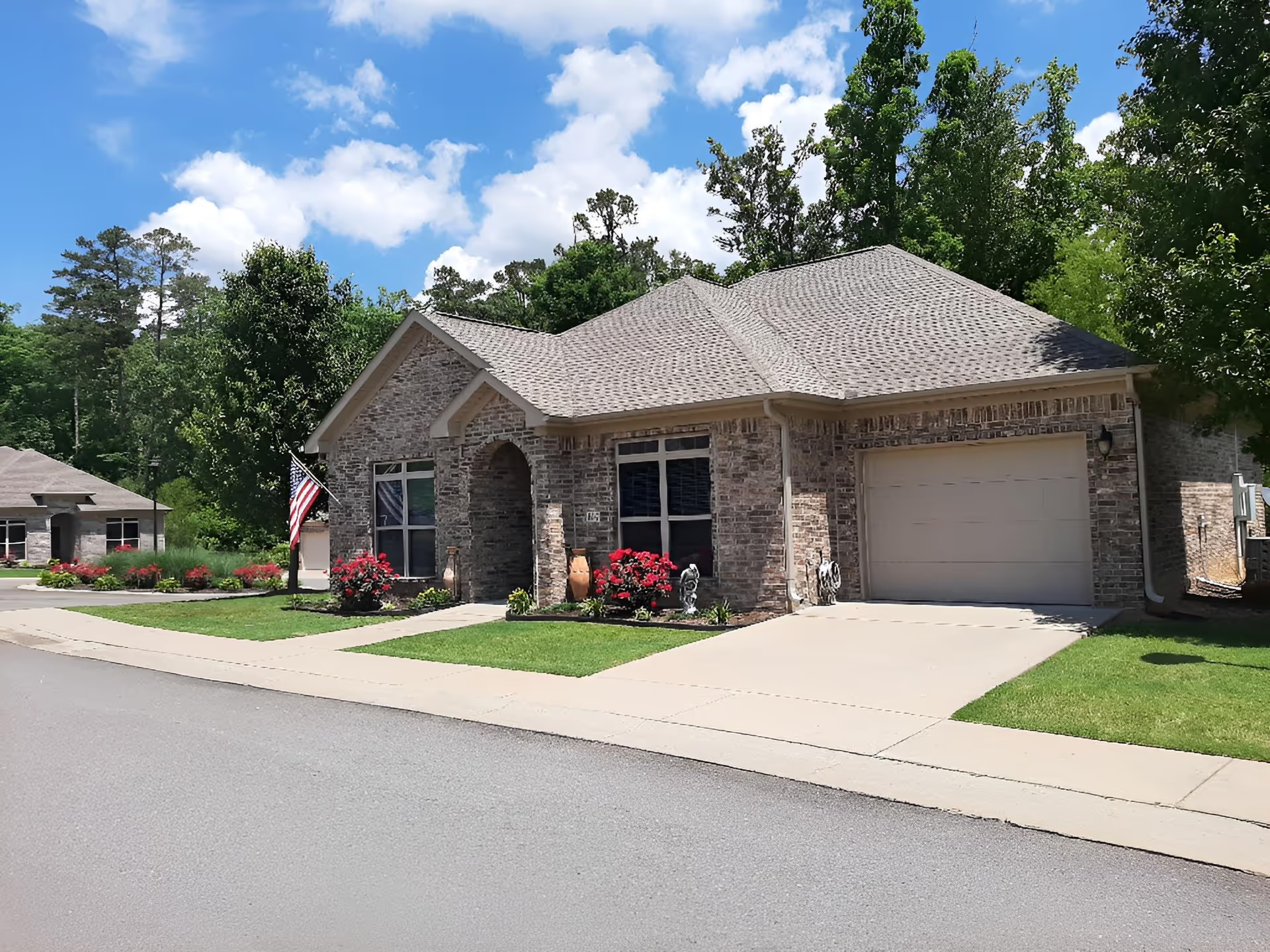
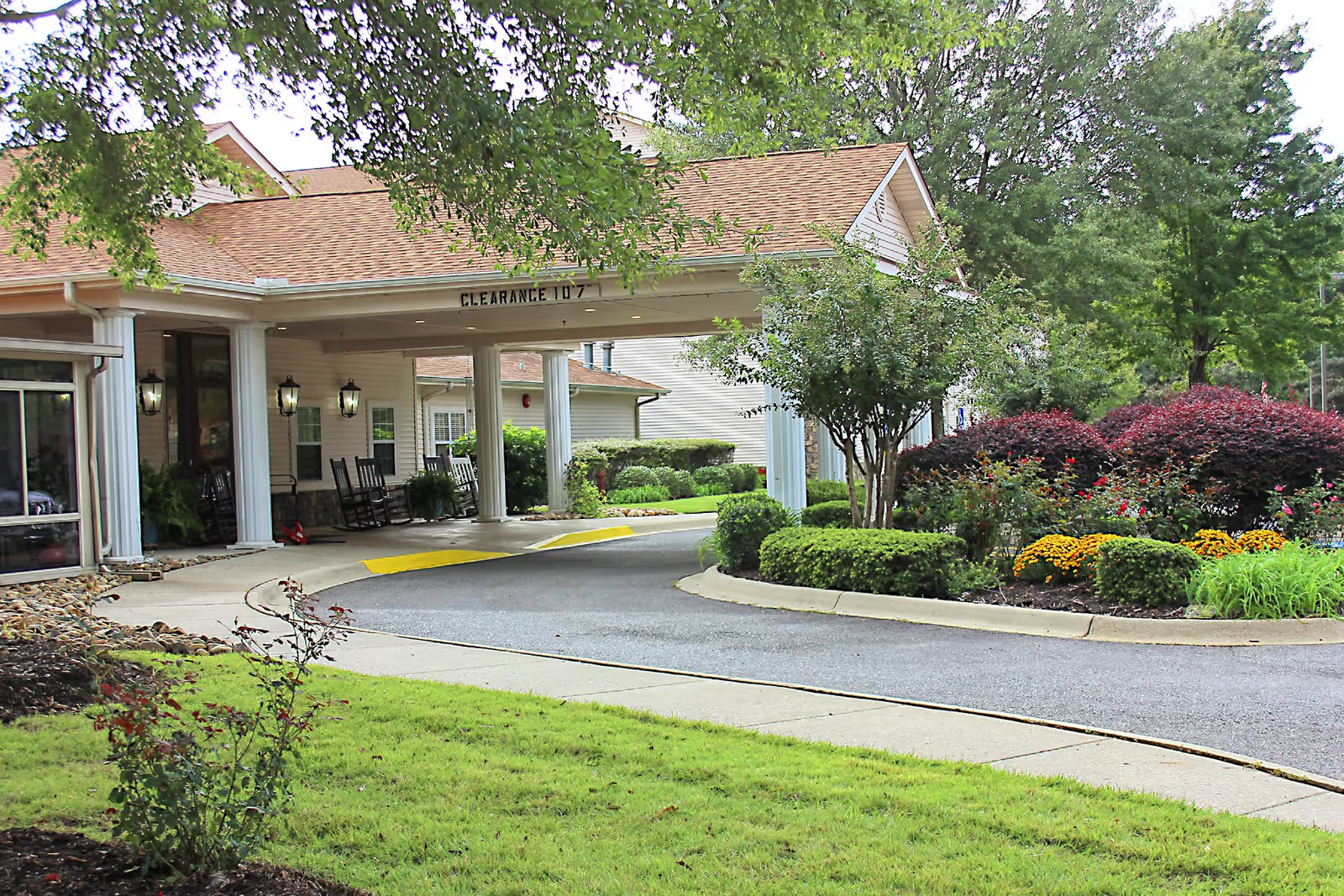
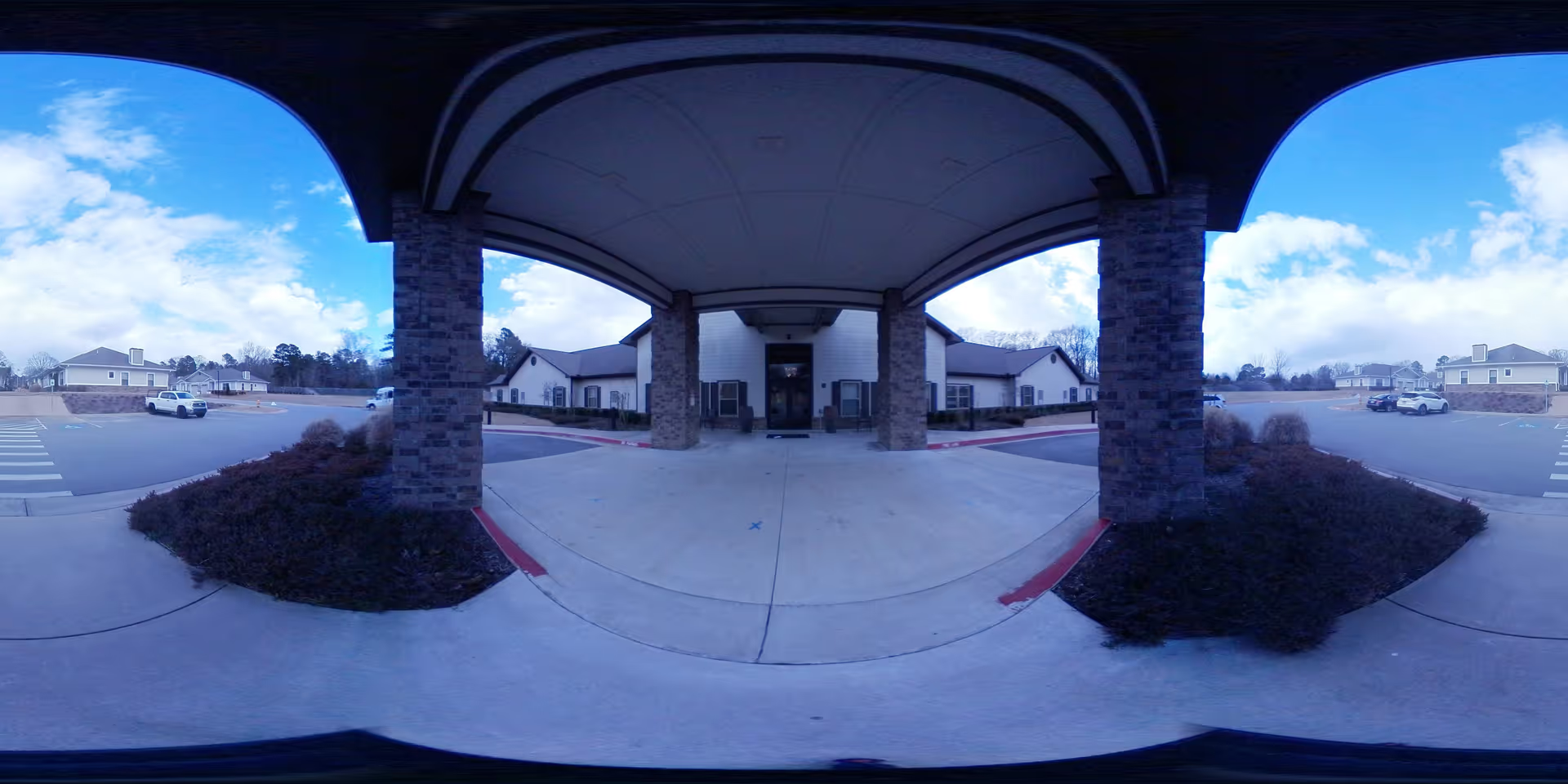
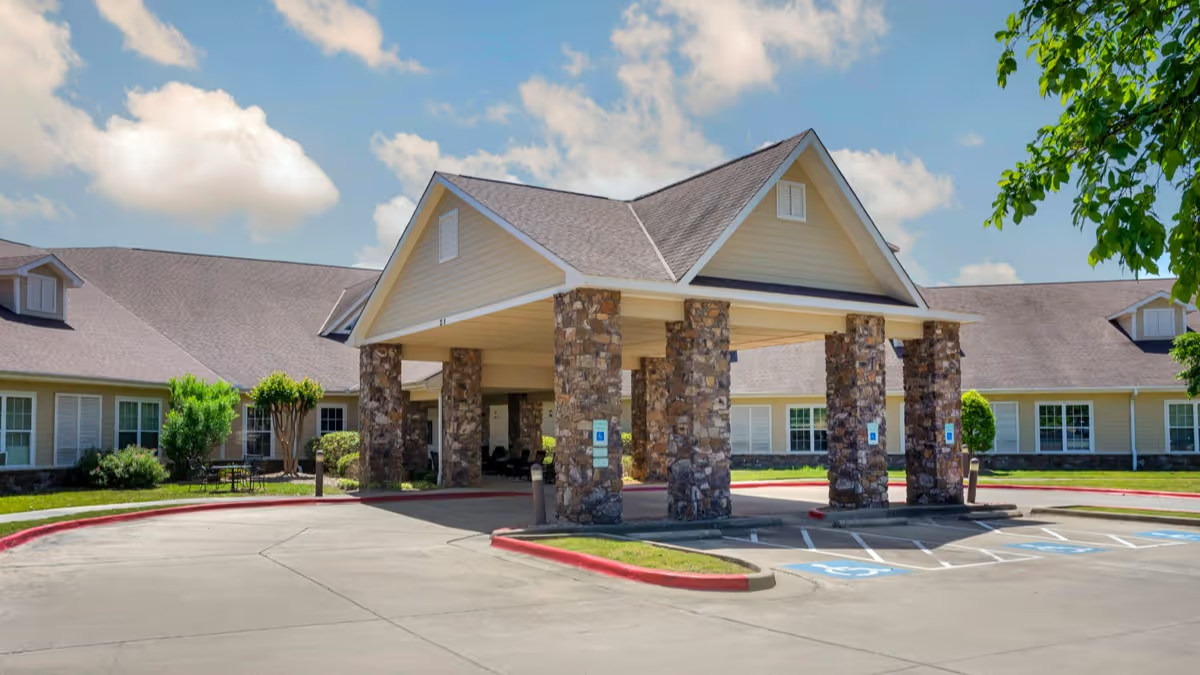
Overall impression The facility presents a dichotomous picture: the physical environment is described positively — clean, odor-free, and well-maintained — while multiple operational and clinical concerns recur across narratives. These concerns relate primarily to clinical care processes, staff responsiveness and conduct, family communication, and access to community and outdoor spaces. Several families expressed that these operational weaknesses eroded trust in the facility's ability to deliver safe, person-centered care.
Care quality and clinical processes Reviews indicate inconsistencies in basic clinical care and safety practices. Infection-control issues are a prominent theme, with references to organisms commonly associated with healthcare-associated infections. Medication-administration and monitoring processes, including anticoagulation management, were identified as areas of weakness. Nutrition and fluid management also emerged as a concern, including management of diabetes-related dietary needs and monitoring of hydration. Additionally, there are reports of fall-related injuries and subsequent functional or neurologic changes, which suggest gaps in transfer-safety and fall-prevention protocols.
Staff, communication, and family coordination Families reported difficulties with staff responsiveness and the tone of staff–family interactions, describing delays in addressing concerns and a general breakdown in trust. The facility's processes for working with legal decision-makers appear limited; guardianship or power-of-attorney disputes were resolved outside the facility in at least one account, and reviewers indicated that management did not effectively mediate family conflicts. There are also concerns about transparency and information-sharing for residents with cognitive impairment, which can amplify anxiety for families when decision-making is complex.
Dining, activities, and access to community Dining and nutrition management were singled out for inconsistency, particularly with regard to dietary oversight for residents with diabetes. Activity- and community-integration issues were also raised: reviewers cited restricted movement for some residents and limited access to outdoor areas or community engagement opportunities. Reports of physically restrictive practices in circulation areas suggest the need to review how the facility balances safety, autonomy, and social access.
Facilities, management, and value The facility's physical upkeep is a clear strength; however, reviewers questioned the alignment of cost and delivered care, describing the monthly expense as high relative to perceived clinical performance and family experience. Management practices that affect family trust — including communication, conflict resolution, and transparency — were highlighted as areas requiring improvement. Taken together, the pattern in the reviews suggests that prospective families should evaluate clinical oversight, infection-prevention protocols, medication and dietary management processes, and family-communication practices in person and via regulatory records before making placement decisions.