The reviews present a mixed but distinct pattern: many reviewers praise the direct-care staff and rehabilitation services, while others raise concerns about administration, communication, and the facility’s physical condition. Strengths cluster around hands-on caregiving and therapy outcomes, whereas weaknesses cluster around organizational and environmental factors that affect daily experience and family communication.
Care and staff: Multiple accounts emphasize compassionate, attentive caregivers and effective therapy teams. Several families and former residents described meaningful rehabilitation gains and staff who provide personalized attention—particularly in the facility’s dementia unit and cottage settings. At the same time, there are recurring concerns about inconsistent clinical-assessment practices and uneven training among nursing personnel. Reviewers describe both highly competent, knowledgeable staff and instances where responsiveness or professional tone was lacking; this suggests variability across units or shifts rather than uniformly excellent or poor clinical care.
Dining and activities: Dining receives generally positive remarks about food quality and palatability. There is limited specific information about activities programming beyond the cottage environment being described as homelike and supportive. Prospective residents interested in short-term rehabilitation or memory-care should find the therapy and dining offerings reassuring, though families may wish to ask for current activity schedules and menu options during a tour.
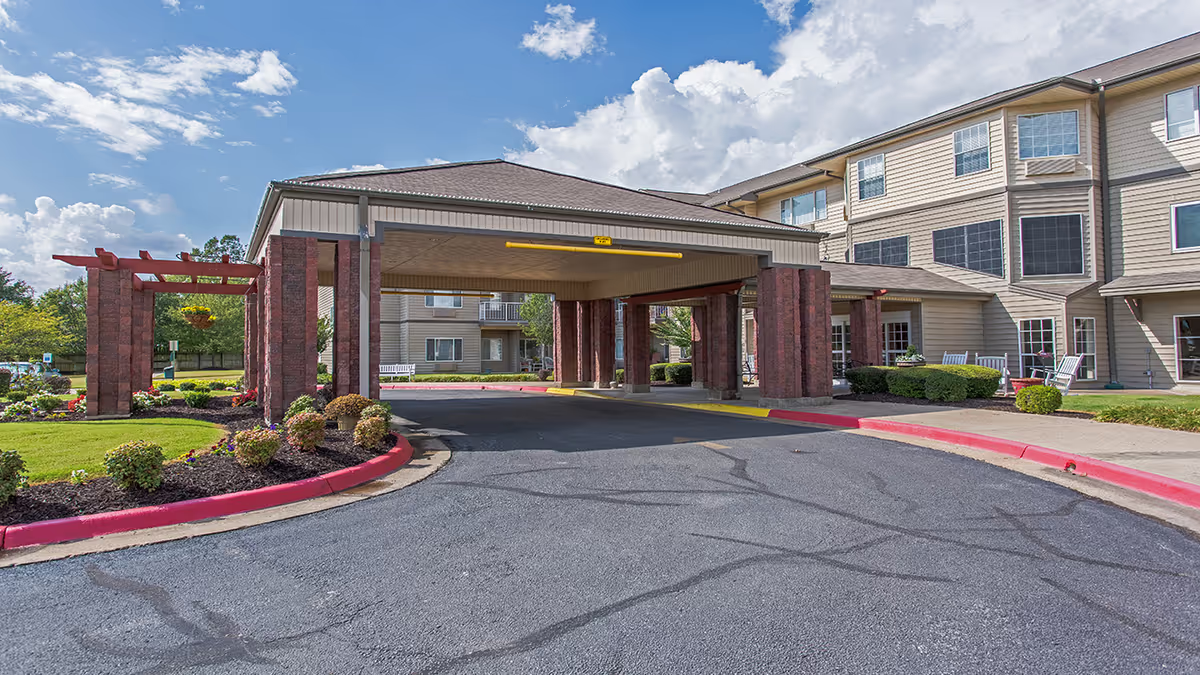
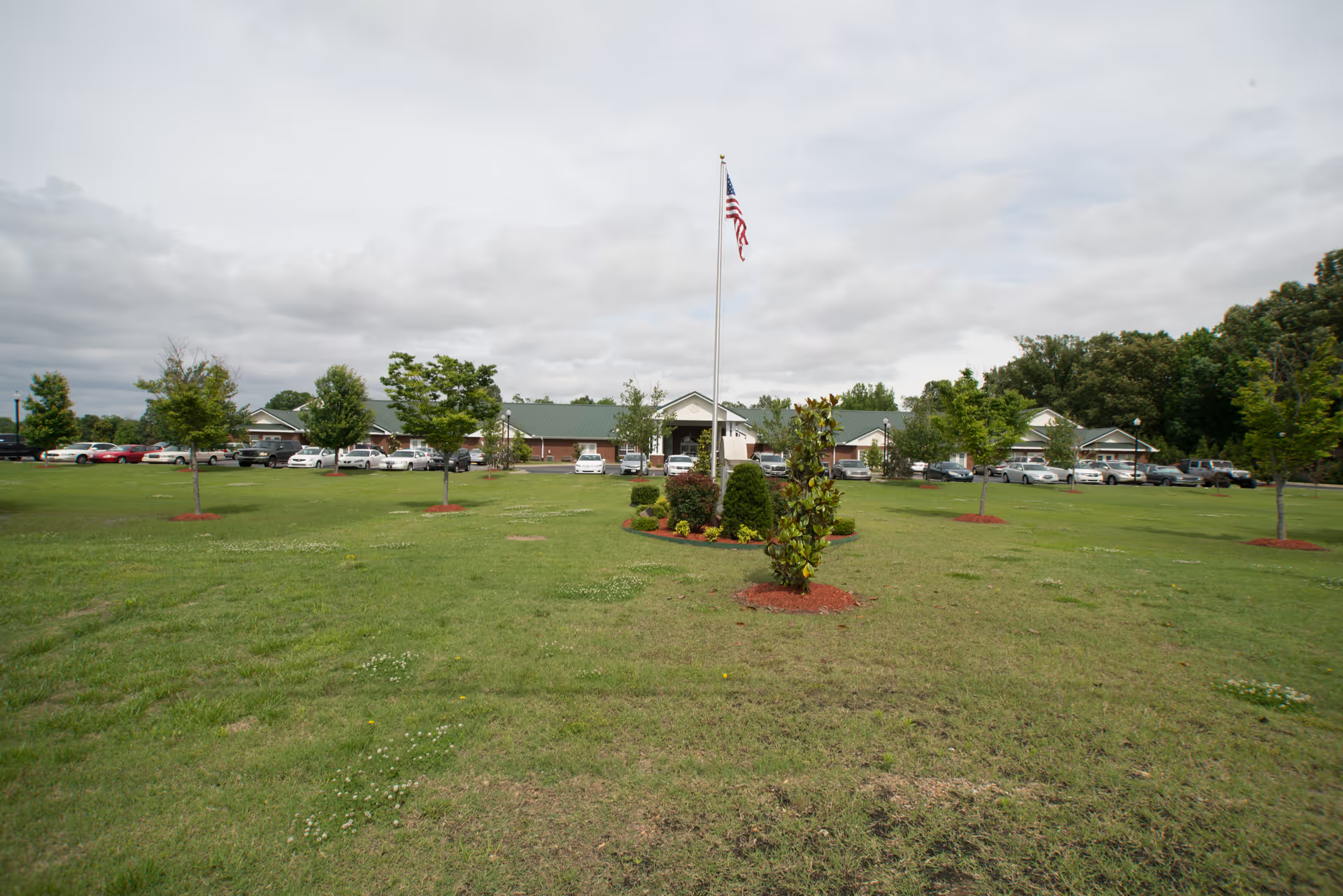
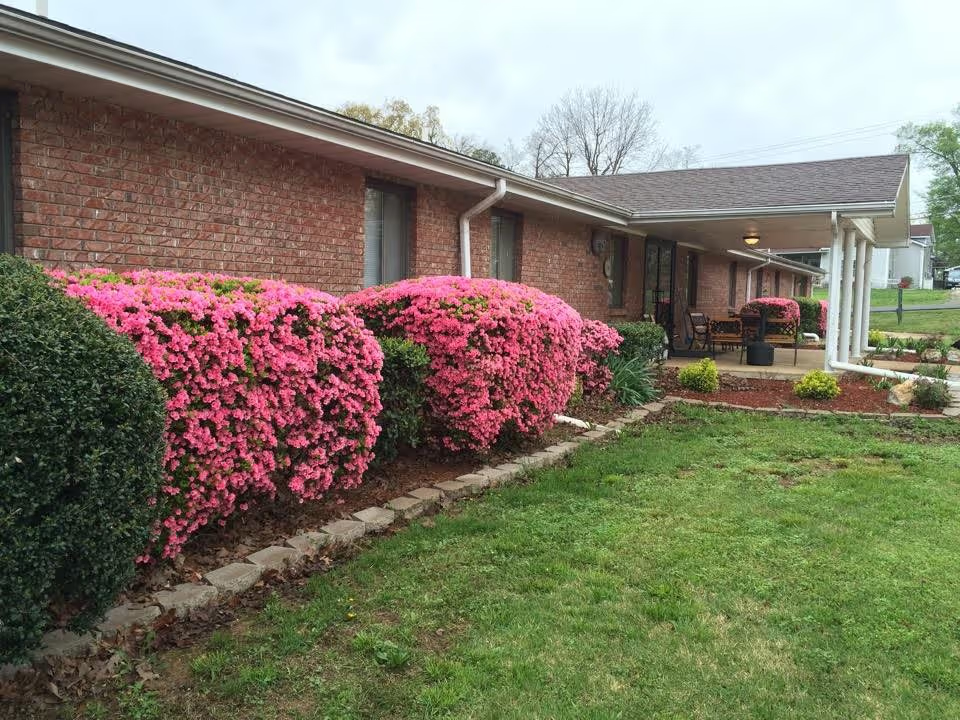
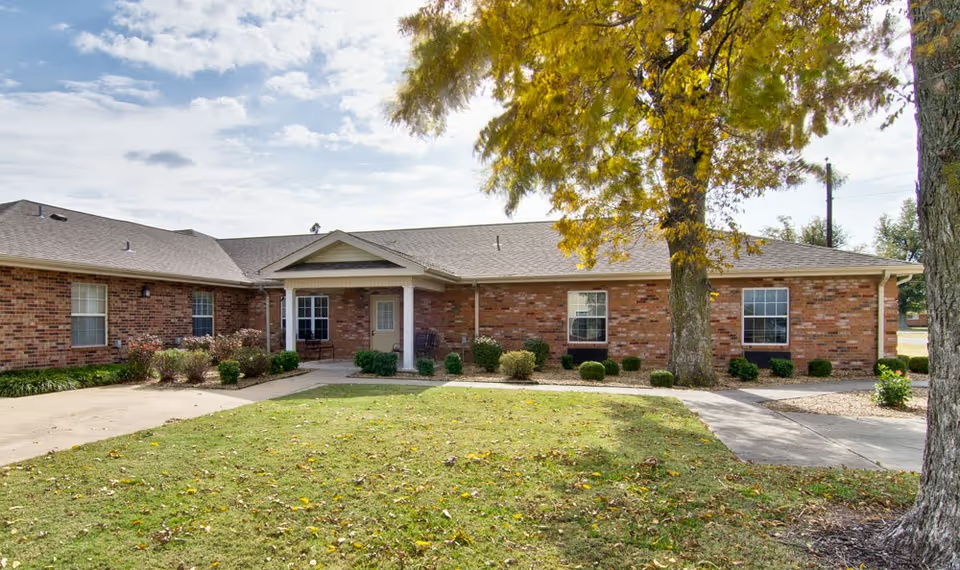
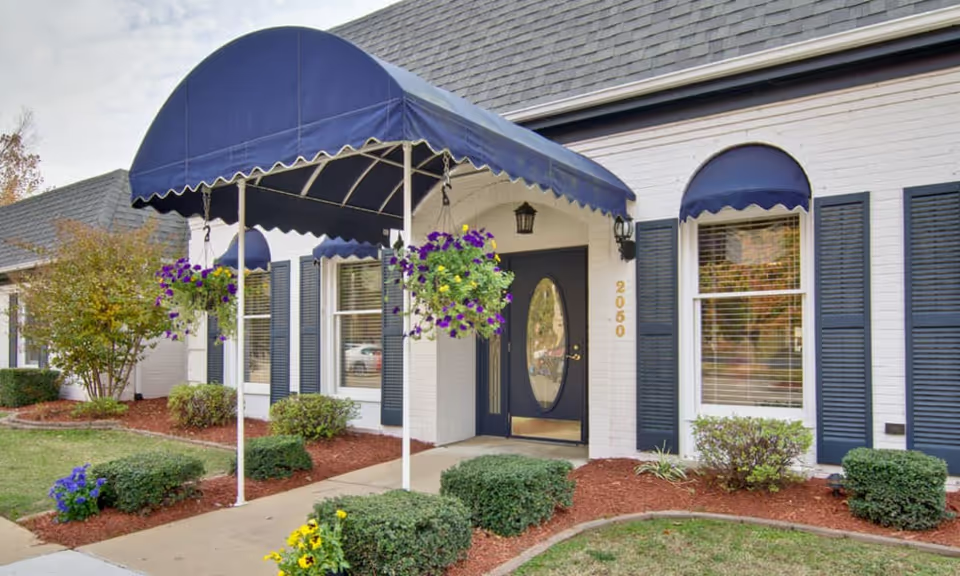
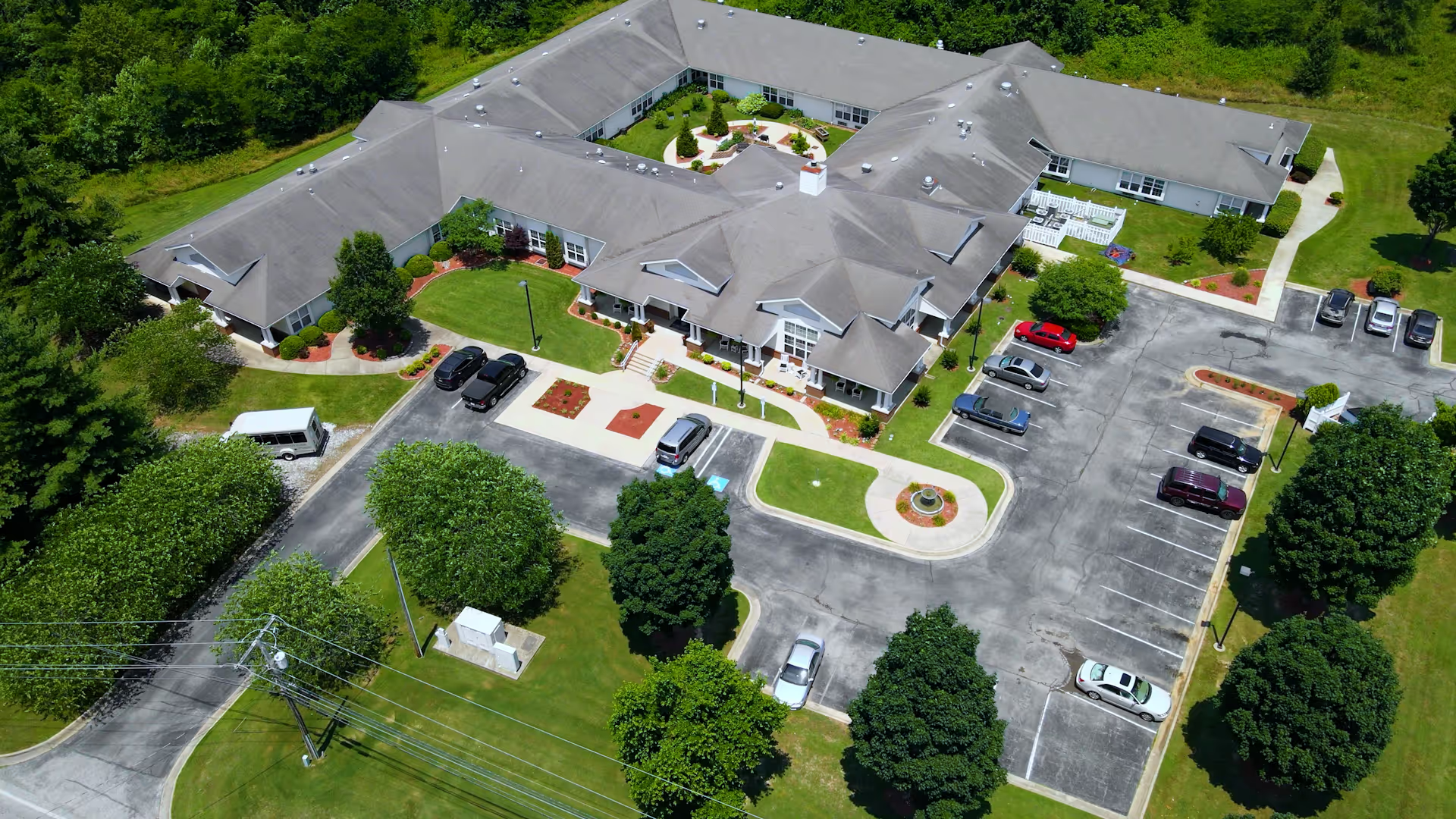
Facilities and privacy: Physical-condition concerns appear repeatedly. Descriptions point to worn or outdated furnishings and an environment that some described as institutional in certain areas. Privacy and property-management issues were raised—specifically, room reassignment and access to residents’ belongings—indicating gaps in protocols for resident privacy and secure storage. The presence of private cottages and a dedicated dementia wing are positive counterpoints, but the overall environment seems uneven across the campus.
Management and communication: Administrative interaction and front-desk responsiveness are frequent themes. Some reviewers report helpful, compassionate management and reception staff, while others describe unfriendly or unresponsive reception, unreliable phone contact, and poor customer-service interactions. These operational weaknesses have a direct impact on family satisfaction and perception of oversight. Additionally, concerns about the tone of staff communication and occasional gaps in clinical testing or documentation suggest areas where policy reinforcement and staff training could improve consistency.
Notable patterns and decision points: The facility shows clear strengths in person-centered dementia care, therapy effectiveness, and some homelike cottage offerings. However, variability in administrative responsiveness, communication tone, facility upkeep, and privacy protocols are important considerations. Families and prospective residents should verify current staffing patterns, ask about clinical-assessment protocols and staff training, inspect living units for maintenance, and test phone/communication responsiveness during a visit. These targeted inquiries will help determine whether the facility’s strong caregiving elements align with acceptable operational consistency for a particular resident’s needs.