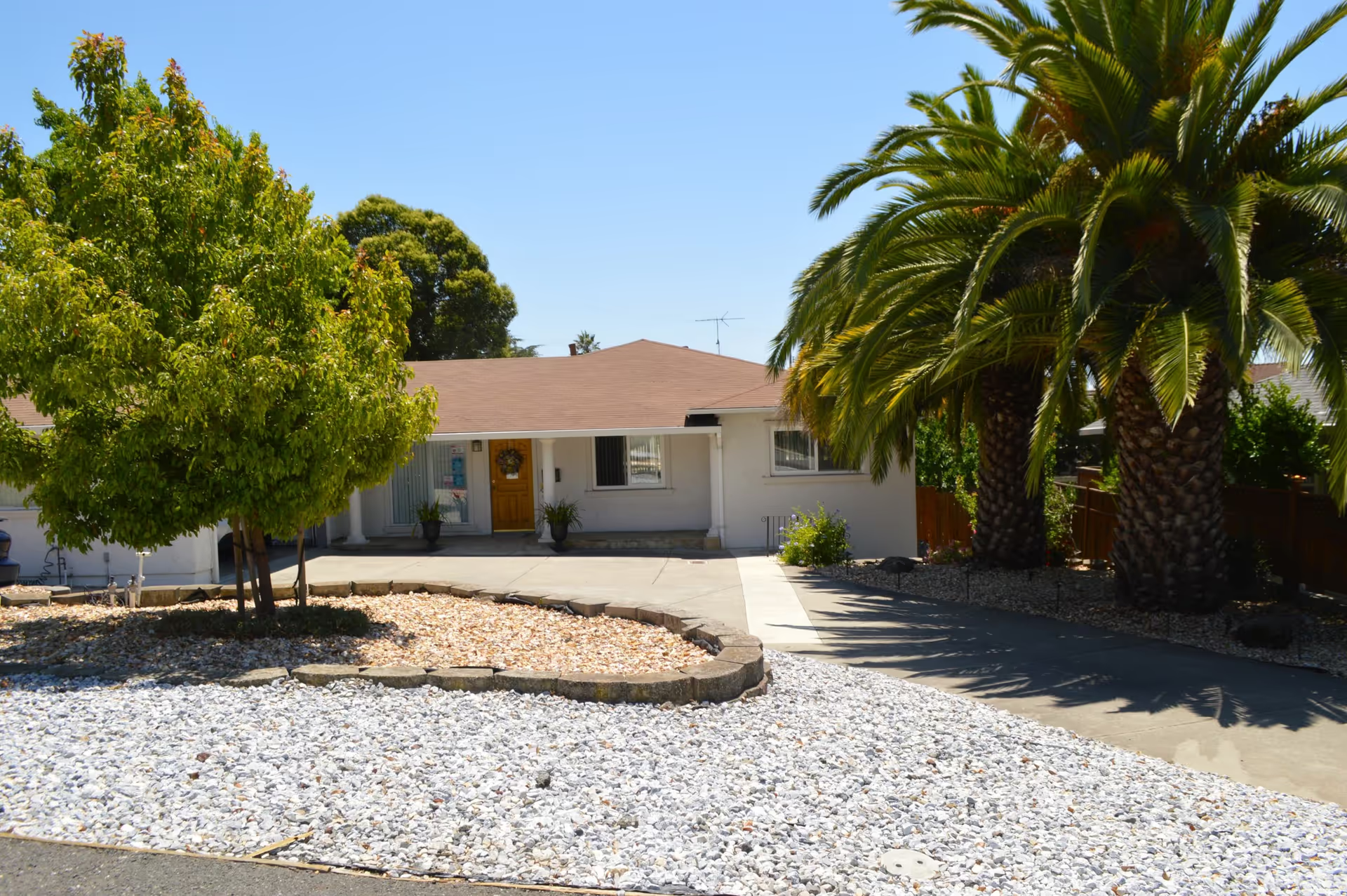
Reviews of Windsor Gardens Care Center of Hayward present a mixed picture: several commenters describe strong rehabilitation outcomes and caring individual staff members, while others raise operational and clinical concerns. The facility receives repeated praise for its physical and occupational therapy teams and for instances of compassionate nursing and aide care; families describe measurable mobility improvement, upbeat therapy environments, and helpful transportation and administrative support in some cases. A number of reviewers named individual staff who provided notable attention and family-centered communication.
Care quality shows a split pattern. Therapy services are frequently characterized as skilled and effective, producing tangible functional gains for many residents. In contrast, there are recurring concerns about wound-care practices, clinical monitoring, and infection-control communication. Reviewers cited situations that imply gaps in wound-management protocols and supply handling, and some expressed that declining health indicators were not always addressed promptly. These accounts suggest a need for stronger clinical oversight, clearer wound-care procedures, and more consistent preventive monitoring (pressure-injury prevention, nutritional status, and anemia surveillance).
Staff performance is variable. Multiple reviewers praised individual caregivers and therapists for professionalism and empathy, yet others described problems with staff conduct, front-desk hospitality, and bedside responsiveness. Common operational issues include unanswered call lights, understaffing during peak periods, unreported or undocumented injuries, and uneven professional communication (including telephone etiquette). These patterns point to inconsistent staffing levels, training gaps in resident-interaction skills, and deficiencies in incident-reporting practices.
Dining and nutrition are another recurrent theme. Some families reported good-looking meals and beneficial portion control, but many described inconsistent meal quality, cold or lukewarm entrées, limited menu variety (reliance on processed options), and lapses in therapeutic diet adherence such as diabetic meal management. These observations indicate weaknesses in meal-service continuity and diet implementation that could affect residents with specific nutritional needs.
Activity programming and resident engagement show mixed results: transportation services were noted as helpful, but reviewers also described a lack of regular outings and limited engagement opportunities for residents. Housekeeping and facility upkeep drew comments about inconsistent cleanliness and areas needing refurbishment, suggesting that environmental-maintenance processes are uneven across the building.
Management and communication elicited divergent feedback. Some families observed improvements under newer management and praised attentive follow-up, while others reported slow responses to concerns, poor phone-system performance, and front-desk communication issues. There are also serious allegations concerning theft of personal items; these raise questions about property safeguards and security protocols that prospective families should review directly with administration.
Overall patterns indicate strong rehabilitation capacity and notable individual caregivers, paired with operational and clinical inconsistencies that merit scrutiny. Prospective residents and families should tour the facility, ask for current staffing ratios, review wound-care and infection-control policies, request examples of diet and therapeutic-meal plans, examine incident-reporting and property-safeguarding procedures, and speak with therapy staff about expected outcomes and timelines. These targeted questions can help clarify whether Windsor Gardens’ strengths align with an individual resident’s needs and whether management has addressed the operational gaps described by families.