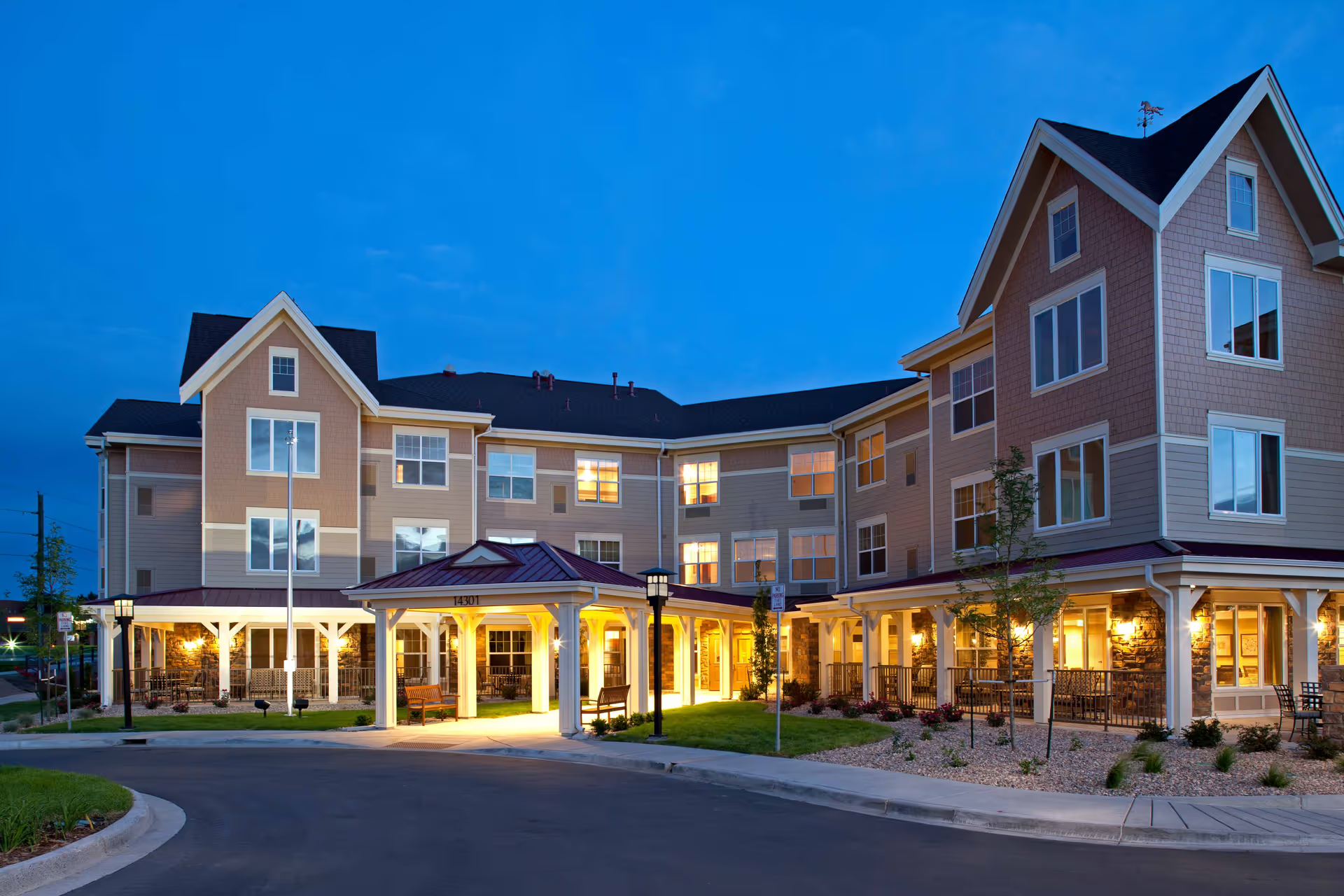
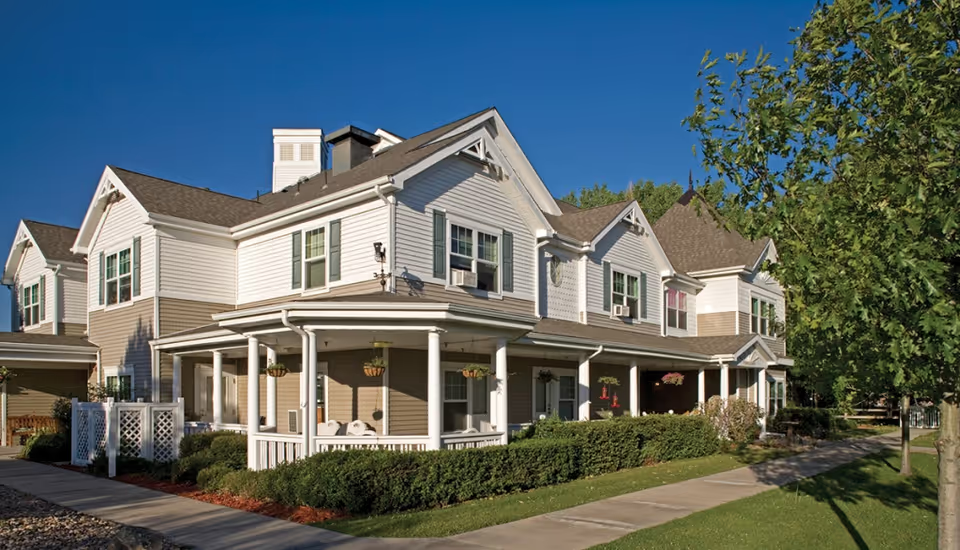
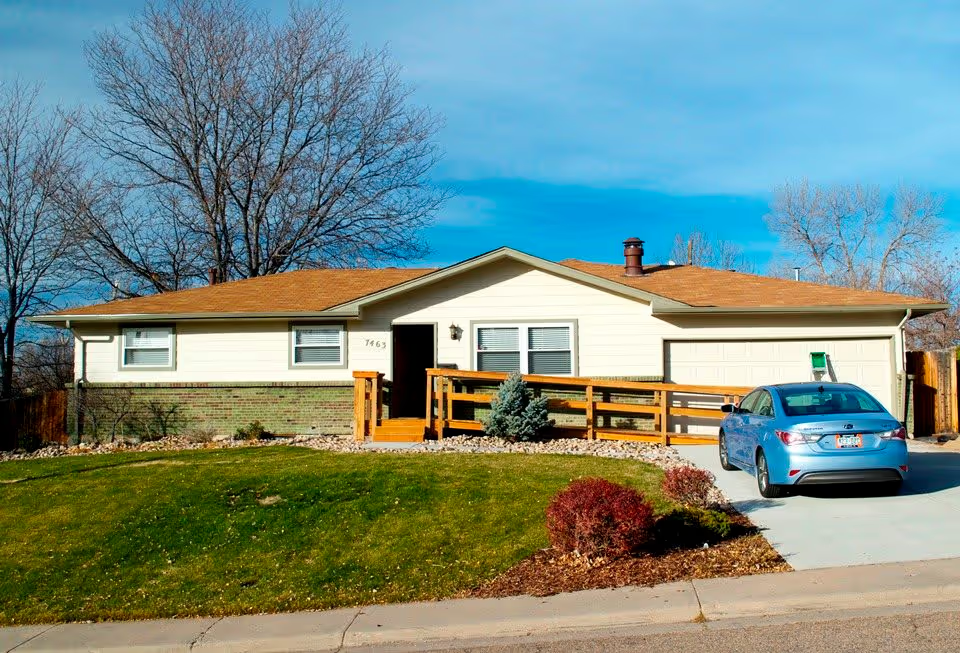
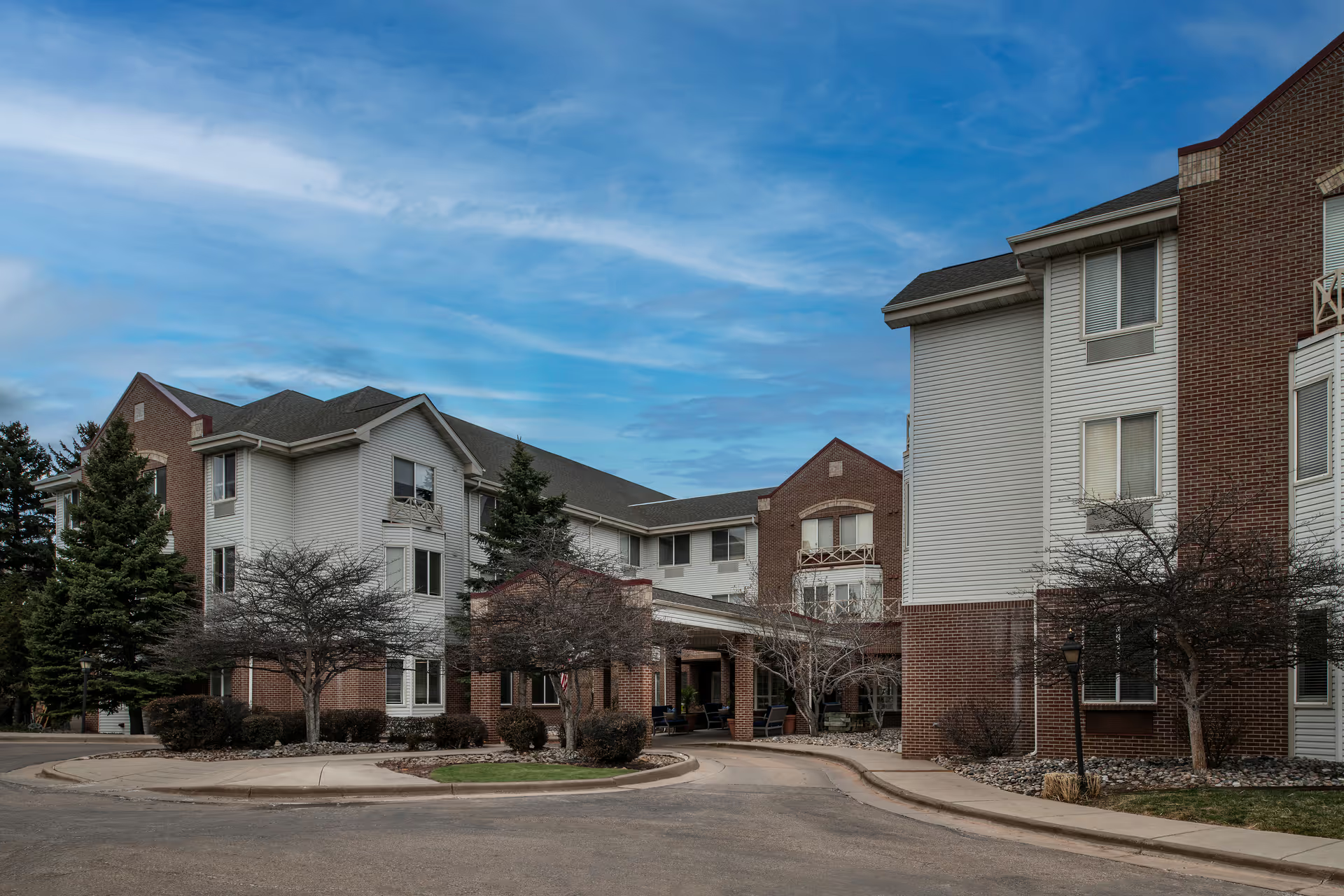
The Center at Lincoln presents a mixed but instructive profile for families considering post-acute rehabilitation or short-term skilled nursing. Strengths are concentrated in rehabilitation services and the built environment: reviewers describe a modern, well-kept facility with a large therapy staff, a well-equipped gym, and a clear post-acute rehab focus. Multiple accounts highlight compassionate, attentive CNAs and clinicians, helpful case management support, and physicians who resolve problems promptly. Recreational programming, a formal dining room option, and a clean, conveniently located building further support a rehabilitation-centered stay and a positive environment for short-term recovery.
Operational patterns of concern relate largely to consistency and safety in day-to-day care. Several reviewers described delays in staff response to call bells and care requests, inconsistent bathing schedules, and lapses in supervision for residents at higher fall risk. These items suggest gaps in staffing allocation, shift patterns, and supervision protocols rather than isolated interpersonal issues. A small number of accounts describe acute clinical events requiring emergency transfer, which raises concern about timely recognition of clinical deterioration and escalation pathways.
Care coordination and communication also show variability. While some families praised an effective case manager and helpful front-desk staff, others cited poor family communication, incomplete discharge planning, and inadequate handoffs to home health. Night-shift communication and continuity of care were specifically flagged as weaker points. Technology support and telehealth/virtual-visit setup are inconsistent, and an institutional sitter policy carries a substantial out-of-pocket cost that families should assess in advance.
Dining and hospitality receive mixed feedback. The facility offers a varied menu and dining-in options, and several reviewers praised the food and dining atmosphere. However, others reported inconsistent meal temperature and delivery, and that dining-room experiences were sometimes replaced by in-room service. Maintenance issues such as cold rooms, slow repairs, and occasional broken call systems were reported and may affect comfort and perceived safety.
In summary, the Center at Lincoln appears to be strong as a therapy-oriented, short-term rehabilitation provider with many staff who are described as caring and professional. Prospective residents and families should weigh those strengths against operational variability in responsiveness, supervision, night-shift continuity, discharge coordination, and some hospitality/maintenance processes. Visiting in person, asking about current staffing levels, fall-prevention protocols, discharge-planning practices, sitter policy details, and recent quality metrics will help determine fit for an individual’s needs. If long-term placement is a consideration, note that the facility’s orientation toward short-term rehab and potential limits on long-term care options should be clarified with administration.