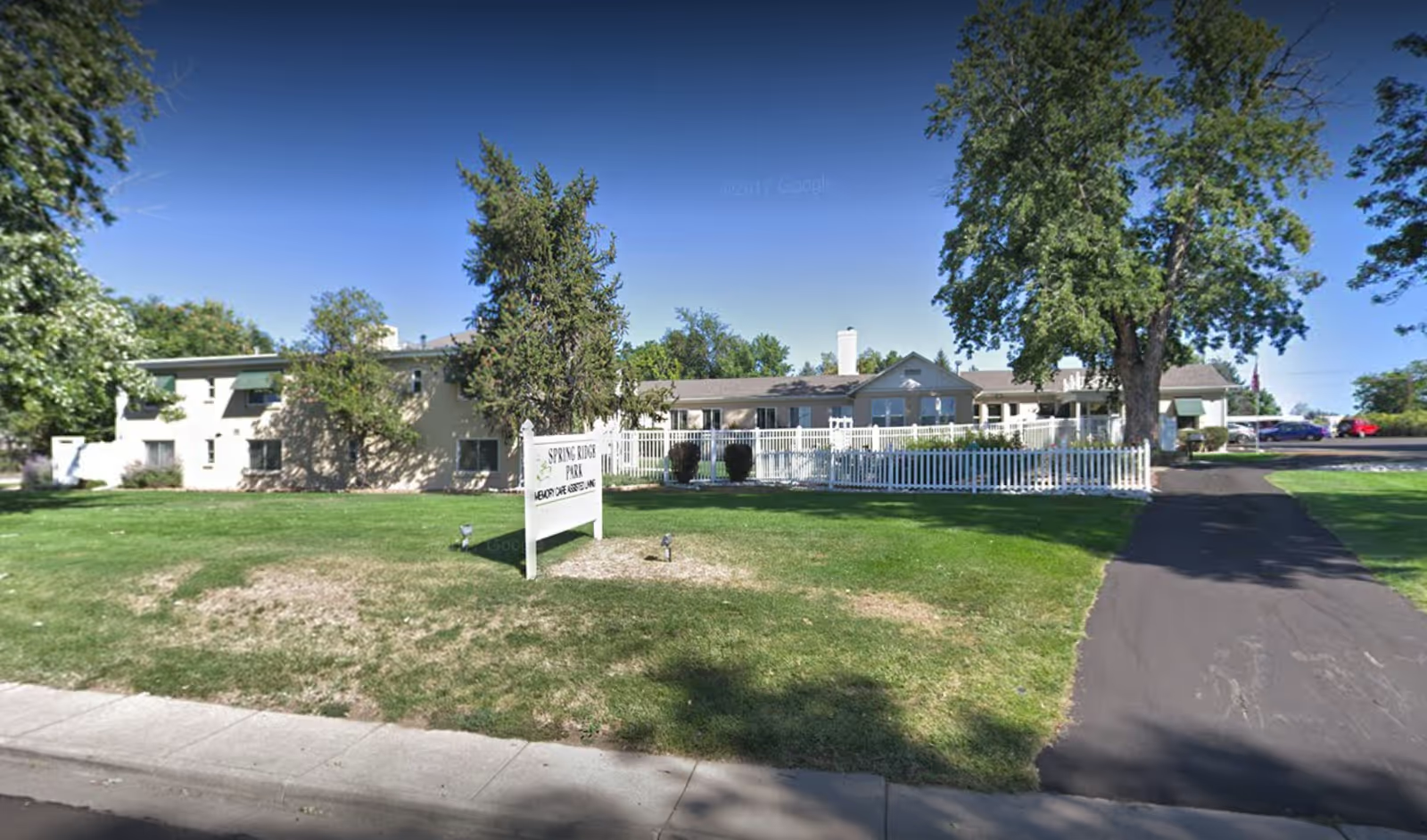
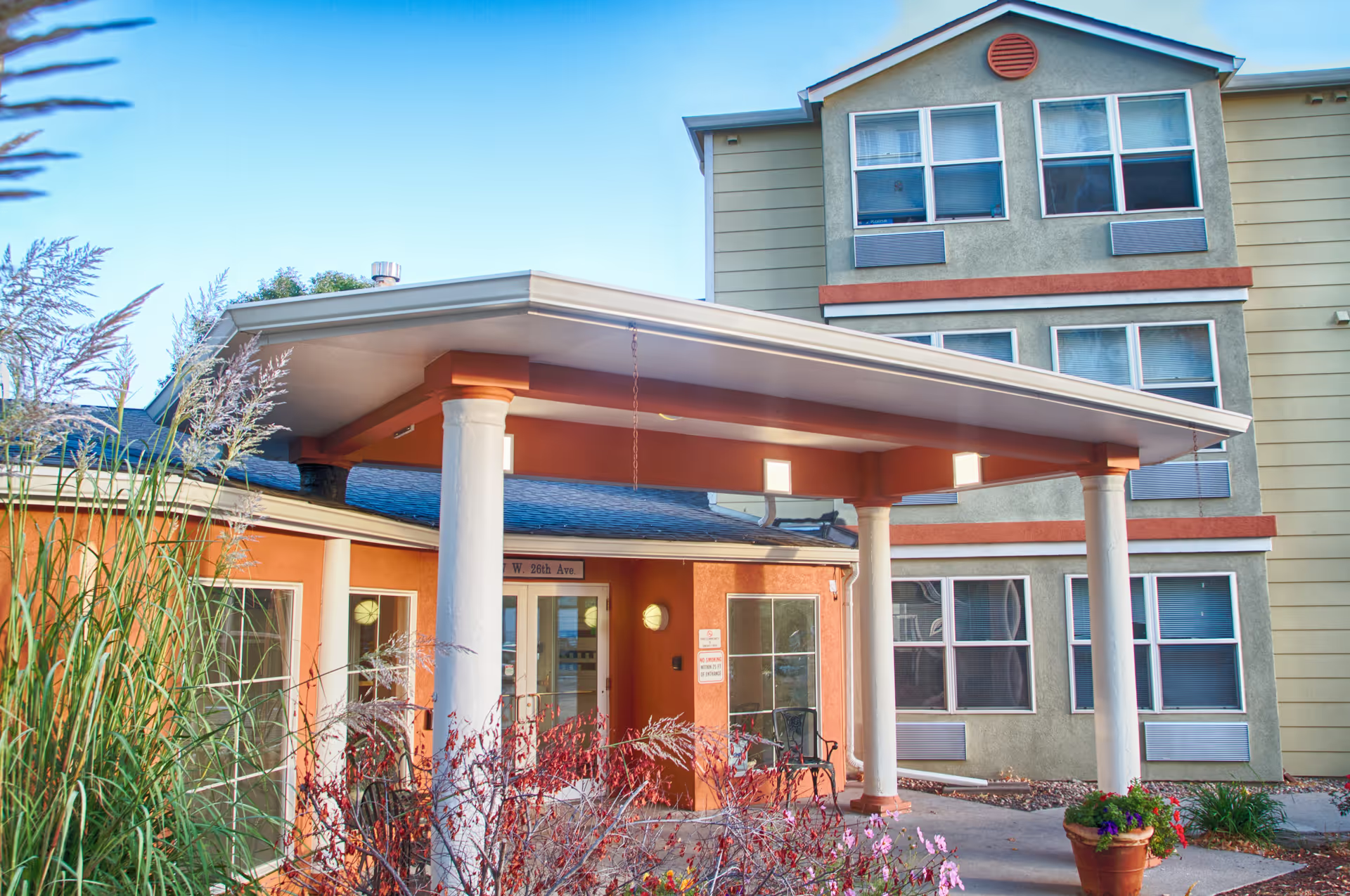
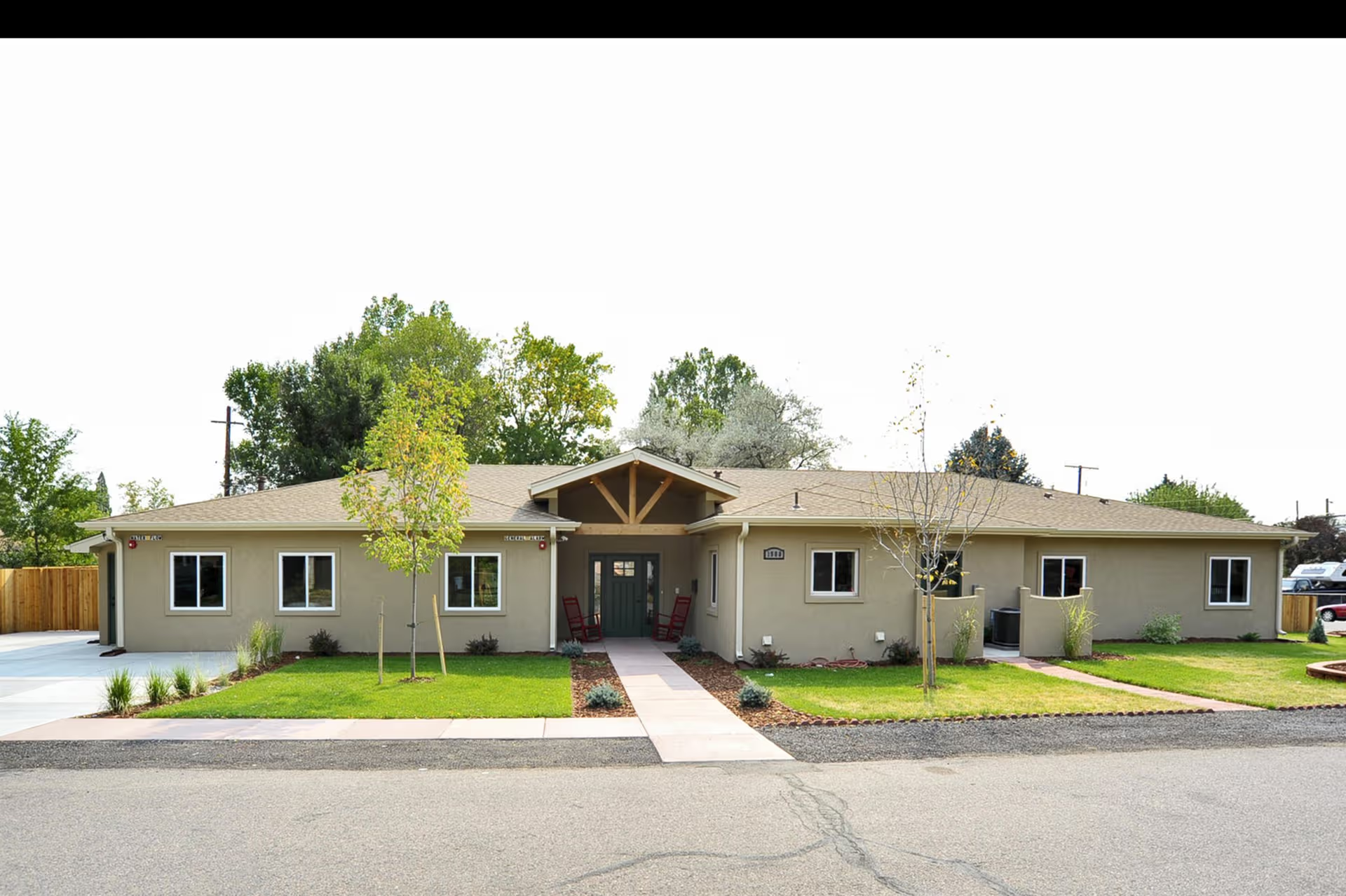
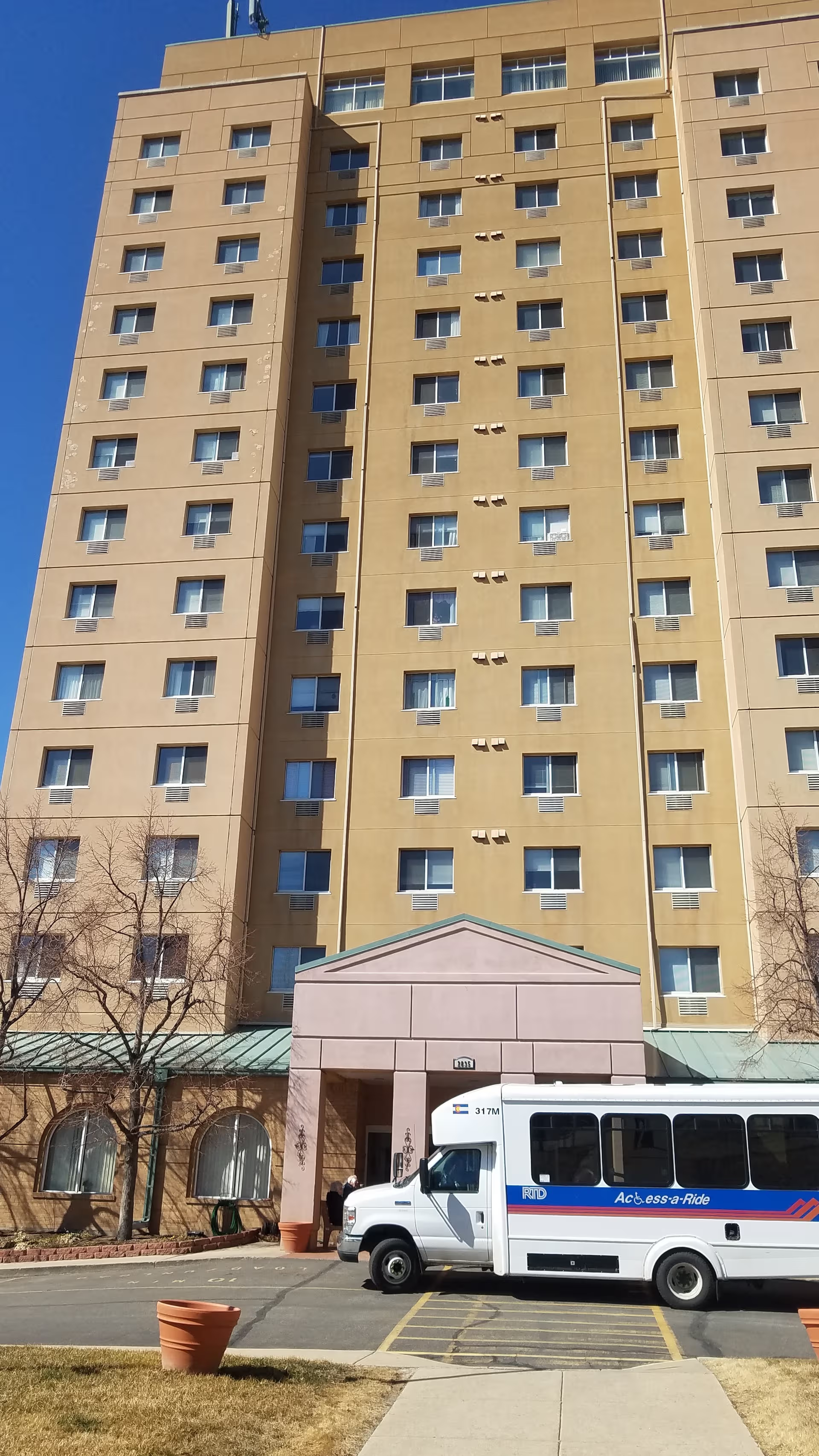
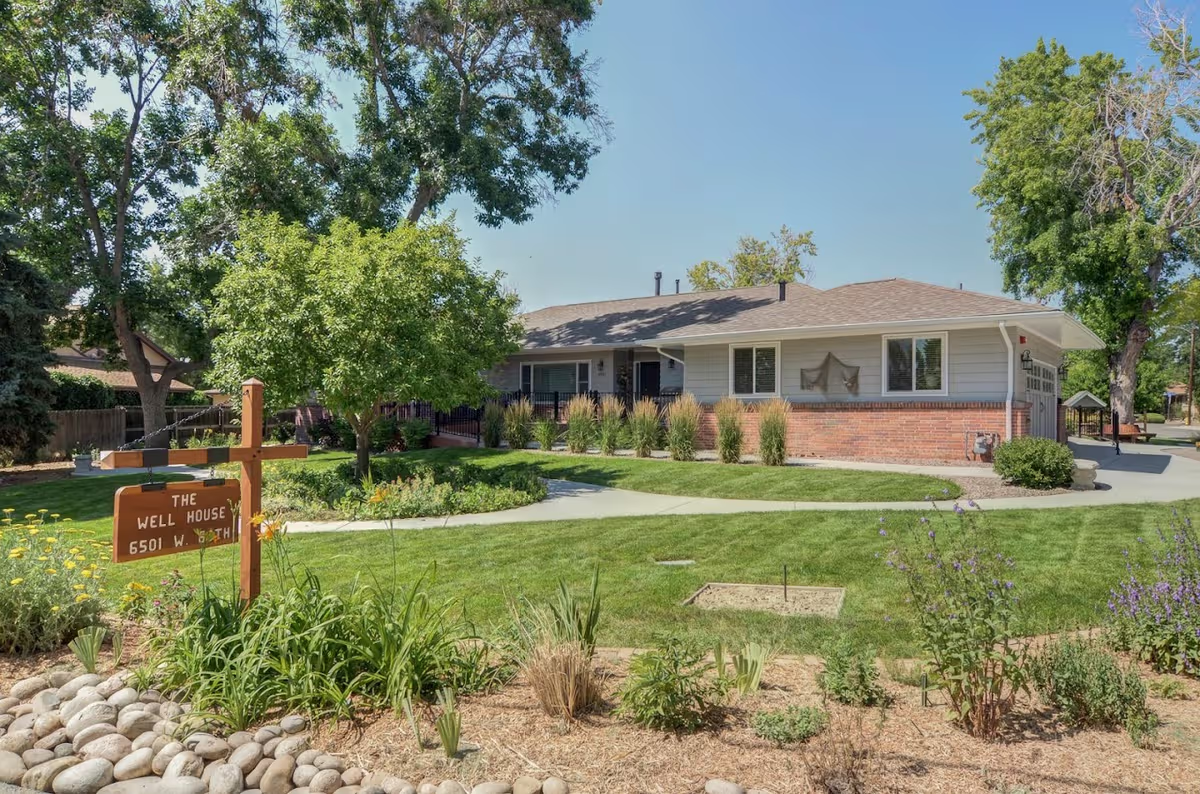
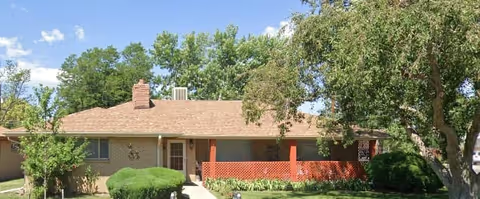
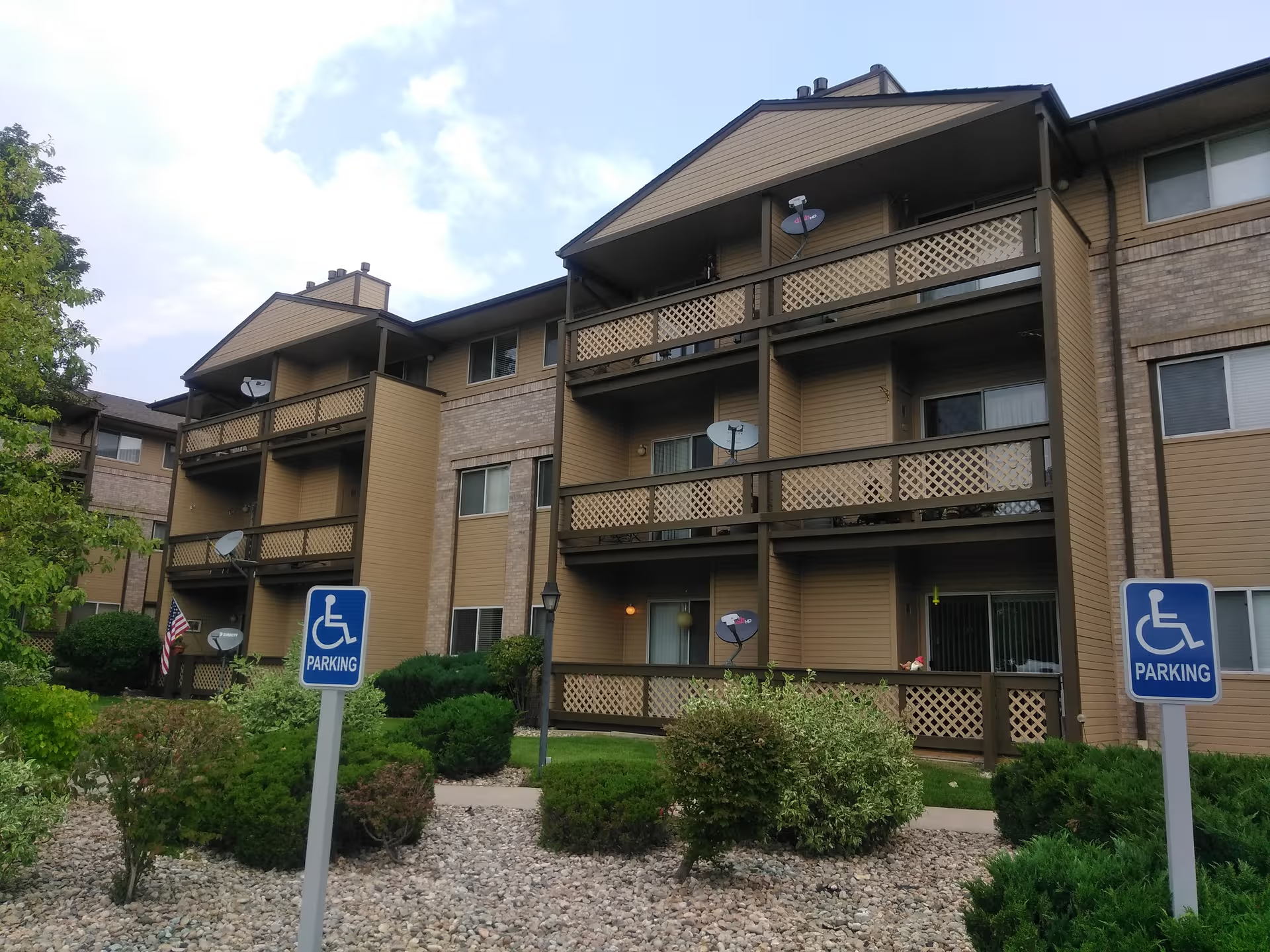
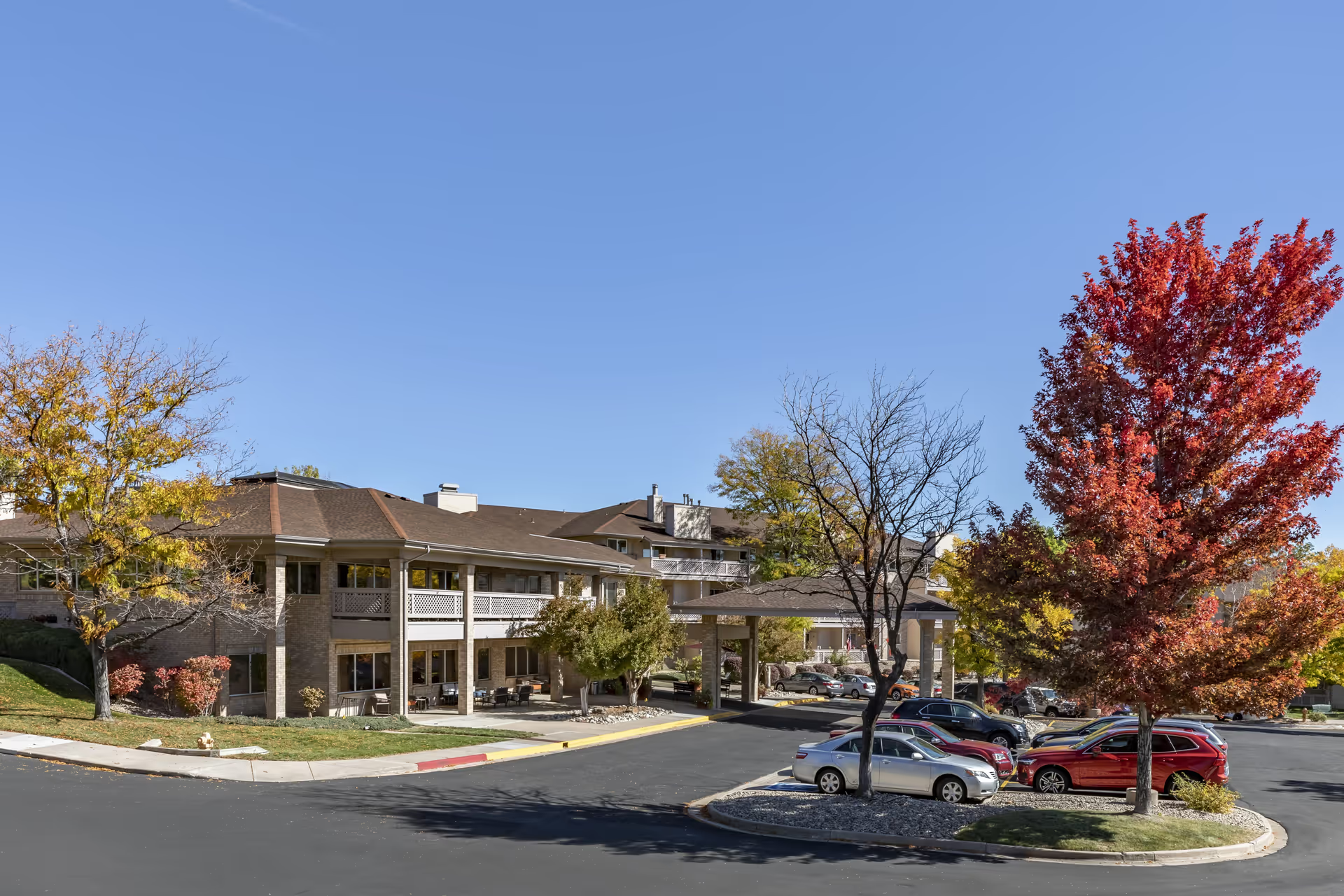
Overview: Reviewer accounts show a facility with clearly identifiable strengths at the level of bedside care and the physical environment, alongside recurring operational and management weaknesses. Many families praised direct-care staff — nurses, CNAs and therapy personnel — for being caring, attentive and skilled, and multiple accounts described successful rehabilitation outcomes and compassionate end-of-life support. The building, common areas and therapy spaces are frequently described as clean, well kept and home-like, with organized activities and accessible exercise areas that contribute to resident engagement.
Care quality and staff: Direct-care staff receive consistent positive comment for compassion, attentiveness and hands-on support. Physical and occupational therapy services are often highlighted as effective, and several families credited therapy teams with measurable functional gains. At the same time, reviewers also documented persistent operational issues: inconsistent on-floor staffing, use of agency personnel, and long waits for assistance were linked to delayed responses to call lights and to scheduled care tasks. There are also multiple mentions of concerns about clinical processes, including medication-management gaps and limited physician follow-up in some cases. A small number of accounts described more serious safety and conduct-related concerns; these highlight the importance of discussing individual risk factors and observation protocols with facility leadership before placement.
Dining and activities: Reports on dining are mixed. Many reviewers praised meal presentation and specific meals as well-plated and appetizing, and activity programming — including themed events and well-decorated rehab areas — received positive attention for fostering engagement. Conversely, other accounts noted missed meal deliveries, inconsistent food quality, and interruptions to normal meal service. Activity offerings and a lively therapy schedule are evident strengths when programming is staffed and scheduled as planned.
Facilities, housekeeping and logistics: The facility’s physical plant is regularly described as attractive, clean and comfortable, creating a welcoming atmosphere for residents and families. However, operational lapses were noted in housekeeping and personal-care logistics: delayed laundry, missing personal items, limited access to scheduled showers, and sanitation or incontinence-care concerns in certain units. Transfer and transport procedures were questioned in some accounts, with descriptions pointing to gaps in transfer-safety practices and in safeguards during resident movement.
Management and communication: Experiences with administration are mixed. Some families praised responsive leadership, smooth admissions, and helpful front-desk staff; others raised concerns about upper-management responsiveness, phone-system reliability, and consistency of follow-up on clinical incidents. Ownership or leadership transitions were mentioned and appear to coincide with variation in perceived managerial stability.
Notable patterns and guidance for families: The overall picture is polarized: many families report high-quality, compassionate hands-on care in an attractive environment, while other accounts identify operational weaknesses that affect reliability and safety. Key patterns to explore in person or during intake include on-floor staffing levels at different times of day, the facility’s protocols for medication administration and physician follow-up, procedures for transfers and transport, laundry and personal-item management, and how sanitation and incontinence care concerns are tracked and remedied. Asking for recent staffing ratios, examples of how the facility handled recent incidents, and clarity about communication channels (including after-hours contacts) can help prospective residents and families assess whether the facility’s current operational practices align with their needs.