Overall impression: Reviews describe a facility in transition. Several families and visitors noted visible improvements under new ownership — changes in leadership, uniforms, refreshed paint and furnishings, and a more evident security presence — alongside persistent operational challenges. Positive elements are concentrated in therapy and specialized services, while core nursing and daily-care processes show variability.
Care quality and clinical operations: Accounts point to inconsistent clinical responsiveness. Some families praised therapy teams and positive rehabilitation outcomes, and the facility’s on-site dialysis capability is frequently cited as a strength. Conversely, there are recurring concerns about medication administration and documentation, delays in responding to calls and emergent needs, and inconsistent bathing and continence-related care schedules. These patterns suggest variability in frontline nursing performance and gaps in escalation or oversight processes.
Staff and culture: Staff behavior and competence are described unevenly. Numerous reports highlight compassionate, approachable nurses and effective therapists who engage residents daily; others describe unprofessional conduct, staff interpersonal conflict, and inattentive behavior at nurse stations. High turnover and reliance on less experienced staff were raised as contributors to inconsistent care. Families emphasize that individual staff members can make a large difference in day-to-day experience.
Dining and nutrition: Dining experiences are mixed. The menu is often characterized as limited or bland, with intermittent issues around meal temperature and timing. The presence of dietitians for individualized options is a positive operational feature, but meal-service reliability and quality control appear inconsistent.
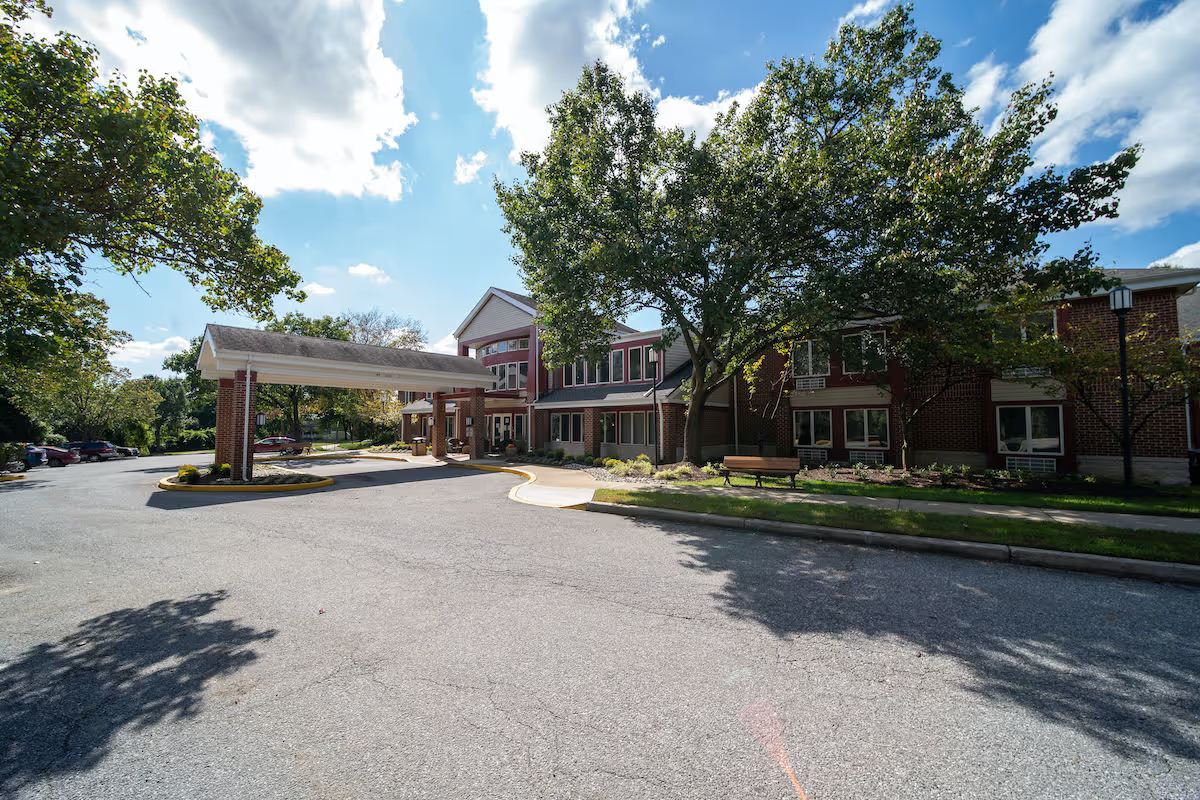
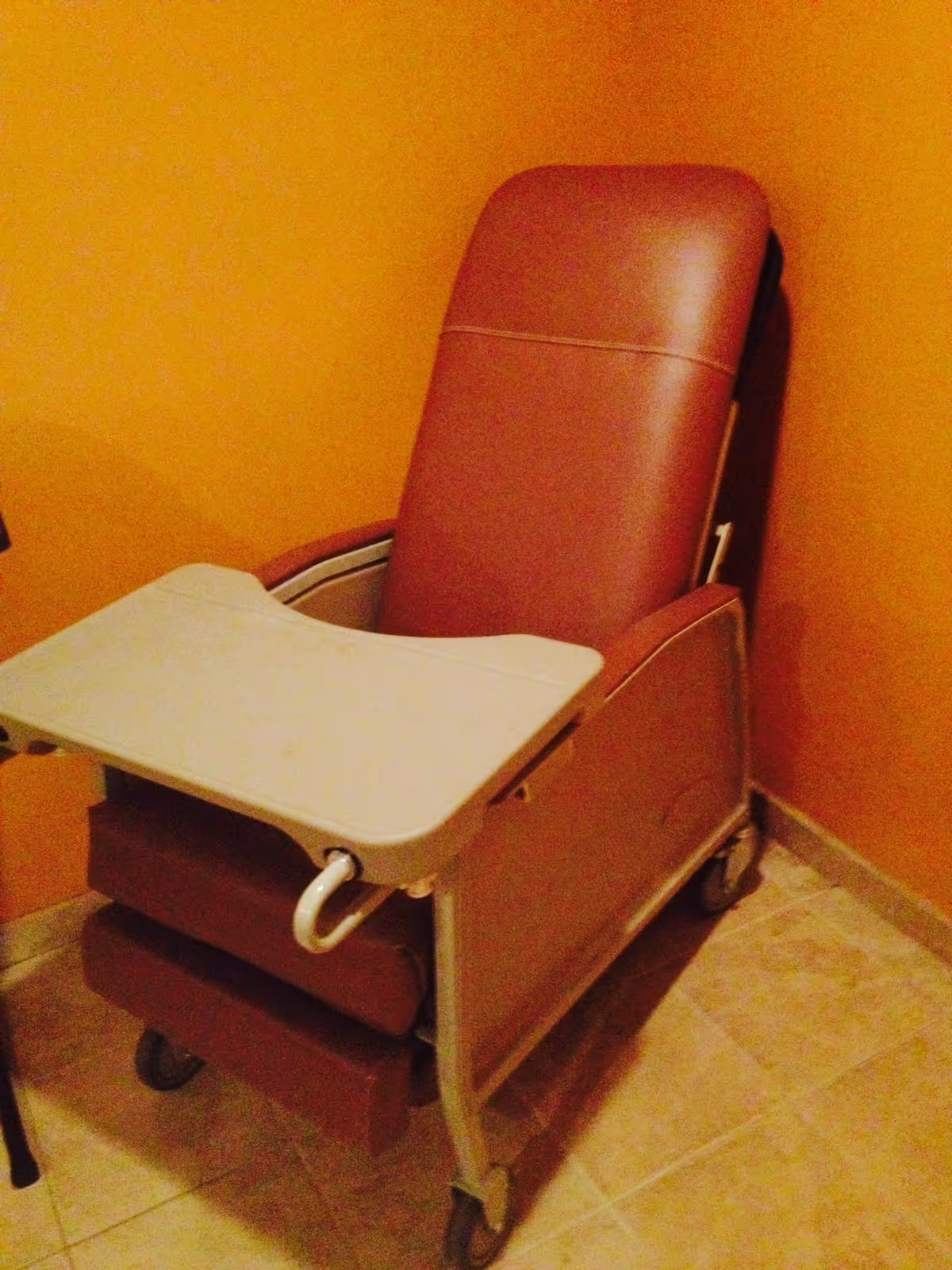
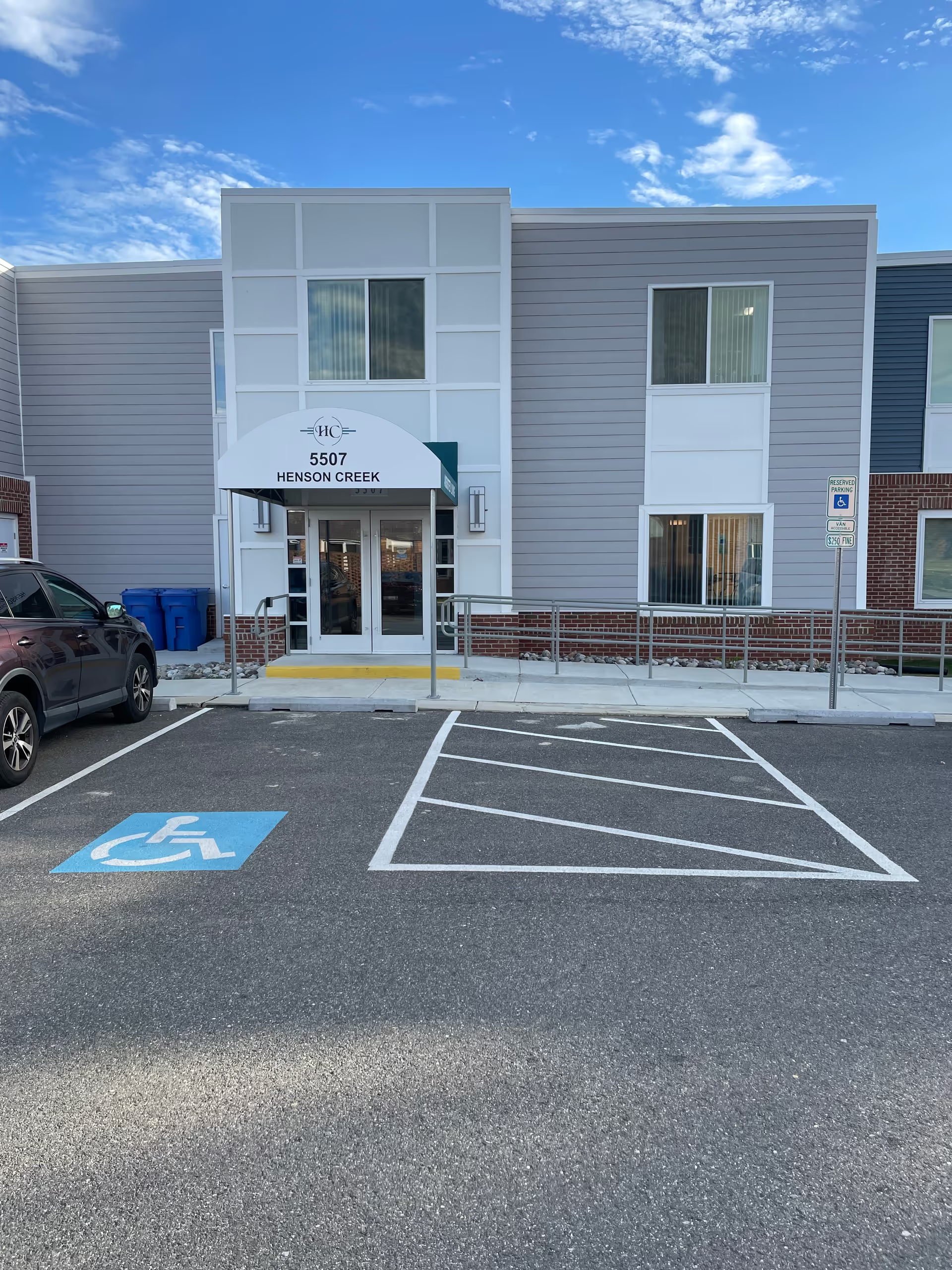
Activities and amenities: The facility offers a range of communal amenities and programming — an on-site chapel, beauty salon and small shop, scheduled exercise and music sessions, and group activities that some families find meaningful. Renovated common areas and accessible parking were noted positively, and families who engage frequently tend to report better satisfaction with social and recreational aspects.
Facilities and safety: Physical upgrades to common areas have been implemented, but reviewers also cite aging infrastructure in parts of the building. Security has improved with a more controlled entrance in some accounts, yet concerns remain about unsupervised individuals in public spaces and general hallway supervision. Shared rooms with curtain separators limit privacy, which may be important for prospective residents to consider.
Management and transparency: New ownership and cosmetic improvements are visible, but families question how deep and durable operational changes are. Complaints to administration and, in some cases, external grievance activity were mentioned by families dissatisfied with outcomes. The resident population mix (noted as predominantly Medicaid and accepting higher-acuity cases) may influence resources and staffing demands; families should clarify payer-mix implications and cost structures for rehabilitation services.
Notable patterns and considerations for families: The facility presents a mix of clear strengths (rehabilitation services, dialysis access, some strong therapy staff, and recent facility upgrades) and systemic weaknesses (inconsistent nursing responsiveness, medication and documentation issues, variable meal service, sanitation/odor concerns, and staff-culture problems). Prospective residents and their families should verify current staffing ratios, medication-administration protocols, call-response metrics, infection-control and sanitation practices, privacy arrangements for shared rooms, and the permanence of recent management changes before making placement decisions.