Garden Court Health and Rehabilitation Center presents a mixed picture in these summaries. Clinical rehabilitation and therapy services receive consistent positive mention — physical therapists and rehab staff are described as effective and skilled. Certified nursing assistants (CNAs) and some direct-care staff are frequently praised for compassion and hands-on support, and several reviewers reported private rooms, daily housekeeping, and quiet room options as positives.
At the same time, there are repeated operational and clinical concerns. Nursing quality is described as inconsistent across shifts, with accounts of delayed responses to call bells and reduced responsiveness during evening hours. Several summaries point to problems with medication timing and with starting medications without clear family communication, indicating gaps in medication-management and informed-consent processes. Reports of falls and subsequent care gaps suggest weaknesses in mobility-safety practices and post-fall assessment protocols.
Communication and professionalism are recurring themes. Families described long phone hold times and limited updates, and some reviewers raised concerns about staff tone and behavior at the nurse station and in patient areas. These conduct concerns extend to inconsistent enforcement of visitor access and staff activities (for example, staff smoking in outdoor areas), pointing to variable professional standards. Management-level issues are implied by repeated mentions of poor coordination between clinical teams and family members.
Dining and activities show variability. Meal quality is a frequent area of dissatisfaction for some reviewers, though others found food acceptable; this suggests inconsistent meal preparation or service. Recreational programming appears regular (bingo and occasional movies), but engagement and variety are sometimes insufficient for residents who want more stimulating options.
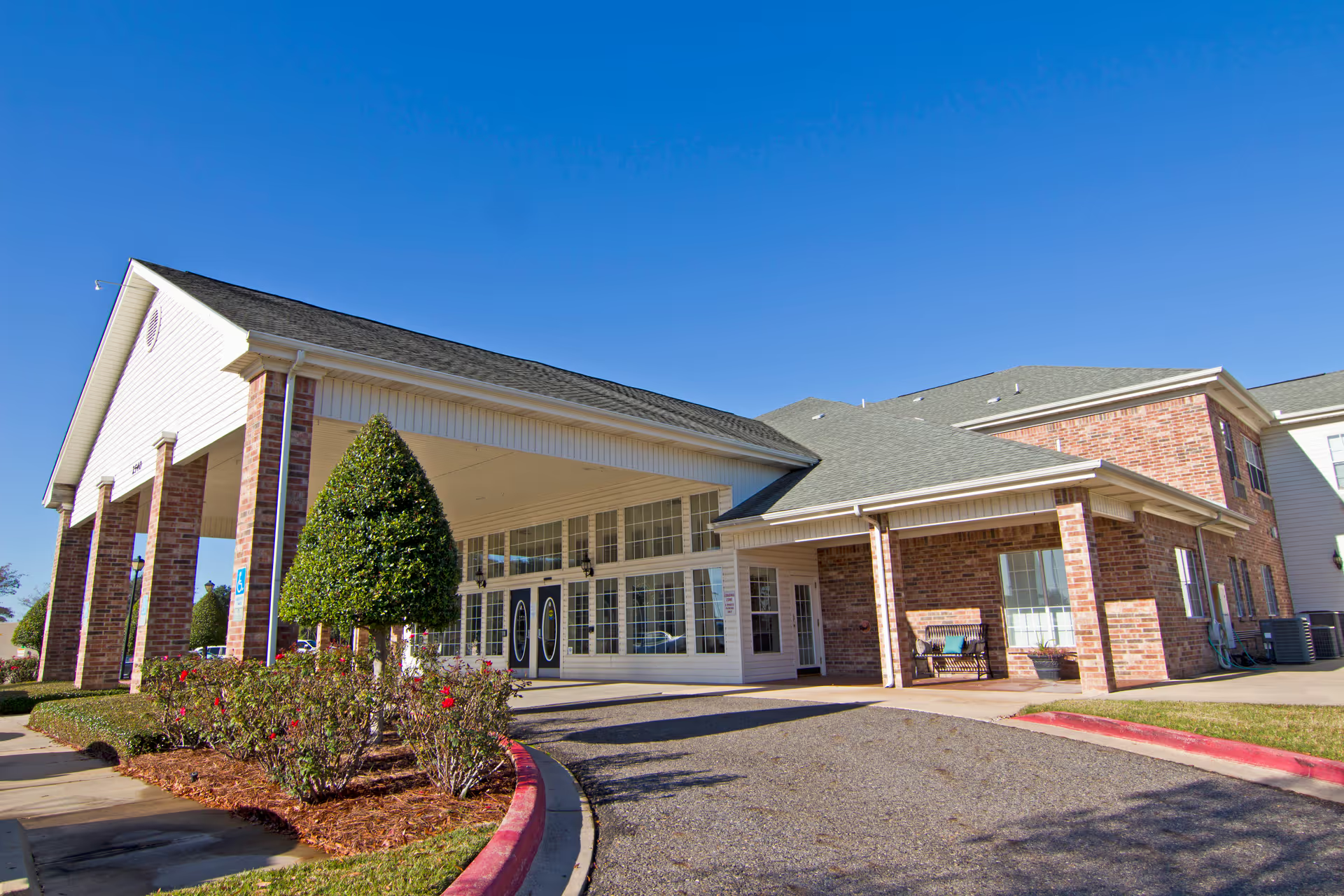
Facility condition and environment are other notable patterns. The building is described as older and in need of cosmetic and functional upgrades — painting, furniture replacement, and general repair work were cited. Specific accessibility barriers, such as raised door thresholds, were noted as limiting wheelchair mobility. Cleanliness and pest-control issues were raised in a number of accounts, indicating opportunities for improved environmental services and infection-prevention oversight.
Overall, the reviews suggest a facility with clear strengths in rehabilitation and certain caregiving staff, but with operational instability affecting nursing consistency, communication, medication practices, environmental maintenance, and some aspects of resident safety and engagement. Prospective residents and families should weigh the strong therapy capabilities and committed CNAs against the need for more reliable nursing oversight, stronger family communication, and facility maintenance. For the facility, prioritizing staffing consistency, clearer medication and consent protocols, improved evening coverage, and targeted environmental repairs would address the most frequently mentioned concerns.