Overall impression: Devlin Manor presents a mixed profile. Many accounts describe strong frontline caregiving, successful short-term rehabilitation, and an active social program that contributes to resident engagement. At the same time, there are recurring operational concerns—primarily around responsiveness, communication with families, and some aspects of clinical oversight—that potential residents and families should evaluate during a visit.
Care and staff: Numerous family members and observers praise the nursing and aide teams for compassion, patience, and personalized attention. Several families highlighted positive outcomes from therapy programs, including successful stroke rehabilitation and effective physical/occupational therapy. Staff who are frequently mentioned are described as remembering residents, being attentive to questions, and providing thorough care. However, there are contrasting accounts describing inconsistent staff responsiveness to call requests and delays in attending to personal-care needs. Some families described interactions with individual staff or managers as dismissive, and there are mentions of communication tone and conduct that warrant attention.
Dining and activities: Dining receives generally favorable comments; reviewers note good food and family-friendly meal experiences. The facility appears to offer a robust activities calendar with resident-focused programming—bingo nights, square dancing, carnival-type games, live music, and other social events—which many families found beneficial for resident morale and engagement.
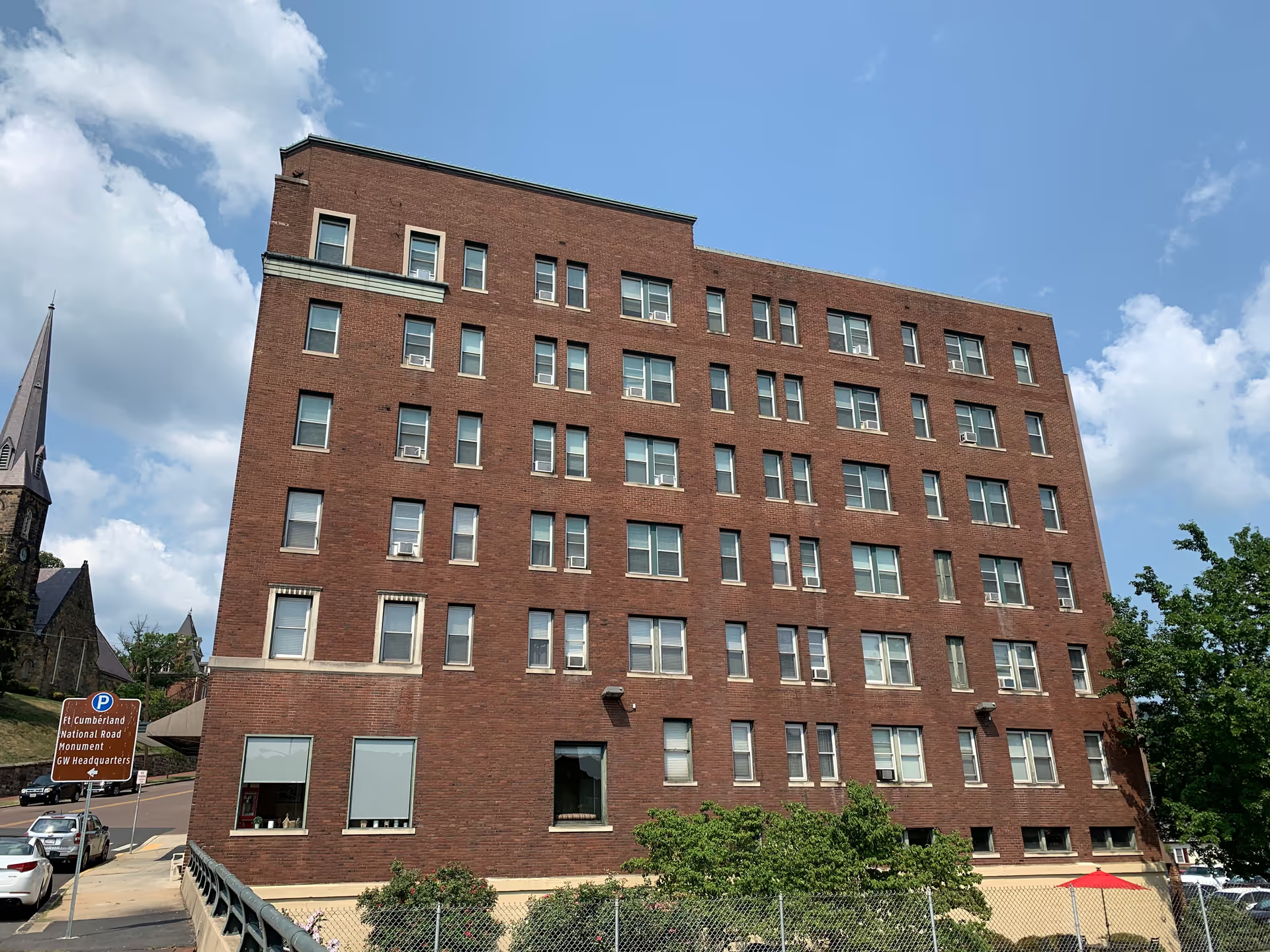
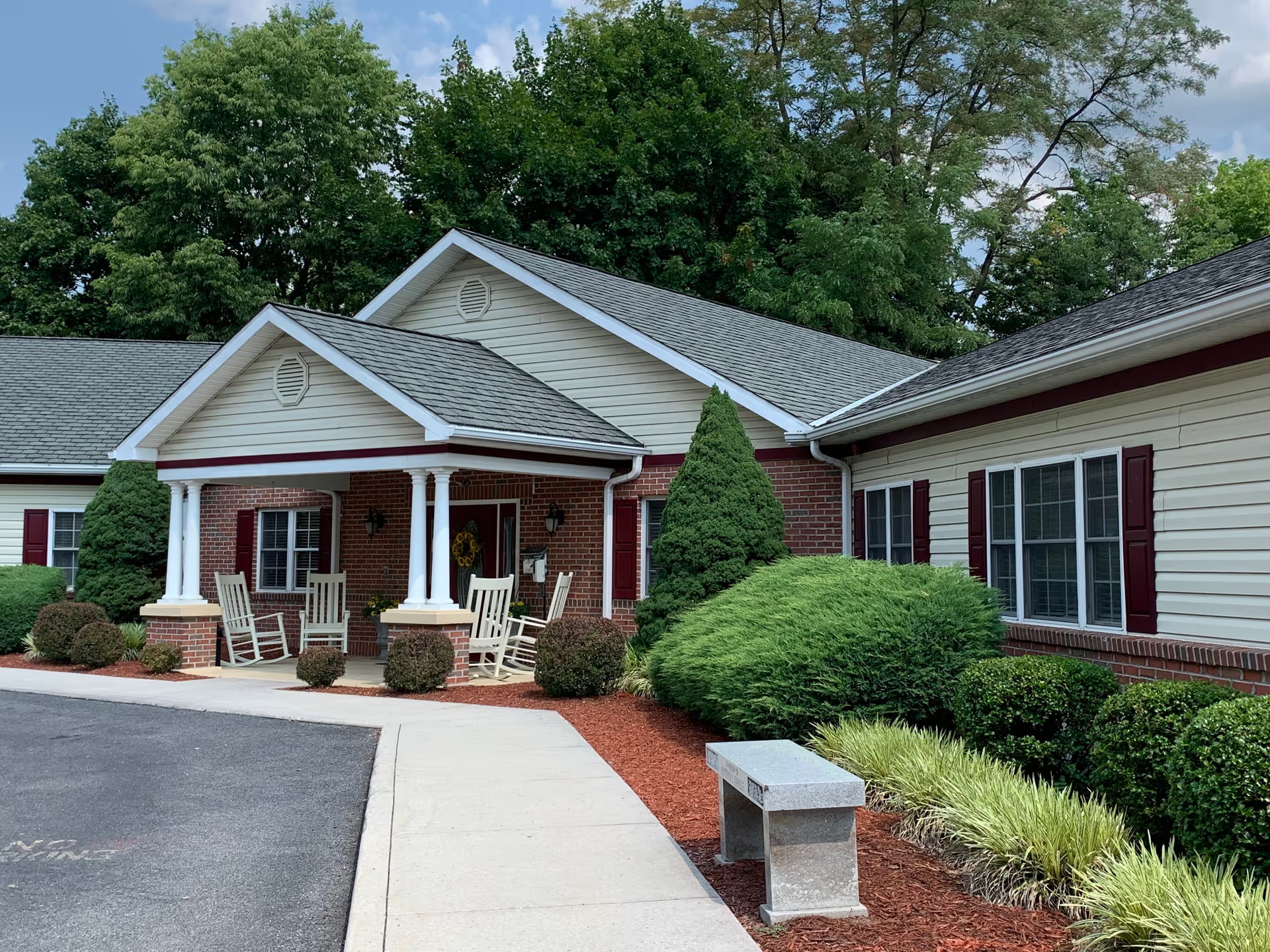
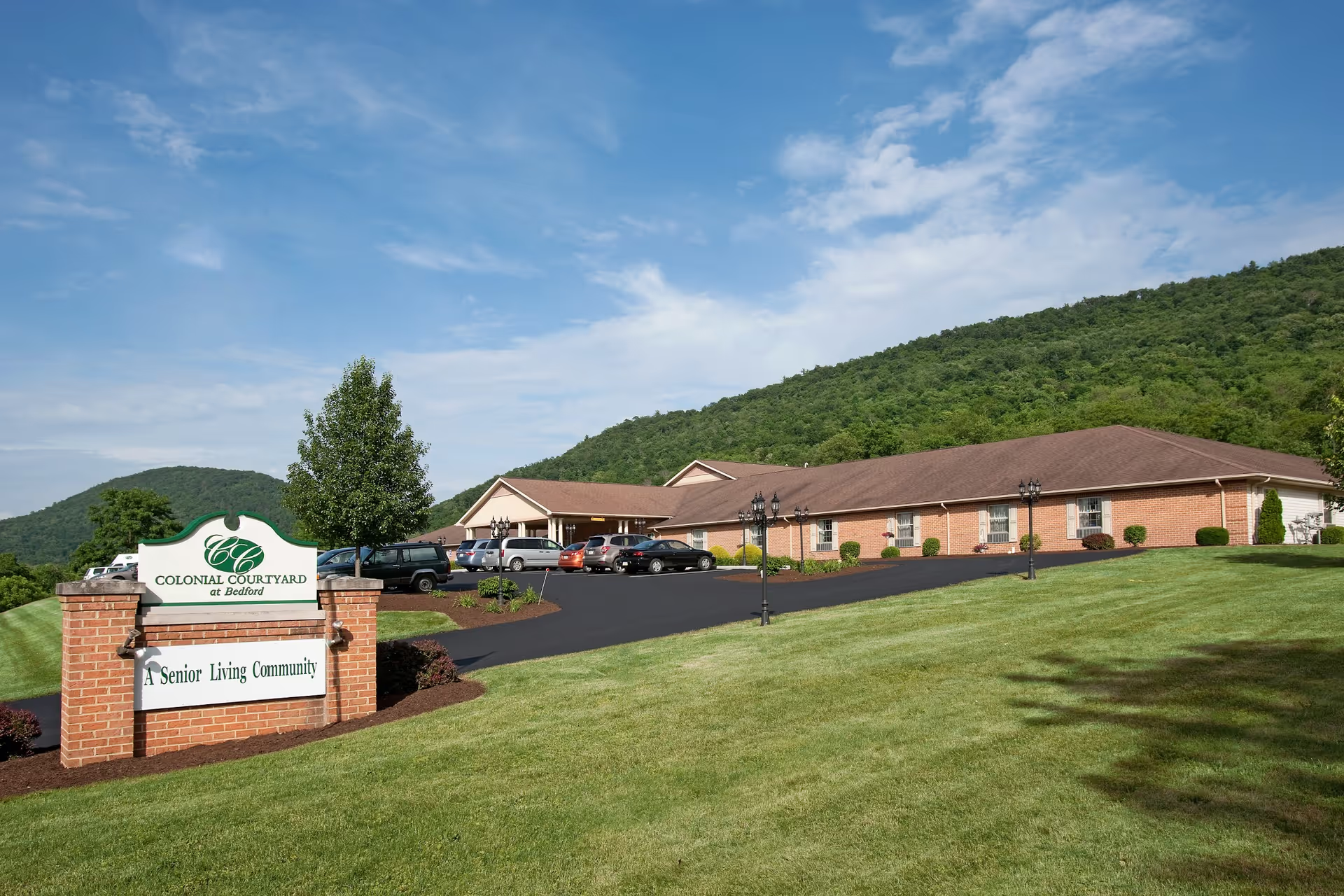
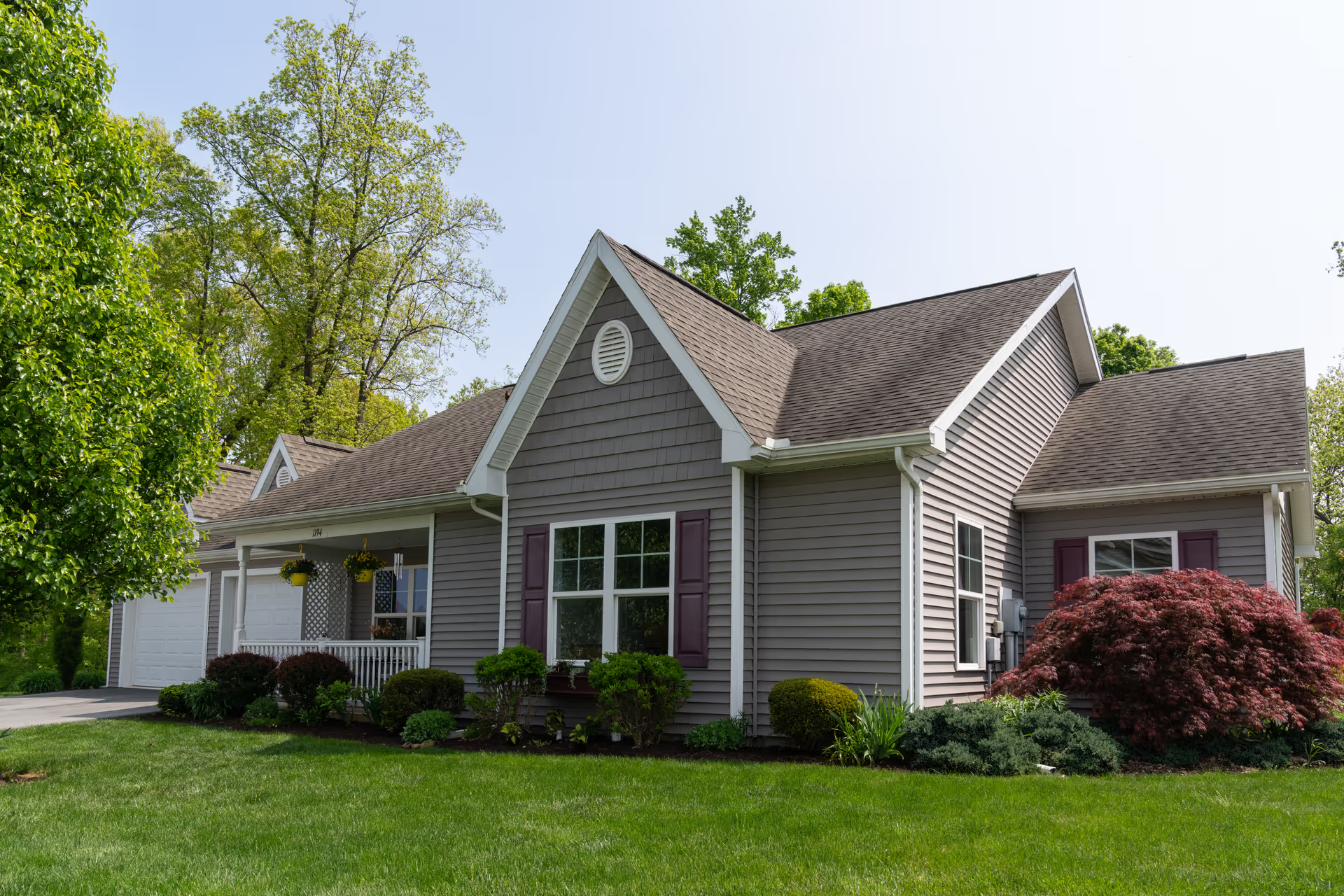
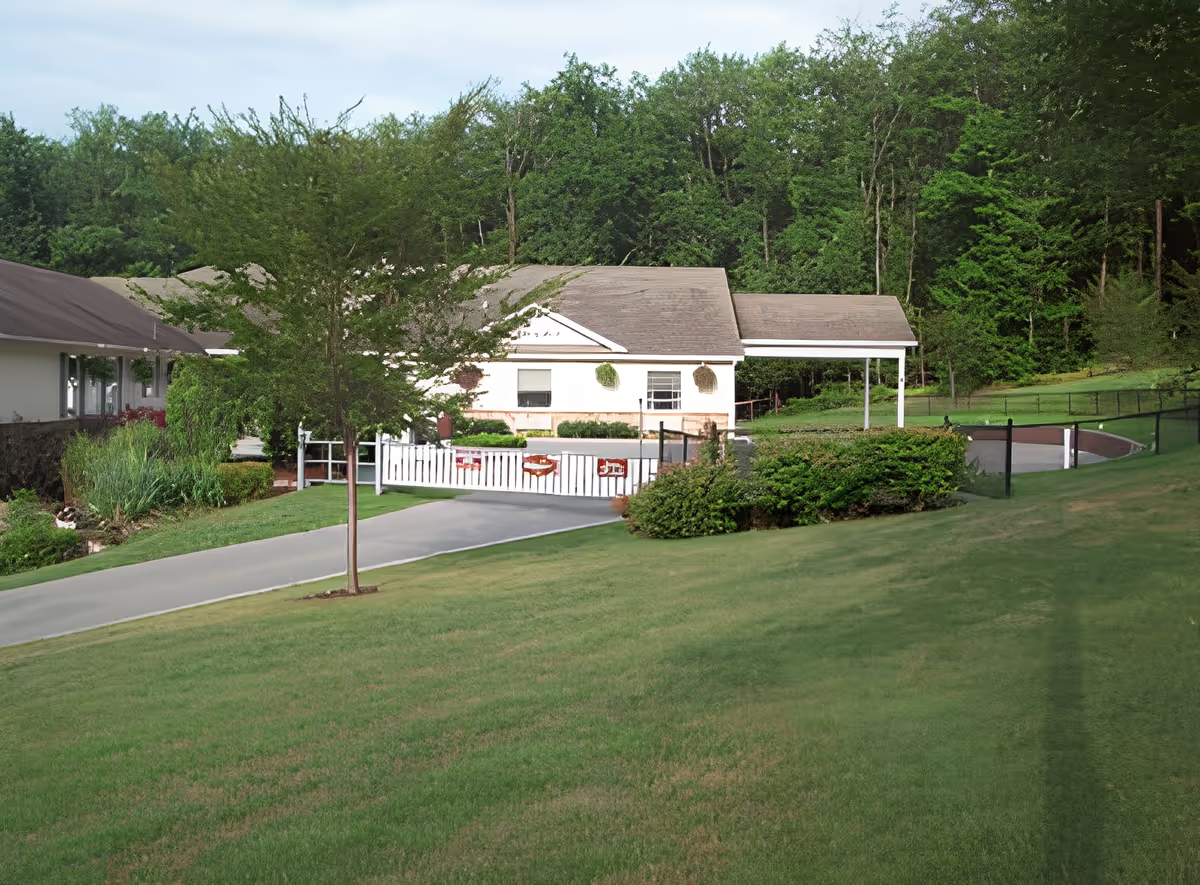
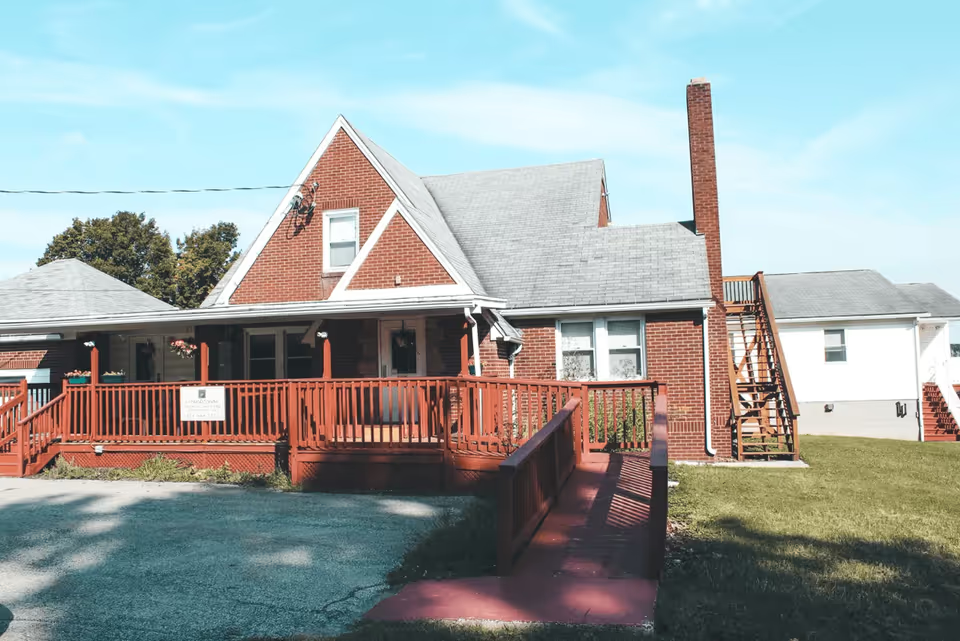
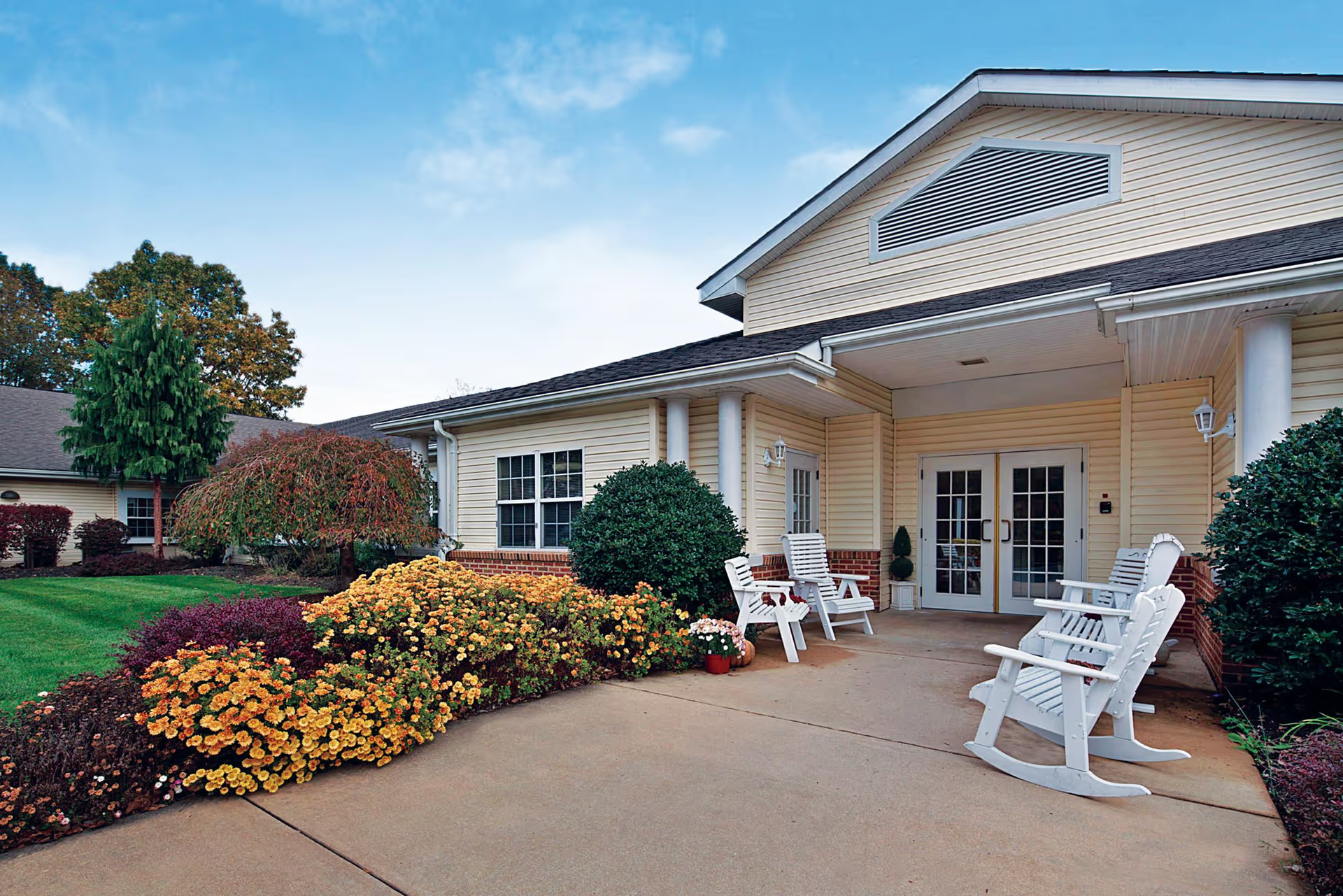
Facilities and environment: Several accounts describe clean, private rooms with pleasant window views and a spacious, well-maintained interior. Spotless rooms and an overall orderly environment are frequently cited positives. Conversely, logistical issues such as laundry handling problems, frequent room reassignments, and resultant sleep disruption were described by some families and may affect resident comfort and continuity of care.
Management and clinical oversight: Patterns in the feedback point to uneven performance at the management and systems level. Specific concerns include gaps in family notification protocols (including communications following serious events), inconsistencies in clinical review and care-planning, and instances that families interpreted as unnecessary hospital transfers or short-term boarding-room use. These observations suggest opportunities to strengthen incident-notification procedures, clinical oversight pathways, and discharge/transfer decision processes.
Notable patterns and guidance: The dominant positives center on compassionate direct-care staff, effective rehabilitation services, strong activity programming, and generally clean, pleasant accommodations. The dominant negatives center on operational reliability: responsiveness to resident needs, family communication, and certain care-planning/transfer processes. Prospective residents and families should consider an in-person tour, speak directly with therapy and nursing leadership about anticipated rehab goals, ask about call-response times and bathing/personal-care schedules, and request explanations of notification and transfer protocols to assess whether the facility’s operational practices align with their expectations.