The reviews describe a facility with clear strengths in short-term rehabilitation and a campus layout that many families find convenient. Several accounts emphasize effective therapy services, attentive monitoring schedules, and proactive continence-support for patients undergoing rehabilitation. Rooms are frequently described as spacious and functionally furnished, and the facility's proximity to a hospital and availability of Medicare-covered initial rehab days are practical advantages. Visitation accommodations such as window and video calls were also noted as helpful during isolation periods.
Care quality appears highly variable. Multiple families describe exemplary, hands-on rehabilitation and frequent monitoring, while others report clinical shortcomings including inadequate pain control, medication-administration errors, and gaps in nursing competency. Falls and transfer-safety concerns are recurring themes, suggesting that fall-prevention practices and overnight/swing-shift supervision may be inconsistent. There are also accounts indicating delays in addressing continence needs and other time-sensitive personal care tasks.
Staff behavior and training emerge as an important dividing line in reviewers' experiences. Positive descriptions of compassionate, attentive employees coexist with reports of unprofessional conduct, poor communication tone, and potential substance-use concerns affecting staff professionalism. Several reviewers called for additional staff training and stronger accountability; slow response to call buttons and delayed assistance were frequently mentioned as operational weaknesses tied to staffing levels.
Dining and activities are similarly mixed. Some reviewers found meals acceptable and staff engaging, while others described inconsistent meal quality and limited actual resident participation in scheduled activities. Activity programming appears to exist, but engagement and availability vary by unit and by staffing at different times.
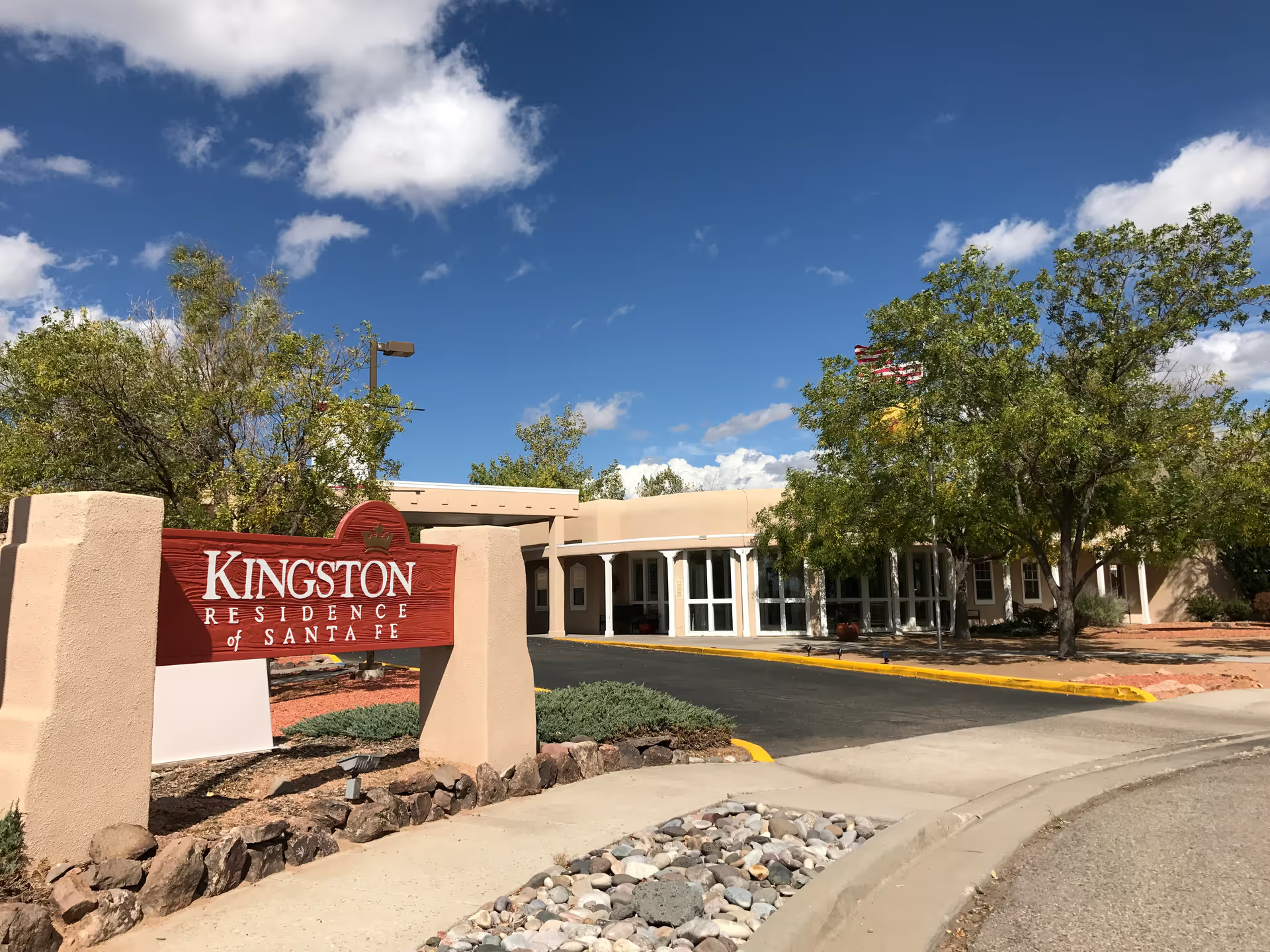
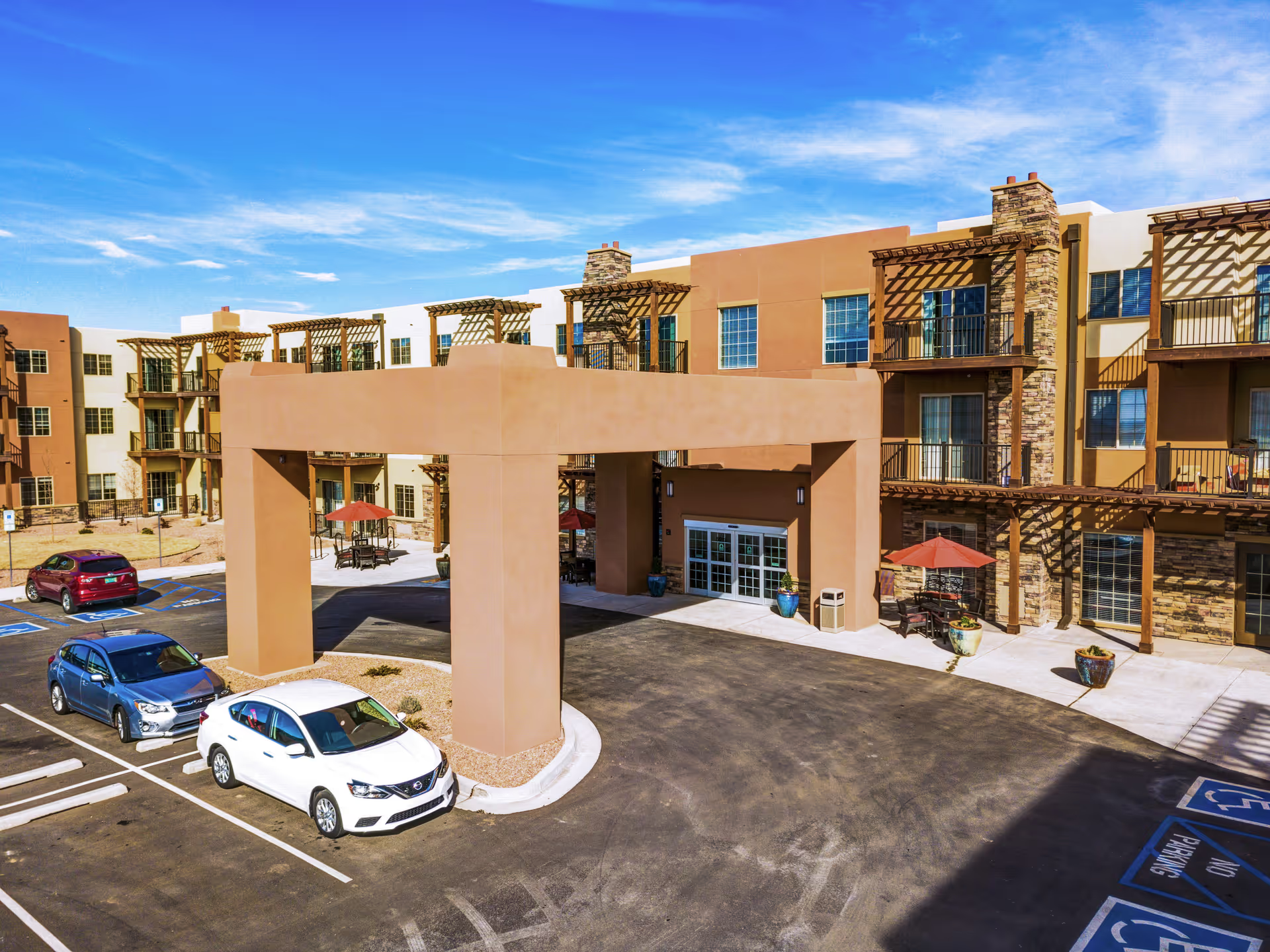
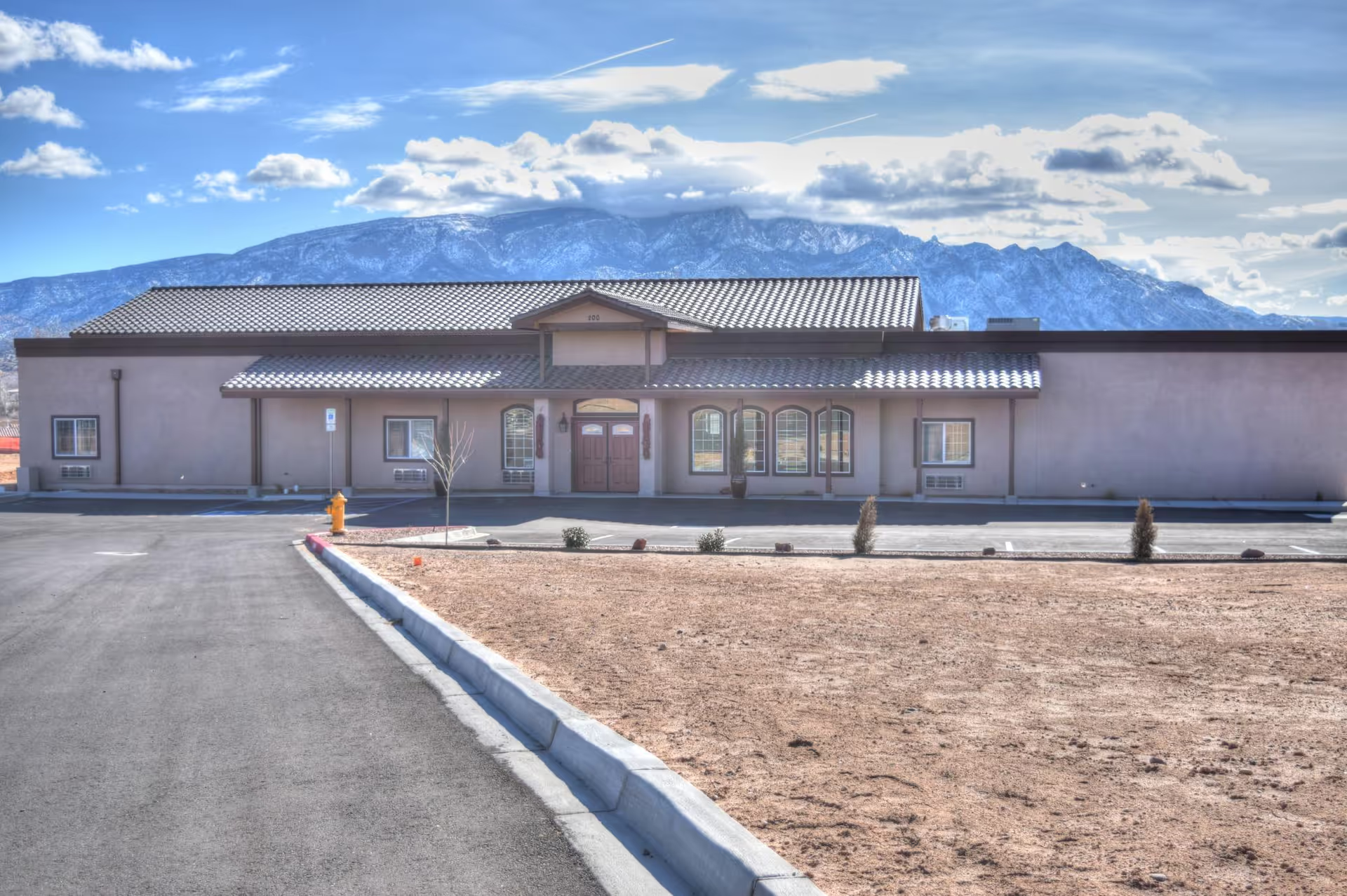
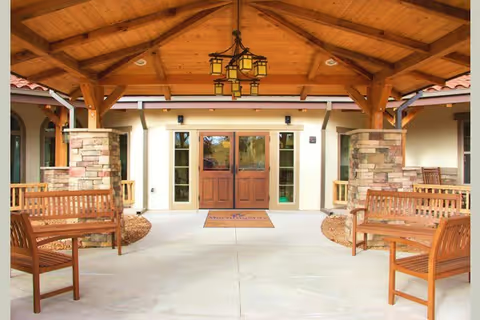
Facilities and environment receive both praise and criticism. The grounds, internal layout, and certain units are described as clean and well-kept, with roomy accommodations and functional furniture. Conversely, other reports highlight variable cleanliness, odor-control problems in specific areas, noisy or crowded common spaces, and maintenance disruptions that impacted comfort. Visitation policies were workable in some instances (video/window visits), but families also described restrictive visitor access during quarantine or infection-control events.
Management and operational patterns point to uneven consistency across shifts and care teams. Positive experiences often reflect well-staffed periods and engaged clinicians, while negative experiences frequently align with understaffing, slow responsiveness, and inconsistent management follow-up to family concerns. Taken together, the reviews suggest a polarized set of experiences: the facility can provide strong rehabilitation and compassionate care under the right staffing and supervision, but there are recurrent operational weaknesses—especially around staffing, response times, medication and pain management, fall prevention, sanitation, and staff professionalism—that prospective residents and families should evaluate during a visit, review of clinical protocols, and conversations with management about staffing and supervision practices.