Overall impression: The facility appears to offer a range of positive resident services alongside several operational shortcomings. Reviewers consistently praised the activity program, cleanliness, and clinical/therapy staff, while expressing concern about room size and condition, food quality, and staffing patterns. These themes suggest strengths in programming and clinical care, with opportunities for improvement in infrastructure, dining consistency, and workforce stability.
Care and staff: Clinical care and therapy services are described favorably; reviewers noted competent therapists and instances of excellent care. Staff interpersonal interactions are frequently characterized as compassionate and helpful. At the same time, comments about needing to repeat requests, requests for more help, and frequent rotation or turnover indicate variability in responsiveness and potential gaps in continuity of care. This pattern points to competent individual caregivers but operational challenges in staffing levels and retention that can affect day-to-day responsiveness.
Dining and activities: The facility offers an active social calendar, with arts-and-crafts programming, movie nights, bingo, and larger entertainment events such as bands and fireworks. These offerings contribute to a lively atmosphere for residents. Dining feedback is mixed; some experiences are described positively while others describe poor meals. The most appropriate characterization is inconsistent meal quality and service, which may reflect kitchen-level variability or scheduling/resource constraints.
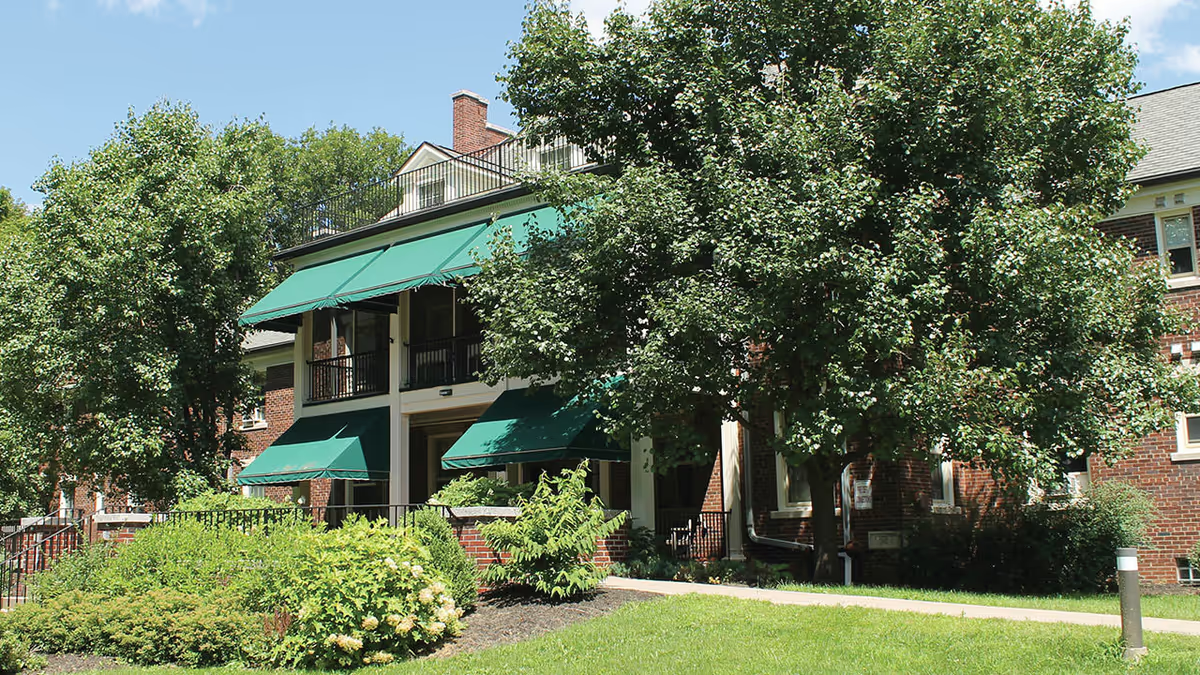
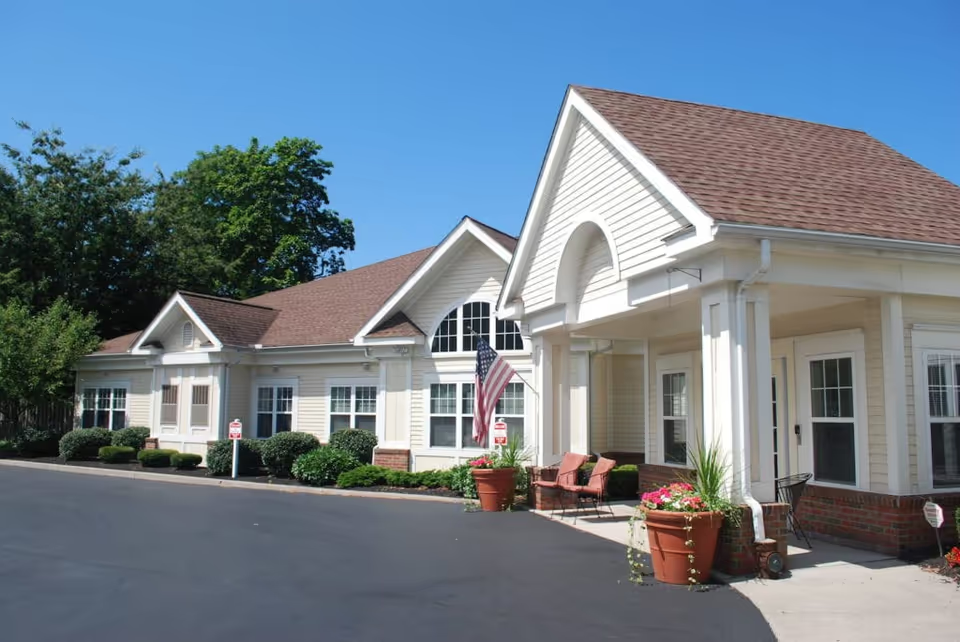
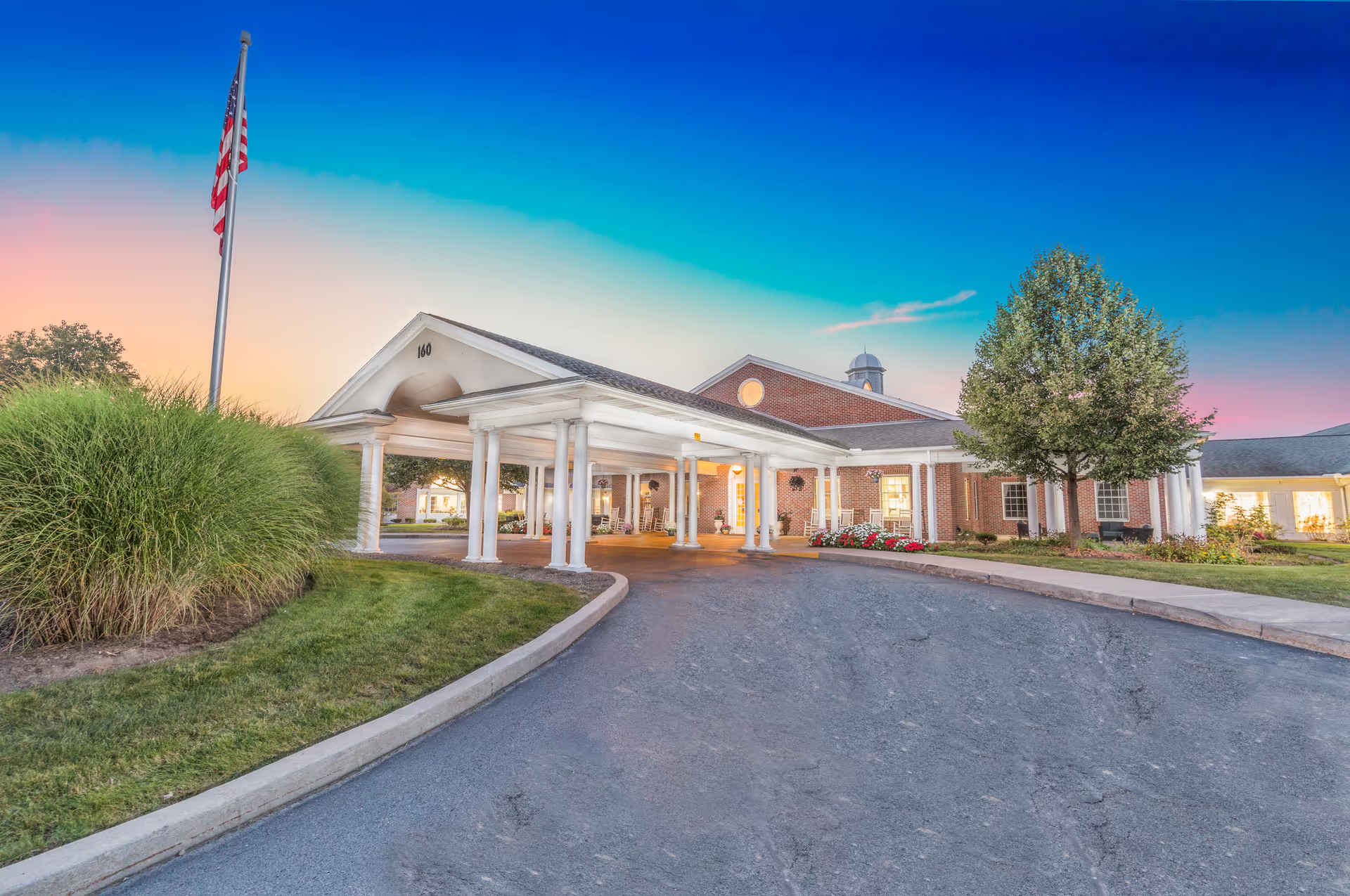
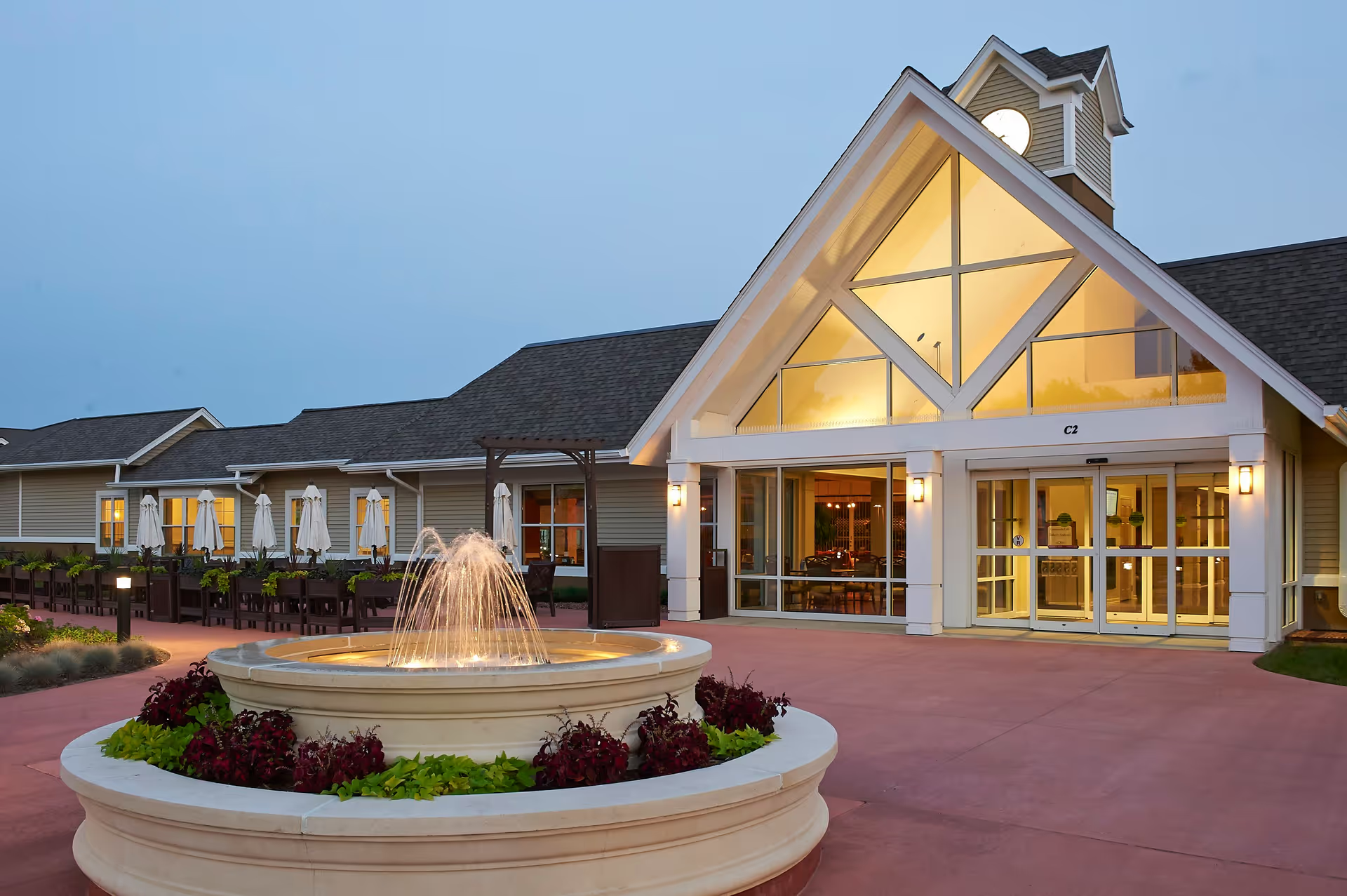
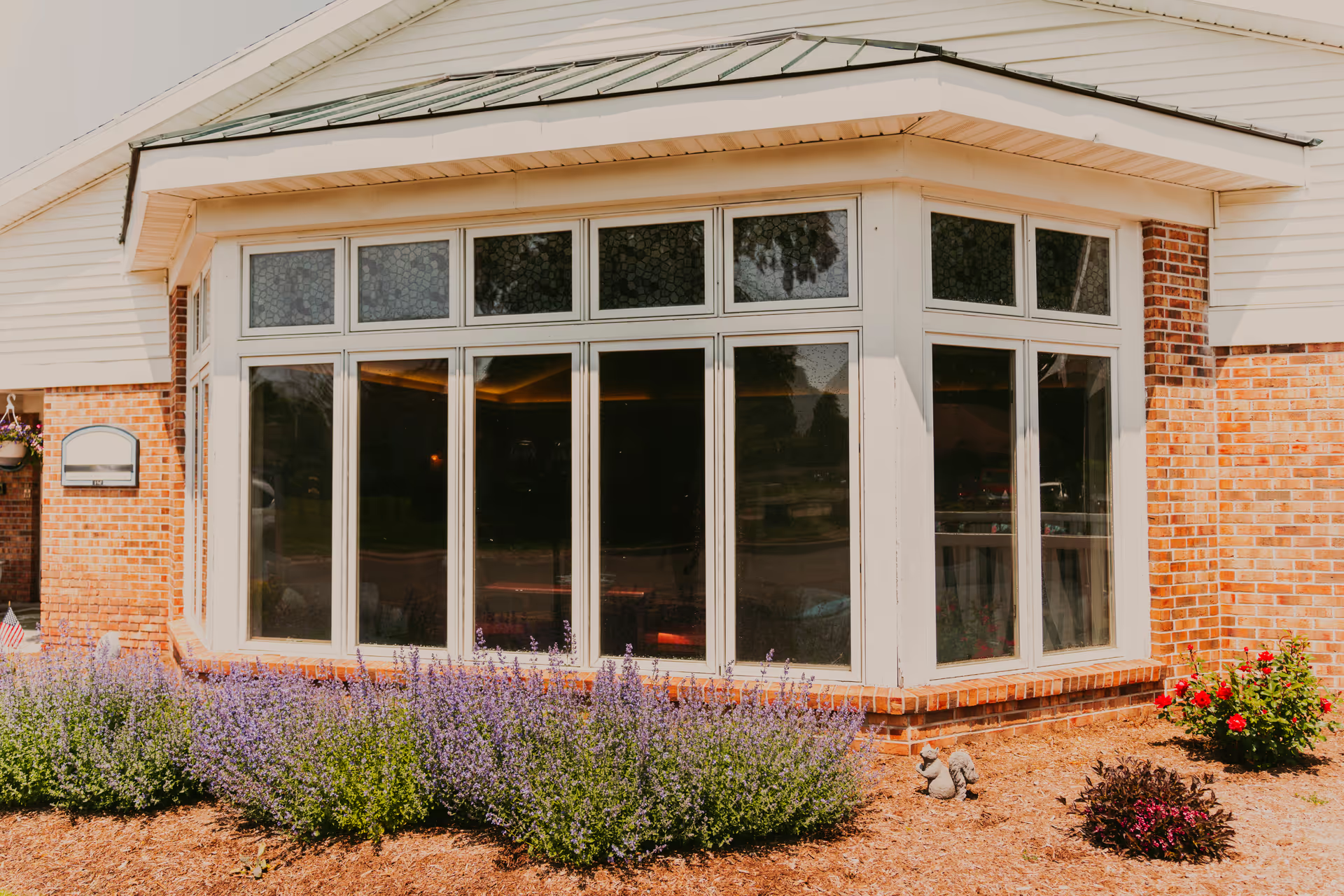
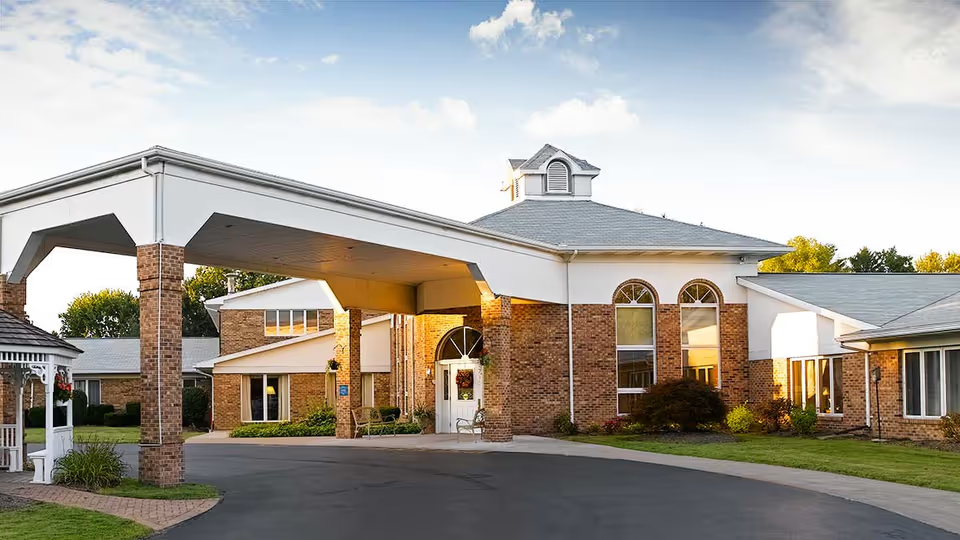
Facilities and management: The physical environment is generally described as clean and well maintained, and single-room options are available and reported positively. At the same time, many rooms are described as small and aging, and shared/semiprivate accommodations are common; these factors can affect privacy and comfort. Management-level issues inferred from reviews include insufficient staffing coverage and frequent staff turnover. Addressing staffing ratios, retention, and communication protocols—particularly for residents with hearing impairments—would likely improve perceived responsiveness and consistency.
Notable patterns and considerations: Prospective residents and families should weigh the facility's strong activity offerings, cleanliness, and therapy capabilities against the potential for inconsistent dining, limited room size or outdated decor, and variability in staff availability. Questions to ask during a visit might include current staffing ratios by shift, staff turnover rates, the availability and cost of single rooms, dining sample menus and meal schedules, and accommodations for residents with hearing impairments. These targeted inquiries can help clarify how the facility’s operational patterns will affect an individual resident's daily experience.